Resort Spotlight: Abetone - Where Tuscany Meets Serious Apennine Terrain
Published Date:
Categories
Most skiers dismiss the Apennines as weekend hills for Florentines. Abetone makes that dismissal harder to justify. With 652 metres of vertical spread across 44 kilometres, this isn't a vast area by Alpine standards, but it's surprisingly varied terrain for a mid-altitude Italian resort. The fact that it produced Olympic champions like Zeno Colò tells you something about the race-worthy pitch on parts of the mountain, even if 97% of runs now cater to beginners and intermediates.
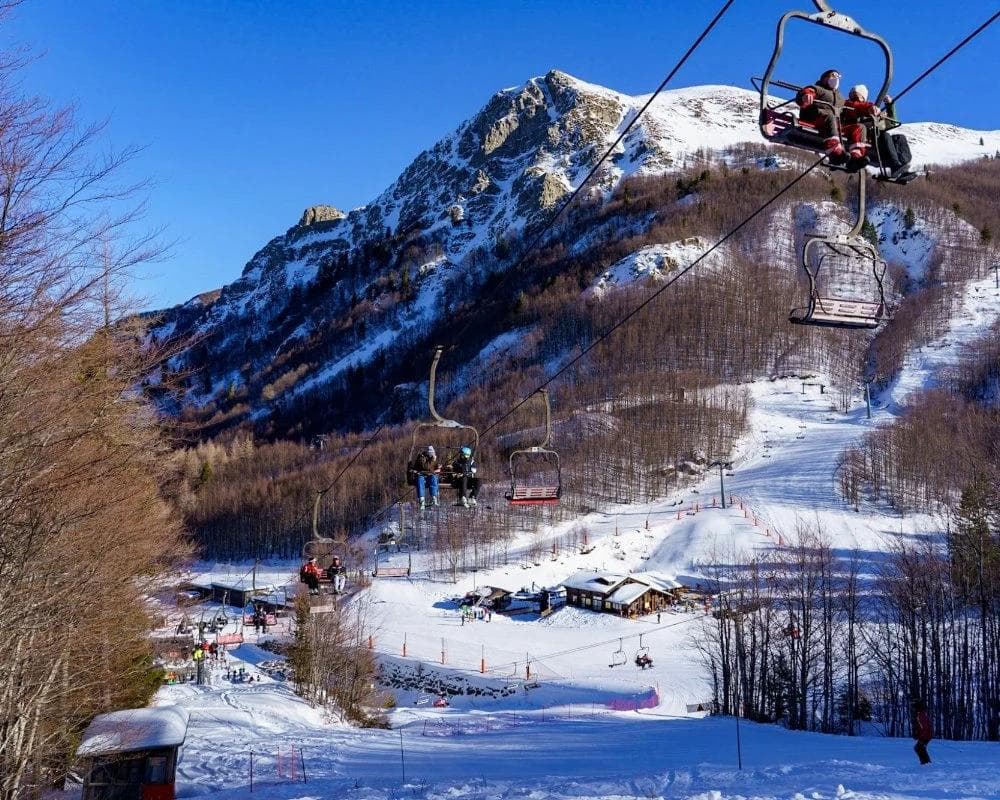
The resort's position at 1,240-1,892 metres means you're skiing below the treeline, which matters more than the marketing materials acknowledge. When visibility drops, those beech and pine forests become navigational assets rather than scenic backdrops.
Mountain Overview
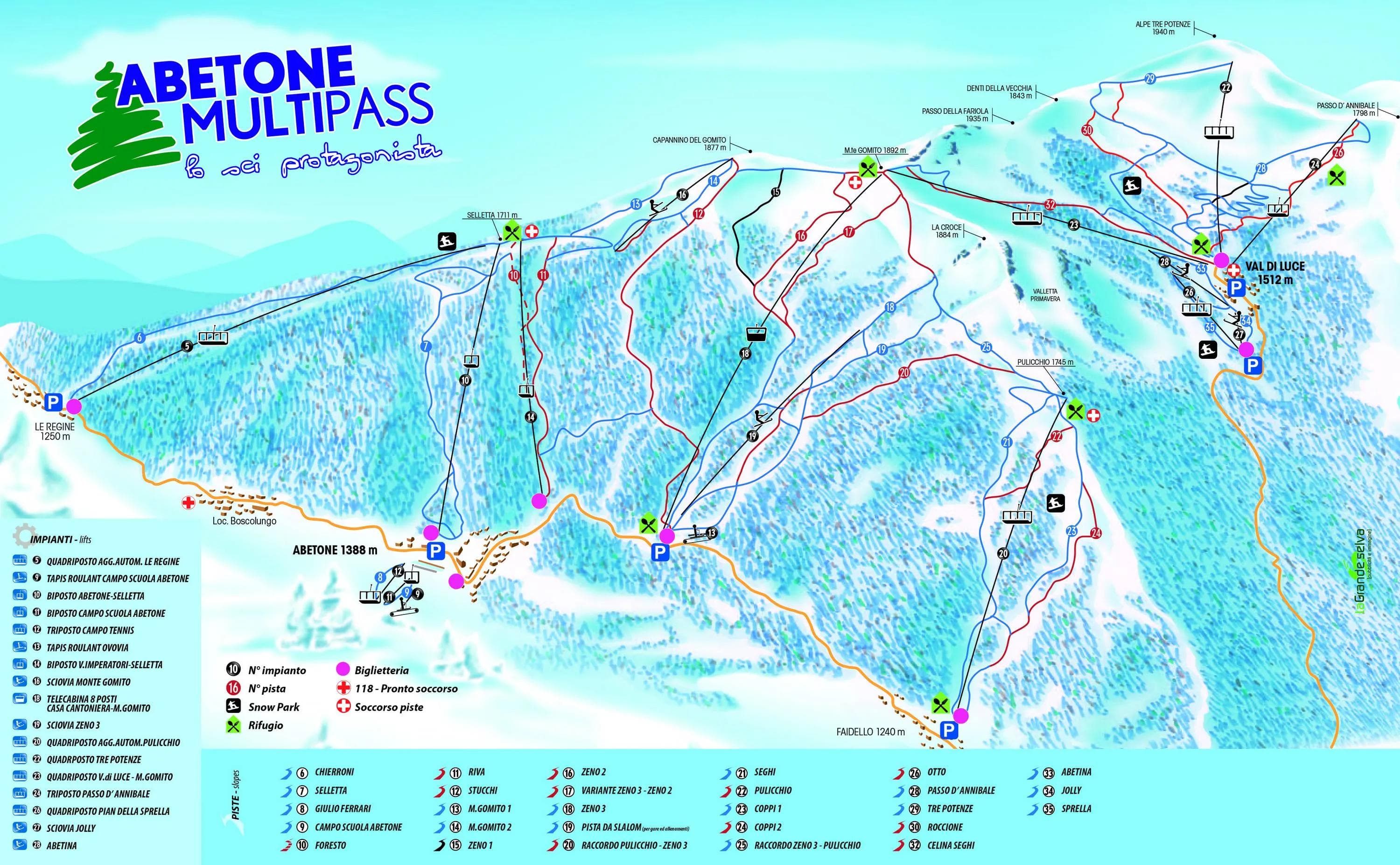
Abetone spreads across four valleys with 25 marked runs served by 18 lifts. The vertical drop of 652 metres is respectable for the Apennines, though you'll notice the base elevation of 1,240 metres means this isn't high-Alpine terrain. The summit reaches 1,892 metres, which keeps temperatures reasonable even in March.
The terrain breaks down as 32% beginner, 65% intermediate, and just 3% advanced - no expert runs at all. That distribution is honest: this is fundamentally an intermediate cruising mountain with some proper pitch on select runs, not a challenging expert destination. The Val di Luce sector reportedly gets the best snow accumulation when storms roll through.
Eighteen lifts for 44.1 kilometres of trails means reasonable uphill capacity without the queues you'd find at more famous Italian resorts. Currently, 13 lifts are running with all 25 trails open - unusual availability for early season in this region.
Who It's Best For
Intermediate skiers will find the most value here. That 65% intermediate terrain translates to proper runs, not just narrow connecting trails masquerading as blues. The resort's four-valley layout means you can cover different aspects and find varied snow conditions without the repetitive feel of single-valley areas.
Families benefit from significant beginner terrain (32%) and junior day passes at €28 versus €42-48 for adults. The tree-lined nature of most runs provides natural boundaries that make supervision easier than on wide-open bowls.
Advanced skiers should adjust expectations. With only 3% of terrain marked advanced and nothing classified as expert, you'll exhaust the challenging runs quickly. This works if you're based in Florence or Pistoia and want a day or two on snow without driving to the Alps. It doesn't work if steep skiing is your priority.
Snow & Season
The resort claims 3.5 metres of annual snowfall and currently shows 180cm base depth with 33cm in the past week - solid mid-season numbers. The 2025-26 season runs December 7 to April 6, which is ambitious for this latitude and elevation.
That optimism is backed by snowmaking covering 80% of terrain. At 1,240-1,892 metres elevation, mechanical snow becomes essential rather than supplementary, particularly in December and late March. The Val di Luce sector's reputation for better natural accumulation suggests aspect and microclimate variations matter more here than at higher resorts.
January and February deliver the most reliable conditions. March brings warmer temperatures, which at these elevations means variable snow quality - expect firm morning corduroy that softens considerably by afternoon. The extensive snowmaking prevents the brown patches you'd see at lower Apennine resorts, but don't expect Alpine powder days.
Getting There
Abetone sits 150 kilometres northwest of Florence and 86 kilometres from Pistoia, making it genuinely accessible from Tuscany's cities. The drive takes roughly two hours from Florence, longer if you're crawling behind tour buses on the SP12.
No train service reaches the resort directly. You're driving or arranging private transfers. The location between Tuscany and Emilia-Romagna means you can combine skiing with cultural visits to Lucca or Pistoia, though that multi-activity approach appeals more to non-skiers in your group than dedicated riders.
The resort spans several villages rather than clustering around a single base area. This creates lodging options at different price points but requires more planning than simply booking at "the resort". Research which village aligns with the terrain you'll ski most.

Lift Tickets
Adult day passes run €42-48 depending on peak versus regular periods - significantly cheaper than Dolomite or northern Italian resorts. Junior passes at €28 and child passes at €22 make family economics work better than at internationally famous areas.
Senior passes cost €30, offering reasonable value if you're skiing with older relatives. Tickets are available at the resort website, which handles purchases in euros without currency conversion fees for international cards.
The pricing reflects Abetone's market position: good terrain at mid-altitude without the cachet or price tags of Alpine destinations. Whether that represents value depends on your alternative options and travel logistics.
The Verdict
Abetone delivers legitimate ski terrain in a region where you'd expect marginal hills. The four-valley layout, decent vertical, and comprehensive snowmaking make it viable if you're already in central Italy and want skiing without committing to Alpine distances. The intermediate focus is honest rather than limiting - this mountain knows what it is and maintains it well. Full resort details, webcams, and trail maps are on the Snowstash resort page.
Full resort details, live webcams, and trail maps for Abetone on Snowstash →