Vail's name recognition is global, but the reality on the ground is more nuanced than the marketing suggests. With 195 runs across 5,289 acres, the mountain delivers scale and variety - at a price point that demands scrutiny.
Vail isn't subtle about its ambitions. As the flagship property of the world's largest ski resort operator, it's built an entire corporate empire on the back of this single Colorado mountain. The question isn't whether Vail is large - at 5,289 acres, it objectively is - but whether size and brand recognition translate into actual value for the skier who's footing the bill.
The resort opened in 1962, and much of its infrastructure shows it. What you're buying into here is a machine: 33 lifts moving people across terrain that ranges from groomed boulevards to the famous Back Bowls, with three base areas and a village layout that prioritises real estate development over ski-in/ski-out convenience.
Vail Mountain Overview
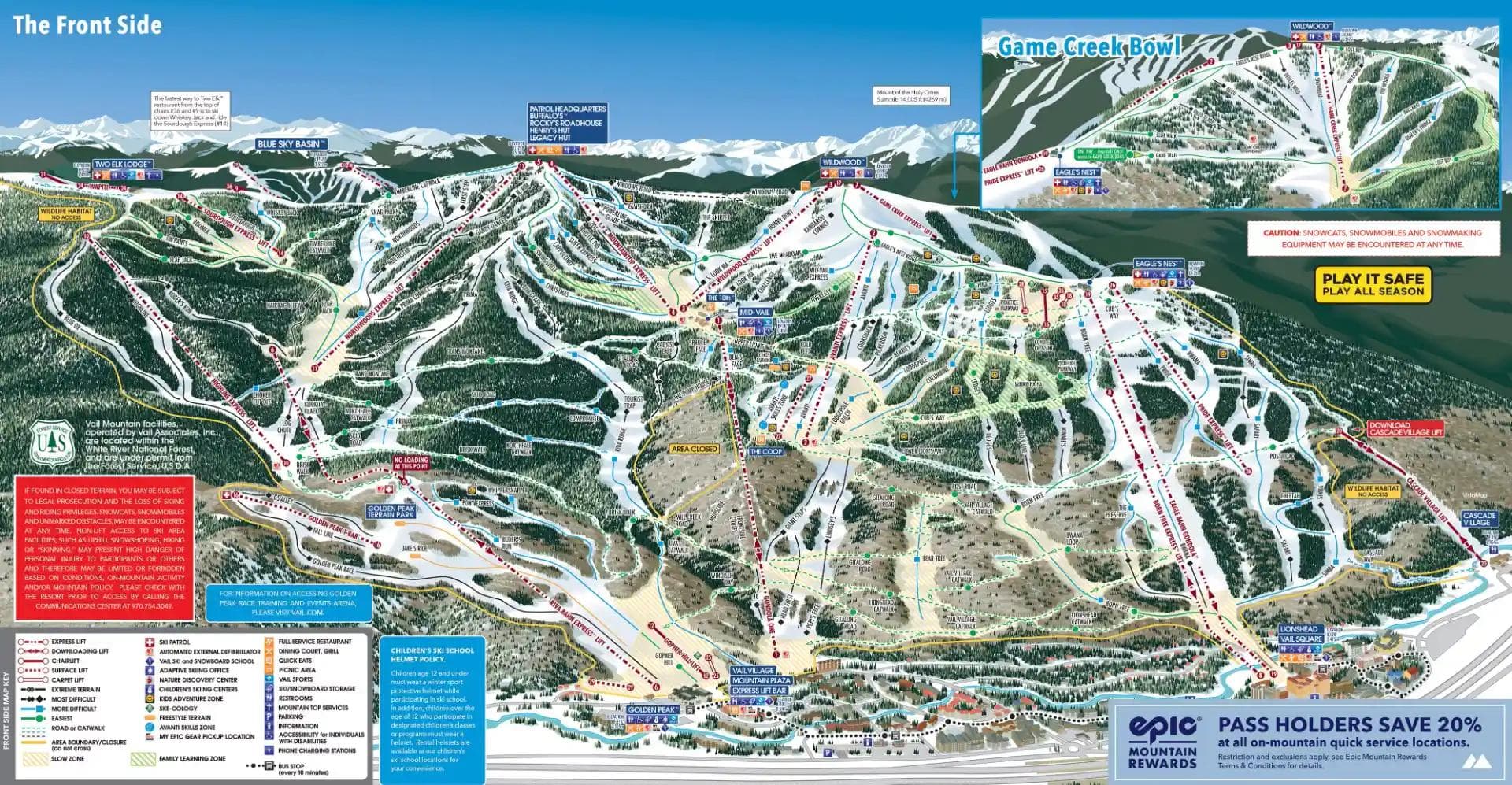
The mountain divides into distinct personalities. The front side - what you see from the village - offers 3,450 acres of groomed terrain and tree skiing. It's competent intermediate ground, heavily trafficked, with lifts that can bottleneck on peak days despite aggressive crowd management. The real draw for confident skiers is the 3,000+ acres of Back Bowls - wide-open terrain above the treeline that feels genuinely alpine when conditions align.
Vertical drop sits at 1,051 metres from the 3,526-metre summit, though you'll work through several lift rides to access it. The 195 marked runs break down as 19% beginner, 29% intermediate, 48% advanced, and 4% expert - a distribution that looks diverse on paper but concentrates most interesting terrain in the advanced category. Blue runs here skew easy; blacks vary wildly in commitment. The resort averages 8.99 metres of snow annually, though that figure masks significant year-to-year variance and the reality that much of the snowmaking budget goes toward keeping the front side presentable for the crowds.
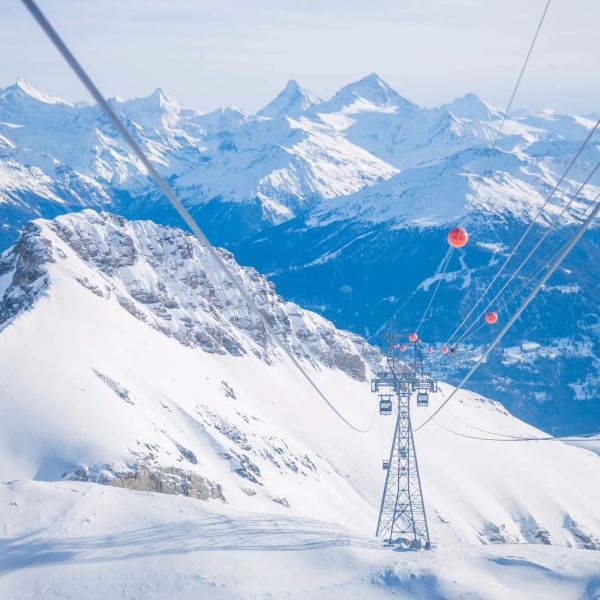
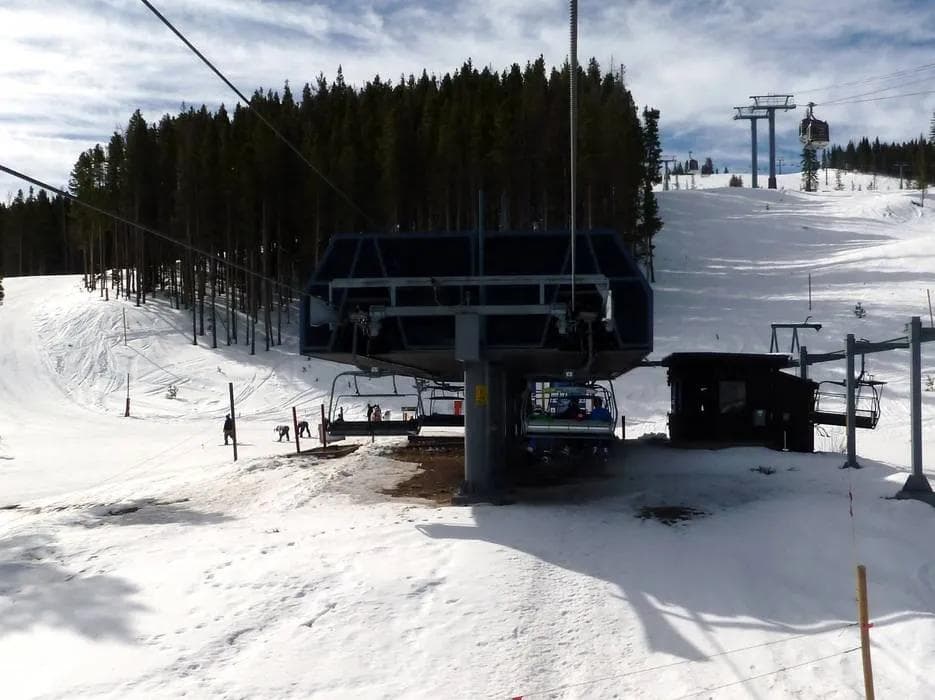
Ski lift infrastructure at Vail providing access to mountain terrain and ski runs.
Who is Vail Best For
Vail works for strong intermediate to advanced skiers who value terrain variety and don't mind navigating a large, corporate operation. If you're comfortable on blue runs elsewhere, you'll find plenty of mileage here, though the groomed offerings lack the pitch and consequence found at smaller, steeper resorts. Advanced skiers who specifically target the Back Bowls on powder days will find terrain worth the trip - on the right day, the open expanses deliver.
Families with mixed abilities can function here, but you're paying premium rates for terrain separation that requires planning and communication. Beginners will find adequate learning terrain at Golden Peak, though they're essentially paying Vail prices to ski runs that exist at every resort. Expert skiers seeking sustained steeps or technical lines will find the 4% expert classification telling - there's challenging terrain, but it's not what you'd choose Vail for. The resort caters to groups who prioritise off-mountain amenities and brand recognition over raw skiing value.
Vail Snow and Season
The season runs from mid-November to mid-April, with the 8.99-metre annual average meaning you're looking at roughly 35 feet or 354 inches in American terms. Current base depth sits at 124 centimetres with 12.7 centimetres in the past week and 368.3 centimetres season-to-date - serviceable mid-season numbers that reflect typical Colorado variability.
The Back Bowls require legitimate snow depth to ski well; rock coverage can keep portions closed into December even in average years. Snowmaking covers the front side extensively, ensuring operational terrain regardless of natural snow, though it's primarily defensive coverage rather than quality enhancement. March and April offer the most reliable combination of base depth and weather, though spring conditions mean variable snow quality and strategic timing of your ski day.
Denver International Airport sits 100 miles east via I-70, a drive that takes two to four hours depending on traffic and weather. Weekend traffic westbound Friday afternoons and eastbound Sunday afternoons can add substantial time - plan accordingly or travel mid-week. The Eagle County Airport at Gypsum offers closer access 35 miles west, though flight options and costs vary significantly by season.
Once in Vail, the free town bus system covers the three base areas and surrounding neighbourhoods adequately, though schedules require checking if you're not staying slopeside. Parking at the bases costs money during peak periods, another cost consideration in an already expensive trip.
Vail Lift Tickets
Day ticket pricing ranges from USD 139 for children to USD 249 for adults at peak rates, with regular adult tickets at USD 189. These are among the highest day-ticket prices in North America, justified by the resort's scale and brand positioning but difficult to rationalise compared to smaller operations offering similar or better skiing at half the cost.
The pricing structure exists to drive Epic Pass sales, which spread the cost across multiple resorts and seasons. If you're considering a single trip to Vail on day tickets, you're funding the least economical way to ski here - which is precisely the point of the corporate model.
The Verdict on Vail
Vail delivers on scale and infrastructure, operating as the well-oiled corporate machine it's designed to be. The Back Bowls provide genuinely compelling terrain when snow conditions align, and the sheer variety of runs means you can ski here for a week without exhausting options. But you're paying for brand recognition and real estate development as much as skiing quality - the premium pricing doesn't correlate with premium snow, lift technology, or crowd management compared to competitors. It's competent, large, and expensive, in that order. Full resort details, webcams, and trail maps are on the Snowstash resort page.