TL;DR
This small Bavarian resort delivers exactly what its stats suggest: straightforward skiing on nine kilometres of primarily beginner terrain, served by two lifts. An honest look at who Hörnle works for and who should look elsewhere.
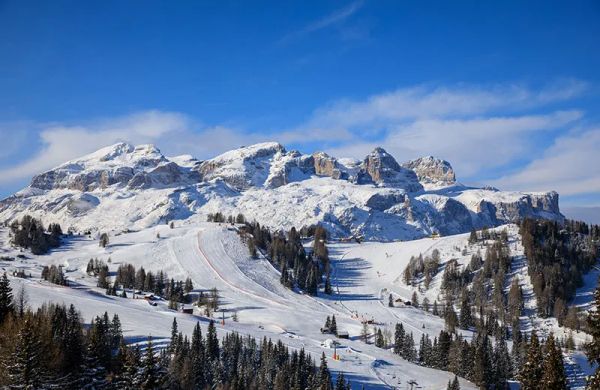
Hörnle-Bad Kohlgrub sits in that category of European ski areas that larger resorts would rather you didn't know about - small enough to feel genuinely local, accessible enough for Munich day trips, and priced reasonably enough that a family of four won't need a second mortgage for lift tickets. With just two lifts serving 485 vertical metres, this is skiing stripped back to fundamentals.
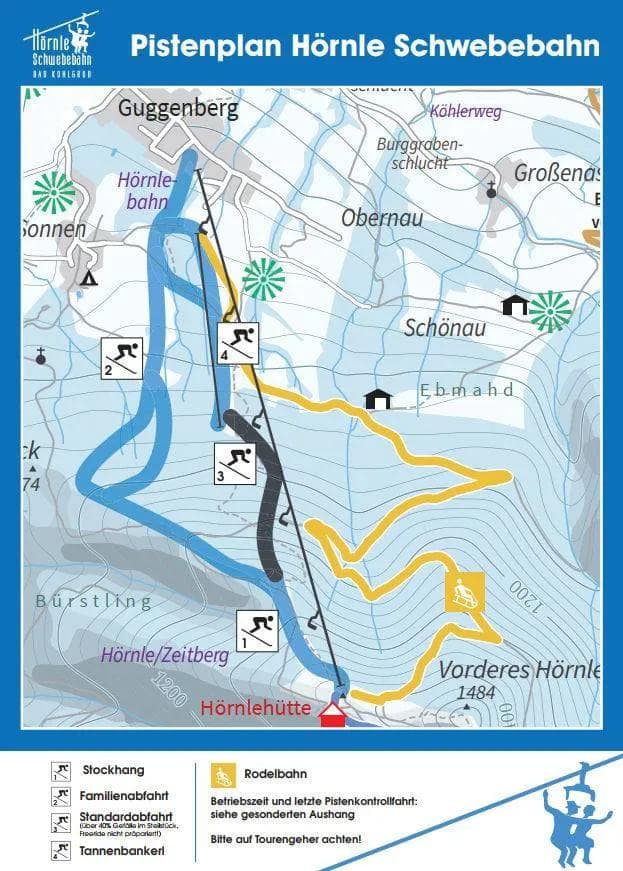
The numbers tell the immediate story: nine kilometres of trails across six runs, two-thirds of which are graded for beginners. There's no expert terrain, no terrain parks, and no illusions about competing with Garmisch-Partenkirchen forty kilometres down the road. What you do get is uncrowded pistes in the Ammergau Alps, reliable snowmaking where it matters, and lift tickets at €39 for adults.
Hörnle – Bad Kohlgrub Mountain Overview
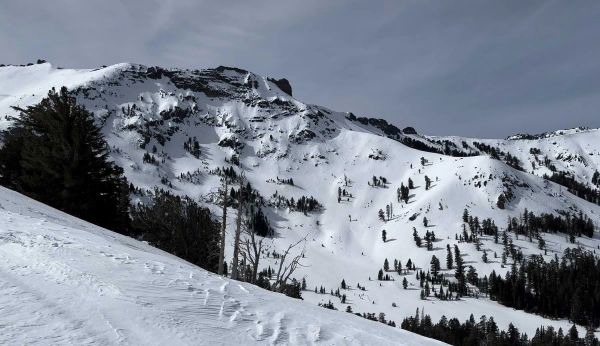
The mountain operates between 915 and 1,400 metres, delivering 485 vertical metres through two lifts. Four of the six runs qualify as beginner terrain - genuinely wide, forgiving slopes rather than marketing euphemisms. The remaining two intermediate runs provide enough variety for competent skiers without presenting anything technically demanding.
The resort recorded 209cm of snowfall this season with an average of 1.88 metres annually - respectable for the region, though hardly guaranteed powder days. Snowmaking covers the key runs, which matters more here than at higher-altitude resorts. Currently one lift and one trail are operating, typical for a small operation that opens and closes sections based on conditions rather than running everything simultaneously.
The nine-kilometre trail network means you'll have skied everything multiple times in a single day. That's either limiting or refreshingly simple, depending on what you're after. The north-facing aspects help snow quality, and the lack of crowds means untracked sections persist longer than they would at more accessible resorts.