News category
Latest in Germany

Resort Spotlight: Arber - Bavaria's Highest Resort Without the Alpine Crowds
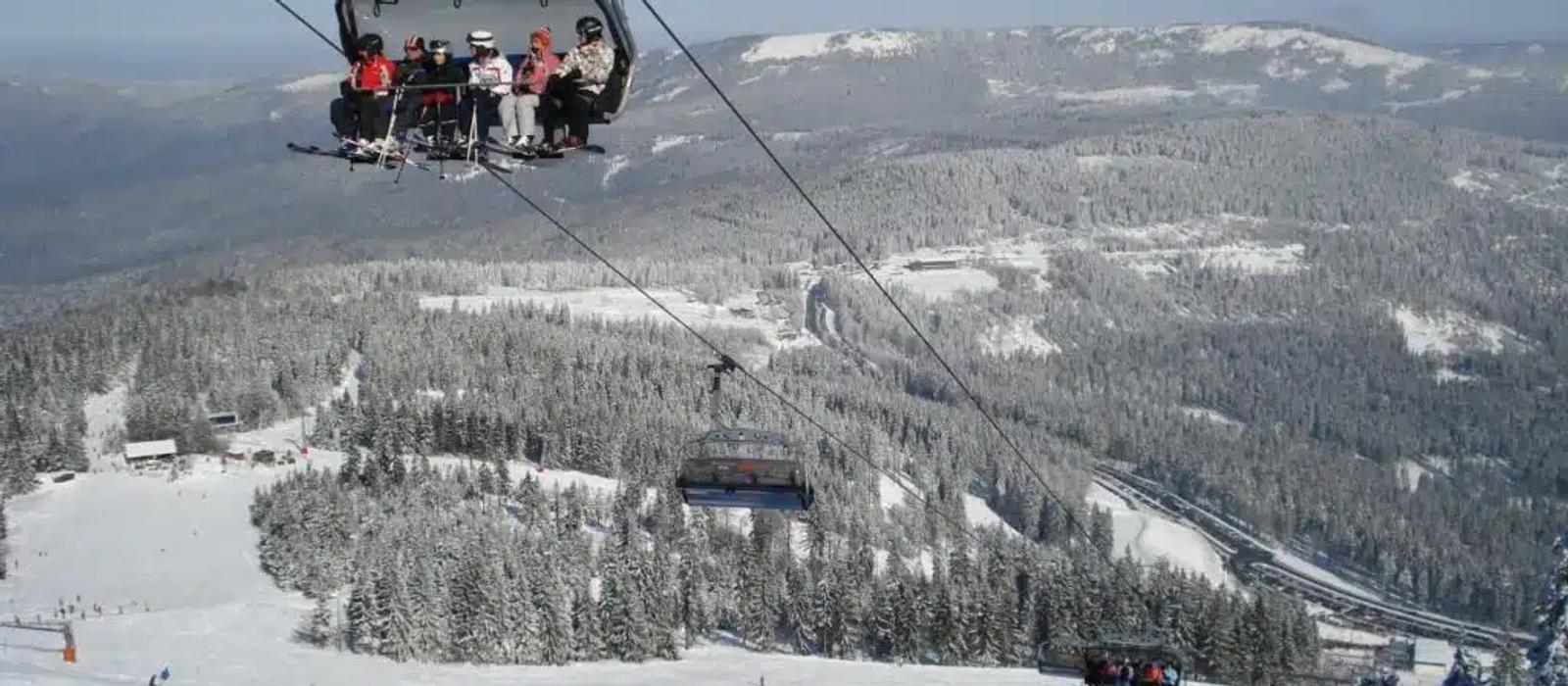
Arber bills itself as the Bavarian Forest's premier ski destination, which sounds optimistic until you realise it's also the only proper resort in the region. At 406 vertical metres and 11.5km of trails, this is weekend skiing territory - but that doesn't mean it isn't worth considering.
Michael Fulton

Resort Spotlight: Hindelang Oberjoch - Germany's Highest Village Offers Reliable Intermediate Terrain
At 1,200 metres, Oberjoch claims the title of Germany's highest mountain village, which matters more for marketing than actual skiing. What does matter: 32 kilometres of well-maintained intermediate terrain, substantial snowmaking, and a notably lower-key atmosphere than the Bavarian circus further east.
Michael Fulton

Resort Spotlight: Kreuzberg - Bavaria's Low-Key Alternative to the Alpine Circus
Kreuzberg delivers something increasingly rare in German skiing - uncrowded slopes at sensible prices. This Rhön Mountains resort offers 318 metres of vertical across 13 kilometres of trails, targeting families and intermediates who've had enough of Alpine weekend queues.
Michael Fulton

Resort Spotlight: Todtnauberg - Black Forest Skiing Without the Crowd
Todtnauberg delivers 400 vertical metres of intermediate skiing in the Black Forest, backed by cross-country trails and woodland hiking. The terrain is modest, but the location works for families avoiding the Alps pricing.
Michael Fulton

Resort Spotlight: Wendelstein - Bavaria's Cogwheel Railway Ski Area
Wendelstein runs six trails accessed by a cogwheel railway built in 1912. The 932-metre vertical drop and north-facing aspect make this 11km Bavarian ski area worth considering for anyone within day-trip range of Munich.
Michael Fulton

Resort Spotlight: Hörnle – Bad Kohlgrub - Bavaria's Family-Scale Alternative to the Garmisch Crowds
This small Bavarian resort delivers exactly what its stats suggest: straightforward skiing on nine kilometres of primarily beginner terrain, served by two lifts. An honest look at who Hörnle works for and who should look elsewhere.
Michael Fulton

Resort Spotlight: Willingen - Germany's Sauerland Workhorse Delivers More Than Expected
Willingen punches above its weight for a central German resort. With 260 vertical metres, extensive night skiing, and snowmaking across nearly every run, it's built for consistency rather than bragging rights.
Michael Fulton

Resort Spotlight: Arnsberg - Where the Ruhr Valley Goes Skiing
An hour from Dortmund, Arnsberg offers something increasingly rare in European skiing - genuinely modest ambitions. With 9.5 kilometres of predominantly beginner terrain and €21 day tickets, this is skiing stripped back to essentials.
Michael Fulton

Resort Spotlight: Neuastenberg Postwiesen - Low-Altitude Skiing That Actually Works
At 730 metres summit elevation, Neuastenberg Postwiesen shouldn't work as a ski resort. Yet this Sauerland area 150km from Cologne has cracked the low-altitude code through aggressive snowmaking and realistic expectations about what it offers.
Michael Fulton

Resort Spotlight: Nesselwang Alpspitzbahn - Bavaria's Perfectly Scaled Family Resort
With just six runs spread across 563 vertical metres, Nesselwang Alpspitzbahn isn't trying to compete with Bavaria's larger operations. Instead, it delivers exactly what learning families need: uncrowded slopes, reasonable pricing, and terrain that builds confidence without intimidation.
Michael Fulton

Germany's Zugspitze Ski Lift Demolished as Glacier Disappears Beneath It
A ski lift that operated on the Schneeferner glacier atop the Zugspitze for more than 50 years has been demolished after the glacier it ran on melted away. New data shows Bavaria's glaciers shrank by more than a quarter between 2023 and 2025 alone - and scientists say there is no chance of saving what remains.
Michael Fulton

Swiss Men Lock Out Garmisch-Partenkirchen Downhill Podium as Odermatt Extends Dominant Season
Switzerland claimed all three podium spots at Saturday's World Cup downhill in Garmisch-Partenkirchen, with Marco Odermatt taking victory ahead of Alexis Monney by just 0.04 seconds. The result extends Odermatt's commanding lead in the overall standings to nearly double his nearest competitor with three races remaining.
Michael Fulton

Garmisch Classic Ski Resort Review: Olympic History and Bavarian Skiing at Its Best
Garmisch Classic combines Olympic heritage, varied terrain across 40km of trails, and authentic Bavarian culture at prices significantly lower than other European destinations. With a massive 1,350m vertical drop and terrain for all abilities, this German resort offers exceptional value for Australians seeking European skiing without Swiss or French price tags.
Michael Fulton

Climber's Narrow Escape from Zugspitze Crevasse Highlights Glacier Risks
A solo mountaineer's fall into a Zugspitze glacier crevasse sparked a precarious rescue operation, underscoring the increasing dangers of alpine climbing amid climate change impacts.
Michael Fulton

Möserbahn Cable Car Upgrade at Oberstdorf Kleinwalsertal
The Möserbahn cable car in Oberstdorf Kleinwalsertal is set for a major renovation in summer 2025, including improved safety features and technical upgrades.
Michael Fulton

Garmisch Classic's Kreuzwankl Ski Express Upgrade: Boosting Capacity and Comfort
The Kreuzwankl Ski Express at Garmisch Classic is set for a major upgrade, transforming from a 6-seater to an 8-seater chairlift. This renovation aims to increase capacity, reduce wait times, and enhance the overall skiing experience.
Michael Fulton

A Day at Garmisch Classic: Germany’s Best Ski Resort
Follow along on a personal journey through Germany's renowned Garmisch Classic ski resort, from morning coffee in the parking lot to conquering the legendary 1,350-meter descent. Experience the challenges and triumphs of skiing European slopes through the eyes of an Australian skier discovering the unique character of Bavarian Alps.
Michael Fulton

Zugspitze Ski Resort Review: Germany's Only Glacier Skiing Experience
Experience Germany's last remaining glacier ski resort at Zugspitze, where world-record-breaking cable cars transport you to 3,000m of Alpine splendour. This intimate ski area offers perfect terrain for beginners and intermediates, complemented by panoramic views of four countries and the stunning Bavarian Alps.
Michael Fulton
Latest News
More from the SnowStash desk
Pinheiro Braathen Wins Sölden Giant Slalom Opener by 0.48 Seconds
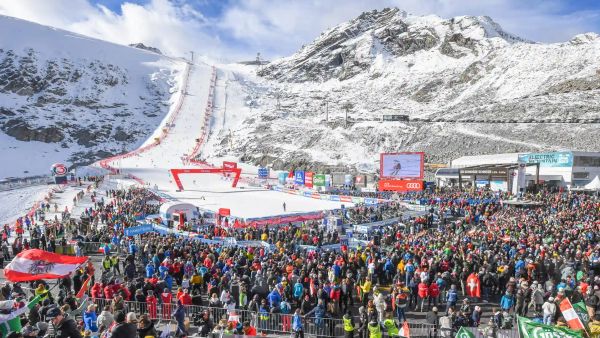
Two days at Sölden, two races decided by a hundredth somewhere on the podium, and one very quick Brazilian. Lucas Pinheiro Braathen led from the first run to win the men’s World Cup opener by 0.48 seconds, with Loïc Meillard second and Marco Odermatt third. River Radamus charged from 15th to fourth on a rutted course, and Britain’s Freddy Carrick-Smith banked his first World Cup points. Braathen still hasn’t lost a giant slalom since Olympic gold.
25 Oct 2026
Alps Snow Forecast: Up to 64 cm Headed for the High Glaciers as the Snow Line Drops
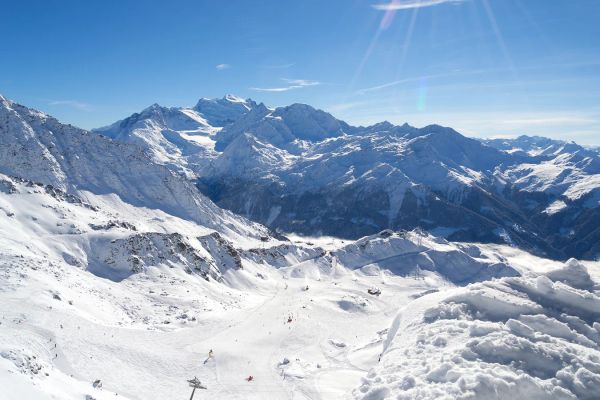
The Alps are about to swap mild, sunny October weather for something far more wintry. A cold front arrives Tuesday, and SnowStash forecasts have Monterosa Ski out in front with 64 cm over 14 days, ahead of Blatten Belalp (55 cm) and Verbier (43 cm). The snow line should fall below 2000 metres by Wednesday night, and glaciers across Switzerland, Italy and Austria are in line for the best of it. The wind will have a say too.
20 Oct 2026
Four Dead After Avalanche Near Ski Portillo in Chile
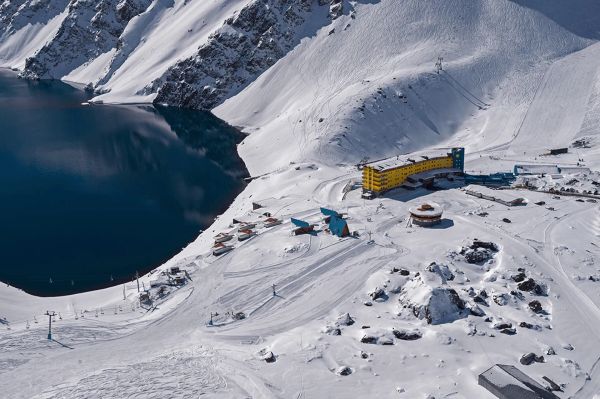
A large avalanche struck near Laguna del Inca adjacent to Ski Portillo on Saturday afternoon, killing four people and injuring four others. The group were day visitors mountaineering in the backcountry after reportedly being warned about elevated avalanche risk by resort staff.
18 Oct 2026
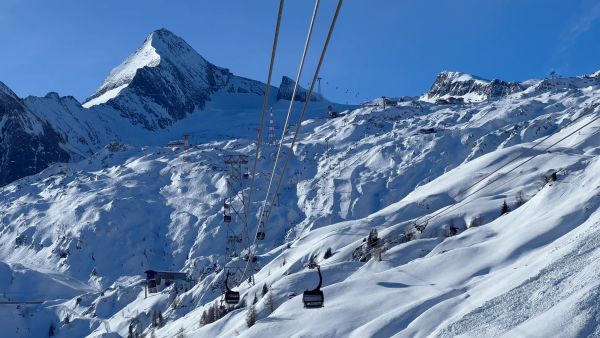
Europe Ski Resorts Open Now: What Is Skiable in Mid-October 2026
Europe’s ski season is open, technically. After a record-warm summer, glaciers in Austria, Switzerland and Italy are running a few pistes apiece, Sölden, Stubai and Kitzsteinhorn started late, Titlis has pushed back to 24 October, and Zermatt reopens a few lifts on 14 October after more than two months shut. Finland’s Levi and Ruka are skiing on stored snow. Here is what is open, and what you actually get at each.
14 Oct 2026
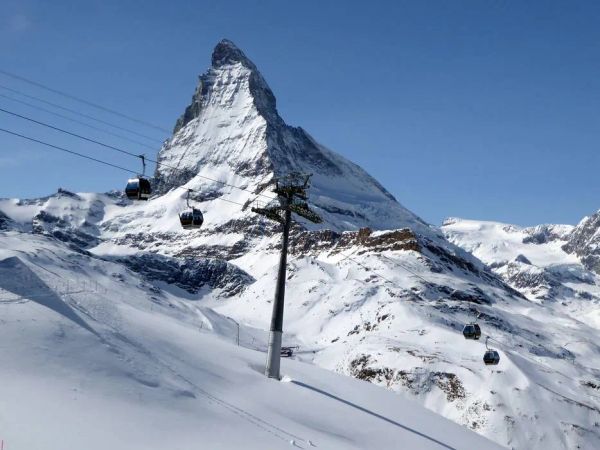
Zermatt Plans World Cup Downhill Return on the Gornergrat for 2028
Zermatt is having another crack at a World Cup downhill, and this time nobody has to cross a border. Around 13 million Swiss francs is going into rebuilding the Gornergrat piste, including a jump fed by a roughly 300-metre in-run across the roof of the Gornergrat Railway gallery, with the Matterhorn lined up behind it for the TV cameras. First men’s race is pencilled in for March 2028, pending FIS homologation.
14 Oct 2026
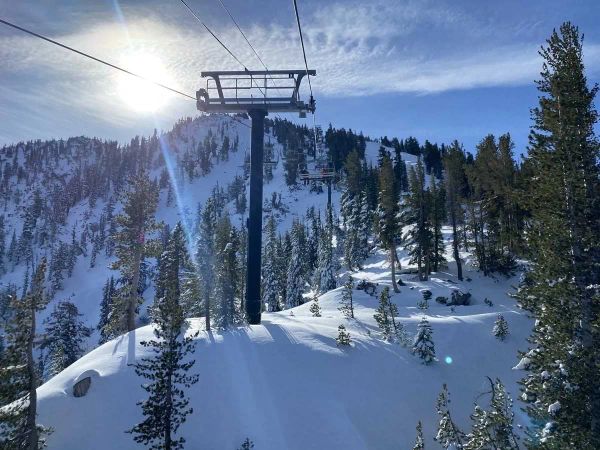
Mt. Rose Begins Snowmaking for the 2026-27 Season at Lake Tahoe
Lake Tahoe’s highest base elevation is paying off early: Mt. Rose has started making snow for 2026-27 after the first flurries and a cold snap. The Nevada resort is backing it with nearly US$2 million in upgrades, including a replacement snowmaking main line, a new PistenBully groomer and restraint bars on every lift. Opening day is yet to be confirmed, though Heavenly and Northstar are already eyeing 20 November.
13 Oct 2026
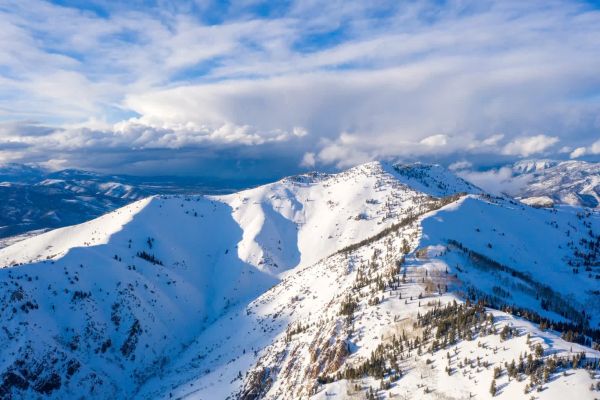
Utah Ski Resorts 2026-27: What’s New at Alta, Deer Valley, Powder Mountain and More
Utah is still building flat out. For 2026-27, Powder Mountain opens a steep new Skytrac chair into more than 1,000 acres of advanced terrain, Deer Valley adds 200 acres on Hail Peak, Sundance gets a new quad and Park City adds a gondola from its new parking structure. Snowmaking is expanding almost everywhere, Eagle Point stays closed after the Cottonwood Fire, and the 2034 Games are setting the pace. Here’s what’s new, resort by resort.
13 Oct 2026
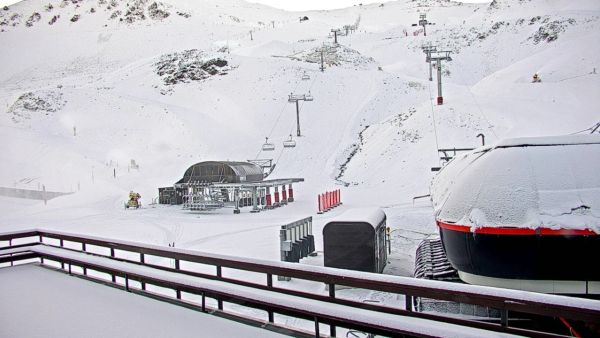
Mt Hutt Invests NZ$12 Million in Base Area, Tripling Its Sun Deck
Mt Hutt is getting busier, and its base lodge is about to catch up. NZ$12 million goes into a heated sun deck roughly three times the current size (430 m² to 1,300 m²), plus a new toilet block, heated steps down to snow level, extra storage and a new food and beverage outlet. Building starts after the 2026 season, with everything due for winter 2027.
11 Oct 2026