Who is Hindelang Oberjoch Best For
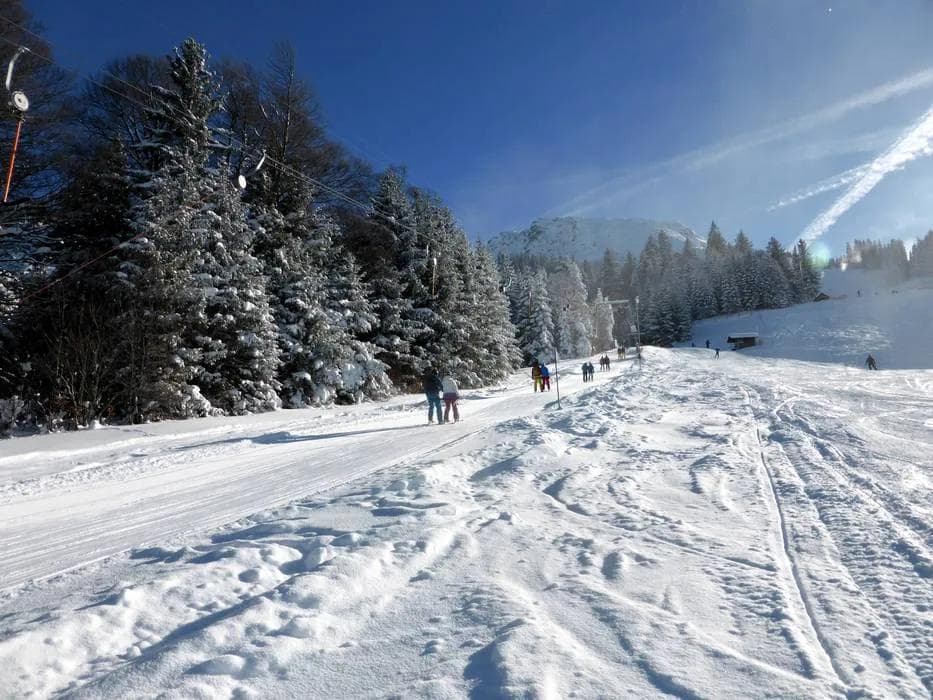
Intermediates looking to refine technique without intimidation will find this terrain ideal. The 75% blue-run weighting isn't an exaggeration - these are confidence-building slopes where you can work on carving mechanics without sudden terrain surprises. Families benefit from dedicated beginner zones and terrain that doesn't fragment the group by ability level.
The 6% advanced designation and zero expert terrain reveals clear limitations. If you ski blacks comfortably, you'll exhaust the challenging options within hours. Strong intermediates might appreciate this as a skills consolidation environment, but advanced skiers seeking sustained challenge should look elsewhere. The resort acknowledges its lane and stays in it.
Bavarian culture runs deep here, which some will find charming and others may find insular. This isn't an international jet-set destination - expect traditional Gasthöfe, not boutique design hotels. The proximity to Bad Hindelang adds cultural depth, though calling it a major attraction stretches the point. If you value quiet competence over resort excitement, the trade-off works.
Hindelang Oberjoch Snow & Season
The season runs December through March, with the 2025-2026 schedule showing 13 December opening through 30 March closing. January and February deliver the most reliable natural snow, though the 2.5-metre annual average requires supplementation. Current season totals of 269cm suggest a solid winter, though this figure includes artificial snow contributions.
March typically brings the best combination of stable base and improving weather, though you're skiing on heavily worked snow by that point. The high-altitude claim matters more at season margins - early December and late March benefit from the extra 200-300 metres versus lower Bavarian resorts. Mid-winter, the altitude advantage proves less dramatic.
Snowmaking coverage of 85% means the resort opens and stays open reliably, which matters more than natural snowfall statistics for trip planning. You won't find deep powder days here with any frequency, but you also won't arrive to bare slopes. Set expectations for firm, manufactured surfaces with periodic natural top-ups rather than Alpine powder conditions.
Getting to Hindelang Oberjoch
Memmingen Airport sits 80 kilometres away, making it the closest international access point. Munich Airport lies 160 kilometres distant - a two-hour drive in clear conditions, longer when weather deteriorates. The resort's southern Bavarian location means longer transfers than resorts closer to Munich, though you avoid the weekend traffic chaos of Garmisch-Partenkirchen.
Road access requires navigating narrow Alpine valleys, which becomes tedious in heavy snow or weekend traffic. Public transport exists but involves multiple connections through Bad Hindelang. A car provides necessary flexibility, particularly for accessing nearby Austrian resorts if Oberjoch's limited terrain wears thin. The border proximity opens options, though you're still facing 30-40 minute drives to reach alternatives.
Hindelang Oberjoch Lift Tickets
Adult day tickets run €49.80, with junior passes at €40.50 and children at €23. These prices sit in the lower-middle range for German skiing - not bargain-basement, but reasonable given the infrastructure and snow maintenance. Multi-day tickets offer standard progressive discounts.
The pricing reflects the resort's positioning: competent but not premium. You're not paying for high-speed lift systems or extensive après-ski infrastructure. The ticket cost aligns with what you receive - functional mountain access without extras. Family pricing becomes competitive when you factor in multiple children's tickets.
The Verdict on Hindelang Oberjoch
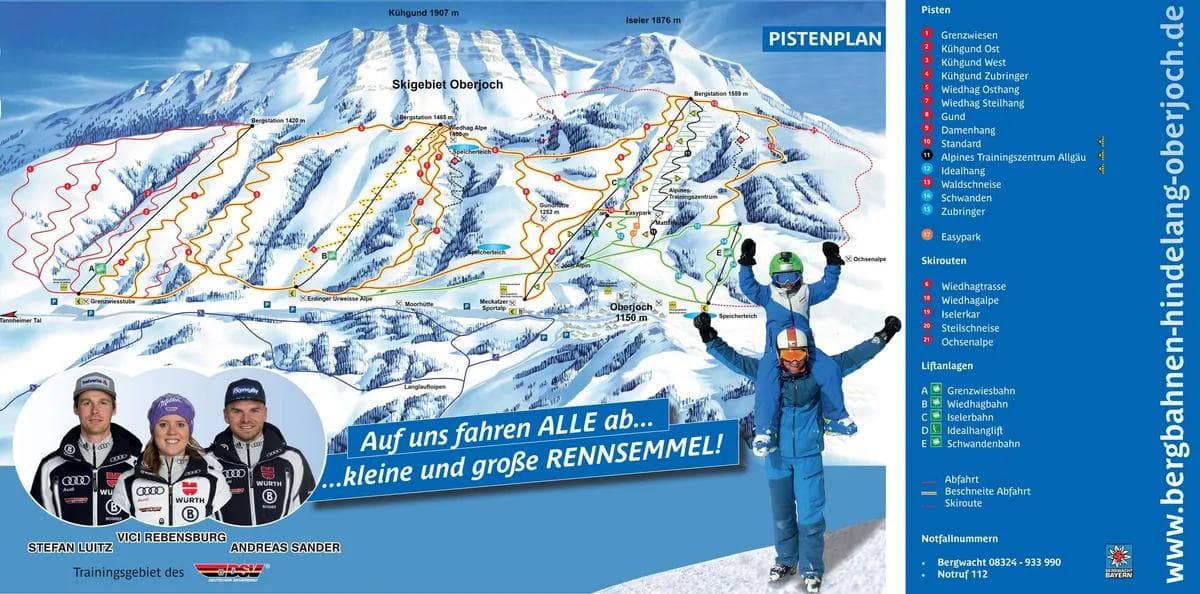
Oberjoch delivers exactly what it promises: reliable intermediate skiing in a traditional Bavarian setting without pretensions or crowds. The terrain limitations are real - strong skiers will feel constrained quickly - but within its narrow focus, the resort operates competently. If you're seeking methodical skills improvement or a low-key family week, the formula works. Full resort details, webcams, and trail maps are on the Snowstash resort page.
Full resort details, live webcams, and trail maps for Hindelang Oberjoch on Snowstash →