TL;DR
A ski lift that operated on the Schneeferner glacier atop the Zugspitze for more than 50 years has been demolished after the glacier it ran on melted away. New data shows Bavaria's glaciers shrank by more than a quarter between 2023 and 2025 alone - and scientists say there is no chance of saving what remains.
Germany's Highest Ski Lift Is Gone - and the Glacier That Held It Up Isn't Far Behind
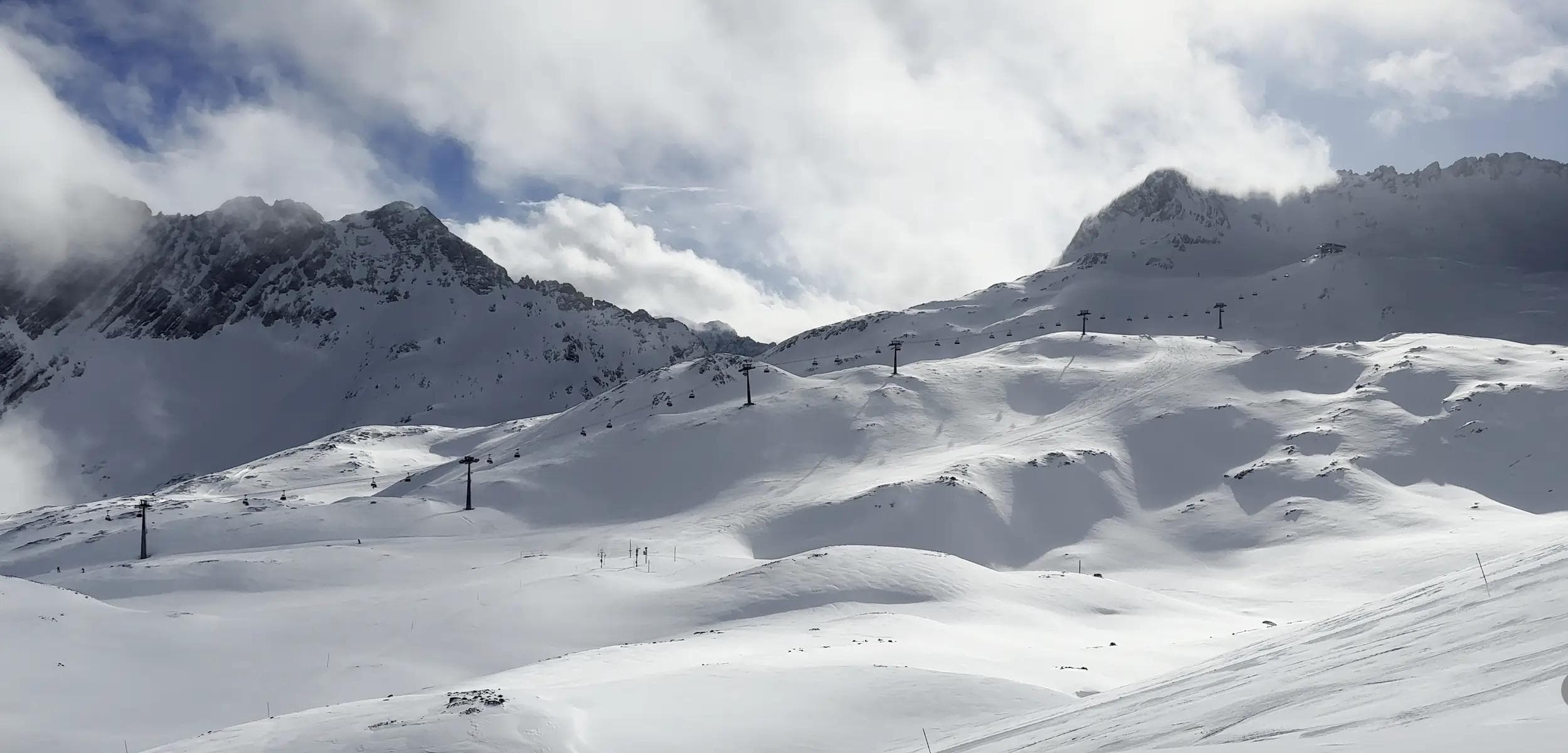
A ski lift that has run down the Schneeferner glacier on Germany's Zugspitze for more than 50 years was demolished on Friday after the slope it served melted away beneath it. It is the most visible sign yet that climate change is fundamentally reshaping what is possible in the Alps - and Germany's remaining glaciers may not be long for this world.
Why the lift had to come down
The operator, Bayerische Zugspitzbahn Bergbahn AG, began dismantling the lift after the glacier receded to the point where continued operation simply wasn't viable. High-tension cables anchoring the lift were severed using blasting charges on Friday evening, with the pylons - which were built directly on ice - collapsing once the cables were cut.
Spokeswoman Laura Schaper put it plainly: "The ice is receding, the terrain and the lift have changed drastically. The slope has become significantly steeper, and for that reason it's no longer technically feasible to keep operating the lift."
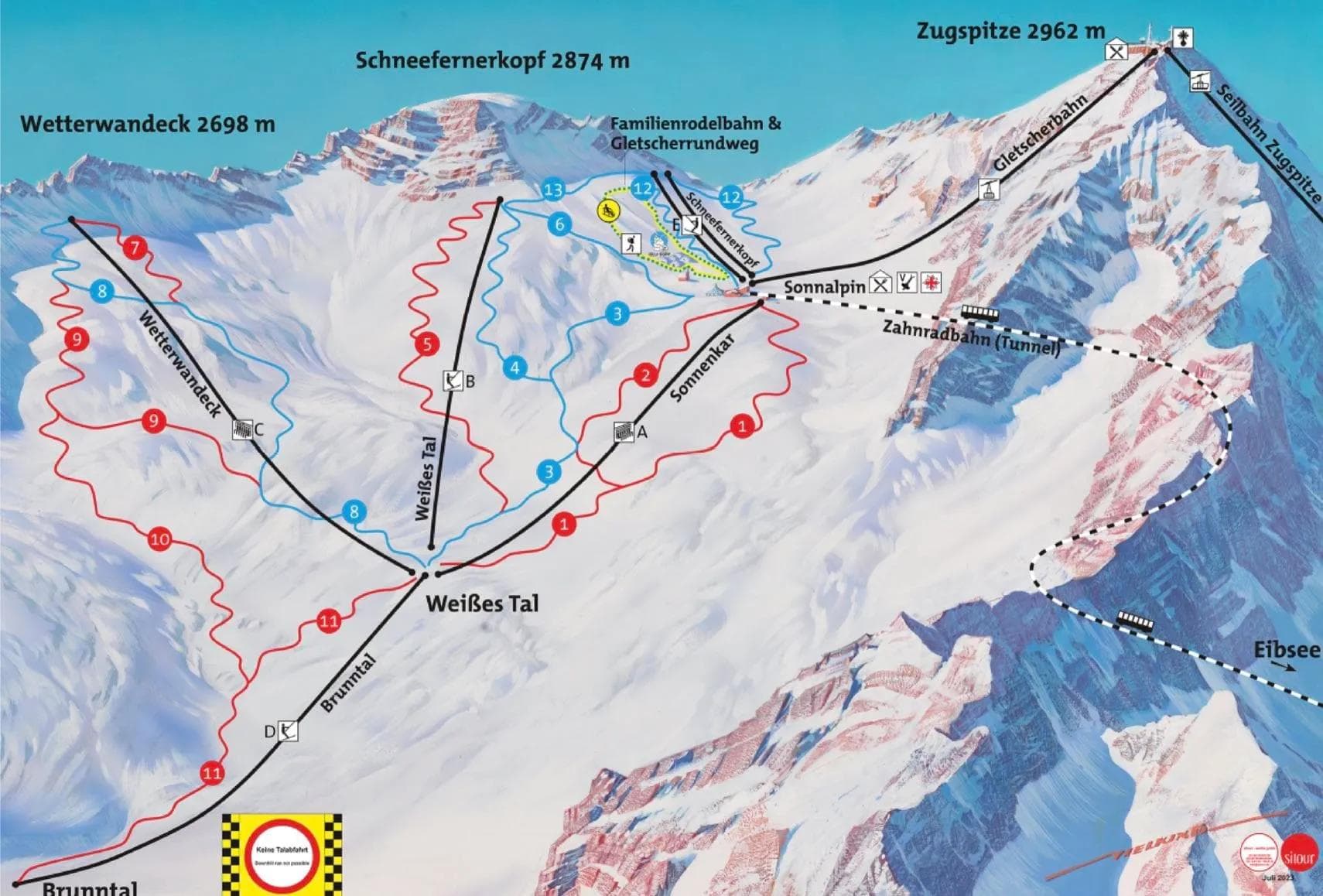
When the terrain itself is changing year on year, there is a point at which no amount of engineering will keep a lift running. That point has now been reached on the Zugspitze - which at 2,962 metres is Germany's highest peak, sitting along the border with Austria in the Wetterstein massif.