TL;DR
Bridger Bowl's early season closure due to low snowfall impacted hundreds of workers. The resort's board approved extra payouts to compensate, a rare move in the ski industry.
Bridger Bowl Supports Staff Through Early Season End
Bridger Bowl in Montana has made a significant gesture of support for its seasonal workforce after a historically dry winter forced the resort to close operations three weeks early. While low snowfall is a recurring challenge for many resorts globally, Bridger Bowl’s response – providing additional compensation to displaced employees – stands out, particularly given the precarious financial position many seasonal workers find themselves in.
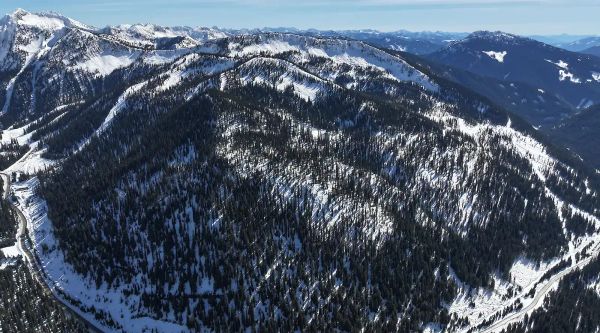
This year’s snowfall totalled just 138 inches, a stark contrast to the usual average of around 300 inches. The decision to close lifts was reportedly unavoidable given the combination of dangerously thin snowpack and unseasonably warm temperatures – hitting 70 degrees Fahrenheit. The impact on the resort’s 400-500 seasonal employees, who rely on this income, was considerable.
The Response: Beyond the Standard Bonus
Following the closure announcement, Bridger Bowl’s management proposed a plan to the board, requesting that seasonal employees receive their usual end-of-year bonus, plus an additional payment to offset lost wages. The board not only approved this proposal but reportedly encouraged management to increase the support further. This demonstrates a level of corporate responsibility that is rarely seen in the ski industry, where seasonal workers are often treated as expendable resources.
Employee Retention and the Importance of Staff
General Manager Hiram Towle highlighted the critical role played by the resort’s staff, crediting them as central to Bridger Bowl’s success. He also noted the high employee return rate, suggesting a positive working relationship – a factor that is often overlooked in the pursuit of maximising profits. It's a simple equation: treat your staff well, and they’re more likely to return and contribute to the resort’s long-term viability.