Alta Records Lowest Snowfall in History, is it a Troubling Trend
Published Date:
Categories
Alta's Historic Low Snowfall Signals a Larger Problem
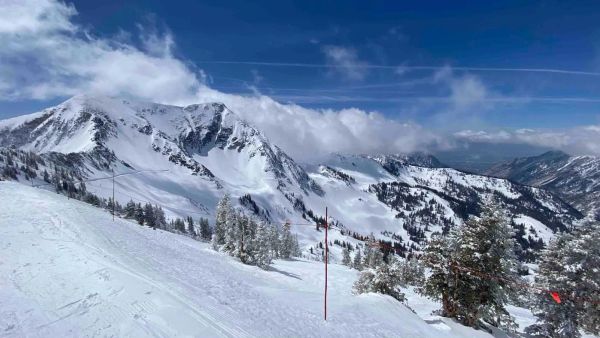
This past winter season has been a stark reminder of the challenges facing ski areas across the West. Alta Ski Area in Utah has just recorded its lowest snowfall total on record, with a paltry 321 inches measured for the 2025-26 season. This surpasses the previous low set in 2014-15 by a mere 2.5 inches, falling significantly short of the resort’s typical 548-inch average. While individual seasons fluctuate, this event underscores a concerning long-term trend.
Broader data reinforces this picture; Utah’s snowpack reached record lows, and similar conditions were observed in Colorado. It's not simply about one bad season; it's about a pattern that’s becoming increasingly difficult to ignore.
A Season of Delays and Early Closures
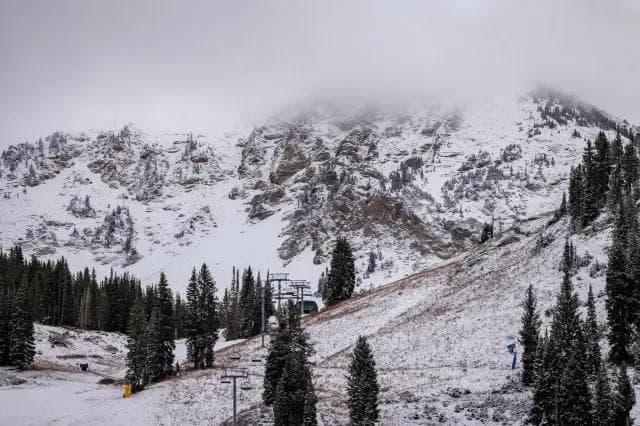
The 2025-26 season at Alta was marked by a delayed opening – December 5th – two weeks later than usual. A brief respite came with a 53-inch snowfall during Presidents’ Week, but a warm March forced the resort to close its lifts prematurely on April 26th. This early closure, coupled with the late start, resulted in a significantly reduced season length for skiers and riders.
Climate Change and Snowfall Volatility
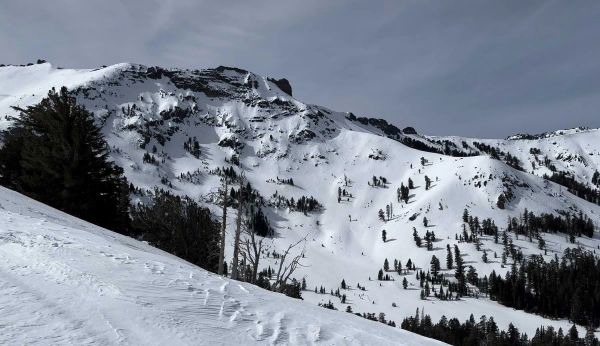
Experts attribute these trends to the effects of climate change. While the 2022-23 season saw an exceptional 903 inches of snowfall at Alta, scientists caution that such extreme fluctuations are becoming more common as global temperatures rise. Warmer temperatures can lead to rain instead of snow, and accelerate snowmelt, creating unstable conditions and ultimately reducing the overall snowpack. The variability itself is a problem – unpredictable conditions make planning and operations significantly more difficult for resorts.
Broader Implications for the West
The situation at Alta isn’t isolated. Across the West, states are grappling with record low snowpacks, impacting water resources and recreational opportunities. This isn't just a ski industry issue; it's a regional concern with far-reaching consequences.

What Does This Mean for Skiers?
Alta’s record low snowfall serves as a sobering reminder of the challenges facing the ski industry. While individual seasons will always vary, the long-term trend is clear: winters are becoming less predictable and, in many areas, delivering less snow. Anyone booking a trip to Alta, or any resort in the wider Mountain West, should be prepared for potentially variable conditions and consider the implications of climate change on snowpack.
It’s likely that resorts will need to adapt – investing in snowmaking technology, diversifying revenue streams, and potentially shortening seasons. As a skier, it’s worth considering the broader environmental context and supporting sustainable practices within the industry. The future of skiing depends on it.