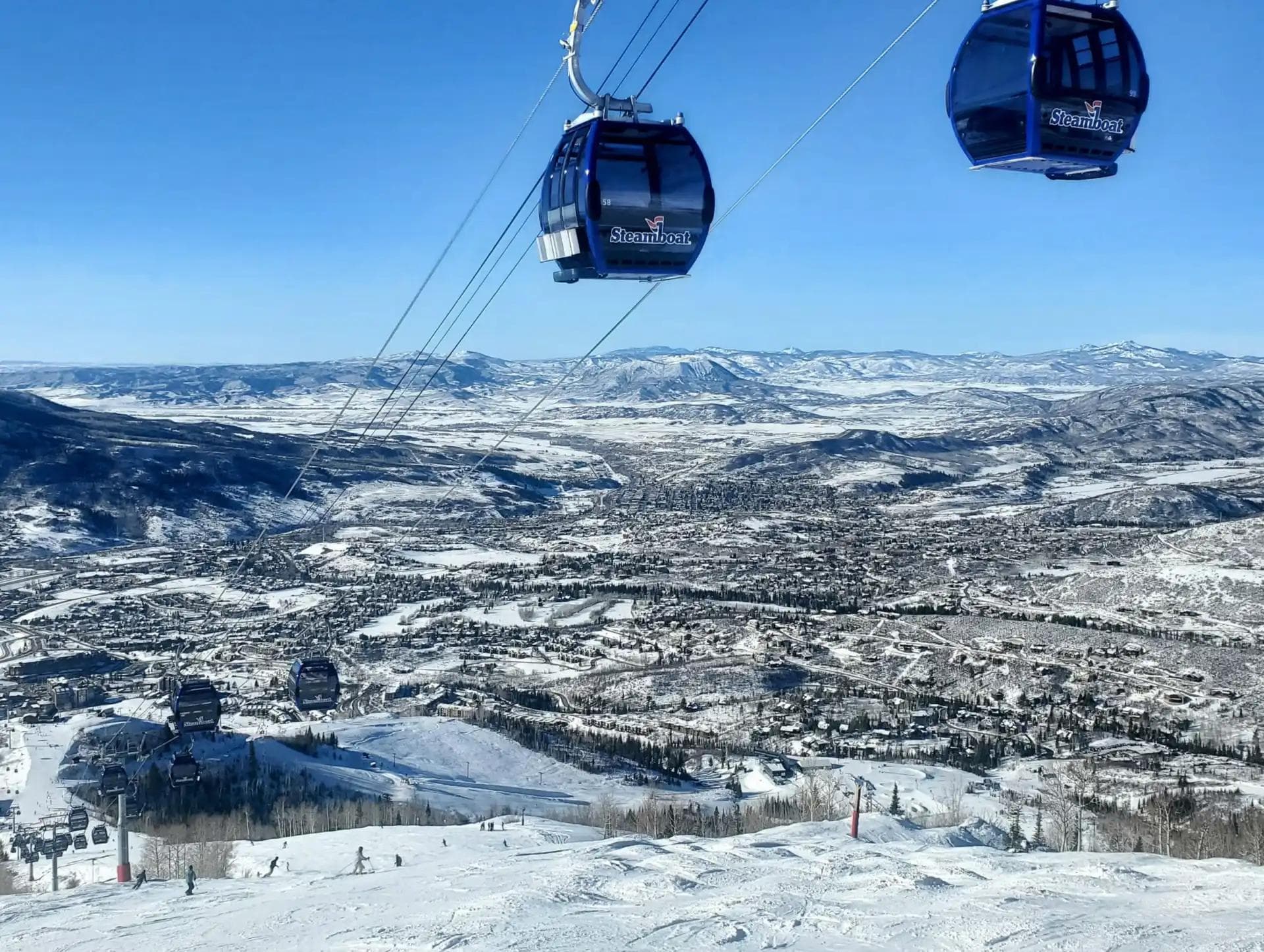
Champagne Powder is Steamboat's marketing phrase for its dry, light snow, trademarked and promoted extensively. The claim holds more validity than most resort superlatives - Steamboat's northwest position and storm patterns do produce consistently lighter snow than resorts closer to Denver, though whether it meaningfully differs from powder at other quality Colorado destinations remains debatable.
Who is Steamboat Best For
Steamboat suits intermediate and advancing skiers best. The 42% intermediate terrain provides extensive groomed options without feeling repetitive, while the 40% advanced rating offers progression opportunities. Strong intermediates will find weeks' worth of exploration across different aspects and snow conditions.
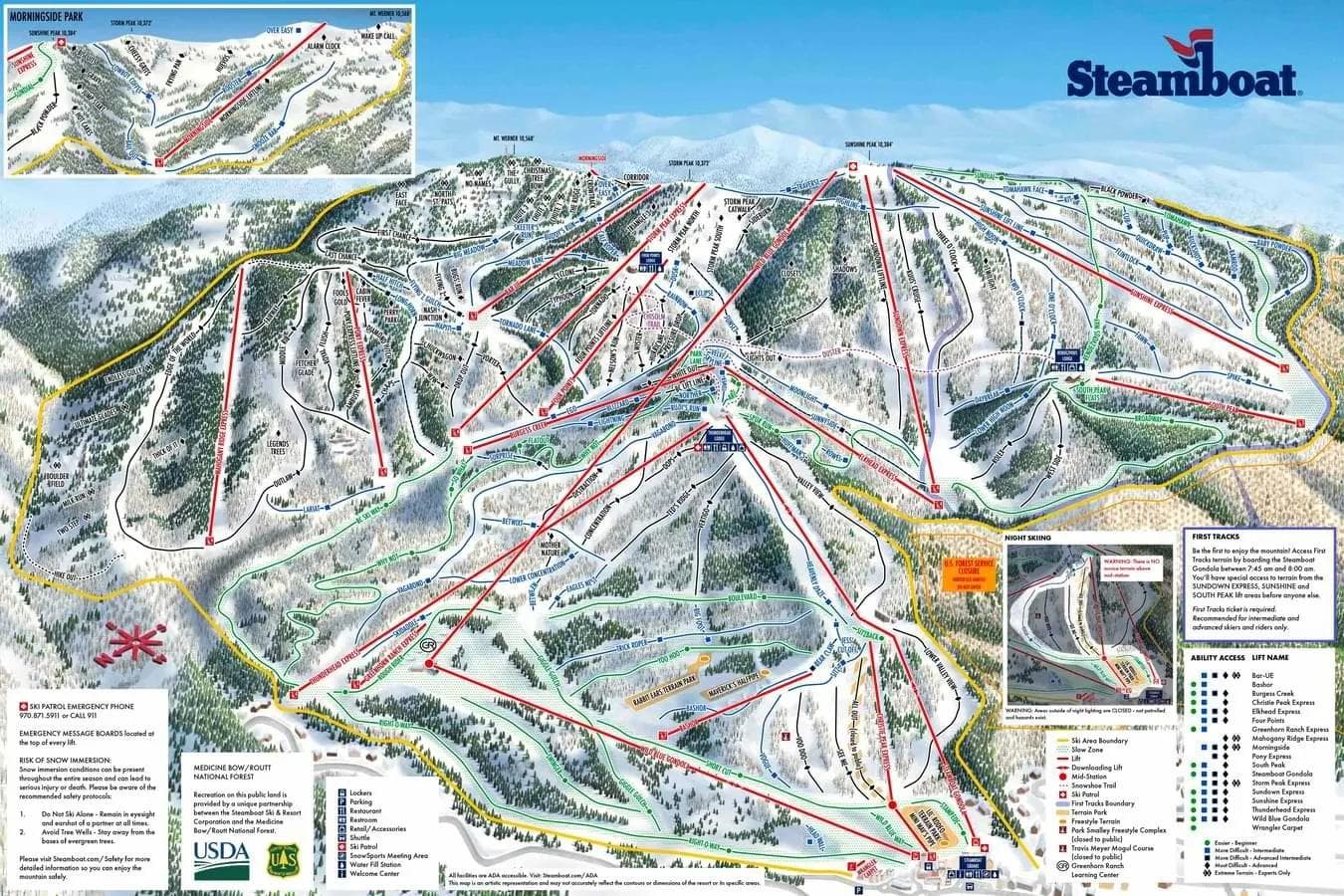
Advanced skiers get legitimate terrain, particularly in the trees and steeper sections of Morningside Park. The 4% expert designation translates to limited double-black options - enough for variety but not enough to anchor a trip if you're hunting extreme terrain exclusively. Expert skiers will exhaust the genuinely challenging runs within a day or two.
Families benefit from the 14% beginner allocation and the resort's slower pace compared to I-70 destinations. The town of Steamboat Springs operates as a functional community rather than a purpose-built resort village, which creates a different atmosphere - more authentic Western town, less European-style ski resort.
The distance from Denver filters crowds effectively. Steamboat sees significantly fewer lift queues than Vail or Breckenridge on peak weekends, though holiday periods still bring congestion. That trade-off - longer drive for shorter lift lines - defines the Steamboat value proposition.
Steamboat Snow & Season
The 8.13-metre annual average snowfall figure exceeds most Colorado resorts and stands as Steamboat's primary competitive advantage. Current season totals show 365.76cm accumulated with 88.9cm base depth and 10.16cm in the past week - solid mid-season conditions.
The 2025-26 season runs from November 23rd through April 5th, a standard Colorado window. Peak conditions typically arrive January through March when snowpack builds sufficiently to open all terrain zones. Early season can be marginal given the relatively low base elevation, while spring conditions vary considerably year to year.
Steamboat's northwest position in the Yampa Valley creates different storm patterns than Front Range resorts. Systems approaching from the Pacific drop moisture more consistently here, producing frequent snowfall rather than the boom-bust cycles affecting some Colorado destinations. The light, dry snow quality results from cold temperatures and the specific moisture content of these northwest storms.
Reality check: eight metres annual average means Steamboat gets proper snow, but individual seasons vary. Some years deliver well over nine metres, others drop below seven. The consistent storm frequency matters more than the annual average for trip planning.
Getting to Steamboat
Steamboat sits 157 miles from Denver - roughly three hours without traffic, longer during winter storms or holiday weekends. The route crosses two mountain passes: Berthoud Pass and Rabbit Ears Pass, both of which close periodically during heavy snow. Chain laws apply frequently, and the drive requires winter driving competence.
Yampa Valley Airport (HDN), 22 miles from the resort, operates seasonal direct flights from major cities during winter. Flight schedules concentrate around weekends, and fares typically run higher than Denver. The airport convenience trades off against limited flight options and premium pricing.
The distance discourages day trips from Denver, which fundamentally changes Steamboat's crowd dynamics. Most visitors commit to multi-day stays, creating steadier lift usage patterns rather than the weekend surge that clogs I-70 resorts. Whether that three-hour drive qualifies as worthwhile depends entirely on your tolerance for driving and your priorities around snow quality versus access convenience.
Steamboat Lift Tickets
Dynamic pricing ranges from $49 to $299 for adult day tickets - an enormous spread that rewards advance purchase and off-peak timing. That $299 peak price applies to holiday periods and premium weekends when purchasing at the window. The $49 rate requires booking well in advance for midweek dates.
Junior and senior tickets start at $36, children at $30, though these also scale up with dynamic pricing. The pricing structure punishes spontaneity and rewards planning, which aligns with Steamboat's positioning as a destination resort rather than a day-trip option.
Multi-day tickets reduce per-day costs substantially, and season passes through Ikon or Epic affect the calculation entirely for regular skiers. The dynamic pricing makes direct cost comparison difficult - budget $150-200 for a weekend day ticket purchased a few weeks ahead, significantly more for walk-up holiday purchases.
The Verdict on Steamboat
Steamboat delivers consistent snowfall and manageable crowds in exchange for additional driving time and limited expert terrain. The intermediate and advanced terrain justifies a multi-day trip if powder quality and crowd avoidance matter more than convenience. Full resort details, webcams, and trail maps are on the Snowstash resort page.
Full resort details, live webcams, and trail maps for Steamboat on Snowstash →