Who is Whistler Blackcomb Best For
This resort rewards intermediate skiers willing to spend multiple days exploring. The sheer acreage means you can ski a week and still find new runs, whilst the lift infrastructure allows efficient terrain coverage. Strong intermediates who enjoy cruising long groomed runs will find this near-ideal - runs like Harmony Ridge or Cruiser on Blackcomb deliver sustained vertical without technical demands.
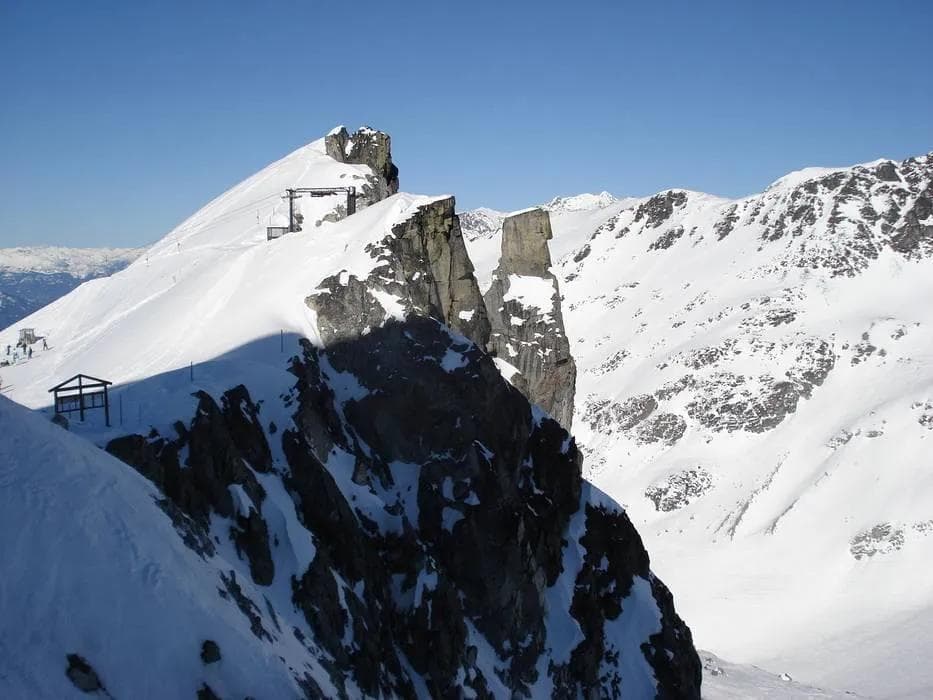
Advanced skiers need to look beyond the groomed motorways. The Whistler Peak chair accesses West Bowl and Whistler Bowl with legitimate steep terrain, whilst Blackcomb's Glacier Express serves double-black steeps and chutes. Expertise here means knowing the mountain - locals access substantial terrain that tourists miss entirely. The expert percentage looks modest on paper because the resort counts marked runs only.
Beginners face a counterintuitive situation: excellent infrastructure and dedicated learning areas, but overwhelming scale and expense. The Olympic Station base area provides protected beginner terrain, but a day ticket costs the same regardless of whether you use 5% of the mountain. Families with mixed abilities benefit from the terrain variety, though budgets require serious consideration.
Whistler Blackcomb Snow and Season
The season runs November through May - genuinely six months, not aspirational marketing dates. Early season depends on elevation: base areas at 675 metres sometimes require snowmaking, whilst alpine zones build coverage quickly. Mid-winter brings the maritime snow characteristic of coastal ranges: heavy, wet by Rockies standards, but substantial in volume. The 10.8-metre annual average arrives reliably.
Spring skiing represents particular value. April and May conditions often surpass mid-winter, with consolidated snowpack, extended daylight, and the Horstman Glacier maintaining coverage when lower elevations soften. The combination of latitude and elevation creates a longer effective season than many higher-altitude resorts. Current mid-mountain base of 239cm in season qualifies as excellent coverage.
Weather volatility comes with coastal proximity. Freezing levels can reach mid-mountain during warming trends, creating rain at base elevations. This happens several times per season - it's the trade-off for reliable snow volume. Check forecasts carefully and prioritise alpine lifts during marginal conditions.
Getting to Whistler Blackcomb
Vancouver International Airport sits 135 kilometres south via Highway 99, the Sea to Sky Highway. The drive takes 2-2.5 hours depending on conditions and traffic, with multiple shuttle services operating scheduled transfers (CA$70-90 return). Winter driving requires appropriate tyres and experience with mountain conditions - the highway includes sections with significant exposure and weather-dependent closures.
Whistler Village itself operates as a pedestrian zone with parkades for vehicles. Most accommodation sits within walking distance of lifts, eliminating daily driving. The village functions independently with supermarkets, medical facilities, and all standard amenities. This isn't a ski-in/ski-out situation for most properties - expect 5-15 minute walks to base areas.
No commercial airport serves Whistler directly. Vancouver represents the only realistic option for most international visitors, with road transfer as the standard connection. Some operators offer helicopter transfers (CA$600-800) for those prioritising time over cost.
Whistler Blackcomb Lift Tickets
Day tickets run CA$150 regular rate, CA$199 peak dates - amongst the continent's highest pricing. The resort operates dynamic pricing that rewards advance purchase: buying 7+ days ahead typically saves 20-30%. Multi-day tickets reduce per-day costs substantially. Children (7-12) pay CA$89 regardless, whilst under-7 ski free. Season passes operate through the Epic system with various tiers and blackout structures.
The pricing reflects infrastructure scale and operating costs in a purpose-built resort town. Whether it represents value depends entirely on your skiing ability and efficiency. Strong skiers who maximise vertical and terrain coverage get relative value; tentative intermediates who ski half-days and stay on groomed runs might question the expense. Food, accommodation, and ancillary costs in Whistler Village follow similar premium positioning.
Epic pass holders should note that Whistler operates as a premium destination within that system, sometimes requiring reservations during peak periods. The pass economics favour those skiing multiple resorts rather than Whistler-exclusive trips.
The Verdict on Whistler Blackcomb
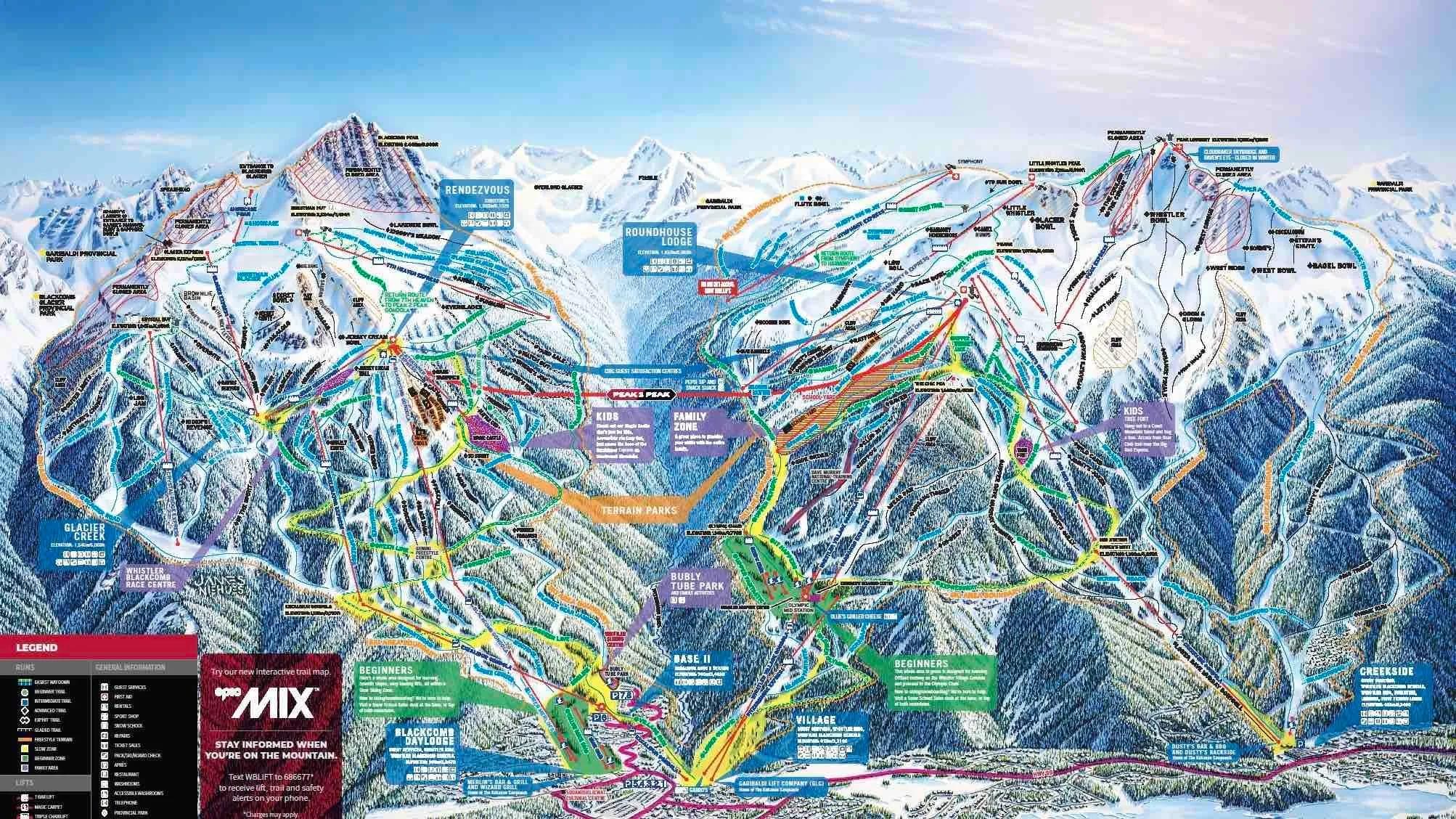
The scale is legitimate - this genuinely ranks among the continent's largest ski operations with infrastructure and terrain to match. Whether that justifies the pricing depends on your priorities: strong skiers spending multiple days will find value, whilst casual visitors might find the expense disproportionate. The reliability of a long season and substantial terrain variety represent genuine advantages over smaller operations. Full resort details, webcams, and trail maps are on the Snowstash resort page.
Full resort details, live webcams, and trail maps for Whistler Blackcomb on Snowstash →