Who is Treble Cone Best For
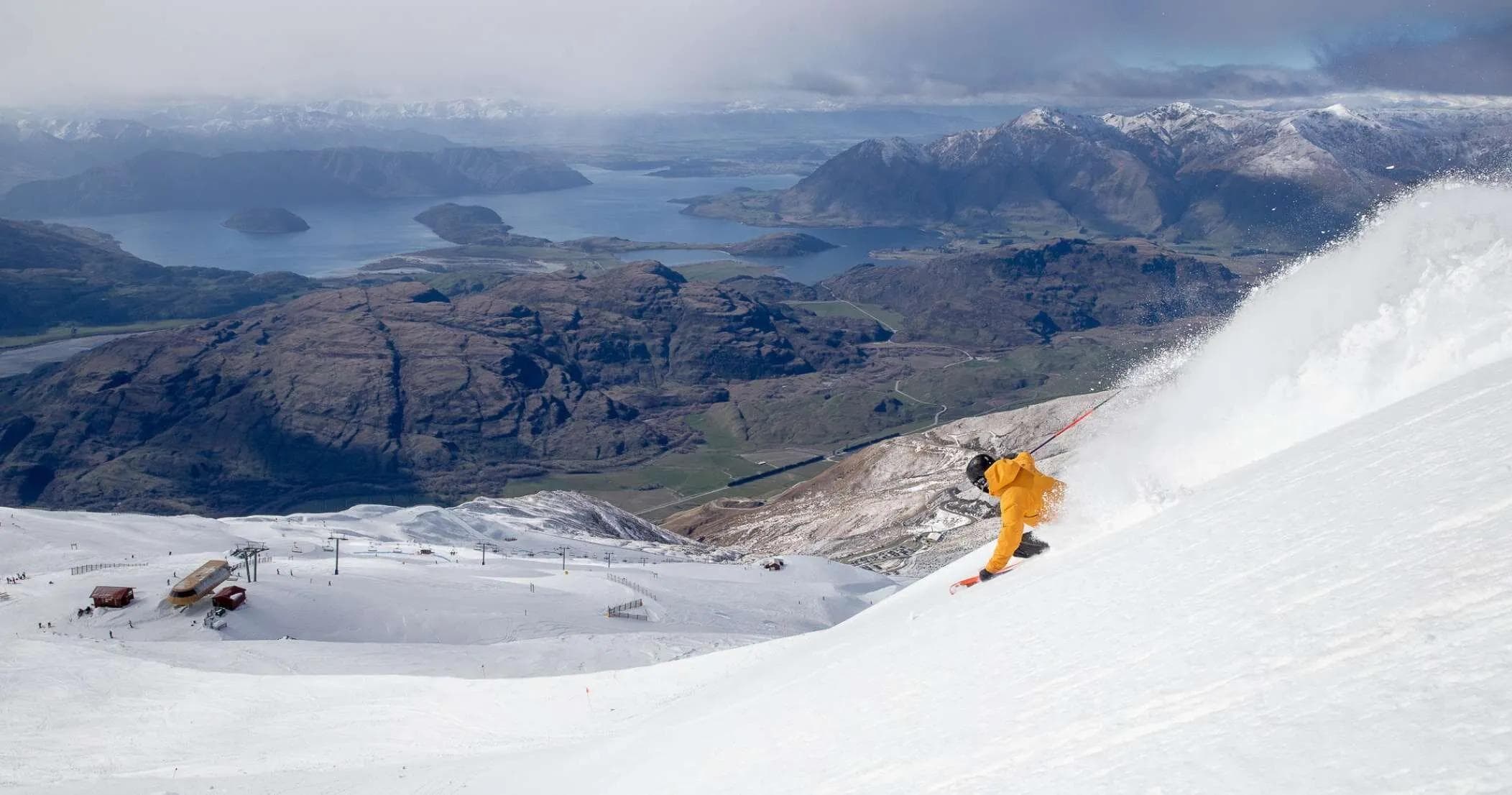
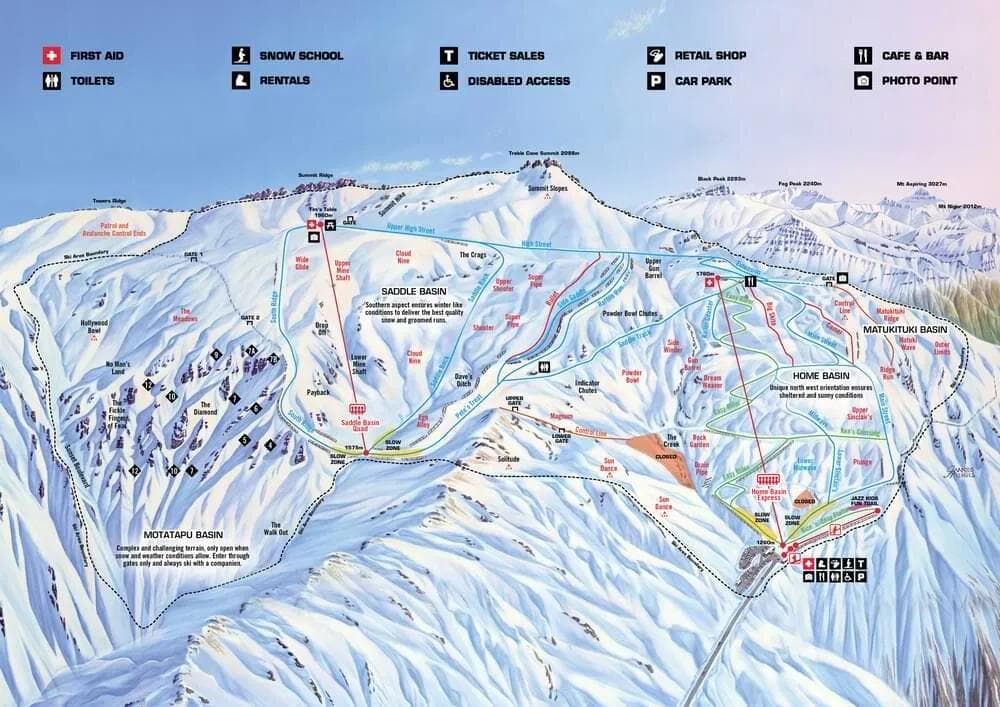
This is explicitly a strong intermediate to expert skier's mountain. If you're comfortable on groomed blacks and want to progress into off-piste skiing or chute work, Treble Cone offers that progression without the full commitment of pure backcountry touring. The Motatapu Chutes and Saddle Basin provide genuine steep terrain that requires confident technique.
Beginners will find the dedicated learner area functional but limiting - once you've outgrown it, the jump to the wider mountain is significant. Timid intermediates may struggle with the exposure and variable snow surfaces across much of the terrain. Families with mixed abilities might find the terrain distribution creates logistical challenges.
Advanced skiers who prefer groomed cruising over technical off-piste work should look elsewhere - there's not enough manicured terrain to justify the drive. But if you're specifically seeking ungroomed faces, natural features, and variable conditions that force you to read terrain, Treble Cone delivers that brief better than most developed resorts.
Treble Cone Snow & Season
The 3-metre annual average sits below the northern hemisphere's major powder destinations, but maritime snow cycles mean fresh snow events are frequent even if individual dumps aren't massive. The exposure creates wind-affected snow surfaces more often than resorts with tree protection - expect sastrugi, wind board, and variable textures.
The 2026 season runs from late June through late September, a standard three-month window for New Zealand operations. Spring skiing in September can offer excellent corn snow conditions when temperatures cooperate, but the lower base elevation means the margin for error is slim. Early season snowpack development is critical - a slow start can significantly reduce the viable terrain.
The current 84cm season total through mid-season is workable but not abundant. The exposed upper mountain holds snow better than the lower slopes, where sun exposure and temperature fluctuations have more impact. Check recent snowfall reports before committing to the drive from Wānaka.
Getting to Treble Cone
The access road climbs 30 kilometres from Wānaka township, gaining over 1,000 vertical metres through a series of switchbacks. Budget 45 minutes minimum, longer in poor conditions. The road is sealed but exposed to weather - chains are mandatory in winter conditions and the road closes during heavy snow or high winds.
Queenstown Airport sits 70 kilometres away with regular international connections, whilst Wānaka Airport handles domestic traffic only. Most visitors base themselves in Wānaka, where accommodation and facilities are more developed than at the mountain itself. There's no on-mountain lodging - you're driving up daily.
The car park sits at the base area with no village infrastructure beyond the day lodge. This is a true ski field rather than a resort development, which means limited food options and no evening activities at the mountain.
Treble Cone Lift Tickets
Standard adult day tickets run NZ$112, jumping to NZ$160 during peak periods - a significant premium. Youth tickets at NZ$70 offer better value, whilst the NZ$20 senior rate is exceptionally low. At current exchange rates, that peak price sits around US$95, which places Treble Cone in mid-range territory globally but expensive within New Zealand's domestic market.
The peak pricing applies during school holidays and powder days, exactly when you'd most want to ski. Multi-day passes reduce the daily rate, but you're still paying premium prices for a four-lift operation. The question is whether the terrain quality justifies the cost.
The Verdict on Treble Cone
Treble Cone delivers what it promises - steep, technical terrain with minimal grooming and significant vertical for a Southern Hemisphere resort. The trade-off is limited beginner terrain, exposure to weather closures, and pricing that assumes you're there specifically for the advanced offerings. If ungroomed faces and natural features are your priority, those compromises make sense. Full resort details, webcams, and trail maps are on the Snowstash resort page.
Full resort details, live webcams, and trail maps for Treble Cone on Snowstash →