
Treble Cone
Ski 550 hectares with 700m of vertical above Lake Wānaka, featuring legendary off-piste terrain and NZ's longest groomed runs.
Season 2026
Opens
27 June 2026
Closes
27 Sept 2026
Days open
92
Annual snow
3m
The Overview
Michael Fulton
Melbourne-based skier and snowboarder with 50+ resorts across 5 continents. Specialises in Australian resorts and international resort comparisons.
Treble Cone is the South Island's joint-largest ski area at 550 hectares, set high above Lake Wānaka with the longest vertical drop in the Southern Lakes region at 700 metres. The ski field spans 1,260m to 1,960m across four distinct basins — Home, Saddle, Matukituki and Summit Slopes — with 40 runs graded 10% beginner, 45% intermediate, 30% advanced and 15% expert. The longest groomed run stretches over 4km, delivering some of the most sustained descents available at any New Zealand resort.
The mountain's reputation is built on its off-piste and freeride terrain, particularly in Saddle Basin and the Motatapu Chutes — patrolled inbounds zones that offer challenging natural halfpipes, rocky chutes, cliff drops and open powder faces within the secured ski area boundary. The quality of this terrain has drawn international recognition: the Austrian national ski team has used Treble Cone as an off-season training base, and the resort has been voted New Zealand's best ski area at the World Ski Awards.
For intermediate skiers, the long groomed trails off both the Home Basin and Saddle Basin chairlifts deliver leg-burning vertical with consistent pitch and wide fall lines. The transition between groomed and ungroomed terrain is well suited to riders looking to progress into off-piste skiing, with natural features that build confidence without committing to full expert lines.
Treble Cone is the sister resort to Cardrona, both operated by RealNZ. A combined dual-mountain pass covers both resorts, giving access to over 1,100 hectares of terrain across two distinctly different mountains — Treble Cone's steep, natural terrain and Cardrona's wide groomed slopes and terrain parks.
700m
Vertical
40
Runs
1,359 acres
Skiable
3m
Annual snow
The Terrain
40 runs across 1,359 acres skiable
Treble Cone is one of the larger ski areas in the South Island, covering about 550 hectares above the Matukituki Valley near Wanaka. The mountain rises from 1,260 to 1,960 metres, a 700-metre vertical, with 40 runs split 10% beginner, 45% intermediate, 30% advanced and 15% expert. That is a heavily advanced-leaning profile, and it shows in the terrain: four named basins, steep sidewalls and an alpine feel from the first chair. A quad and a six-seat chair move most skiers uphill, supported by two surface lifts, so the main pitches are quickly reached.
Home Basin holds the base area and the gentlest slopes. Saddle Basin has steeper terrain with natural half-pipes and wind lips, including High Street and Bullet. Motatapu Basin and the Motatapu Chutes provide the expert-only terrain, classic narrow, rock-sided couloirs inside a patrolled boundary. Matukituki Basin completes the layout with more big-mountain options. Treble Cone suits strong intermediates, advanced skiers and experts who want challenge and proper vertical, and those ready for the chutes should go with local knowledge. Beginners have only a small share of the mountain, so families with first-timers may prefer elsewhere.
Terrain split
40
runs
40 runs across 4 grades
Beginner4 runs · 10%
Intermediate18 runs · 45%
Advanced12 runs · 30%
Expert6 runs · 15%
Time it right
When to visit Treble Cone
Treble Cone operates from late June through to late September, with the 2026 season running from 27 June to 27 September — a shorter window than neighbouring Cardrona and the Queenstown resorts, reflecting the resort's more limited snowmaking infrastructure and greater reliance on natural snowfall.
Average annual snowfall is 3 metres, and the resort's higher elevation and varied aspects — including south-facing slopes in Saddle Basin that hold snow well — deliver reliable conditions through the core of the season. The 30 snowmaking guns cover key groomed runs in Home Basin, ensuring the main intermediate terrain maintains consistent coverage even during dry spells.
The most dependable snow window runs from mid-July through August, when base depths are typically at their peak and Saddle Basin's off-piste terrain is at its best. Fresh snowfall events during this period can produce exceptional powder days, and the capped ticket sales mean untracked lines persist longer than at busier resorts in the region.
September brings spring conditions with warmer temperatures, softer afternoon snow and smaller crowds. The views from the upper mountain — across Lake Wānaka to Mount Aspiring/Tititea and the peaks of the Southern Alps — are particularly striking in the clear spring light, and the base-lodge deck becomes a popular spot for extended lunches in the sun.
Season 2026
27 June 2026
Opens
27 Sept 2026
Closes
92
Days open
3 m
Annual snow
Getting there
Getting to Treble Cone, and where to stay
Treble Cone is the closest ski area to Wānaka, located just 30 minutes' drive from town via Wānaka–Mount Aspiring Road and the 7km Treble Cone Access Road. The access road is unsealed and can require chains in heavy snowfall; a free shuttle service operates from the bottom of the mountain road to the base area for those who prefer not to drive the final section.
From Queenstown, the drive takes approximately 90 minutes via the Crown Range or the longer but lower-altitude route through Cromwell. Daily shuttle bus services operate from both Wānaka and Queenstown to the mountain. The resort also serves as an access point for backcountry skiing and ski touring in the surrounding ranges, with Aspiring Guides operating guided backcountry tours from the ski area and a discounted backcountry access lift pass available for touring skiers.
Queenstown Airport is the nearest international gateway, roughly one hour from Wānaka, with domestic flights from Auckland, Wellington and Christchurch and direct services from Australian east-coast cities. Wānaka Airport handles regional connections and is 30 minutes from the resort.
The base lodge at 1,260m houses a café, licensed restaurant, rental department, retail shop and medical centre. Treble Cone is also home to the Aspiring Avalanche Dogs, a non-profit charity providing avalanche search-and-rescue dog teams across the Southern Lakes ski areas and backcountry — a reflection of the resort's deep roots in New Zealand's alpine and freeride community.
Where to stay
Search all stays →Hotels and lodges near Treble Cone, powered by Stay22.
Latest News
From the SnowStash desk

Europe Ski Resorts Open Now: What Is Skiable in Mid-October 2026
Europe’s ski season is open, technically. After a record-warm summer, glaciers in Austria, Switzerland and Italy are running a few pistes apiece, Sölden, Stubai and Kitzsteinhorn started late, Titlis has pushed back to 24 October, and Zermatt reopens a few lifts on 14 October after more than two months shut. Finland’s Levi and Ruka are skiing on stored snow. Here is what is open, and what you actually get at each.
14 Oct 2026

Zermatt Plans World Cup Downhill Return on the Gornergrat for 2028
Zermatt is having another crack at a World Cup downhill, and this time nobody has to cross a border. Around 13 million Swiss francs is going into rebuilding the Gornergrat piste, including a jump fed by a roughly 300-metre in-run across the roof of the Gornergrat Railway gallery, with the Matterhorn lined up behind it for the TV cameras. First men’s race is pencilled in for March 2028, pending FIS homologation.
14 Oct 2026

Mt. Rose Begins Snowmaking for the 2026-27 Season at Lake Tahoe
Lake Tahoe’s highest base elevation is paying off early: Mt. Rose has started making snow for 2026-27 after the first flurries and a cold snap. The Nevada resort is backing it with nearly US$2 million in upgrades, including a replacement snowmaking main line, a new PistenBully groomer and restraint bars on every lift. Opening day is yet to be confirmed, though Heavenly and Northstar are already eyeing 20 November.
13 Oct 2026

Utah Ski Resorts 2026-27: What’s New at Alta, Deer Valley, Powder Mountain and More
Utah is still building flat out. For 2026-27, Powder Mountain opens a steep new Skytrac chair into more than 1,000 acres of advanced terrain, Deer Valley adds 200 acres on Hail Peak, Sundance gets a new quad and Park City adds a gondola from its new parking structure. Snowmaking is expanding almost everywhere, Eagle Point stays closed after the Cottonwood Fire, and the 2034 Games are setting the pace. Here’s what’s new, resort by resort.
13 Oct 2026

Mt Hutt Invests NZ$12 Million in Base Area, Tripling Its Sun Deck
Mt Hutt is getting busier, and its base lodge is about to catch up. NZ$12 million goes into a heated sun deck roughly three times the current size (430 m² to 1,300 m²), plus a new toilet block, heated steps down to snow level, extra storage and a new food and beverage outlet. Building starts after the 2026 season, with everything due for winter 2027.
11 Oct 2026

Vermont Ski Resort Opening Dates 2026-27: Few Dates Set, Killington Waits on the Cold
Vermont's season is slow to take shape. Stratton is tentatively targeting 18 November and Sugarbush 21 November, while Pico has Friday 11 December on the calendar. Killington never sets a date and opens when the snowmaking allows, and Vail Resorts has yet to name days for Stowe, Okemo and Mount Snow. The forecasts disagree about snow, and the main El Niño worry for the Green Mountains is warmth.
9 Oct 2026
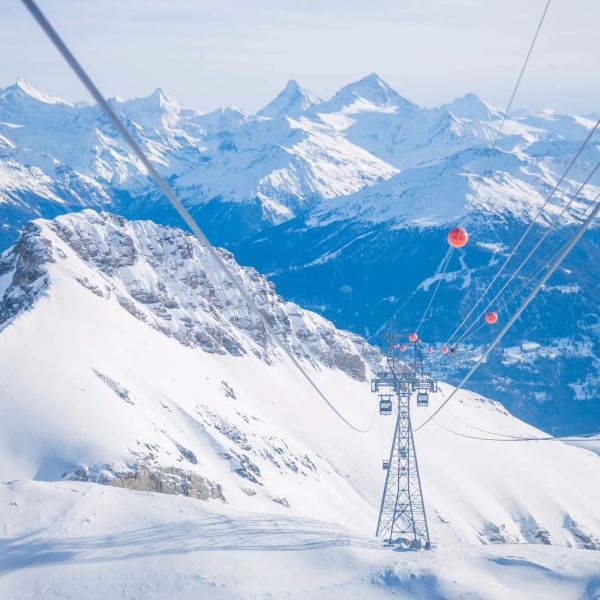
Crans-Montana 2027 World Championships President Resigns Ahead of Fraud Hearing
Less than four months out from the Crans-Montana 2027 World Championships, the man running the organising committee has stepped down. Claude-Alain Schmidhalter resigned as Swiss-Ski vice president and OC president after being indicted over a business dispute unrelated to skiing. He denies the allegations and faces court on October 27. Interim leaders are in place for the February 1-14 event.
9 Oct 2026
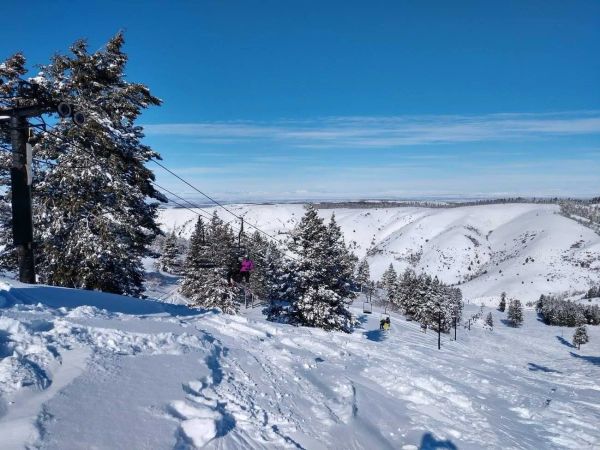
Kelly Canyon, Idaho, Adds Snowmaking, a Bigger Terrain Park and More Parking for 2026-27
Kelly Canyon had a rough 2025-26, and the Idaho resort has spent the summer making sure it doesn’t repeat. Snowmaking now reaches the top of Goldrush, the terrain park is doubling in size with a stereo system, lights and a snack shack, and the car park is getting bigger. Grooming is stepping up too. Target opening is December 4, conditions permitting.
9 Oct 2026