ORDA's board has approved $15.9 million in capital funding for its three state-owned ski areas, with the bulk directed at snowmaking infrastructure. The allocation continues a decade-long pattern of public investment in New York's ski mountains, though the recurring focus on basic infrastructure raises questions about maintenance backlogs.
State Funding Flow Continues to New York Ski Areas
The New York State Olympic Regional Development Authority approved another $15.9 million in capital spending on 20 February, split across its three ski areas: Whiteface, Gore, and Belleayre. Add in roughly $1.6 million for conveyor lifts at two of those mountains, and you're looking at $17.5 million in public funds heading into what amounts to ongoing maintenance and incremental upgrades.
The allocation follows a familiar pattern. ORDA has been cycling state money into these properties for years, with snowmaking infrastructure serving as the perennial centrepiece. Whiteface gets $6 million, Gore receives $5.43 million, and Belleayre takes $4 million. The board approved the spending at its February meeting, and implementation is expected to roll out in coming months.
For context, this isn't unusual for publicly owned ski areas in the Northeast. State-run operations from Vermont to New Hampshire have accessed public capital for infrastructure work, and ORDA's funding pipeline has been particularly consistent over the past decade. Whether that reflects smart regional economic investment or an implicit acknowledgement that these properties can't self-fund necessary improvements is a question worth asking.
The money goes primarily toward snowmaking systems, electrical upgrades, and trail work—three categories that tend to blur together in modern ski area capital projects. Snowmaking guns need power, power lines follow trails, and you're generally digging up the same ground regardless. Eastern ski areas live or die by their ability to make snow reliably and recover quickly from rain events, so the focus isn't surprising. What's worth noting is that after years of similar investments, these facilities still require multi-million-dollar allocations for what are essentially operational necessities.
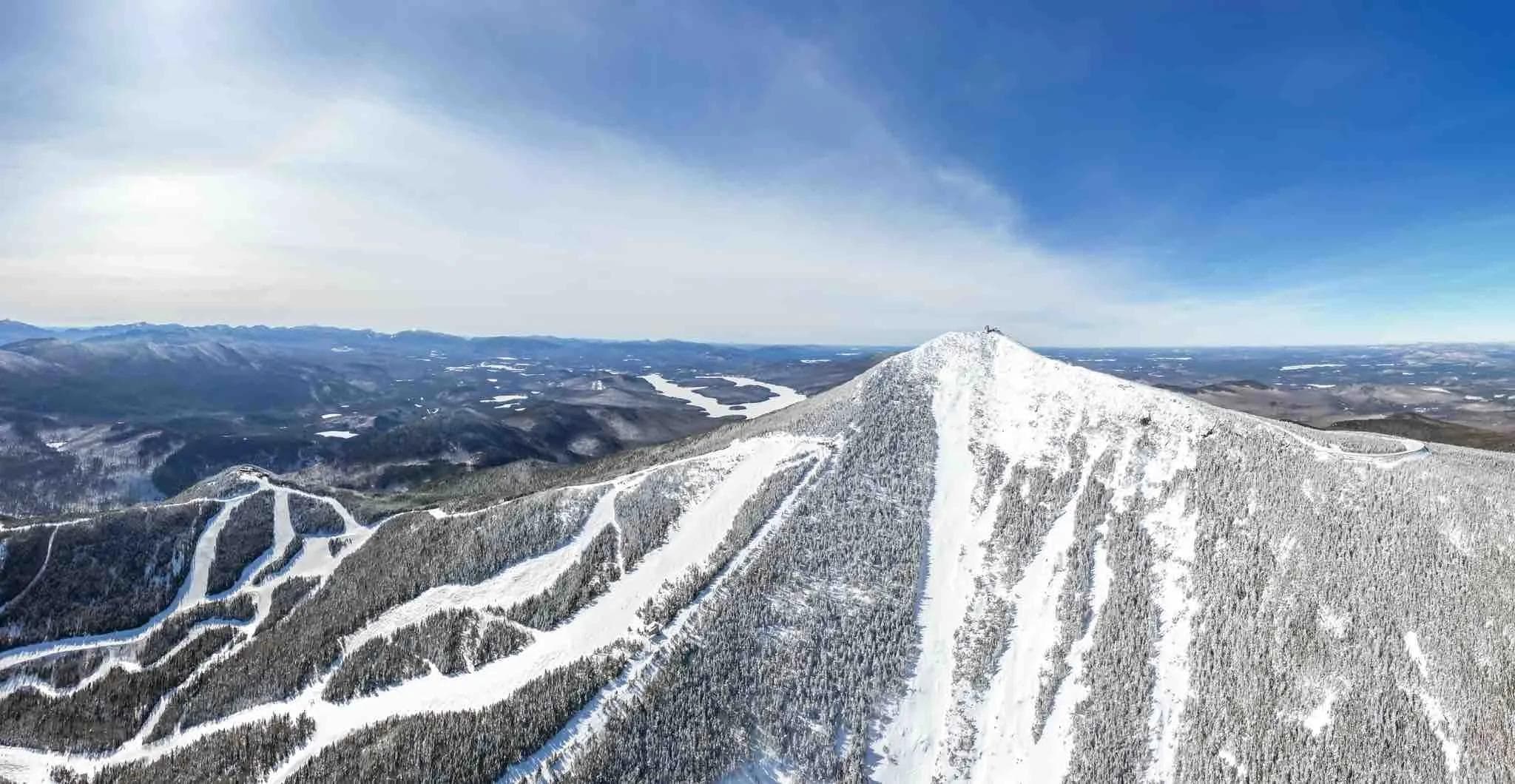
Whiteface, with its 3,430-foot vertical and Olympic legacy, receives the largest share. The mountain hosted alpine events at the 1980 Winter Olympics and maintains competition infrastructure that demands higher standards—and higher costs—than purely recreational facilities. Whether the broader skiing public benefits proportionally from that Olympic pedigree is debatable, but it does create political cover for continued state investment.
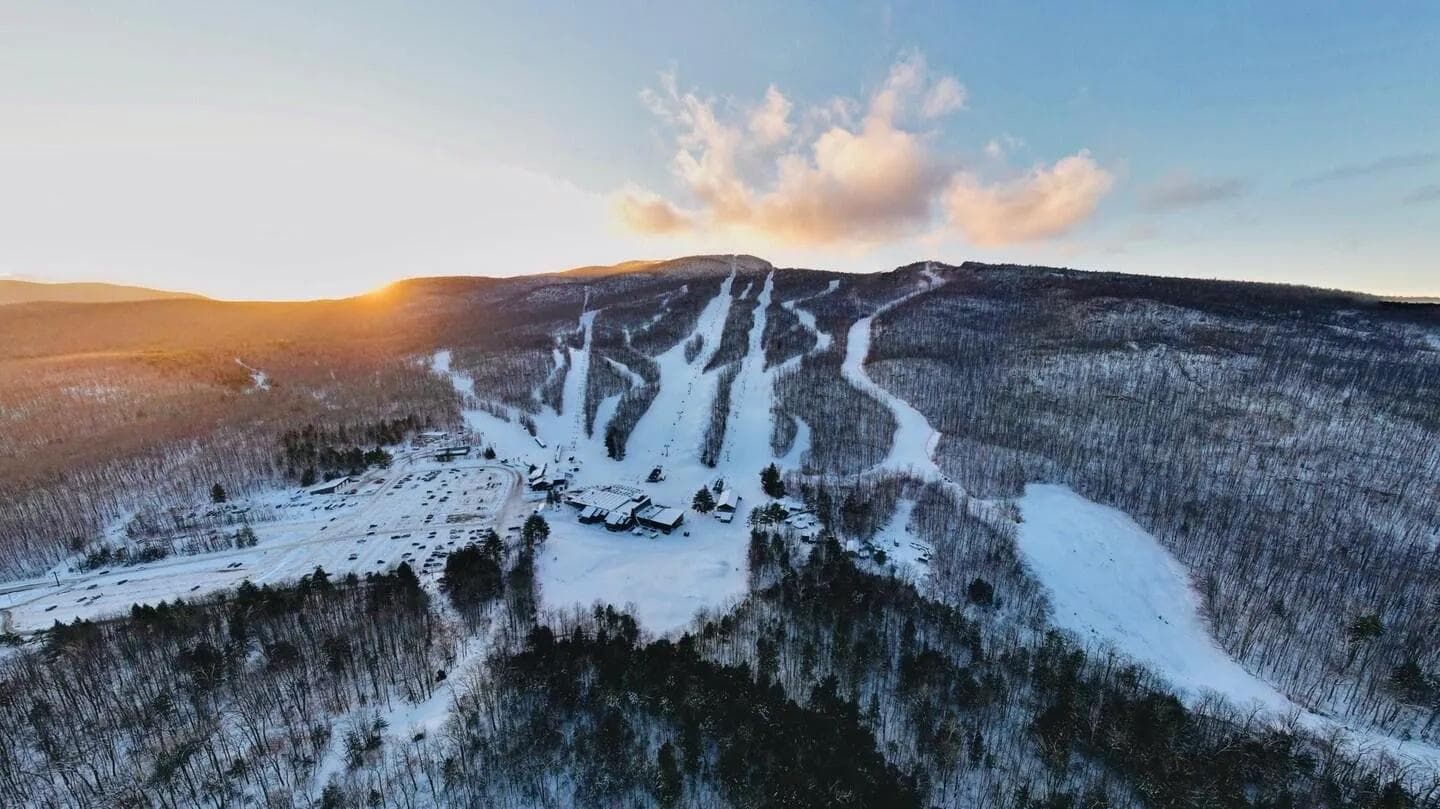
Gore's $5.43 million allocation, plus the conveyor work, reflects the mountain's recent expansion trajectory. ORDA has positioned Gore as New York's largest ski area by acreage, though spreading terrain across multiple peaks doesn't necessarily translate to a better skiing experience if snowmaking, grooming, and lift capacity don't scale accordingly. The decision to relocate an existing conveyor to the North Creek Ski Bowl—a separate base area that Gore absorbed—suggests ongoing work to integrate that expansion rather than simply maintaining what already existed.
Belleayre's $4 million serves a different role. Located in the Catskills and closest to New York City, it functions as a day-trip destination for the metropolitan area. The combination of snowmaking upgrades and a new conveyor system points toward the beginner and family market, where magic carpets have become table stakes. Whether $4 million is appropriate for a mountain of Belleayre's size and visitation depends entirely on whether this addresses genuine infrastructure deficits or simply keeps pace with deferred maintenance.
The conveyor lift spending—separate from the main capital package—totals approximately $1.6 million across Gore and Belleayre. Conveyor lifts are relatively inexpensive compared to chairlifts, so that figure suggests either replacing multiple units or bundling installation and site work into the total.
The summit of Whiteface mountain resort in New York.
ORDA's sustained access to state funding is both an advantage and a signal. On one hand, consistent capital investment allows for systematic infrastructure improvements that privately owned areas often struggle to fund. On the other, the recurring need for multi-million-dollar injections raises questions about whether operational revenues at these properties cover actual operating costs, let alone capital expenditure.
Publicly owned ski areas in North America occupy an odd position. They're expected to generate economic activity for surrounding regions while also operating as financially sustainable entities, two goals that don't always align. ORDA's mountains serve as regional employers and tourism anchors for the Adirondacks and Catskills, which provides political justification for continued state support. Whether that translates to good value for New York taxpayers depends on metrics that rarely appear in ORDA board resolutions.
For skiers and riders, the practical outcome is straightforward: these mountains will have improved snowmaking and basic infrastructure heading into future seasons. That's a tangible benefit, assuming the work is executed competently and doesn't simply patch over deeper operational issues. The concern would be if this cycle of state funding becomes a permanent requirement rather than a transitional phase toward self-sustaining operations.
ORDA officials have indicated this $15.9 million sits within a longer capital plan, with further investment anticipated in coming years. That language suggests the work continues indefinitely, which is either responsible long-term planning or an indication that the infrastructure backlog at these properties exceeds what any single allocation can address.
The broader ski industry context is worth noting. Across the Northeast, consolidation has placed most significant ski areas under corporate ownership, with capital investment driven by private equity timelines and return expectations. ORDA's state-backed model offers an alternative, though whether it's a better one for skiers, taxpayers, or the regions these mountains serve remains an open question. For now, the money flows, the snowguns get upgraded, and the work continues.