TL;DR
Vail Resorts has created tax-free pass options for New Hampshire residents after the state attorney general launched an investigation into sales tax charges in a state with no sales tax. The company now offers New Hampshire-only passes without tax, though its flagship Epic Pass products remain excluded from the arrangement.
Vail Resorts Offers Tax-Free Passes After Legal Pressure
Vail Resorts has introduced tax-free pass options limited to its four New Hampshire mountains after the state attorney general opened an investigation into the company's practice of charging sales tax in a state without one. The move represents a partial retreat from the company's initial position that it needed to maintain the tax charges, though the adjustment only applies to select passes and doesn't resolve the underlying legal questions.
How the Tax Dispute Unfolded
New Hampshire has no sales tax, which makes Vail's decision to apply it to Epic Pass products legally questionable at best. When the attorney general's office launched its investigation, Vail initially defended the practice before announcing this week that it would offer alternatives.
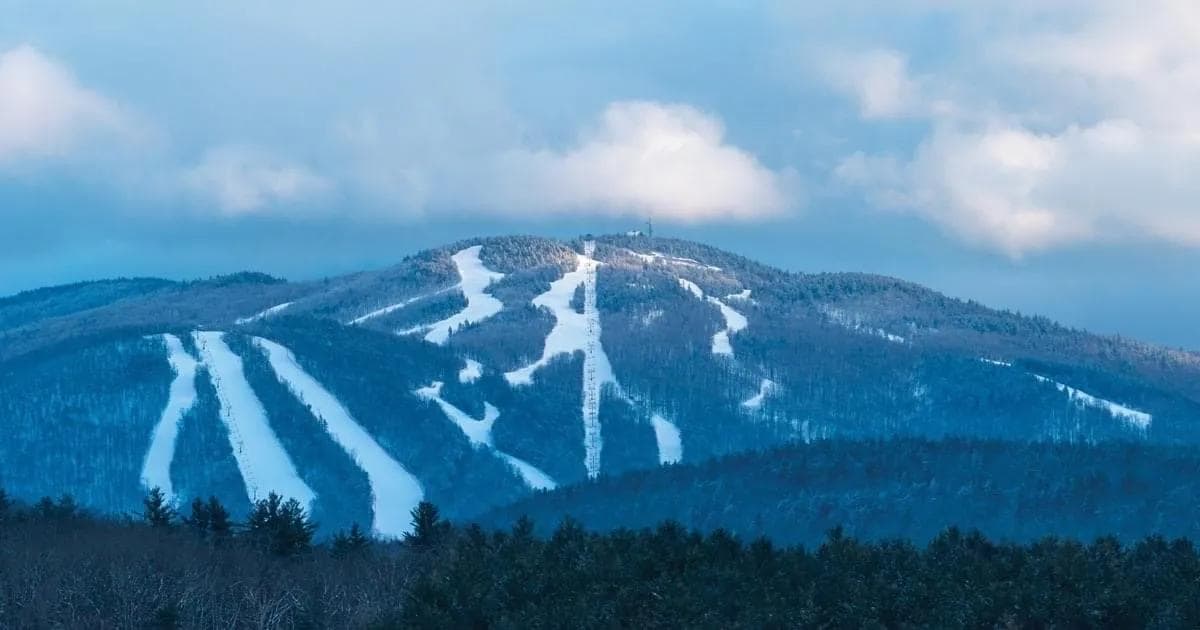
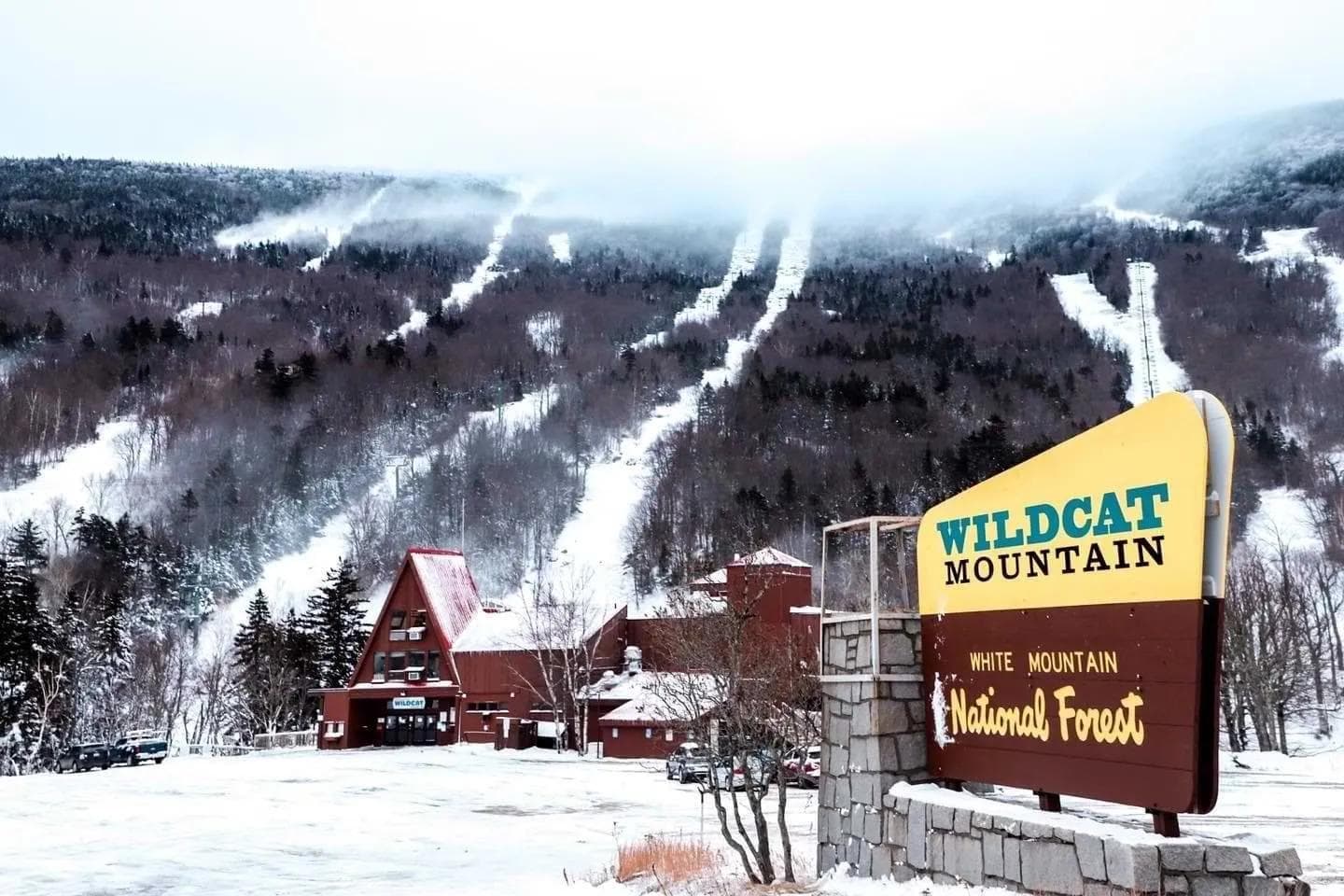
The company's solution targets skiers who only want access to its New Hampshire properties - Attitash Mountain, Wildcat, Mount Sunapee, and Crotched Mountain. By limiting pass access to these four areas, buyers can now avoid the tax charge that the state considers unlawful.
Which Passes Qualify
The tax-free option applies to four pass products:- Northeast Value Pass: $662 for adults, $497 for teens, young adults and seniors, $425 for children- Northeast Midweek Pass: $497 for adults, $367 for seniors- Epic Military Pass: starting at $215- Epic Day Pass (local resort access): from $46 per dayNotably absent from this list are the Epic Pass and Epic Local Pass - the company's flagship multi-resort products. Anyone purchasing those passes still pays tax, regardless of whether they only ski in New Hampshire. This matters because those passes represent Vail's core season pass business.