South Tyrol's Südtirol Skiarena Expands to 18 Resorts with Year-Round Access
Published Date:
South Tyrol Consolidates Regional Ski Network Under New Year-Round Model
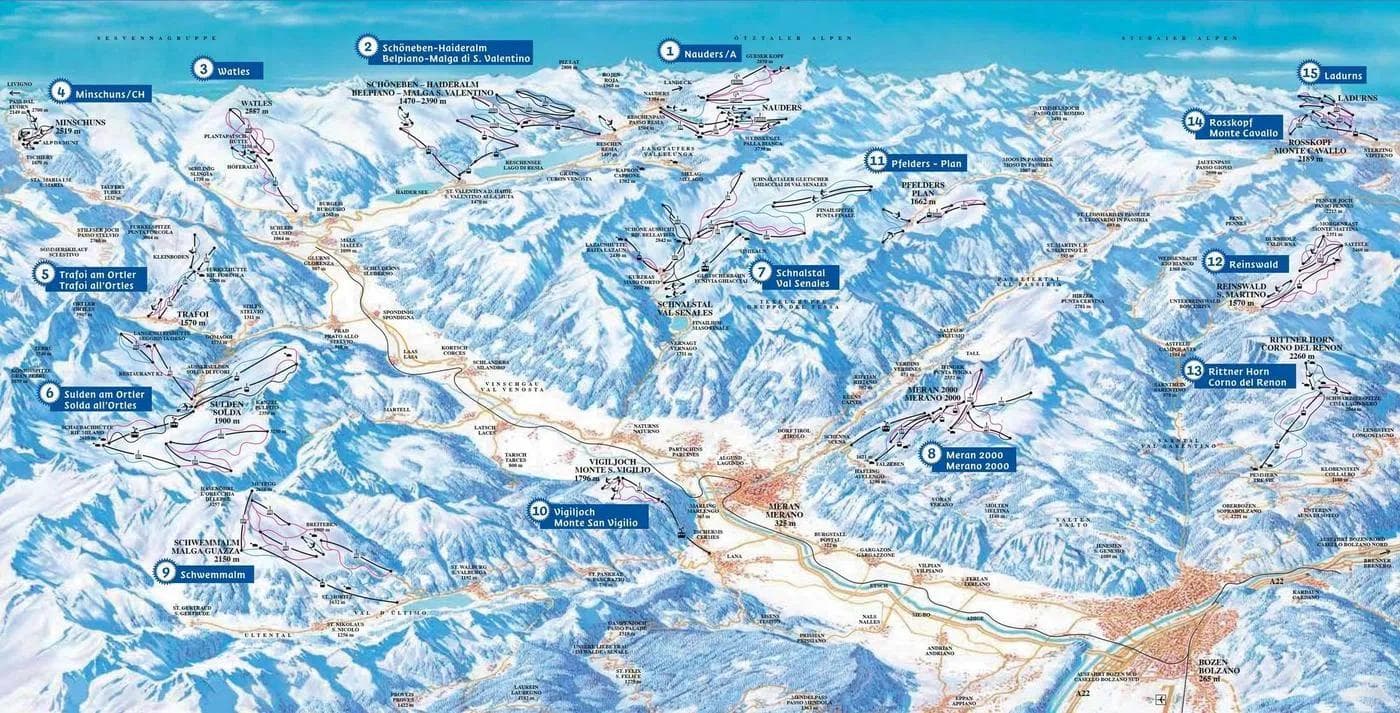
The Ortler Skiarena has rebranded as the Südtirol Skiarena at the end of the 2025-26 season, expanding from 15 to 18 ski areas and introducing a 365-day pass that works for both winter and summer lift access. The expansion adds three eastern South Tyrol resorts - Ratschings-Jaufen, Speikboden, and Klausberg - bringing the network's total terrain to nearly 500 kilometres across the province, plus partner resorts in Austria and Switzerland.
The rebrand signals more than geographic growth. By switching from a winter-only pass to year-round access and choosing a German rather than Italian name, the network is clearly positioning itself for local and regional skiers rather than international tourists - a deliberate contrast to the larger Dolomiti Superski alliance that dominates South Tyrol's ski market.
Network Structure and Terrain
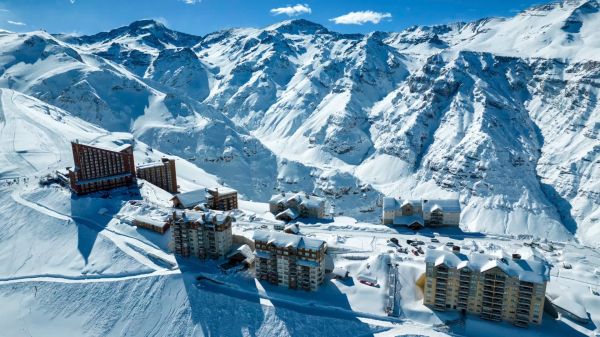
The Südtirol Skiarena brings together an eclectic mix of ski areas that range from small community hills to glacier skiing. The network includes two glacier areas - Sulden and Schnalstal Glacier - with a peak elevation of 3,250 metres, providing snow reliability and near year-round skiing access. Mid-sized resorts like Meran 2000, Schöneben-Haideralm, and Watles offer modern lift infrastructure and varied terrain, while smaller areas such as Pfelders, Vigiljoch, and Reinswald maintain a quieter, more traditional character.
The newly added eastern resorts extend the network's geographic reach across the full width of South Tyrol. Rather than creating a single interconnected ski circus, the model resembles more of a federation - distinct areas operating independently but unified under one pass.

The 365-Day Pass Strategy
The shift from a winter-only pass to year-round access represents the most consequential change in the network's structure. Starting next season, the same pass that provides skiing access in winter will also cover summer lift operations for hiking, mountain biking, and sightseeing. This isn't an add-on or premium tier - it's the standard product.
The economics are straightforward. As climate variability increasingly affects lower-elevation winter operations across the Alps, extending the revenue season beyond skiing becomes less about diversification and more about viability. By building summer access into the core offering from the start, Südtirol Skiarena is acknowledging that mountain infrastructure needs to generate income across more than three or four months.
Local Focus in a Tourist Market
The choice of a German name - Südtirol rather than Alto Adige - and the emphasis on year-round access both point toward a product designed for frequent local use rather than week-long holiday visits. South Tyrol's ski market is already dominated by Dolomiti Superski, which targets international tourists with its interconnected circuits and Italian branding. The Südtirol Skiarena appears to be carving out the domestic and regional segment that Dolomiti Superski doesn't serve as directly.
Whether this positioning holds up commercially depends largely on local pass uptake. Year-round access only works if people actually use the lifts in summer, which requires either a strong local population base or a shift in tourist behaviour. South Tyrol has both, but the balance between the two will determine whether this model scales beyond the province.

What This Means for the Alpine Ski Market
The Südtirol Skiarena expansion reflects a broader trend across European skiing - consolidation at the regional level rather than mega-pass dominance. While North America sees Epic and Ikon absorbing more resorts each year, the European market remains more fragmented, with regional alliances serving specific geographic or demographic segments.
The year-round access model isn't new - Swiss resorts have been doing this for years - but making it the default rather than an optional upgrade is a more aggressive commitment. It acknowledges that the traditional winter-only ski pass is becoming a less sustainable business model as seasons shorten and summer activity infrastructure improves.
For skiers and riders considering South Tyrol, the practical implications are straightforward. If you're planning a single week-long trip focused on skiing large interconnected areas, Dolomiti Superski remains the obvious choice. If you're spending extended time in the region or returning multiple times across seasons, the Südtirol Skiarena offers broader year-round access to a wider geographic spread of resorts, albeit with less connectivity between areas.
The network isn't positioning itself as a direct competitor to Dolomiti Superski - it's targeting a different use case entirely. Whether that use case represents a large enough market segment to sustain 18 ski areas year-round is something we'll know more about in a few seasons. For now, it's one of the more interesting experiments in how European ski regions are adapting their business models beyond winter-only operations.