Vail Resorts Q3 Fiscal 2026: Bad Winter Out West Hits Revenue as Pass Sales Fall 10%
Published Date:
Vail Resorts has reported a steep drop in Q3 fiscal 2026 earnings after one of the worst winters on record across the western United States pushed visitation down 15% and revenue across most major properties with it.
The company released its third quarter fiscal 2026 results on 8 June, covering the period through 30 April 2026. Net income attributable to Vail Resorts came in at $314.4 million, down from $389.7 million in the same quarter last year. Resort Reported EBITDA fell from $647.7 million to $586.4 million - a drop of $61.3 million, or 9.5%.
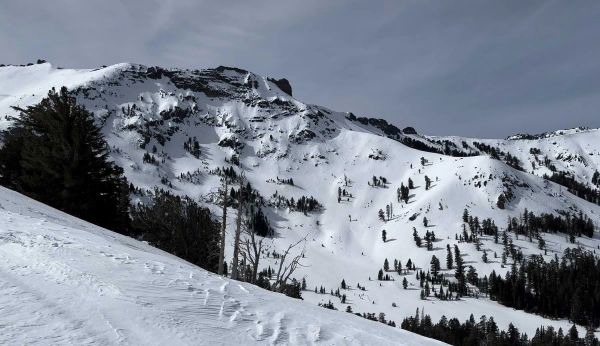
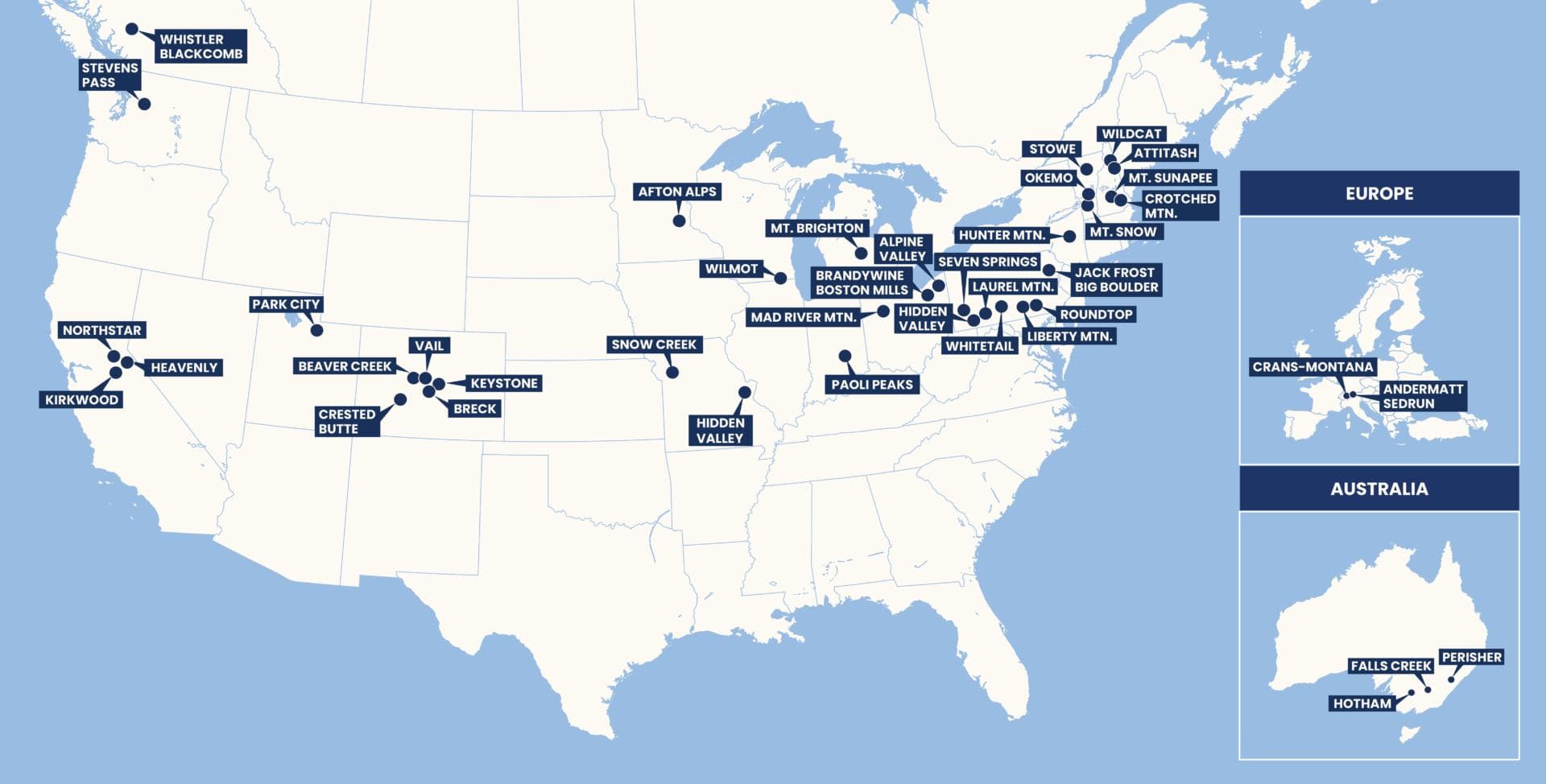
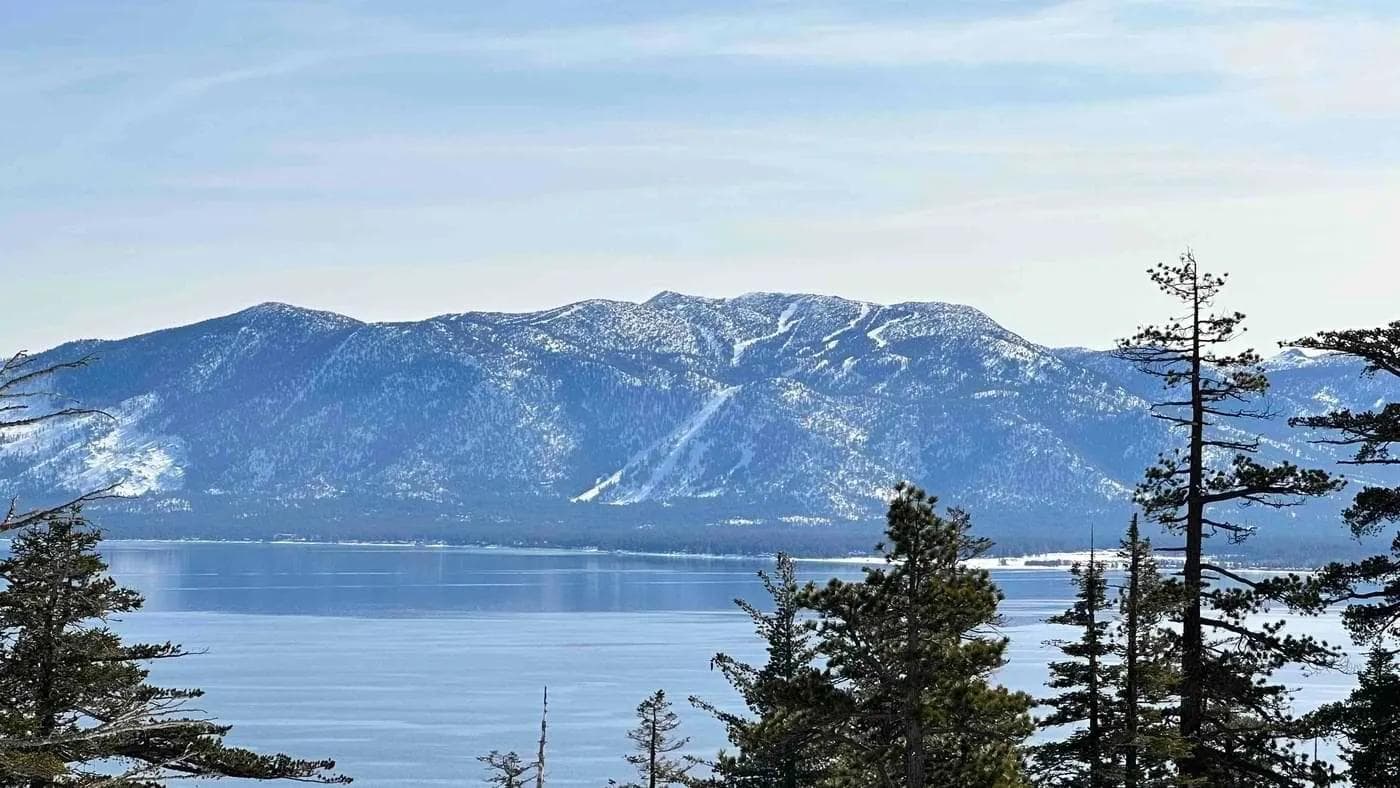
The headline driver was weather. Warm and dry conditions across Colorado, Utah, and Lake Tahoe compressed the season at key Vail properties including Breckenridge, Park City, and Northstar. Total lift revenue declined 5% despite visitation falling 15%, with the gap partially cushioned by the 3% increase in pass sales heading into the season - a structural benefit of the advance commitment model that Vail's CEO was quick to highlight.
What the numbers actually mean
The visitation decline is the figure that matters most. A 15% drop across the network in a single quarter is significant, and it flowed through into ski school revenue (down 11.5%), dining (down 10.7%), and retail and rental (down 8.3%). The resorts that performed relatively well were those outside the weather-affected western markets - notably Whistler Blackcomb and properties in the US Northeast, which held up considerably better than the Rockies and Tahoe destinations.

Total Mountain net revenue for the quarter came in at $1.13 billion, down 6.8% from $1.21 billion in the prior year period.
Updated guidance for fiscal year 2026
With the challenging conditions now largely baked into the numbers, Vail has issued revised guidance for the full fiscal year ending 31 July 2026. The company now expects net income of $128 million to $162 million, and Resort Reported EBITDA of $735 million to $755 million. A quarterly cash dividend of $2.22 per share was declared, payable 9 July 2026.
Vail confirmed its calendar year 2026 capital plan remains in place at approximately $215 million to $220 million in core capital, rising to $234 million to $239 million when growth investments at European resorts and resource efficiency projects are included.

Pass sales for 2026/27: the harder read
The more forward-looking concern in the report is early season pass sales for 2026/27. Through 26 May 2026, pass product unit sales decreased approximately 10%, days sold decreased approximately 8%, and sales dollars - inclusive of taxes - decreased approximately 5% compared to the equivalent period last year.
Vail's CEO Rob Katz noted that third-party data suggests the company's spring pass results are outperforming others in the industry during this period, and pointed to historically strong visitation recovery in seasons following poor snow years - provided the following winter delivers normal conditions. The company's new Young Adult pass products and unlimited pass tiers were highlighted as relative bright spots, with both categories outperforming frequency products.
Whether those tailwinds are enough to close the gap before the autumn selling window remains to be seen. Vail noted it will provide a fuller update on pass sales and next season's outlook in its Q4 earnings release in September.
Australia provides a timely counterpoint
Epic Australia Pass sales through 27 May 2026 increased approximately 26% in units and approximately 31% in sales dollars compared to the same period last year - a meaningful contrast to the North American figures. Vail operates three Australian resorts - Perisher, Falls Creek, and Hotham - and the southern hemisphere season is now underway. Strong early pass momentum there provides some offset heading into the company's fourth quarter, though the scale of Australian operations relative to the broader Vail network means it won't move the needle dramatically on full-year results.
The revised fiscal 2026 guidance assumes normal weather conditions across the Australian season and the North American summer. At this point, that assumption is doing a fair amount of work.