TL;DR
Tamarack has opened sales for its 2026-27 season pass at $499, claiming it's the best deal of the year. We break down whether the early-bird pricing represents genuine value or standard industry tiering tactics, and what the cap on pass sales really means for access.
Early Season Pass Sales Open at Idaho Resort
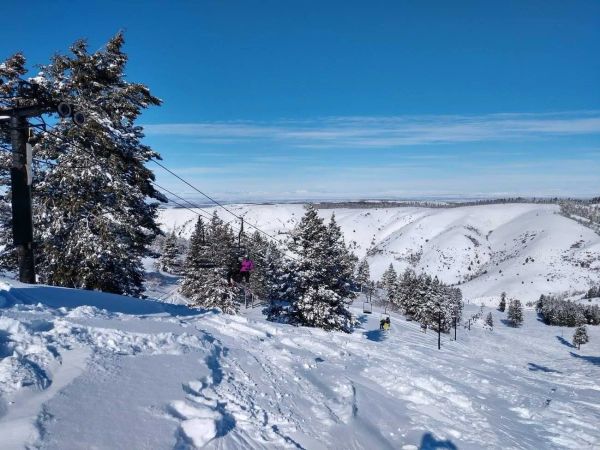
Tamarack Resort has launched sales for its 2026-27 season pass, with adult passes priced at $499 and family passes at $999 for what it's calling "Tier 1" pricing. According to the resort, these rates represent savings of $400 and over $1,000 respectively compared to in-season pricing, though like most early-bird pass programs across the industry, those savings evaporate the moment you miss the deadline.
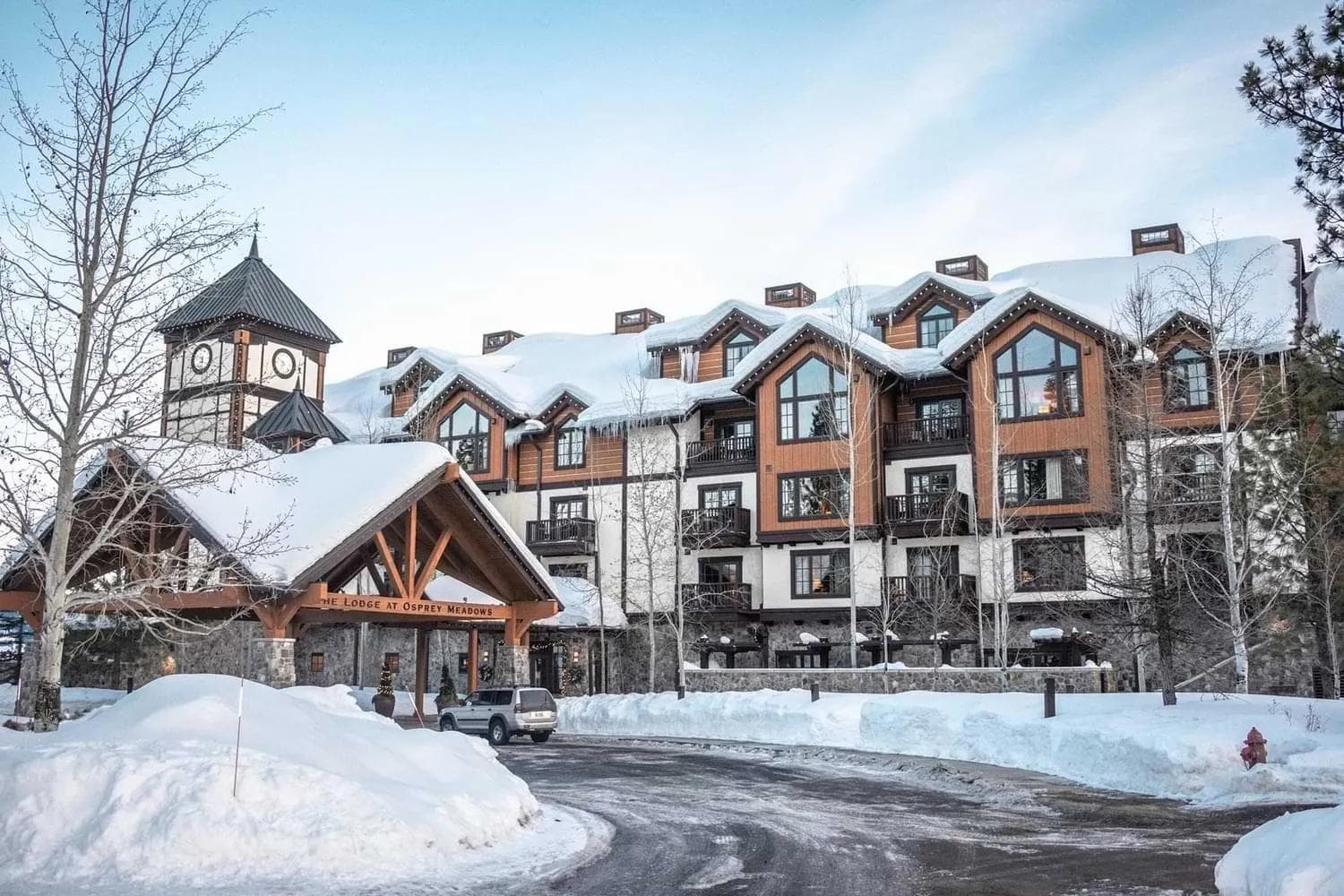
The pass structure itself is fairly standard for an independent resort: year-round access to lifts during both winter and summer operations, modest discounts on lessons and rentals (10%), and the usual perks like 15% off additional lift tickets for friends and family. The resort is positioning itself as "America's only ski, golf, and lake resort," which is a marketing angle that attempts to justify the year-round access component, though realistically most passholders will focus on winter usage.
What's more interesting than the pricing itself is Tamarack's stated intention to cap total season pass sales to preserve what they're calling an "uncrowded, premium experience." That's either a genuine commitment to managing capacity or clever marketing to create urgency—likely a bit of both.
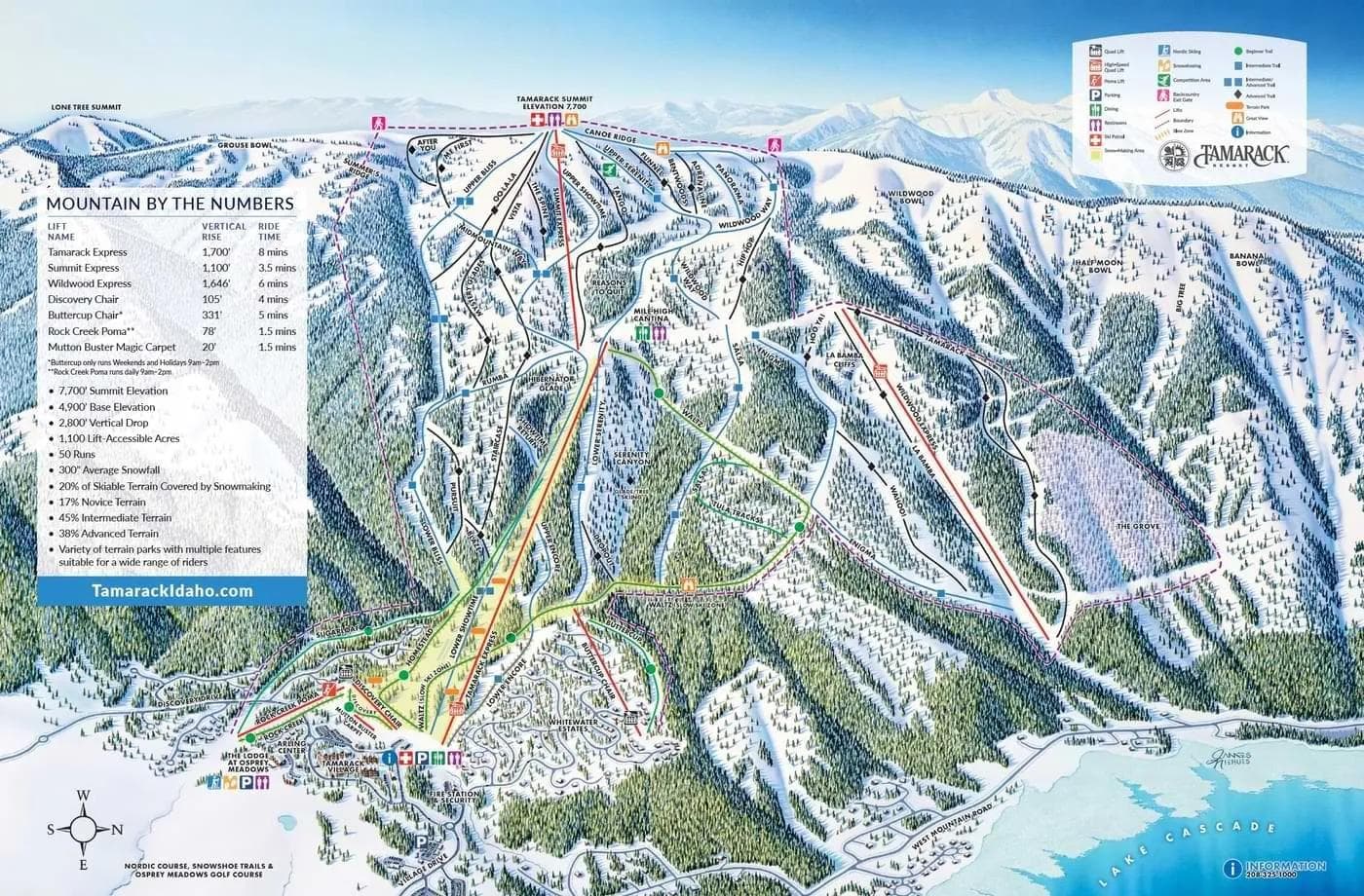
Let's be clear about what's actually happening here: tiered pricing for season passes has become industry standard, and Tamarack is following the playbook written by larger resorts over the past decade. The "lowest price of the year" framing is accurate but somewhat misleading—it's lowest because the resort has structured it that way, not because you're getting some exceptional deal that wouldn't otherwise exist.The $499 price point for an adult pass at a mid-sized Idaho resort is competitive but not remarkable. For context, smaller independent resorts across North America typically price their early-bird passes between $400-600, while larger destination resorts often exceed $1,000 even at early-bird rates. The family pass at $999 for what appears to be unlimited family members (the announcement doesn't specify, which is typical resort vagueness) could represent decent value for larger families, though you'd want to confirm the fine print.The 10% discount on lessons and rentals is standard—barely enough to offset the inevitable price increases those services see each season. The 15% discount on additional lift tickets and rental stays is more useful, particularly if you're trying to convince friends to visit, though the seven-night annual cap on rental discounts and unspecified blackout dates limit the practical value.Tamarack's claim about capping pass sales is the more significant element here. If they're serious about limiting capacity—both through pass caps and restricted day ticket sales on peak dates—that could genuinely improve the on-mountain experience. But it's worth noting that "limiting" is relative. Without transparency about actual numbers (how many passes last year versus this year's cap), it's impossible to verify whether this is meaningful capacity management or just creating artificial scarcity to drive early purchases.