TL;DR
Hoch-Ybrig sits an hour from Zürich with 50 kilometres of pistes and none of the crowds that plague bigger Swiss resorts. It's a workable option for families and intermediates who prioritise convenience and groomed runs over vertical or challenging terrain.
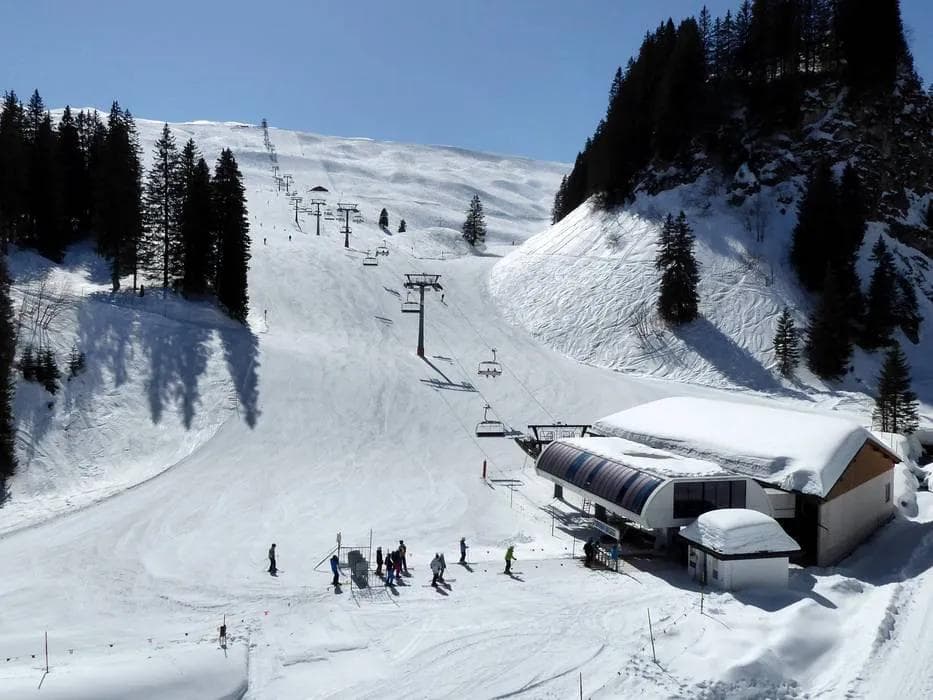
Hoch-Ybrig doesn't make anyone's bucket list, and that's probably the point. This is a compact, efficiently run ski area in central Switzerland that prioritises access and grooming over drama or vertical. With 50 kilometres of pistes and a top elevation of 1,831 metres, it exists in that middle ground between day hills and destination resorts - close enough to Zürich for weekend trips, but substantial enough to occupy families for a few days.
The resort's appeal is almost entirely about what it isn't: it isn't crowded, it isn't expensive by Swiss standards, and it isn't trying to compete with the Engadin or Valais regions. That clarity of purpose makes it easier to assess honestly.
Hoch-Ybrig Mountain Overview
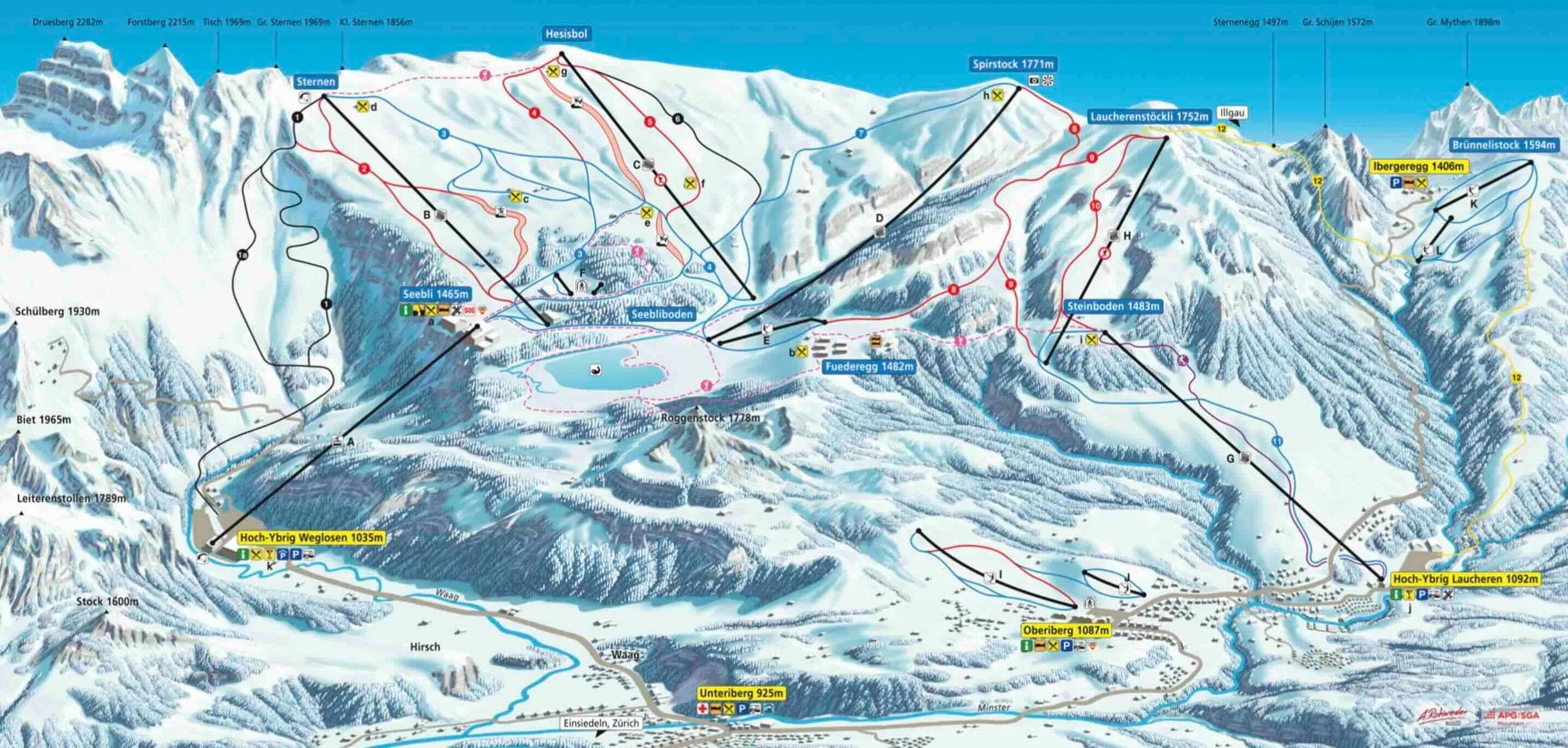
The 791 metres of vertical drop spans from 1,040 to 1,831 metres across two connected sectors. Seebli on the northern side handles the bulk of intermediate terrain, whilst the Sternen area to the south offers marginally more challenging options. Twelve lifts service 17 marked runs, which translates to decent capacity for the terrain on offer - you're rarely waiting long, even on peak Swiss holiday weekends.
The terrain breakdown tells the practical story: 30% beginner, 60% intermediate, 10% advanced. There's no expert terrain listed, and that's accurate - if you're hunting steep couloirs or genuinely technical lines, you're in the wrong place. What does exist is well-maintained cruising terrain with reliable grooming. The intermediate runs are proper blues and reds by European standards, not the inflated gradings you sometimes see at smaller areas trying to appear more varied.
The base elevation of 1,040 metres is the obvious concern. In marginal snow years or late season, that's barely viable altitude for natural snow. The resort counters with snowmaking across key runs, but it's still a lower-elevation operation in an era of increasingly unreliable snow cover below 1,500 metres.