
Madarao
440m vertical, 44 runs, 10-13m annual snowfall. 60% ungroomed terrain with 12 tree zones. Northern Nagano, Japan.
Season 2026 - 2027
Opens
12 Dec 2026
Closes
28 Mar 2027
Days open
106
Annual snow
13m
The Overview
Michael Fulton
Melbourne-based skier and snowboarder with 50+ resorts across 5 continents. Specialises in Australian resorts and international resort comparisons.
Madarao operates across 440 vertical metres from 910 to 1350 metres elevation with 44 runs spread over 125 hectares of skiable terrain. The resort receives 10 to 13 metres of annual snowfall and maintains 60% of courses ungroomed, creating a dedicated powder focus that sets it apart in northern Nagano. A combined Mountain Pass grants access to neighbouring Tangram Ski Circus, doubling the available terrain to 51 courses served by 14 lifts between the two areas.
Terrain divides 30% beginner, 35% intermediate, 30% advanced, and 5% expert across the bowl-shaped mountain. Named tree runs include Powder Wave, Powder Wave II, Powder Theatre, Crystal Bowl, Ninja, and Usagi, with 12 designated gladed zones forming one of Japan's largest in-bounds tree skiing networks. Crystal Bowl delivers the steepest pitch at 36 degrees, whilst the longest run extends 2500 metres from summit to base. Madarao hosted Japan's first Freestyle Skiing Competition and retains terrain parks with rails, boxes, kickers, and a natural halfpipe feature.
The base village spreads loosely around Madarao Kogen Hotel with a mix of pensions, lodges, and rider-owned accommodation. Three English-speaking ski schools operate on-mountain, including North Nagano Outdoor Sports, Madarao Sports Academy, and Action Snow Sports. The northern aspect protects snow quality through the season, and weekday crowds remain light despite growing international awareness. Children aged 12 and under ski free, and on-mountain dining includes Restaurant Tirol, Restaurant Heidi, and several cafeterias serving ramen, curry, and Japanese set meals.
The NAGANO6 Powder Dream Pass covers Madarao, Tangram, Shiga Kogen, Nozawa Onsen, Ryuoo, and Togakushi for multi-resort exploration. The 2025-2026 season runs 5 December to 29 March, offering 115 operating days. Madarao suits powder-focused intermediates through to advanced tree skiers, families benefiting from free children's lift access, and riders seeking a relaxed village atmosphere with consistent Japow conditions.
440m
Vertical
44
Runs
309 acres
Skiable
13m
Annual snow
The Terrain
44 runs across 309 acres skiable
Madarao is a 44-run mountain in Nagano Prefecture, running from 910 metres to 1,350 metres for a 440-metre vertical spread over 125 hectares. Terrain is spread evenly, with 30% beginner, 35% intermediate, 30% advanced and 5% expert. The 14 lifts include four quad chairs, six doubles, three triples and a single, enough to keep lines short on most days. Madarao has built its reputation on forest skiing, with a large network of natural tree runs threaded between the groomed pistes. It is a wide, friendly area where skiers who like variety will find plenty to explore over several days.
Look for the named tree zones such as Ninja, a sidecountry-style area, Sawa, a natural half-pipe gully, and gentler glades including Crystal Bowl, Usagi and Riverline, where slopes sit in a moderate pitch. Madarao links to neighbouring Tangram on a shared pass, which widens the choice of runs. Night skiing runs on selected dates through winter, so check the calendar before relying on it. This is a good match for intermediates stepping into trees for the first time, and for advanced skiers who want gladed terrain with an easy escape back to groomed runs. Wear a helmet in the forest zones.
Terrain split
44
runs
44 runs across 4 grades
Beginner13 runs · 30%
Intermediate15 runs · 35%
Advanced13 runs · 30%
Expert2 runs · 5%
Time it right
When to visit Madarao
The 2025-2026 season operates 5 December 2025 to 29 March 2026, delivering 115 lift-served days across mid-winter and spring conditions. Historical opening ranges from mid-December, with closing dates extending into late March depending on snowpack. Lift hours run 08:30 to 16:30 daily, with night skiing available 16:30 to 21:00 on Saturdays, New Year's Eve, and select January through March weekends.
Annual snowfall averages 10 to 13 metres, with the northern aspect and bowl topography concentrating storm deposits and protecting powder quality from wind degradation. Base depths build reliably through January and February, the peak powder months when Japan's northwest storm track delivers frequent dumps. The modest 1350-metre summit elevation limits high-alpine snowpack but ensures excellent base-area snow quality without the rain-snow line issues affecting taller peaks. Snowmaking supplements natural coverage on lower runs, though the resort's reputation centres on natural powder preservation.
January and February offer the deepest and most consistent powder conditions, with regular storm cycles refreshing the ungroomed zones that define Madarao's character. March transitions to spring snow with warmer temperatures, softer surfaces, and longer daylight, though north-facing tree runs often hold quality through closing. Weekdays between storm cycles provide the quietest conditions for lapping freshly gladed terrain without competition.
The resort hosts New Year's Eve fireworks and night skiing, plus the Dondoyaki Fire Festival in early January celebrating traditional mountain culture. Weekend night skiing illuminates select runs through mid-March. Spring events and closures vary annually based on snowpack, with some lifts ceasing operations by late March whilst core infrastructure remains open through 29 March 2026.
Season 2026 - 2027
12 Dec 2026
Opens
28 Mar 2027
Closes
106
Days open
13 m
Annual snow
Getting there
Getting to Madarao, and where to stay
Madarao sits on the Nagano-Niigata prefectural border in northern Nagano, with the base village at 910 metres in Iiyama City and upper slopes extending into Myoko City, Niigata Prefecture. The resort occupies the northeastern flank of 1382-metre Mount Madarao between the Chikuma River valley and the Myoko volcanic range. Clear-day views extend northwest to Mount Myoko and the Japan Sea, with the snow-covered peaks of the northern Japanese Alps filling the southern horizon.
Iiyama City lies 11 kilometres east of the resort, a former castle town established by warlord Uesugi Kenshin in 1564 during Japan's Warring States period. Novelist Toson Shimazaki called Iiyama "snow country's little Kyoto" for its 20-plus temples lining the historic Atago district and traditional gangi-roofed streets. Nozawa Onsen sits 40 minutes southwest, Myoko Kogen 40 minutes west, and Shiga Kogen 90 minutes south, positioning Madarao as a hub for multi-resort itineraries across northern Nagano and Niigata.
Road access follows Route 117 north from Nagano City for 38 kilometres, then climbs via local roads for the final 11 kilometres to Madarao Kogen. The Joshinetsu Expressway runs parallel to the west, with the Toyota-Iiyama interchange providing expressway access approximately 20 kilometres from the resort. Nagano City sits 40 kilometres southwest, whilst Tokyo lies 275 kilometres southeast via the Chuo and Nagano expressways, a 3.5 to 4-hour drive requiring winter tyres and chains during storms.
Iiyama Station on the Hokuriku Shinkansen provides the primary gateway, 110 minutes from Tokyo Station and 30 minutes from Nagano. Local buses run 20 to 30 minutes from Iiyama Station to Madarao, with increased winter frequency serving ski traffic. Tokyo's Narita Airport sits approximately 3.5 hours away via Narita Express to Tokyo, then Hokuriku Shinkansen to Iiyama, whilst Haneda Airport requires monorail connection to Tokyo Station before the same shinkansen routing. Direct airport shuttles operate in winter, eliminating transfers for door-to-resort convenience.
Where to stay
Search all stays →Hotels and lodges near Madarao, powered by Stay22.
Latest News
From the SnowStash desk
Alps Snow Forecast: Up to 64 cm Headed for the High Glaciers as the Snow Line Drops
The Alps are about to swap mild, sunny October weather for something far more wintry. A cold front arrives Tuesday, and SnowStash forecasts have Monterosa Ski out in front with 64 cm over 14 days, ahead of Blatten Belalp (55 cm) and Verbier (43 cm). The snow line should fall below 2000 metres by Wednesday night, and glaciers across Switzerland, Italy and Austria are in line for the best of it. The wind will have a say too.
20 Oct 2026
Four Dead After Avalanche Near Ski Portillo in Chile
A large avalanche struck near Laguna del Inca adjacent to Ski Portillo on Saturday afternoon, killing four people and injuring four others. The group were day visitors mountaineering in the backcountry after reportedly being warned about elevated avalanche risk by resort staff.
18 Oct 2026
Europe Ski Resorts Open Now: What Is Skiable in Mid-October 2026
Europe’s ski season is open, technically. After a record-warm summer, glaciers in Austria, Switzerland and Italy are running a few pistes apiece, Sölden, Stubai and Kitzsteinhorn started late, Titlis has pushed back to 24 October, and Zermatt reopens a few lifts on 14 October after more than two months shut. Finland’s Levi and Ruka are skiing on stored snow. Here is what is open, and what you actually get at each.
14 Oct 2026
Zermatt Plans World Cup Downhill Return on the Gornergrat for 2028
Zermatt is having another crack at a World Cup downhill, and this time nobody has to cross a border. Around 13 million Swiss francs is going into rebuilding the Gornergrat piste, including a jump fed by a roughly 300-metre in-run across the roof of the Gornergrat Railway gallery, with the Matterhorn lined up behind it for the TV cameras. First men’s race is pencilled in for March 2028, pending FIS homologation.
14 Oct 2026
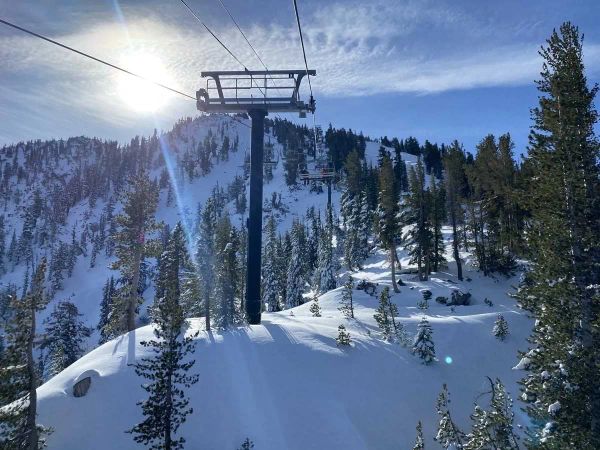
Mt. Rose Begins Snowmaking for the 2026-27 Season at Lake Tahoe
Lake Tahoe’s highest base elevation is paying off early: Mt. Rose has started making snow for 2026-27 after the first flurries and a cold snap. The Nevada resort is backing it with nearly US$2 million in upgrades, including a replacement snowmaking main line, a new PistenBully groomer and restraint bars on every lift. Opening day is yet to be confirmed, though Heavenly and Northstar are already eyeing 20 November.
13 Oct 2026
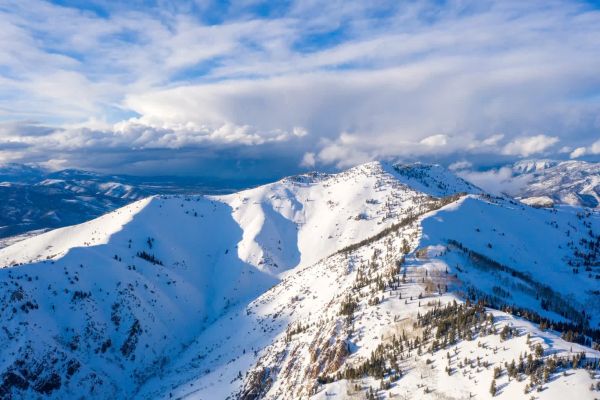
Utah Ski Resorts 2026-27: What’s New at Alta, Deer Valley, Powder Mountain and More
Utah is still building flat out. For 2026-27, Powder Mountain opens a steep new Skytrac chair into more than 1,000 acres of advanced terrain, Deer Valley adds 200 acres on Hail Peak, Sundance gets a new quad and Park City adds a gondola from its new parking structure. Snowmaking is expanding almost everywhere, Eagle Point stays closed after the Cottonwood Fire, and the 2034 Games are setting the pace. Here’s what’s new, resort by resort.
13 Oct 2026
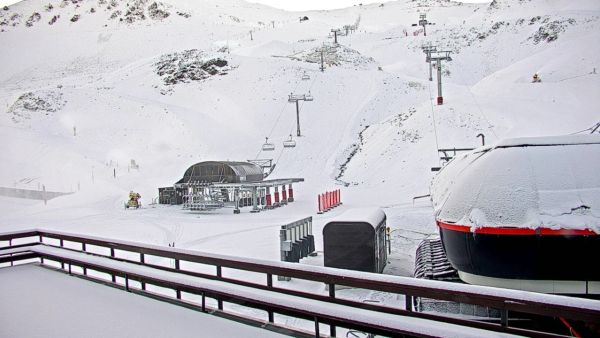
Mt Hutt Invests NZ$12 Million in Base Area, Tripling Its Sun Deck
Mt Hutt is getting busier, and its base lodge is about to catch up. NZ$12 million goes into a heated sun deck roughly three times the current size (430 m² to 1,300 m²), plus a new toilet block, heated steps down to snow level, extra storage and a new food and beverage outlet. Building starts after the 2026 season, with everything due for winter 2027.
11 Oct 2026
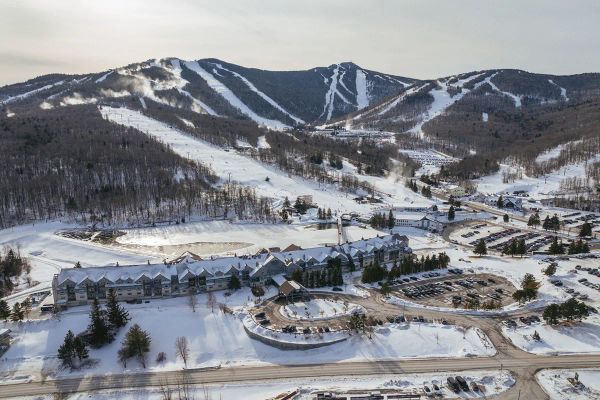
Vermont Ski Resort Opening Dates 2026-27: Few Dates Set, Killington Waits on the Cold
Vermont's season is slow to take shape. Stratton is tentatively targeting 18 November and Sugarbush 21 November, while Pico has Friday 11 December on the calendar. Killington never sets a date and opens when the snowmaking allows, and Vail Resorts has yet to name days for Stowe, Okemo and Mount Snow. The forecasts disagree about snow, and the main El Niño worry for the Green Mountains is warmth.
9 Oct 2026
Madarao Lift System
Madarao operates 14 lifts comprising four quad chairs, three triple chairs, six double chairs, and one single chair across the combined mountain area with Tangram. Madarao's standalone network includes nine lifts: two quad chairs, one triple chair, four double chairs, one single chair, and one surface lift. The Super Quad and No.2 Quad Lift serve the main intermediate zone, whilst older fixed-grip chairs access upper bowls and tree run entry points.
Lift No.13, a slow single chair, provides critical access to Powder Theatre and Powder Wave II tree zones, rewarding patient laps with some of the resort's best powder terrain. The No.15 Lift connects Madarao with Tangram at the ridgeline, creating seamless inter-resort flow for Mountain Pass holders. Tangram adds five chairs and 21 courses with a 520-metre vertical drop, primarily serving beginner and intermediate terrain below 1320 metres elevation.
Base-to-summit access follows a logical progression from the Madarao Kogen Hotel area via the Super Quad or No.2 Quad, then connecting through mid-mountain chairs to reach the 1350-metre summit ridge. Traverse routes link lift pods, with some zig-zagging required to access all zones as several lifts from the bubble-era have been decommissioned. The interconnection with Tangram opens at approximately 10:00 daily, later than Madarao's 08:30 start.
The lift fleet reflects Japan's older ski infrastructure with detachable quads dating from past decades and several romance chairs serving tree zone access. Uphill capacity handles weekday demand comfortably, though Saturday queues can form at key lifts. No major lift upgrades have been announced, but the system adequately serves the terrain's powder focus where dispersion into tree zones naturally reduces lift line pressure.
14lifts across 4 types
4
Quad Chairs
3
Triple Chairs
6
Double Chairs
1
Single Chair
Madarao lift system
Madarao is served by 14 lifts, listed here by type. Check which lifts are turning against the live conditions before you plan your first laps - early lifts and high-speed chairs get you to the best snow fastest.
More Madarao intelligence: trail map, snow report, webcams, resort overview.