The Overview
Michael Fulton
Melbourne-based skier and snowboarder with 50+ resorts across 5 continents. Specialises in Australian resorts and international resort comparisons.
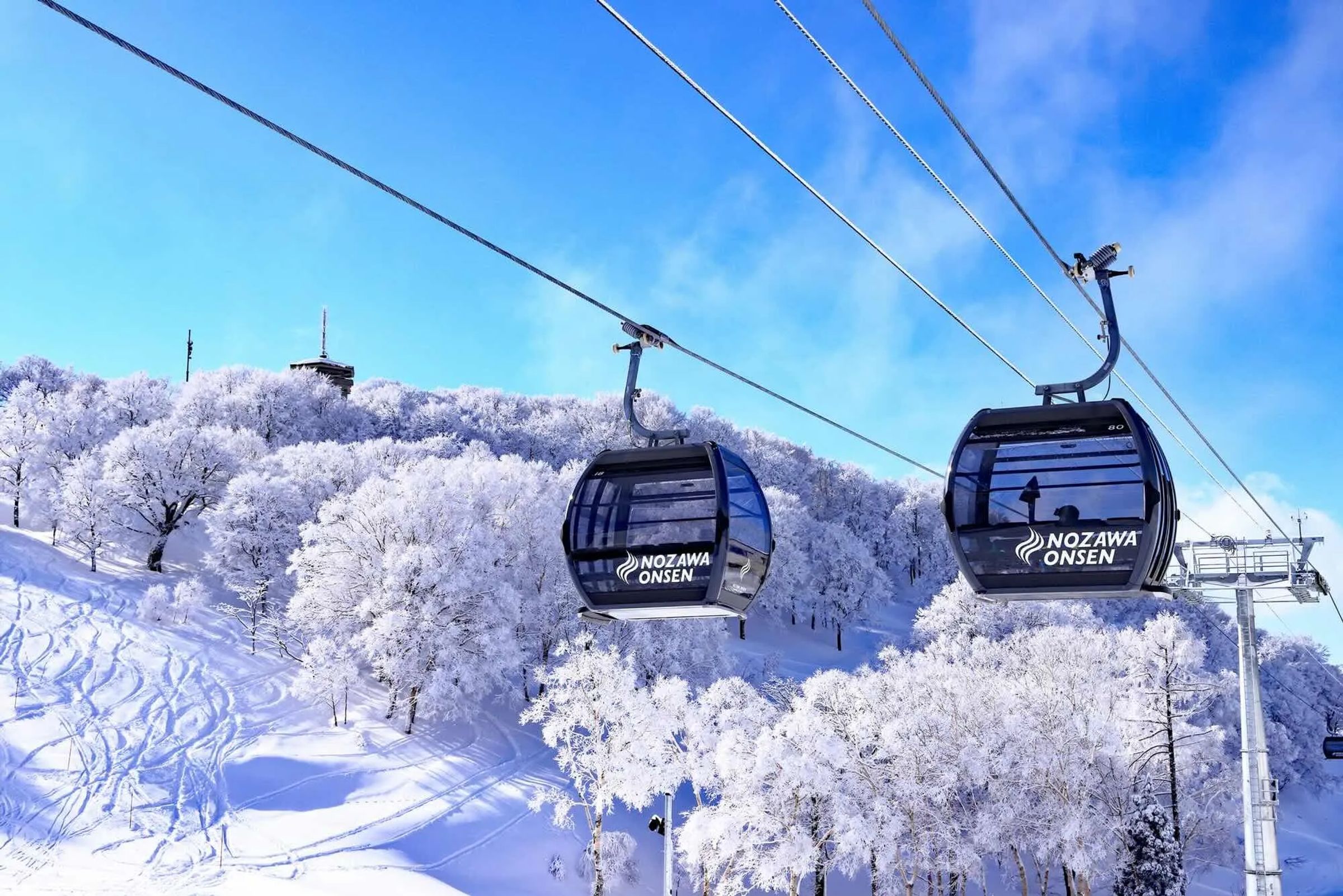
Nozawa Onsen spans 1,085 metres of vertical drop across Mount Kenashi, from a 565-metre base to a 1,650-metre summit, with 36 runs covering 297 hectares. The resort receives 10 metres of annual snowfall and features Japan's longest continuous run at 10 kilometres from the Yamabiko summit to the village base. Challenge 39 offers the steepest pitch at 39 degrees, whilst the terrain splits 40 per cent beginner, 30 per cent intermediate and 30 per cent advanced across three distinct zones.
The ski area spreads across Yamabiko at the summit, mid-mountain Uenotaira and Paradise zones, and base-level Hikage, Nagasaka and Karasawa sectors. Skyline run winds 4.5 kilometres along an exposed ridge from 1,450 metres elevation, offering Sea of Japan views on clear days. The Schneider course connects Paradise with Hikage through ungroomed mogul fields and tree zones, whilst Yamabiko's five courses provide powder bowls between widely spaced lifts. Officially designated tree skiing zones operate beneath Yamabiko quad chairs.
The 700-year-old onsen village sits at the mountain base with 13 free public hot spring baths maintained by neighbourhood associations. Saturday night skiing operates on the Nagasaka slope until 2000 hours throughout winter. The resort hosted biathlon events at the 1998 Nagano Winter Olympics, with purpose-built firing ranges and 4-kilometre cross-country loops preserved on the southern slopes. The Dosojin Fire Festival on 15 January draws thousands to watch village men defend an 18-metre wooden shrine from torch-bearing attackers.
Nozawa operates independently without multi-resort pass connections but offers reciprocal discounts at nearby Togari Onsen, Kijimadaira and Madarao. The 2025-2026 season runs 3 December to 6 May, with north-facing Yamabiko terrain holding snow into Golden Week. The resort suits advanced skiers seeking steep ungroomed runs and families using the broad Uenotaira plateau, though intermediate cruising options remain limited outside Yamabiko's five courses and the Paradise zone.
1085m
Vertical
36
Runs
734 acres
Skiable
10m
Annual snow
The Terrain
36 runs across 734 acres skiable
Nozawa Onsen spreads 36 runs across 734 acres skiable of terrain. It leans beginner at 40%, with 14 beginner runs to find your feet and 11 advanced or expert runs when you want to push.
Terrain split
36
runs
36 runs across 4 grades
Beginner14 runs · 40%
Intermediate11 runs · 30%
Advanced11 runs · 30%
Expert0 runs · 0%
Time it right
When to visit Nozawa Onsen
The 2025-2026 season opened 3 December 2025 and closes 6 May 2026, spanning five months of operation. Typical seasons run late November through early May depending on early snowfall, with the high-elevation Yamabiko zone often skiing into Golden Week whilst lower slopes close in mid-April. Full resort operations establish by mid-December once base depths exceed 200 centimetres across all elevations.
Nozawa receives an average 10 metres of annual snowfall with base depths routinely reaching 4 to 5 metres by February. The second week of January averages 72 centimetres of snowfall across 5.6 snowy days, marking peak accumulation periods. North and northwest aspects on Yamabiko and Uenotaira preserve cold snow through March, whilst west-facing Skyline and lower runs soften earlier each afternoon. The resort operates without snowmaking except recent installations on Nagasaka beginner slopes.
January and February deliver the most reliable powder and coldest temperatures, with summit readings reaching minus 11 degrees during major storm cycles. December carries marginal coverage risk but rewards with empty slopes when snow arrives early. March sees spring consolidation with corn snow developing on sun-exposed aspects, though Yamabiko maintains winter conditions through month-end. Late April and early May offer slushy lower runs with firm morning corduroy higher up.
The Dosojin Fire Festival on 15 January attracts capacity crowds requiring advance bookings months prior. New Year's Eve extends night skiing until 2330 hours with fireworks and sake service on slope. Saturday night skiing operates from early January through March on the Nagasaka quad chair and 700-metre illuminated run. Resort hours run 0830 to 1630 daily, with night sessions 1700 to 2000 on Saturdays.
Season 2025-2026
3 Dec 2025
Opens
6 May 2026
Closes
154
Days open
10 m
Annual snow
Getting there
Getting to Nozawa Onsen, and where to stay
Nozawa Onsen Village sits in northern Nagano Prefecture at 565 metres elevation in the Chikuma River valley, 12 kilometres east of Iiyama city beneath the western slopes of 1,650-metre Mount Kenashi. The village of 3,650 residents occupies the Shimotakai District on the Honshu island Chubu region, bordered by Kijimadaira Village to the south across Mount Kenashi's ridgeline and Iiyama City to the west across the valley floor. Hot springs here date 1,300 years with the current village formed through 1956 municipal mergers.
Iiyama Station lies 12 kilometres southwest with regular bus connections taking 25 minutes via the Nozawa Onsen Liner at 600 yen per adult. Nagano City centres 46 kilometres south with Alpico express buses running 80 minutes to the village. The nearest population centre, Iiyama, serves as the local transport hub with supermarkets and services, whilst Nagano offers urban amenities and connections to broader Nagano Prefecture attractions including the snow monkeys at Jigokudani, 90 minutes away by direct winter bus.
Road access from Tokyo follows the Joshinetsu Expressway 249 kilometres north to Toyoda-Iiyama Interchange, then 20 minutes via Route 403 through Iiyama to Nozawa. Total driving time from Tokyo averages 4 hours without traffic. From Nagano city, Route 117 runs north 60 minutes through the Chikuma valley. Winter roads require chains or snow tyres with regular avalanche control closures on mountain routes between December and March.
Tokyo Narita Airport lies 350 kilometres south with direct Nagano Snow Shuttle buses running 6 hours seasonally at 12,000 yen return. Haneda Airport sits 320 kilometres away with similar shuttle options. Train access requires the Hokuriku Shinkansen from Tokyo or Ueno stations to Iiyama, covering 230 kilometres in 110 minutes at approximately 9,000 yen, then connecting to the Liner bus. Total public transport time from Tokyo airports averages 4 hours via shinkansen or 6 hours by direct bus.
Where to stay
Search all stays →Hotels and lodges near Nozawa Onsen, powered by Stay22.
Latest News
From the SnowStash desk
Aspen Snowmass Marks 80th Anniversary With $3.75 Throwback Lift Tickets
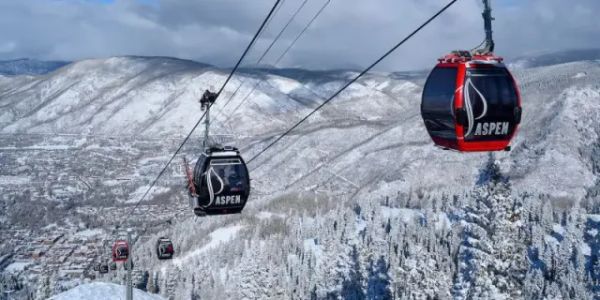
Aspen Snowmass turns 80 this December, and it's marking the milestone with $3.75 lift tickets on the anniversary itself - the original 1946 price. A discounted long weekend, $19.46 dining specials, lodging deals up to 46 percent off, and a season of anniversary programming round out the celebration across all four mountains.
17 Sept 2026
Doppelmayr Group Posts 9.1% Revenue Growth in 2025/26, Passing 1.3 Billion Euros
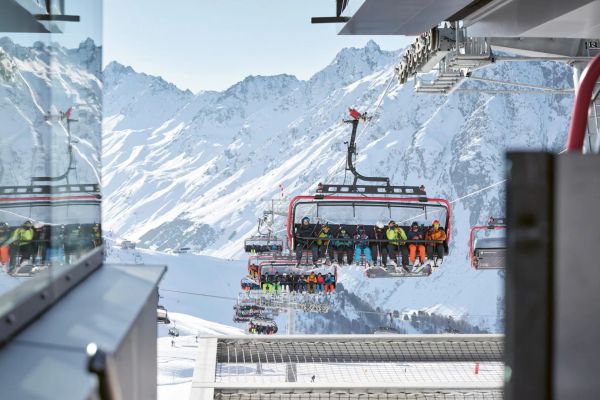
Doppelmayr closed its 2025/26 business year with revenue up 9.1 percent to 1.3 billion euros, driven by projects including the Big Sky Explorer Gondola, Deer Valley's Mayflower East Village Gondola, and the first TRI-Line installation at Hoch-Ybrig. Headcount grew too, with the ropeway manufacturer now employing almost 4,000 people worldwide.
16 Sept 2026
Hintertux Glacier Replaces 40-Year-Old Gondola to Tuxer Fernerhaus
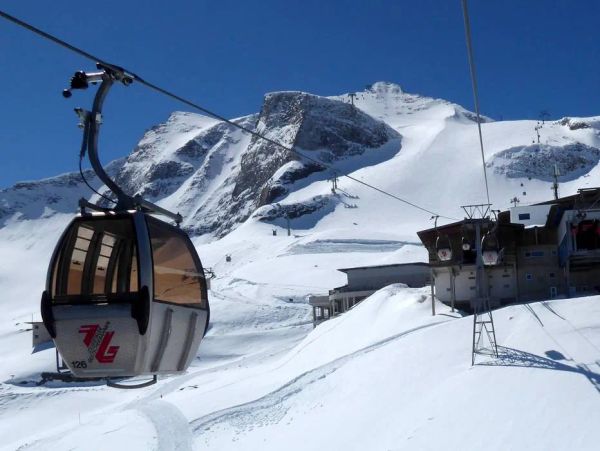
Hintertux Glacier is retiring its 40-year-old gondola to the Tuxer Fernerhaus. The replacement carries 10 people per cabin instead of four, with seat heating and nearly 40 percent more hourly capacity. Doppelmayr's new line opens at the end of October 2026, right as the glacier's high-altitude terrain becomes accessible again for the new season.
16 Sept 2026
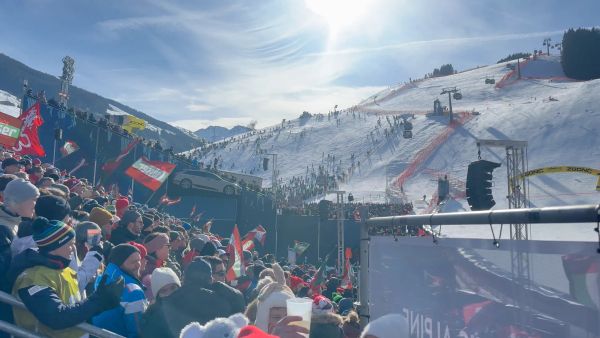
FIS Weighs Holding World Championships in Almost Every Winter, Starting 2032
The International Ski and Snowboard Federation is looking at a major shake-up to its title events calendar. From 2032, World Championships could run not just in odd-numbered years but in every non-Olympic winter too, effectively putting a global title event on the calendar almost every season. The FIS Council has approved the concept following a feasibility study, though an accelerated rollout as early as 2028 is also under consideration.
4 Sept 2026
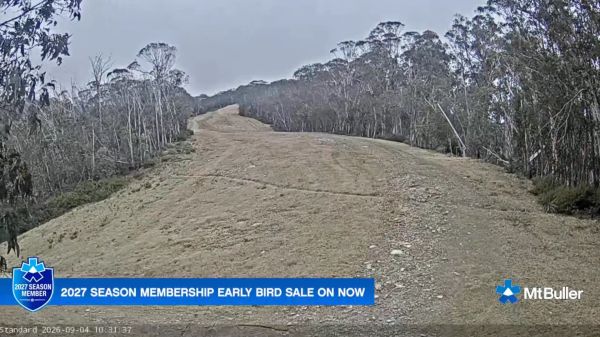
Mount Buller Becomes Latest Australian Resort to Call Time Early on 2026
Mount Buller closes out its 2026 season this Sunday, joining Falls Creek, Hotham and Charlotte Pass in a cluster of closures landing almost simultaneously and roughly a month ahead of schedule. The culprit is stark: Spencers Creek's benchmark snow depth hit 31.2cm on 3 September, just 18% of the 73-year average and an all-time low for this point in the season. Six of Victoria and NSW's best-known resorts will have shut their lifts early within a span of about two and a half weeks.
4 Sept 2026
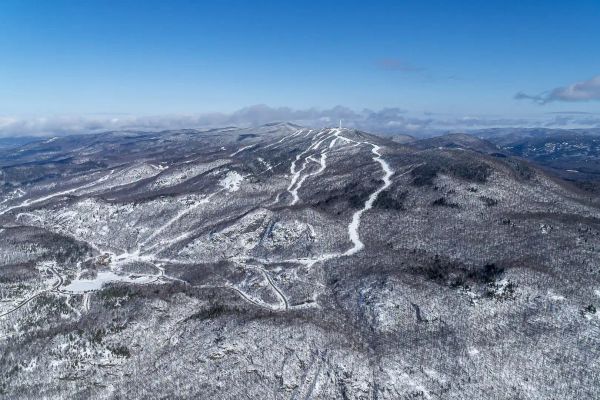
Tremblant to Add New Timber Summit Ski Sector for 2027/28 Season
Tremblant has confirmed a major expansion of its Quebec ski area, with a new Timber Summit sector adding 62 acres of terrain, eight trails and a high-speed quad chairlift for winter 2027/28. It's part of a CAD 42.5 million investment that also includes a new beginner learning zone at Versant Soleil opening this coming season. The project has grown considerably since it was first announced back in 2020, when it carried a far smaller budget and an opening date that never eventuated.
2 Sept 2026
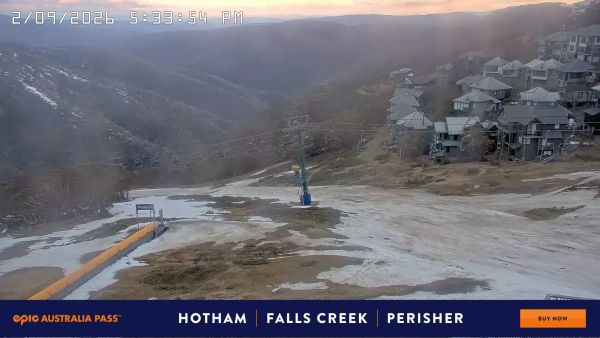
Mount Hotham to Close for the 2026 Season on Sunday, September 6
We knew when the Bird Bath Pond Skim showed up on Hotham's Instagram that the season was on its way out. It's been a rough one - I only managed two days on snow all year, at Falls Creek - and now Baw Baw, Selwyn and Hotham have all called it, possibly the worst Australian season I've seen in a decade. Hotham's last day of lift operations is Sunday, 6 September, with a Retro Day, Father's Day après and closing sales before the lifts stop turning for good.
1 Sept 2026
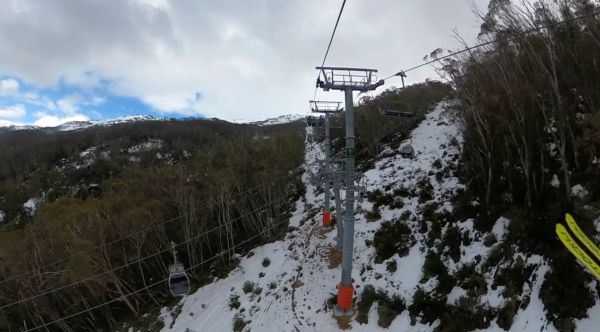
Thredbo to Replace Ageing Gunbarrel Quad With New Six-Seat Chairlift for 2028
Thredbo Alpine Resort has confirmed plans to replace its 37-year-old Gunbarrel quad chairlift with a new six-seat Doppelmayr D-Line, targeting winter 2028. The AUD 35 million project will keep travel time roughly the same but lift capacity from 2,800 to 3,000 skiers per hour. It's part of a broader investment push that also includes doubled snowmaking capacity at Friday Flat for 2027, with the ageing Kosciuszko Express now flagged as the resort's next major lift replacement after Gunbarrel.
31 Aug 2026