
The Overview
Michael Fulton
Melbourne-based skier and snowboarder with 50+ resorts across 5 continents. Specialises in Australian resorts and international resort comparisons.
Tsugaike Mountain Resort operates across 904 metres of vertical drop from 800 to 1,704 metres elevation, with 14 trails and 196 hectares of terrain covering 50 per cent beginner, 30 per cent intermediate and 20 per cent advanced grades. The resort receives 13 metres of average annual snowfall in the northern Hakuba Valley. A gondola provides direct summit access, serving wide cruising runs and lift-accessed tree zones that require a 20-minute safety briefing for entry. The resort holds five consecutive days of access on the Epic Pass alongside the Hakuba Valley Pass.
The lower mountain contains some of the widest beginner terrain in Hakuba, with green runs stretching 4,900 metres from summit to base. Mid-mountain terrain features long intermediate runs including the Han-no-ki course and Champion slope. The upper mountain accesses the Tsugapow DBD tree zone, divided into five gates from mellow powder runs to steep cliff terrain. Only one black diamond piste exists on the groomed trail network, whilst a terrain park operates near the summit, serviced by two pair lifts.
Tsugaike village maintains a traditional Japanese ski resort character, with ski-in ski-out lodging and limited nightlife compared to Happo One or Echoland 15 minutes south. The resort draws fewer international crowds than other Hakuba areas, operating night skiing on the lower mountain including Shirakaba, Karamatsu and Kane-no-naru-oka slopes during weekends and holiday periods. International ski schools offer private lessons in English and Chinese. The gondola base station houses Tsuga-no-yu hot spring baths and rental facilities, whilst a 50-metre moving walkway serves a dedicated children's learning area charging 500 yen.
Epic Pass holders receive five consecutive days with no blackout dates across all 10 Hakuba Valley resorts, requiring a physical RFID card rather than mobile pass. The Hakuba Valley Pass provides interchangeable access via a free shuttle bus network connecting all valley resorts. The 2025-26 season runs from 5 December to 29 March. Tsugaike suits families, first-time visitors and powder seekers looking for quieter slopes and backcountry access within Japan's Northern Alps.
904m
Vertical
14
Runs
484 acres
Skiable
13m
Annual snow
Epic Pass
Pass
The Terrain
14 runs across 484 acres skiable
Tsugaike sits at the northern end of the Hakuba valley in Nagano Prefecture, with 14 runs over 196 hectares and 904 metres of vertical between 800 metres and 1,704 metres. Half of its terrain is beginner, 30% intermediate and 20% advanced, with no expert grading, which makes it one of Hakuba's friendliest areas. The lift system includes a gondola, an aerial tram, seven quad chairs, six doubles and a triple. Gentle, broad slopes high on the mountain give learners room to practise, and the views toward the Northern Alps help make the long runs feel less like work.
The widest slopes are in the centre of the mountain, where cruisers can link long turns, and the longest descent covers about five kilometres. Official backcountry gates give advanced skiers a way into ungroomed sidecountry terrain, and a lift-served tree zone requires a safety briefing before entry. Night skiing runs on the lower slopes during busy periods. Tsugaike suits families, beginners and intermediates in particular, as well as backcountry-minded skiers who plan to go beyond the gates with guide support. Experts who want steep inbound groomers will find only a little, so look elsewhere in Hakuba for that.
Terrain split
14
runs
14 runs across 4 grades
Beginner7 runs · 50%
Intermediate4 runs · 30%
Advanced3 runs · 20%
Expert0 runs · 0%
Time it right
When to visit Tsugaike
The 2025-26 season opened on 5 December 2025 and closes on 29 March 2026, operating daily from 8am to 4:50pm. Tsugaike typically opens in early December alongside Hakuba Goryu and Happo One, benefiting from northern valley positioning. The resort averages 13 metres of annual snowfall, with the 2025-26 season recording 722 centimetres through mid-season. Elevation advantage at 1,704 metres summit maintains consistent snow quality through March, whilst the base at 800 metres requires occasional snowmaking support for lower runs.
January and February deliver peak powder conditions as Siberian air masses cross the Sea of Japan, depositing consistent snowfall across the Northern Alps. The resort's northern Hakuba location receives marginally heavier accumulation than resorts further south in the valley. Night skiing operates nightly during New Year holiday periods, then typically once weekly for the remainder of the season from 6pm to 9pm. Spring conditions from mid-March onwards see the Panorama Ropeway cable car open for backcountry access to higher elevation terrain, with corn snow developing on lower slopes.
December and early January offer uncrowded conditions before Japanese school holidays, whilst late January through February sees peak visitation and pricing. March delivers warmer temperatures, longer daylight and stable weather windows ideal for families and intermediates. The resort historically operated into early May in some seasons, though recent closures occur in late March or early April depending on snowpack. Weekend and holiday periods bring higher visitor numbers from domestic markets, with weekdays remaining quiet throughout the season.
The resort schedules terrain park features for late season when snowpack stabilises. The Tsugapow DBD tree zone opens subject to avalanche conditions and requires all participants to complete a safety briefing at Jackie's Kitchen near the top gondola station before receiving access armbands. Special events and programming details update four times weekly via slope reports. Advance discount lift tickets and season passes sell from September, with cancellation insurance available at 90 per cent refund rates if requested before pass issuance.
Season 2025-2026
5 Dec 2025
Opens
29 Mar 2026
Closes
114
Days open
13 m
Annual snow
Getting there
Getting to Tsugaike, and where to stay
Tsugaike Mountain Resort sits in Otari village, Kitaazumi District, in the northwestern corner of Nagano Prefecture bordering Niigata Prefecture to the north and west. The base village sits at 800 metres elevation in the northern Hakuba Valley, part of Japan's Northern Alps within Chubu-Sangaku National Park. The resort occupies the eastern slopes above the Himekawa River valley, with Mount Hakuba-Norikura-dake rising to 2,469 metres directly above the ski area. Otari village comprises fewer than 3,000 residents spread across 54 settlements, maintaining traditional satoyama mountain community character distinct from Hakuba's more developed southern villages.
Hakuba village sits 15 minutes south via shuttle bus, connecting to Happo One, Echoland and other valley accommodation centres. Nagano city lies 50 kilometres southeast, whilst Matsumoto sits 70 kilometres south. The village of Otari and Minami-Otari Station on the JR Oito Line provide the nearest rail access. Itoigawa city in Niigata Prefecture sits 30 kilometres north along the historic Senshi Kaido trade route that once transported salt and seafood between the Sea of Japan coast and inland Nagano.
Road access follows Route 148 north from Hakuba village, then turns west into Tsugaike via local roads for approximately 10 kilometres total from Hakuba. From Nagano city, drivers take the Nagano Expressway to Azumino IC, then general roads covering 52 kilometres in approximately 70 minutes. From Tokyo, the route follows the Chuo Expressway to Okaya Junction, then the Nagano Expressway to Azumino IC, totalling roughly four hours covering 295 kilometres. Free parking operates at a second lot 400 metres past the gondola, with the main gondola-adjacent lot charging 1,000 yen on weekends and holidays.
Nagano Airport sits 80 kilometres south, though most international visitors arrive via Tokyo's Narita or Haneda airports approximately 330 and 280 kilometres distant respectively. Direct express buses run from Nagano Station to Tsugaike in 90 minutes, departing four times daily. The journey from Tokyo requires the Hokuriku Shinkansen to Nagano Station, then the ALPICO express bus to Tsugaike, totalling approximately five hours. From Narita Airport, total transfer time reaches five and a half hours including train connections. Hakuba Valley shuttle buses connect all 10 valley resorts throughout the season, with Tsugaike positioned on the northern Cortina route operating every 30 minutes during peak periods.
Where to stay
Search all stays →Hotels and lodges near Tsugaike, powered by Stay22.
Latest News
From the SnowStash desk

Utah Ski Resorts 2026-27: What’s New at Alta, Deer Valley, Powder Mountain and More
Utah is still building flat out. For 2026-27, Powder Mountain opens a steep new Skytrac chair into more than 1,000 acres of advanced terrain, Deer Valley adds 200 acres on Hail Peak, Sundance gets a new quad and Park City adds a gondola from its new parking structure. Snowmaking is expanding almost everywhere, Eagle Point stays closed after the Cottonwood Fire, and the 2034 Games are setting the pace. Here’s what’s new, resort by resort.
13 Oct 2026

Vermont Ski Resort Opening Dates 2026-27: Few Dates Set, Killington Waits on the Cold
Vermont's season is slow to take shape. Stratton is tentatively targeting 18 November and Sugarbush 21 November, while Pico has Friday 11 December on the calendar. Killington never sets a date and opens when the snowmaking allows, and Vail Resorts has yet to name days for Stowe, Okemo and Mount Snow. The forecasts disagree about snow, and the main El Niño worry for the Green Mountains is warmth.
9 Oct 2026

Crans-Montana 2027 World Championships President Resigns Ahead of Fraud Hearing
Less than four months out from the Crans-Montana 2027 World Championships, the man running the organising committee has stepped down. Claude-Alain Schmidhalter resigned as Swiss-Ski vice president and OC president after being indicted over a business dispute unrelated to skiing. He denies the allegations and faces court on October 27. Interim leaders are in place for the February 1-14 event.
9 Oct 2026

Kelly Canyon, Idaho, Adds Snowmaking, a Bigger Terrain Park and More Parking for 2026-27
Kelly Canyon had a rough 2025-26, and the Idaho resort has spent the summer making sure it doesn’t repeat. Snowmaking now reaches the top of Goldrush, the terrain park is doubling in size with a stereo system, lights and a snack shack, and the car park is getting bigger. Grooming is stepping up too. Target opening is December 4, conditions permitting.
9 Oct 2026
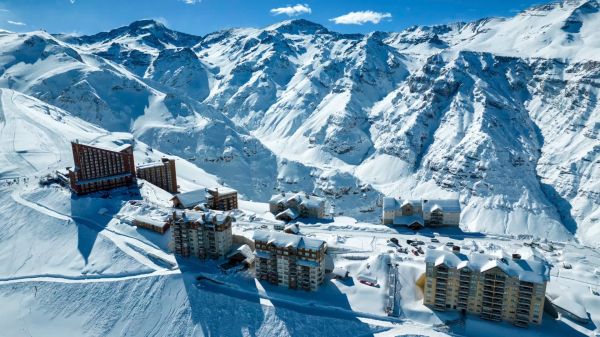
Valle Nevado Extends Season to November 8 After 108 cm in 48 Hours
Winter was meant to be winding down in Chile. Then Valle Nevado took 108 cm in 48 hours in early October, and the resort has pushed its closing date out to November 8 - its latest in 38 years of operation. That makes 143 days of skiing since opening day on June 19, with 690 cm banked for the season. Only part of the mountain is running while the storm settles, so check the mountain report before you plan a trip.
9 Oct 2026
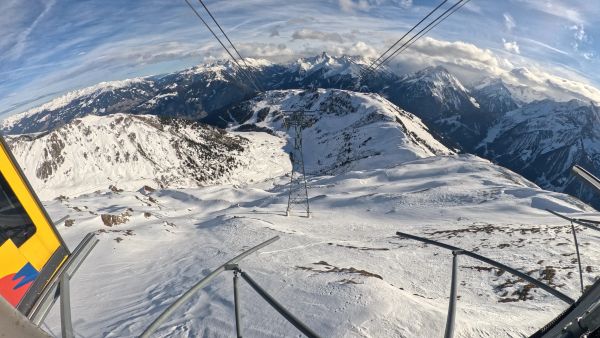
Alps Snow Forecast: Cold Front Brings Thursday Snow to the High Alps
The Alps look a lot more like winter today, for a day or so. A cold front is moving west to east, dropping up to 35 cm on high glaciers and peaks, with snow levels falling to around 1,500-1,800 m at times. Don’t plan a trip around it: mid-elevation snow will be thin and wet, every area is closed bar a limited Sölden glacier opening tomorrow, and warmer weather returns by Monday.
8 Oct 2026
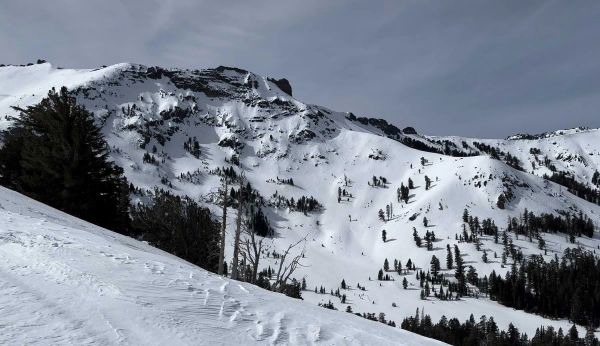
California Ski Resort Opening Dates 2026-27: Mammoth Leads, Tahoe Follows
Mammoth Mountain is first up in California, targeting Friday 13 November after a dusting of September snow. Heavenly and Northstar follow on 20 November, Palisades Tahoe on Wednesday 25 November and Sugar Bowl on 27 November, with Kirkwood on 4 December and June Mountain on 19 December. Plenty of smaller areas have no date yet. A super El Niño favours the Sierra, but a warmer storm track is the catch.
7 Oct 2026
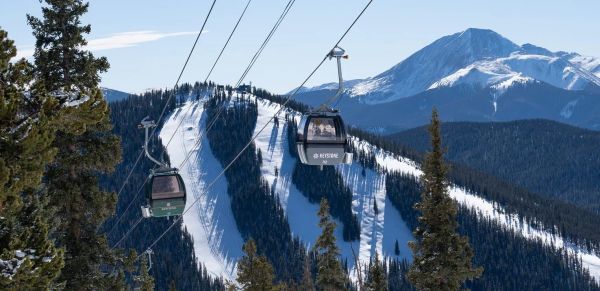
Colorado Ski Resort Opening Dates 2026-27: A-Basin and Keystone Race to Be First
Arapahoe Basin, Keystone and Winter Park are all chasing an October start, though none has a firm date yet. The first dated openers are Breckenridge and Copper on Friday 6 November, then Vail on 13 November, with most of the rest bunched around US Thanksgiving. Hesperus did not open at all last season. A super El Niño offers hope but no guarantee, and forecasters say the southern mountains have the better odds.
5 Oct 2026