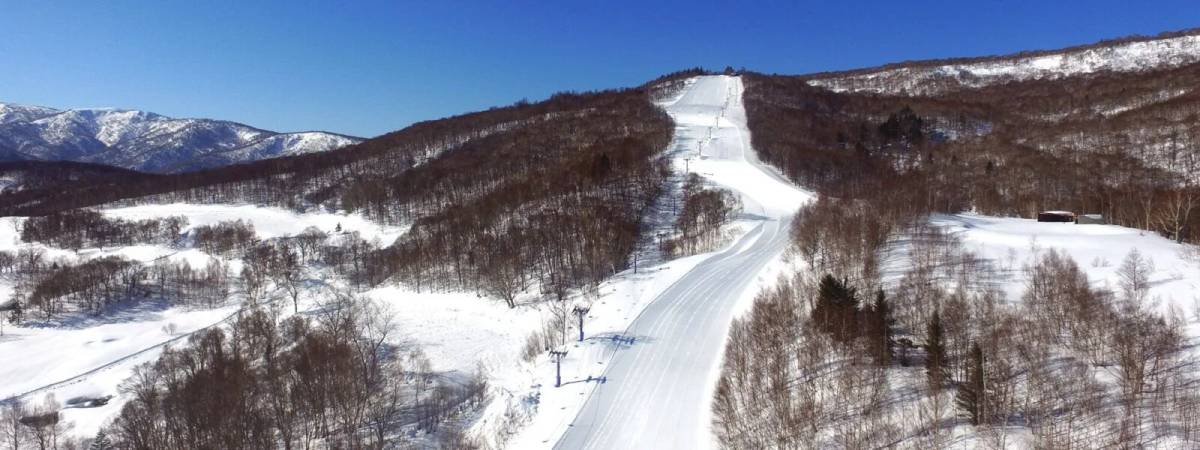
Asarigawa Onsen
540m vertical, 8 runs, Sea of Japan views. 9km from Otaru, Hokkaido. Onsen packages from ¥4,500. Free skiing for kids.

Season 2025-2026
Opens
5 Dec 2025
Closes
29 Mar 2026
Days open
114
Annual snow
8m
The Overview
Michael Fulton
Melbourne-based skier and snowboarder with 50+ resorts across 5 continents. Specialises in Australian resorts and international resort comparisons.
Asarigawa Onsen operates across 540 vertical metres between 140 and 680 metres elevation, spreading 8 runs over 35 hectares in the Asarigawa Onsen valley 9 kilometres southeast of Otaru. The resort receives approximately 8 metres of annual snowfall and offers direct views of Ishikari Bay and the Sea of Japan from lift-served slopes. Elementary school children and younger ski free when accompanied by adults, and single-day lift tickets start at 3,200 yen. The base elevation sits below 150 metres, making this one of Hokkaido's lowest ski areas.
Terrain divides into 30 per cent beginner, 40 per cent intermediate, and 30 per cent advanced runs across 8 named courses including a 3,000-metre top-to-bottom descent on the Yellow Course. Tree skiing zones flank the upper mountain near the Purple lift, whilst mogul fields develop naturally on steeper groomed runs. The resort includes a terrain park built by the No-Rickers crew with small, medium, and large jumps plus rails and boxes. Wide intermediate cruisers dominate the mountain's midsection.
The day lodge delivers traditional Japanese ski-jo amenities including cafeteria curry, equipment rental counters, and a tune shop. Snow escalators at the base area transport beginners uphill without requiring lift skills. Free parking sits adjacent to the base facilities, and the compact layout allows boot-to-chair transitions in minutes. Crowds remain light throughout the season, particularly on weekdays when local ski clubs and families populate the slopes.
Ski and onsen combination packages at 4,500 yen grant same-day access to natural hot springs in the Asarigawa Onsen village at the base. Season passes cost 32,000 yen for unlimited access from December through March. The 2025-2026 season runs 5 December to 29 March. Low elevation makes Asarigawa ideal when wind closes higher resorts like Kiroro, Sapporo Teine, or Sapporo Kokusai, and proximity to Sapporo and Otaru suits day-trippers seeking uncrowded powder without international resort pricing.
540m
Vertical
8
Runs
86 acres
Skiable
8m
Annual snow
The Terrain
8 runs across 86 acres skiable
Asarigawa Onsen is a small, low-lying Hokkaido ski area near Otaru. Its 35 hectares drop 540 vertical metres from 680 metres to just 140 metres above sea level. Eight runs are split 30% beginner, 40% intermediate and 30% advanced, with no expert-rated terrain, so the mountain is more about variety than scale. Three double chairs and a triple do the work, and the compact layout means you rarely waste time getting back to the top. It suits Japan-bound skiers who want a quiet local hill rather than a big-name resort, and the sea views help.
The Yellow Course is the long one, a top-to-bottom run of around three kilometres that lets intermediates stretch their legs. Wide cruisers fill the middle of the mountain, while steeper groomed pitches tend to build moguls as the day goes on. Near the Purple lift, the upper slopes carry tree skiing for those who like to leave the groomers, though conditions depend on the snow. A terrain park with small, medium and large jumps adds something for freestyle skiers. Families and early intermediates will get the most from it, and strong skiers can treat it as a pleasant half-day add-on to a Sapporo trip.
Terrain split
8
runs
8 runs across 4 grades
Beginner2 runs · 30%
Intermediate3 runs · 40%
Advanced2 runs · 30%
Expert0 runs · 0%
Time it right
When to visit Asarigawa Onsen
The 2025-2026 season opens 5 December 2025 and closes 29 March 2026, delivering approximately 16 weeks of operation subject to snow conditions. Lifts typically operate 9:00 to 16:00 on weekdays and 8:30 to 17:30 on weekends and holidays from late December through February. Hours reduce to 9:00 to 16:00 during shoulder periods in early December and late March. Dates may shift based on snowpack development and spring melt rates.
Annual snowfall averages 8 metres across the season with the snowiest period typically occurring in late December when 46 centimetres can fall during a single week. The fourth week of December historically records 6.4 snowy days. Low base elevation at 140 metres means snow quality varies more than higher Hokkaido resorts, though northeast-facing aspects help preserve powder between storms. Snowmaking infrastructure is minimal given Hokkaido's natural snow reliability.
January and February deliver the most consistent conditions with stable cold temperatures and regular storm cycles from the Sea of Japan. Late December through mid-February offers optimal powder timing, whilst March brings spring corn snow and longer daylight. Weekdays see significantly lighter crowds than weekends, with minimal competition for fresh snow in tree zones and ungroomed areas. The resort's low elevation provides refuge during high-wind days that shut down exposed mountaintop lifts at neighbouring resorts.
No major events calendar or festival programming is advertised for the season. The resort caters primarily to local families, school ski programmes, and day-trippers from Sapporo and Otaru rather than destination tourists. Combined ski-and-onsen packages encourage post-skiing relaxation in the adjacent hot spring village. Freestyle lessons with the No-Rickers crew cost 1,000 yen for 90 minutes, representing exceptional value for terrain park instruction.
Season 2025-2026
5 Dec 2025
Opens
29 Mar 2026
Closes
114
Days open
8 m
Annual snow
Getting there
Getting to Asarigawa Onsen, and where to stay
The resort sits in the Asarigawa Onsen valley within Otaru city limits in western Hokkaido's Shiribeshi subprefecture. Base elevation at 140 metres places the mountain just inland from Ishikari Bay on the Sea of Japan coast. The small hot spring village of Asarigawa Onsen clusters at the base with hotels, pensions, and day-use onsen facilities. Summit views at 680 metres span Otaru city, the Ishikari coastline, and the Mashike mountain range across the bay.
Otaru city centre lies 9 kilometres northwest, a 15-minute drive or 20-minute bus journey from JR Otaru Station. Sapporo sits 35 kilometres southeast, approximately 40 minutes by car via the Sasson Expressway or one hour by bus. Otaru developed as Hokkaido's primary port city in the early 20th century and retains historic canal districts, glassworks, and seafood markets. The city population exceeds 107,000 with strong tourism infrastructure supporting visitors to nearby ski areas.
The Sasson Expressway's Asari Interchange sits 5 minutes from the resort base via local roads. Driving time from Sapporo runs 40 minutes in normal conditions using the Douou Expressway to Asari IC. Road access remains straightforward year-round as studless winter tyres handle most conditions on the valley approach. Free parking at the base accommodates day visitors without advance reservation requirements.
New Chitose Airport sits approximately 80 kilometres southeast, a 60-minute drive or 90-minute journey by combining the Rapid Airport train to Otaru with onward bus service. Direct JR Rapid Airport trains connect New Chitose to Otaru-Chikko or Otaru stations in 75 minutes with departures every 15 minutes during daylight hours. Chuo Bus operates regular service from Otaru Station to the Asarigawa Onsen bus stop with 30-minute travel time, followed by a 5-minute walk to lifts. Buses also connect from Sapporo's Nakajima Koen subway station for 820 yen each way.
Where to stay
Search all stays →Stays map loads when you scroll here
Hotels and lodges near Asarigawa Onsen, powered by Stay22.
Latest News
From the SnowStash desk

Utah Snow Storm Builds Early-Season Base Ahead of November Openings
Rain down low, snow up high, and a snow report full of zeros that mostly means ‘not updated yet’. Utah’s first proper storm of 2026-27 is rolling through the Wasatch, Snowbird’s snow stake is closing in on 10 inches, and Brian Head is five days from opening day. Early November snow rarely looks like much, but it is the layer every November opening date is built on. Here is where it stands.
1 Nov 2026
Sierra Nevada Halloween Storm: Dodge Ridge Forecast to Lead With 19 Inches
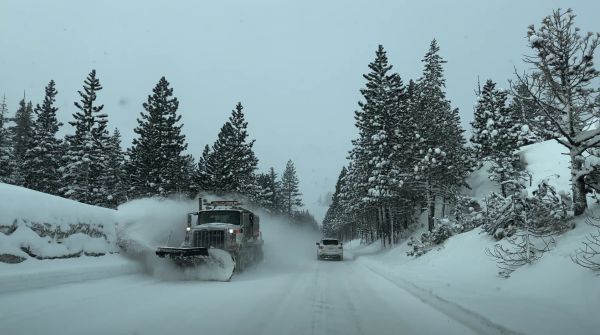
Halloween weekend brings a wet, windy storm to the Sierra Nevada. Our five-day forecast has Dodge Ridge on top with 19 in, followed by Bear Valley at 15 in and Mammoth Mountain at 12 in, with most of it landing on Saturday. A winter weather advisory covers the Tahoe Basin and Mono County until 7 AM Sunday, gusts could reach 47 mph and the freezing level swings between 4,900 and 8,700 ft, so some bases will see rain. A dry spell follows from Monday.
31 Oct 2026
Lake Louise Opens Early on 1 November With Juniper Express and Easy Street
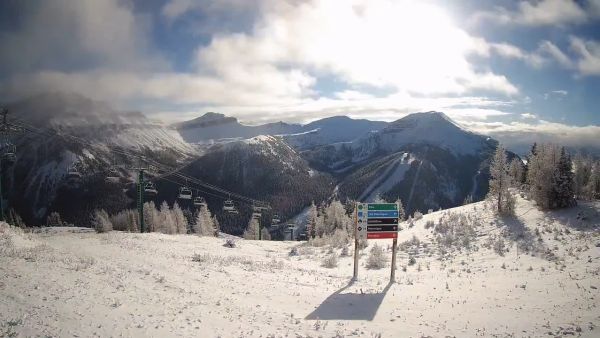
The Rockies get their first lift-served turns of the season early. Lake Louise opens Sunday 1 November, five days ahead of schedule, after a cold October and round-the-clock work from the snowmaking and mountain crews. Terrain is limited to Juniper Express Chair and Easy Street, with two small terrain parks and the beginner area for lessons. Opening-day tickets are over 60% off, with prices rising as more lifts open. First chair is at 9:30 am under the resort’s new lift hours.
31 Oct 2026
Kitzbüheler Horn Summit Cable Car to Be Replaced After 70 Years
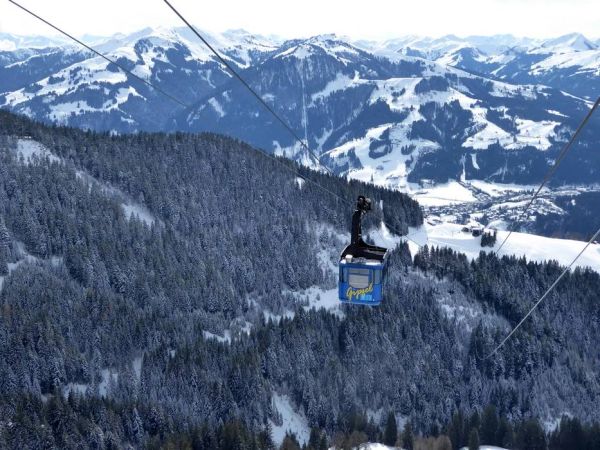
A Tyrolean summit lift that has been carrying guests up the Kitzbüheler Horn since 1955 is on borrowed time. Its licence runs to 2045, but a new inspection rule has made refurbishment uneconomic, so Bergbahn AG Kitzbühel will spend around €15 million on a replacement on the same line. It should hold roughly 100 people and keep running in winds that would stop today’s lift. Building starts in autumn 2027, which makes this winter and next summer the last chances to ride the old one.
30 Oct 2026
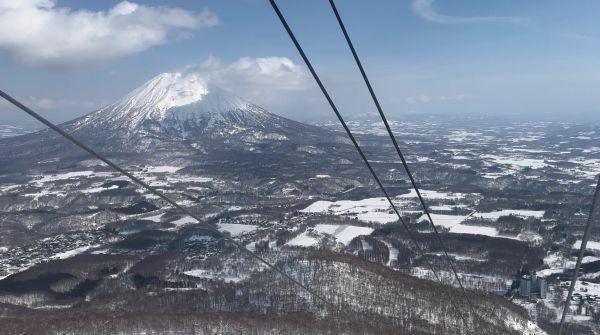
What’s New in Japan Skiing This Winter: Niseko Gondola, a Private Resort and a Bigger Ikon Pass
Niseko Village is replacing a lift from the early 1980s with an eight-person gondola, Tsugaike gets a six-person chairlift, Madarao joins the Ikon Pass and Togari opens Asia’s first private ski resort. Here’s what is actually new in Japan skiing for 2026/27, plus what is still a year or two away.
30 Oct 2026
Wolf Creek Opens on Halloween Weekend as Colorado’s Early Season Gathers Pace
Colorado’s early-season dominoes keep falling. Arapahoe Basin opened on Wednesday, Keystone follows on Friday, and now Wolf Creek is joining in on Saturday 31 October, just in time for Halloween. A storm on 23 and 24 October left 20 inches of natural snow in the San Juans, and three lifts will turn from 9:00 am, covering about 30% of the mountain. Expect rocks, unmarked obstacles and open water, but also Local Appreciation lift tickets at $73 for adults.
30 Oct 2026
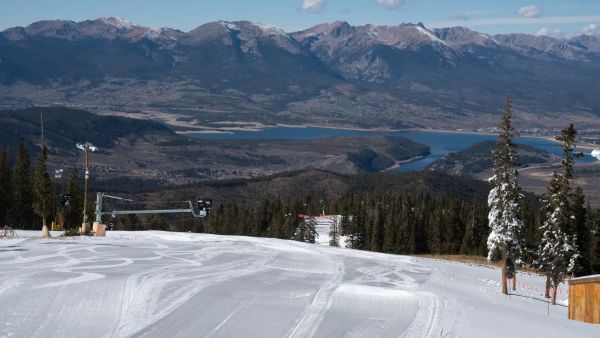
Keystone Resort Opens for 2026/27 With More Than Two Miles of Skiing
Keystone is next. After Arapahoe Basin claimed the first chairlift skiing of the season on Wednesday, Keystone opens on Friday 30 October at 9:00 am with more than two miles of snowmaking-built terrain on Schoolmarm and Silver Spoon, plus free donuts, coffee and a live DJ. Last year the order was reversed, when Keystone squeezed in a three-hour afternoon session to beat A-Basin by a day. Snowmaking has been running since 15 October.
29 Oct 2026
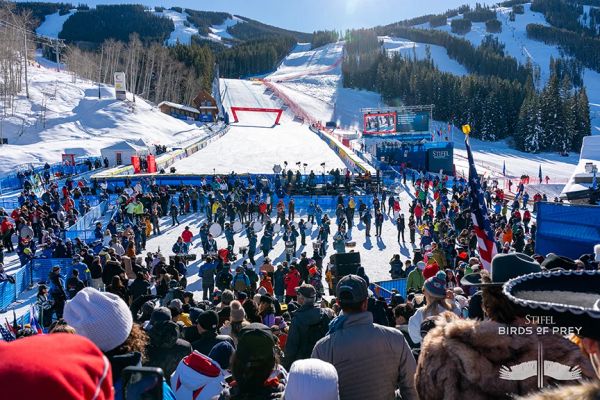
Beaver Creek Installs 16 Automated Snow Guns on Birds of Prey Ahead of Record World Cup
Beaver Creek is getting ready for the biggest Birds of Prey ever, and this time it is not leaving the snow to chance. Crews started making snow on 27 October with 16 newly installed automated guns on the lower third of the course, after last December’s warm spell forced a downhill off the schedule. Seven races across two weekends run from 3 to 13 December, the most the course has hosted since its 1997 debut, and the guns start themselves whenever the weather allows.
29 Oct 2026
Asarigawa Onsen Lift Tickets
Asarigawa Onsen lift tickets & passes
The 2025-2026 season at Asarigawa Onsen closed on Mar 29, 2026. Check back for next season's opening date and ticket pricing.
Day passes start from ¥2,500, with peak rates up to ¥5,000.
7 pass options
Single-day passes
Adult 18–64
Adult 1-Day Pass
¥3,200up to ¥3,600 peak
Full day access to Asarigawa Onsen's 6 beginner-friendly courses near Sapporo. Perfect for learning to ski with onsite hot springs for post-skiing relaxation.
Buy passSenior 60–99
Senior 1-Day Pass (60+)
¥2,700up to ¥3,000 peak
Senior discount for ages 60+ at Asarigawa Onsen. Full access to gentle beginner terrain with hot springs relaxation and reduced pricing near Sapporo.
Buy passYouth 13–18
Youth 1-Day Pass
¥2,500up to ¥2,800 peak
Youth pricing for students at Asarigawa Onsen with perfect beginner terrain. Ideal learning environment for young skiers with hot springs relaxation near Sapporo.
Buy passChild 0–12
Child (Elementary & Under)
Free
Free skiing for elementary students and younger at Asarigawa Onsen when accompanied by adult. Complimentary access to perfect beginner terrain with hot springs facilities.
Buy passAdult 18–64
Ski & Onsen Package
¥4,500up to ¥5,000 peak
Combined skiing and hot springs package at Asarigawa Onsen. Full day skiing plus onsen relaxation perfect for families and beginners near Sapporo.
Buy passHalf-day passes
Adult 18–64
Adult Half-Day Pass
¥2,500up to ¥2,800 peak
Half-day skiing at Asarigawa Onsen starting from 1:00pm. Perfect for afternoon beginner sessions followed by relaxing hot springs experience near Sapporo.
Buy passSeason passes
Adult 18–64
Season Pass (Adult)
¥32,000
Unlimited access to Asarigawa Onsen all season with hot springs benefits. Perfect for local beginners wanting affordable skiing with relaxation facilities near Sapporo.
Buy passLift tickets FAQ
How much does a Asarigawa Onsen day pass cost?
Asarigawa Onsen day passes range from ¥2,500 to ¥5,000 depending on the date and advance booking.
Can I buy Asarigawa Onsen lift tickets online?
Yes, you can purchase tickets directly from the resort website or at the resort ticket office.
Are there discounts for multi-day passes?
Yes, multi-day packages typically offer significant savings compared to individual day passes. The per-day cost decreases with longer stays.
What is included with a Asarigawa Onsen lift ticket?
Full access to all lifts and trails at Asarigawa Onsen, including mountain safety and patrol services.
What is the difference between Asarigawa Onsen lift tickets and ski passes?
"Lift tickets" and "ski passes" refer to the same thing at Asarigawa Onsen - your access to the mountain's lifts and trails for your chosen duration.
When should I buy Asarigawa Onsen lift tickets for the best price?
Purchase tickets at least 7 days in advance for the best rates, and consider weekday visits for further savings over weekend rates.
Does Asarigawa Onsen offer group discounts on lift tickets?
Group discounts are typically available for parties of 10 or more. Contact Asarigawa Onsen directly for group booking information and rates.
How can I check current conditions before buying tickets?
Before purchasing, check the live snow report and mountain webcams to see current weather, snow conditions, and lift operations at Asarigawa Onsen.
More Asarigawa Onsen intelligence: snow report, webcams, resort overview.