
The Overview
Michael Fulton
Melbourne-based skier and snowboarder with 50+ resorts across 5 continents. Specialises in Australian resorts and international resort comparisons.
Bankei Ski Area spans 200 to 483 metres elevation across 17 runs and 40 hectares of terrain. The resort receives 8 metres of annual snowfall and operates from early December through late March. Terrain splits 30 per cent beginner, 40 per cent intermediate and 30 per cent advanced across three base sectors. The vertical drop of 283 metres concentrates primarily in the central area, whilst east and west zones offer shorter pitches. The resort features an FIS-certified mogul course and a 180-metre halfpipe claimed as one of Japan's largest. February 2017 saw Bankei host Asian Winter Games freestyle mogul and snowboard halfpipe competitions.
The ski area's north-facing aspect helps preserve snow quality despite its low elevation. Runs commence steep at the top before mellowing toward the base. The central sector delivers the longest continuous descent, whilst flanking areas cater to families and progression terrain. School groups frequent weekdays, creating concentrated traffic on narrower runs. The Waku Waku Snowland occupies a separate zone for tubing, sledding and snow striders.
Bankei operates until 22:00 nightly, making it Sapporo's go-to venue for after-work skiing. The extended hours attract locals who value proximity over powder depth. On-mountain facilities include East House, Center Lodge, West House and Bankeien, housing rentals, dining and lessons. A Welcome Team provides English-language support for international visitors. March 2026 will see the resort host FIS Snowboard World Cup halfpipe competition.
No multi-resort pass affiliations apply. Adult day tickets run ¥4,200 to ¥4,600, with half-day and night-only options providing budget flexibility. Season passes cost ¥42,000. Children in elementary school and younger ski free. The resort suits Sapporo-based skiers seeking convenience, families wanting manageable terrain, and intermediates comfortable with compact vertical. Powder hunters and expert skiers requiring extensive steep terrain should look elsewhere in Hokkaido.
283m
Vertical
17
Runs
99 acres
Skiable
8m
Annual snow
The Terrain
17 runs across 99 acres skiable
Bankei Ski Area sits beside Sapporo on a compact 40 hectares and runs only 283 vertical metres, from 483 metres down to 200 metres, but it packs in 17 runs. The grading is 30% beginner, 40% intermediate and 30% advanced, with no expert terrain listed. Four double chairs and a triple spread skiers across three base sectors, with the central area holding the longest continuous fall line and the flanks given over to gentler learning slopes. Because the hill faces north, the snow holds up better than the modest elevation would suggest. For visitors to Sapporo, it is a practical, city-edge option rather than a destination mountain.
Bankei is best known for competition terrain. An FIS-certified mogul course and a 180-metre halfpipe both sit on the mountain, and the hill staged freestyle events at the 2017 Asian Winter Games. Runs start steep at the top and ease off toward the base, so the pitch is at its most demanding in the first minute or so of each lap. Night skiing runs late, which makes sense for people finishing work in town. The separate Waku Waku Snowland handles tubing and sledding for non-skiers. Intermediates and freestyle skiers get the most from it, while powder hunters should look further north.
Terrain split
17
runs
17 runs across 4 grades
Beginner5 runs · 30%
Intermediate7 runs · 40%
Advanced5 runs · 30%
Expert0 runs · 0%
Time it right
When to visit Bankei Ski Area
The 2025-2026 season runs 5 December 2025 through 29 March 2026, delivering nearly four months of operations. Typical seasons open early December and close late March, weather permitting. Weekend and holiday operations may commence at 08:30, whilst weekday skiing begins at 09:00. Night skiing commences at 16:00. The resort adjusts hours during winter break periods when extended access runs until 22:00.
Annual snowfall averages 8 metres, significantly less than higher-elevation Hokkaido destinations. Mid-winter base depths typically reach 1.2 metres. The 200-metre base elevation limits natural snow reliability compared to resorts starting above 400 metres. North-facing slopes help preserve snow quality through spring. High skier traffic and the urban microclimate can degrade on-piste conditions during warm spells or extended dry periods.
January and February deliver peak snow conditions and coldest temperatures. December sees inconsistent coverage as the snowpack builds. March brings spring conditions with firmer morning snow softening through afternoon sessions. Night skiing offers better surface quality when temperatures drop after dark. Late-week visits avoid the weekend school group congestion that defines weekday character during term time.
The resort hosted the March 2026 FIS Snowboard World Cup halfpipe event, with competition scheduled 6-8 March on the 180-metre pipe. No major festivals or signature events anchor the calendar beyond this international competition. Daily night skiing remains the resort's operational hallmark, differentiating Bankei from daylight-only alternatives around Sapporo. Quieter periods fall mid-December before winter holidays and weekday mornings in January.
Season 2025-2026
5 Dec 2025
Opens
29 Mar 2026
Closes
114
Days open
8 m
Annual snow
Getting there
Getting to Bankei Ski Area, and where to stay
Bankei occupies Chuo Ward within Sapporo city limits, 9 kilometres southwest of Sapporo Station. The resort sits at the mountain's base at 200 metres elevation, with the 483-metre summit visible from central Sapporo. Urban development surrounds the lower slopes, placing the ski area firmly within metropolitan Sapporo rather than a mountain valley setting. The site has operated since 1960 as the city's most accessible winter sports venue.
Downtown Sapporo lies 20 minutes away by car, making the resort a genuine urban ski hill. Maruyama Koen, Hassamu-Minami and Makomanai subway stations provide public transport gateways, each roughly 15 minutes by bus to the slopes. The ski area's address at 410 Bankei, Chuo-ku places it within the same ward as Sapporo's entertainment and business districts. Susukino nightlife, Odori Park and the clock tower sit within 9 kilometres.
Route 89 provides direct road access from central Sapporo, with the journey taking 20 minutes in normal traffic. No motorway tolls apply within Sapporo proper. Drivers from other Hokkaido regions access the area via Sasson Expressway to Sapporo Kita Interchange, then 11 kilometres on local roads. Free parking spreads across three base lodges, with central lots filling early on weekends. Taxi packages and rental car options suit visitors without vehicles.
New Chitose Airport sits 45 kilometres southeast, roughly 40 minutes by road or 40 minutes via JR Rapid Airport train to Sapporo Station. The airport serves 30 domestic routes and select international destinations, ranking as Japan's fifth-busiest terminal. From Sapporo Station, regular buses run to Bankei, or taxis complete the 9-kilometre journey in 20 minutes. No direct airport shuttle operates. The resort's urban location makes it ideal for visitors combining Sapporo sightseeing with accessible skiing.
Where to stay
Search all stays →Hotels and lodges near Bankei Ski Area, powered by Stay22.
Latest News
From the SnowStash desk

Vermont Ski Resort Opening Dates 2026-27: Few Dates Set, Killington Waits on the Cold
Vermont's season is slow to take shape. Stratton is tentatively targeting 18 November and Sugarbush 21 November, while Pico has Friday 11 December on the calendar. Killington never sets a date and opens when the snowmaking allows, and Vail Resorts has yet to name days for Stowe, Okemo and Mount Snow. The forecasts disagree about snow, and the main El Niño worry for the Green Mountains is warmth.
9 Oct 2026
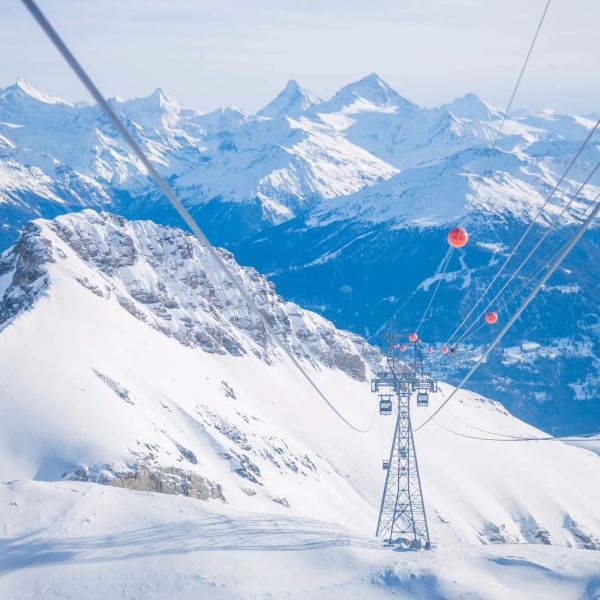
Crans-Montana 2027 World Championships President Resigns Ahead of Fraud Hearing
Less than four months out from the Crans-Montana 2027 World Championships, the man running the organising committee has stepped down. Claude-Alain Schmidhalter resigned as Swiss-Ski vice president and OC president after being indicted over a business dispute unrelated to skiing. He denies the allegations and faces court on October 27. Interim leaders are in place for the February 1-14 event.
9 Oct 2026
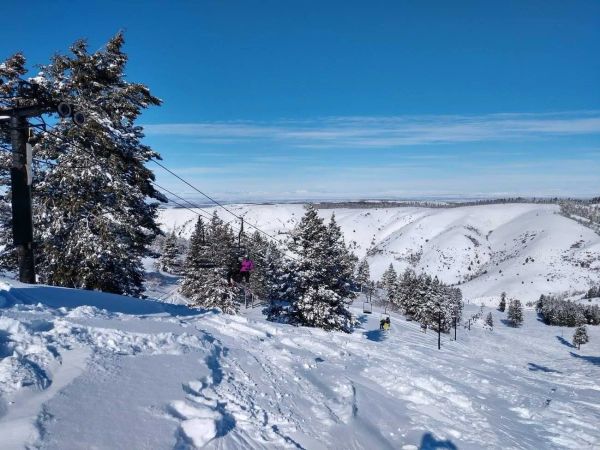
Kelly Canyon, Idaho, Adds Snowmaking, a Bigger Terrain Park and More Parking for 2026-27
Kelly Canyon had a rough 2025-26, and the Idaho resort has spent the summer making sure it doesn’t repeat. Snowmaking now reaches the top of Goldrush, the terrain park is doubling in size with a stereo system, lights and a snack shack, and the car park is getting bigger. Grooming is stepping up too. Target opening is December 4, conditions permitting.
9 Oct 2026
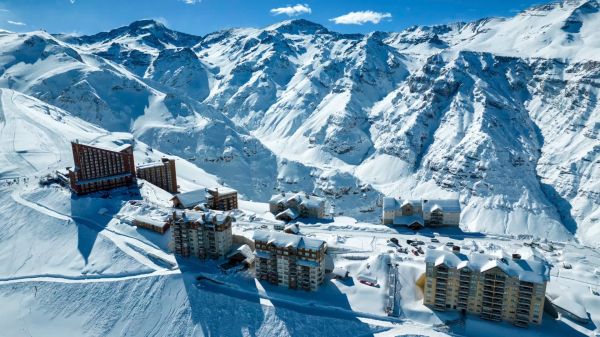
Valle Nevado Extends Season to November 8 After 108 cm in 48 Hours
Winter was meant to be winding down in Chile. Then Valle Nevado took 108 cm in 48 hours in early October, and the resort has pushed its closing date out to November 8 - its latest in 38 years of operation. That makes 143 days of skiing since opening day on June 19, with 690 cm banked for the season. Only part of the mountain is running while the storm settles, so check the mountain report before you plan a trip.
9 Oct 2026
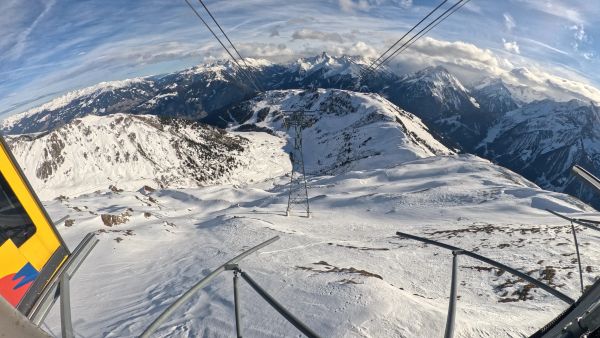
Alps Snow Forecast: Cold Front Brings Thursday Snow to the High Alps
The Alps look a lot more like winter today, for a day or so. A cold front is moving west to east, dropping up to 35 cm on high glaciers and peaks, with snow levels falling to around 1,500-1,800 m at times. Don’t plan a trip around it: mid-elevation snow will be thin and wet, every area is closed bar a limited Sölden glacier opening tomorrow, and warmer weather returns by Monday.
8 Oct 2026
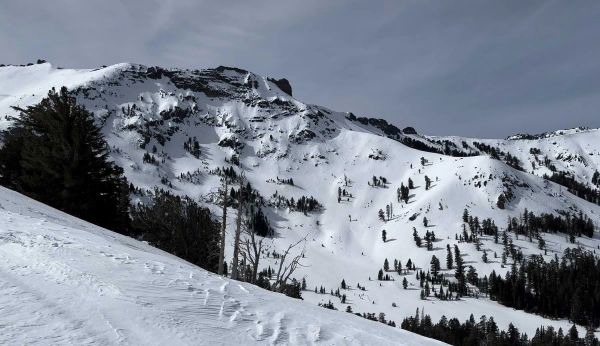
California Ski Resort Opening Dates 2026-27: Mammoth Leads, Tahoe Follows
Mammoth Mountain is first up in California, targeting Friday 13 November after a dusting of September snow. Heavenly and Northstar follow on 20 November, Palisades Tahoe on Wednesday 25 November and Sugar Bowl on 27 November, with Kirkwood on 4 December and June Mountain on 19 December. Plenty of smaller areas have no date yet. A super El Niño favours the Sierra, but a warmer storm track is the catch.
7 Oct 2026
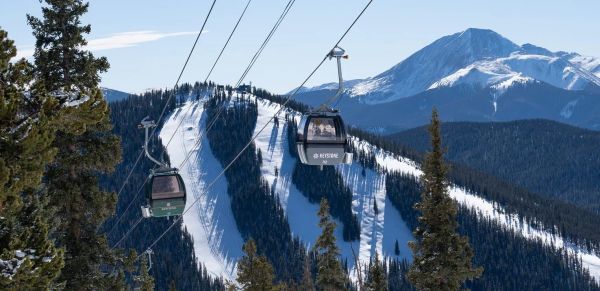
Colorado Ski Resort Opening Dates 2026-27: A-Basin and Keystone Race to Be First
Arapahoe Basin, Keystone and Winter Park are all chasing an October start, though none has a firm date yet. The first dated openers are Breckenridge and Copper on Friday 6 November, then Vail on 13 November, with most of the rest bunched around US Thanksgiving. Hesperus did not open at all last season. A super El Niño offers hope but no guarantee, and forecasters say the southern mountains have the better odds.
5 Oct 2026
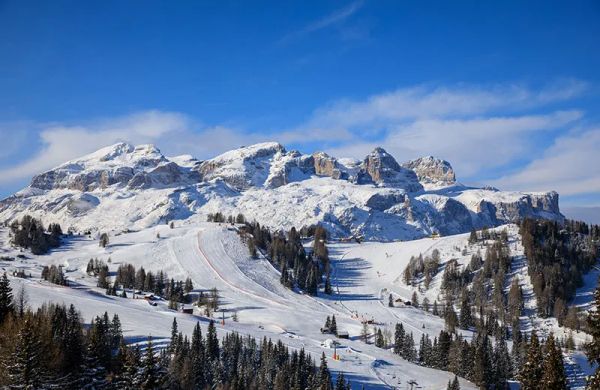
Dolomiti Superski 2026-27: Four New Gondolas, New Reservoirs and an €89 Peak Day Pass
Dolomiti Superski is spending around €100 million across its 12 areas before winter. Kronplatz gets a new 10-passenger gondola with a middle station, 3 Zinnen gets Helmissimo, and Val di Fassa swaps a chairlift for a gondola above Col Valvacin. New water-storage basins and upgraded snowmaking follow, and construction has started on the San Martino to Passo Rolle link. A peak adult day pass is €89.
4 Oct 2026
Bankei Ski Area Snow Report
Snow Report
Awaiting live data
483m
summit
+0cm
new snow · last 24 hours
-°C / -°C · - -
Snowfall
24 hours
0cm
48 hours
0cm
7 days
0cm
Base depth
-
Season total
-
Total lifts5
Live open status isn’t available right now.
5 Dec 2025 - 29 Mar 2026
Hour by Hour
Next 40 hours· Updated Oct 12, 2026 at 5:02 AM
Scroll for the full outlook · Open-Meteo
7-Day Outlook
483 mUpdated Oct 12, 2026 at 5:02 AMOpen-Meteo
Days 1–7
0.0cm
Days 8–14
0.0cm
Mon, Oct 12
Drizzle
Temp19° / 9°°C
Snow0.0cm(25%)
Wind7 km/h SW
Live snow from the resort feed; forecast from Open-Meteo, via Supabase.
Understanding the Bankei Ski Area snow report
Track current conditions at Bankei Ski Area in Hokkaido. This report covers snowfall totals, base and summit depth, and the forecast across 17 runs.
Snow measurements
Base depth, summit depth, and recent snowfall are the core numbers to watch. At Bankei Ski Area, summit conditions (483m) can differ noticeably from the base, so we break both out separately rather than showing a single average.
Weather conditions
Snow quality tracks closely with temperature and wind. We surface both alongside the snowfall data so you can judge whether conditions at Bankei Ski Area are holding up or starting to soften.
Data sources
We pull Bankei Ski Area's conditions from on-the-ground mountain reporting, then layer in forecast data so you get a fuller picture than either source alone. The mountain is served by 5 lifts in total.
When to check
Snow reports are typically updated early morning and late afternoon. For the most current conditions, check back regularly, especially if a winter storm is approaching.