
The Overview
Michael Fulton
Melbourne-based skier and snowboarder with 50+ resorts across 5 continents. Specialises in Australian resorts and international resort comparisons.
Sapporo Kokusai operates across 470 metres of vertical drop between 630 and 1100 metres elevation on the eastern slope of Mount Asari. The resort encompasses 7 courses and 14 named runs across 161 acres, with terrain split 35 per cent beginner, 47 per cent intermediate and 18 per cent advanced. Annual snowfall averages 18 metres, positioning the resort amongst Hokkaido's heaviest snowfall zones. The base sits within Sapporo city limits 46 kilometres from the city centre, making it the highest elevation resort in the municipal area.
The longest run stretches 3.6 kilometres through forested terrain along the Woody Trail and Fairy Tale Trail. The Downhill course drops from summit to base with gradients reaching 30 degrees, typically left ungroomed to develop moguls. Echo Quad services upper mountain powder zones near the 1100-metre summit, whilst the Sky Cabin gondola provides direct access to advanced terrain. Terrain distribution favours progression, with the Family Course exceeding 100 metres in width.
The base lodge handles day-trippers from Sapporo and Otaru, with no slopeside accommodation at the resort itself. Operating hours run 9:00 to 17:00 on weekdays and 8:30 to 17:00 on weekends and holidays, with no night skiing offered. Jozankei Onsen sits 19 kilometres south, providing traditional ryokan lodging and hot springs. The compact footprint concentrates crowds at weekends, though off-piste tree skiing between marked runs absorbs traffic on powder days.
The 2025-2026 season opened 21 November and runs through 31 March. Adult day tickets cost 4500 yen midweek and 5000 yen at weekends, with season passes available for 45,000 yen. Elementary school children ski free. The resort operates independently without multi-resort pass affiliation. The setup suits powder-focused intermediates, families seeking value and Sapporo residents chasing fresh snow within an hour of the city.
470m
Vertical
14
Runs
161 acres
Skiable
18m
Annual snow
The Terrain
14 runs across 161 acres skiable
Sapporo Kokusai sits high above Jozankei at 1,100 metres on the eastern flank of Mount Asari, dropping 470 vertical metres to a 630-metre base. The 14 runs over about 65 hectares are graded 35% beginner, 47% intermediate and 18% advanced, with no expert terrain, so it favours cruising over steeps. Around 18 metres of snow falls in a typical year, making it one of the snowier hills near Sapporo. A gondola, two quads and a double chair provide the lifts, and the high base keeps snow reliable well into the season. Its distance from town makes it a day trip for most visitors.
The Woody Trail and Fairy Tale Trail link to form the longest descent, about 3.6 kilometres through forest. The Downhill course drops from summit to base at gradients up to 30 degrees and is often left to form moguls, so confident skiers can use it for bump practice. The Echo Quad reaches the upper powder zones, and the gondola gives quick access to the steeper terrain. A wide Family Course, exceeding 100 metres across, gives learners space. Off-piste tree skiing between the marked runs soaks up powder-day traffic. There is no night skiing, so plan for a full day and leave by late afternoon.
Terrain split
14
runs
14 runs across 4 grades
Beginner5 runs · 35%
Intermediate7 runs · 47%
Advanced3 runs · 18%
Expert0 runs · 0%
Time it right
When to visit Sapporo Kokusai
The 2025-2026 season opened 21 November and closes 31 March, amongst the longest operating windows in the Sapporo area. Sapporo Kokusai typically opens earliest amongst regional resorts due to its 1100-metre summit elevation. The season extends into early May in high snow years, though late-season operations remain unconfirmed for 2026. Weekday hours run 9:00 to 17:00, extending to 8:30 to 17:00 on Saturdays, Sundays and national holidays.
Annual snowfall averages 18 metres, with the eastern slope of Mount Asari capturing northwest moisture flows. The fourth week of December historically produces 64 centimetres across 6.4 snowy days. January through March delivers the most consistent powder, with light, dry snow quality maintained even when Sapporo city receives heavy, wet precipitation. Current season totals through mid-June 2026 reached 1068 centimetres, with base depths of 310 centimetres recorded.
January and February offer peak powder reliability and the fullest terrain access. Early season from late November sees limited terrain but uncrowded conditions and discounted tickets. March brings longer daylight and stable base depths exceeding 2 metres. Spring skiing from April onwards depends on seasonal accumulation. The resort discounts online ticket purchases and shoulder season rates.
The Sapporo Snow Festival runs early February in the city centre, 60 minutes from the resort. Jozankei hosts the Snow Light Path event from late January through late February. The resort features a terrain park with tabletops, rails and jump features on Challenge Street. No night skiing operates, differentiating the resort from Sapporo Teine's illuminated Olympics Zone. Peak weekend crowds from December through February contrast with quiet weekday sessions.
Season 2026 - 2027
20 Nov 2026
Opens
5 May 2027
Closes
166
Days open
18 m
Annual snow
Getting there
Getting to Sapporo Kokusai, and where to stay
Sapporo Kokusai occupies the eastern slope of 1280-metre Mount Asari in the Jozankei area of Minami-ku, southern Sapporo. The base sits at 630 metres elevation within Hokkaido's Ishikari region, 46 kilometres southwest of Sapporo's city centre. Asarigawa Onsen lies 14 kilometres northwest, whilst Kiroro Resort sits a few kilometres distant as the crow flies but 40 kilometres by road. The resort operates within municipal Sapporo boundaries despite its mountain setting.
Jozankei Onsen, a hot spring town with 20 ryokan properties drawing 2.4 million annual visitors, sits 19 kilometres south via a 25-minute drive. Central Sapporo lies 60 minutes north via Route 230. The city of Otaru sits 40 minutes northwest on the coast. Niseko's Hirafu village lies 82 kilometres southwest, a 90-minute drive. The surrounding area remains undeveloped forest, with no commercial infrastructure at the resort base beyond the day lodge.
Route 230 provides the primary access corridor from Sapporo, continuing south to Jozankei before branching to Prefecture Road 1. The Sasson Expressway's Asari interchange sits 17.5 kilometres north of the resort. Roads require winter tyres and chains during storms, with ploughing maintained on access routes. Drive times extend during heavy snowfall and weekend traffic. Free parking accommodates 1850 vehicles at the base area.
New Chitose Airport sits 100 kilometres southeast, approximately 90 minutes by road or 2 hours via public transport. JR trains connect the airport to Sapporo Station in 40 minutes, running every 15 minutes. Direct ski buses operate from Sapporo Station to the resort in 80 to 90 minutes, departing from platform 16 at the bus terminal. The Hokkaido Chuo Bus and Jotetsu Bus offer combined bus and lift ticket packages. Additional departures run from Makomanai Station and Jozankei Onsen, with 5 daily services linking the hot spring town to the ski area in 29 minutes.
Where to stay
Search all stays →Hotels and lodges near Sapporo Kokusai, powered by Stay22.
Latest News
From the SnowStash desk

Zermatt Plans World Cup Downhill Return on the Gornergrat for 2028
Zermatt is having another crack at a World Cup downhill, and this time nobody has to cross a border. Around 13 million Swiss francs is going into rebuilding the Gornergrat piste, including a jump fed by a roughly 300-metre in-run across the roof of the Gornergrat Railway gallery, with the Matterhorn lined up behind it for the TV cameras. First men’s race is pencilled in for March 2028, pending FIS homologation.
14 Oct 2026

Mt. Rose Begins Snowmaking for the 2026-27 Season at Lake Tahoe
Lake Tahoe’s highest base elevation is paying off early: Mt. Rose has started making snow for 2026-27 after the first flurries and a cold snap. The Nevada resort is backing it with nearly US$2 million in upgrades, including a replacement snowmaking main line, a new PistenBully groomer and restraint bars on every lift. Opening day is yet to be confirmed, though Heavenly and Northstar are already eyeing 20 November.
13 Oct 2026

Utah Ski Resorts 2026-27: What’s New at Alta, Deer Valley, Powder Mountain and More
Utah is still building flat out. For 2026-27, Powder Mountain opens a steep new Skytrac chair into more than 1,000 acres of advanced terrain, Deer Valley adds 200 acres on Hail Peak, Sundance gets a new quad and Park City adds a gondola from its new parking structure. Snowmaking is expanding almost everywhere, Eagle Point stays closed after the Cottonwood Fire, and the 2034 Games are setting the pace. Here’s what’s new, resort by resort.
13 Oct 2026

Mt Hutt Invests NZ$12 Million in Base Area, Tripling Its Sun Deck
Mt Hutt is getting busier, and its base lodge is about to catch up. NZ$12 million goes into a heated sun deck roughly three times the current size (430 m² to 1,300 m²), plus a new toilet block, heated steps down to snow level, extra storage and a new food and beverage outlet. Building starts after the 2026 season, with everything due for winter 2027.
11 Oct 2026

Vermont Ski Resort Opening Dates 2026-27: Few Dates Set, Killington Waits on the Cold
Vermont's season is slow to take shape. Stratton is tentatively targeting 18 November and Sugarbush 21 November, while Pico has Friday 11 December on the calendar. Killington never sets a date and opens when the snowmaking allows, and Vail Resorts has yet to name days for Stowe, Okemo and Mount Snow. The forecasts disagree about snow, and the main El Niño worry for the Green Mountains is warmth.
9 Oct 2026
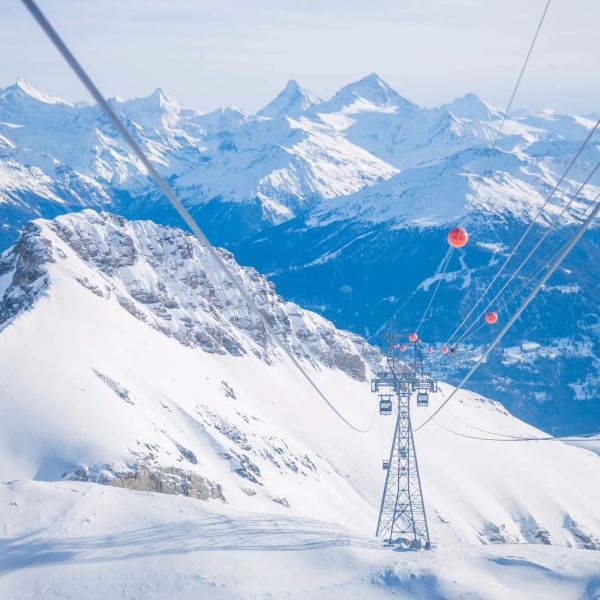
Crans-Montana 2027 World Championships President Resigns Ahead of Fraud Hearing
Less than four months out from the Crans-Montana 2027 World Championships, the man running the organising committee has stepped down. Claude-Alain Schmidhalter resigned as Swiss-Ski vice president and OC president after being indicted over a business dispute unrelated to skiing. He denies the allegations and faces court on October 27. Interim leaders are in place for the February 1-14 event.
9 Oct 2026
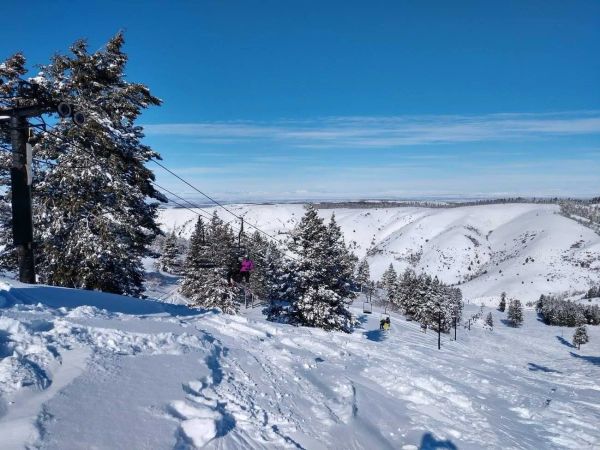
Kelly Canyon, Idaho, Adds Snowmaking, a Bigger Terrain Park and More Parking for 2026-27
Kelly Canyon had a rough 2025-26, and the Idaho resort has spent the summer making sure it doesn’t repeat. Snowmaking now reaches the top of Goldrush, the terrain park is doubling in size with a stereo system, lights and a snack shack, and the car park is getting bigger. Grooming is stepping up too. Target opening is December 4, conditions permitting.
9 Oct 2026
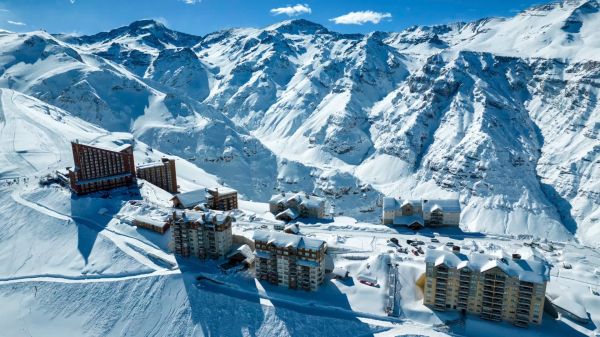
Valle Nevado Extends Season to November 8 After 108 cm in 48 Hours
Winter was meant to be winding down in Chile. Then Valle Nevado took 108 cm in 48 hours in early October, and the resort has pushed its closing date out to November 8 - its latest in 38 years of operation. That makes 143 days of skiing since opening day on June 19, with 690 cm banked for the season. Only part of the mountain is running while the storm settles, so check the mountain report before you plan a trip.
9 Oct 2026
Sapporo Kokusai Snow Report
Snow Report
Updated 14 Oct 2026
1100m
summit
+0cm
new snow · last 24 hours
Light Drizzle0°C / 5°C · W 27km/h
Snowfall
24 hours
0cm
48 hours
0cm
7 days
0cm
Base depth
0cm
Season total
0cm
Total lifts4
Live open status isn’t available right now.
20 Nov 2026 - 5 May 2027
Hour by Hour
Next 37 hours· Updated Oct 14, 2026 at 5:02 PM
Scroll for the full outlook · Open-Meteo
7-Day Outlook
1,100 mUpdated Oct 14, 2026 at 5:02 PMOpen-Meteo
Days 1–7
0.0cm
Days 8–14
0.0cm
Thu, Oct 15
Drizzle
Temp5° / 0°°C
Snow0.0cm(99%)
Wind27 km/h W
Live snow from the resort feed; forecast from Open-Meteo, via Supabase.
Understanding the Sapporo Kokusai snow report
Get the latest Sapporo Kokusai snow report — real-time snowfall, snow depth, and mountain weather for this Hokkaido resort, spanning 630m to 1100m in elevation.
Snow measurements
Snow depth at Sapporo Kokusai is tracked at both the base and summit, since the two elevations often see different totals — roughly a 470m difference here. We report fresh snowfall over the last 24 hours and 7 days alongside the running season total, in both metric and imperial units.
Weather conditions
Snow quality tracks closely with temperature and wind. We surface both alongside the snowfall data so you can judge whether conditions at Sapporo Kokusai are holding up or starting to soften.
Data sources
We pull Sapporo Kokusai's conditions from on-the-ground mountain reporting, then layer in forecast data so you get a fuller picture than either source alone. The mountain is served by 4 lifts, including 2 quad chairlifts and a gondola.
When to check
The biggest swings usually happen right after a storm. Check Sapporo Kokusai's report in the morning for the freshest numbers, and again in the afternoon as conditions evolve.