
The Overview
Michael Fulton
Melbourne-based skier and snowboarder with 50+ resorts across 5 continents. Specialises in Australian resorts and international resort comparisons.
Geto Kogen operates between 640 and 1,070 metres elevation across 14.1 kilometres of terrain, spreading 14 runs over 430 vertical metres. The resort records average seasonal snowfall exceeding 15 metres at upper elevations, with some sources reporting over 25 metres at the summit. Terrain splits 40 per cent beginner, 40 per cent intermediate and 20 per cent advanced across 124 acres, with no designated expert pistes but extensive advanced tree-run zones.
The resort centres on two principal gondolas serving fan-shaped runs from a central lodge, with 14 official tree-run areas spanning beech forests and open glades. Zones grade from Level 1 beginner tree runs to Level 4 expert terrain, including the Shooter area with four descent lines converging in a natural half-pipe. Course A3 hosts moguls and powder lanes, whilst B2 offers ungroomed steeps under the second gondola. Mount Chokai and Mount Iwate views extend from the summit observation deck.
Geto maintains a low-key, functional character with a 1,000-seat food court, rental shop, onsen facilities and ski-in accommodation. The resort operates independently without major pass affiliations, drawing primarily domestic weekend visitors and dedicated powder chasers. English signage remains limited, and infrastructure focuses on accessing deep snow rather than après amenities. Night skiing runs weekends and holidays from mid-December through late February.
The 2025-26 season opens 5 December and closes 29 March for regular operations, extending through Golden Week to 6 May during spring conditions. Geto suits confident intermediates seeking accessible powder, advanced skiers targeting tree terrain, and riders prepared for storm-day intensity. The resort's isolation, extreme snowfall and deliberate tree-run programme distinguish it from groomed Nagano destinations, though limited terrain variety makes multi-day visits less compelling than one or two focused powder days.
430m
Vertical
14
Runs
124 acres
Skiable
22m
Annual snow
The Terrain
14 runs across 124 acres skiable
Geto Kogen is a 50-hectare resort in a forested valley in southwestern Iwate, where 14 runs drop 430 vertical metres from 1,070 metres to a base at 640. Terrain is split 40% beginner, 40% intermediate and 20% advanced, with no expert grading, so the groomed skiing is gentle to moderate. Two gondolas, a quad chair and two double chairs cover the mountain. The real draw is not the piste map but what surrounds it: this is among the snowiest corners of Tohoku, and the slopes are bordered by dense trees that hold deep, soft snow for days after a storm.
Geto is known for its designated tree-run zones, which open off the groomed courses through marked gates and give confident skiers a controlled introduction to Japanese powder. Off-piste terrain here is for competent skiers only, because deep snow in thick forest makes navigation harder than it looks, and a buddy system is sensible. Night skiing runs on weekends and holidays, and the onsen hotel at the base keeps après simple. Geto Kogen suits powder-focused intermediates and advanced skiers who care more about depth of snow than the length of the trail map.
Terrain split
14
runs
14 runs across 4 grades
Beginner6 runs · 40%
Intermediate6 runs · 40%
Advanced3 runs · 20%
Expert0 runs · 0%
Time it right
When to visit Geto Kogen
The 2025-26 season runs 5 December through 29 March for regular operations, then continues weekends and daily from late April through 6 May during the spring period. Early-season operations begin once sufficient base accumulates, occasionally opening late November if conditions permit. Lifts operate 8:30am to 4:30pm during regular season, with night skiing 4:00pm to 8:00pm on Saturdays, Sundays and holidays from 13 December through 23 February, plus the New Year period.
Seasonal snowfall averages 15 to 22 metres depending on measurement location, with summit zones recording over 25 metres in peak years. The resort sits in a mountain valley where northwesterly systems deposit continuous snowfall from December through March. Base depths routinely reach four to five metres by January, occasionally exceeding seven metres during heavy cycles. Snowmaking remains absent - operations depend entirely on natural accumulation, with patrols gradually opening tree zones as coverage permits.
January and February deliver the most consistent powder conditions, with frequent overnight resets and cold temperatures preserving snow quality. December offers early-season depth but shorter daylight and incomplete terrain openings. March transitions toward spring corn, though upper elevations hold dry snow through month-end. The extended Golden Week operations through early May capitalise on exceptional snow retention, with groomed runs closing progressively as spring advances.
The Geto Banked Slalom runs late March, whilst the annual Mogul Contest occupies early April on Course A4. Night skiing attracts weekend locals during midwinter, and First Track programmes allow early gondola access 10 minutes before official opening. The resort hosts occasional brand demo days and guided tree-run tours, though the events calendar remains modest compared to larger destination resorts.
Season 2026 - 2027
28 Nov 2026
Opens
5 May 2027
Closes
158
Days open
22 m
Annual snow
Getting there
Getting to Geto Kogen, and where to stay
Geto Kogen occupies a forested valley 25 kilometres southwest of Kitakami in southwestern Iwate Prefecture, northern Honshu. The base sits at 640 metres within national forest land on the slopes of Mount Usagimori, surrounded by the Ou Mountain Range which funnels heavy snowfall from the Sea of Japan. Kitakami lies 53 kilometres south of the prefectural capital Morioka, positioning the resort in rural terrain distant from major population centres.
Kitakami Station on the Tohoku Shinkansen serves as the primary gateway, with free resort shuttles departing the east exit multiple times daily during regular season. The 50-minute bus journey passes through Waga-cho and Semi Onsen before reaching the resort. Kitakami itself offers business hotels and dining near the station, whilst Semi Onsen Ryokan provides traditional accommodation 11 minutes from the slopes. On-mountain lodging includes dormitory beds, private bunk rooms and deluxe hotel-style rooms with ensuite facilities.
By road, Geto lies 25 minutes from Kitakami-Nishi IC on the Tohoku Expressway approaching from Akita, 40 minutes from Kitakami-Ezuriko IC from Morioka, or 30 minutes from Kitakami-Kanegasaki IC approaching from Sendai. Route 107 and Route 122 provide final access through mountain terrain requiring winter tyres. Satellite parking at Shin-Geto Bridge offers free shuttle transfers when conditions make the final climb challenging. The resort maintains 3,200 parking spaces at the base.
Iwate Hanamaki Airport sits approximately 27 kilometres east, offering domestic connections from Sapporo, Osaka and limited international flights. Sendai Airport lies 154 kilometres south with broader international service, connecting via train to Kitakami in 90 minutes. Tokyo Station reaches Kitakami via Tohoku Shinkansen in 2 hours 40 minutes. Most international visitors route through Tokyo airports then ride the bullet train north, making Geto a three-and-a-half-hour journey from central Tokyo including the shuttle transfer.
Where to stay
Search all stays →Hotels and lodges near Geto Kogen, powered by Stay22.
Latest News
From the SnowStash desk

Zermatt Plans World Cup Downhill Return on the Gornergrat for 2028
Zermatt is having another crack at a World Cup downhill, and this time nobody has to cross a border. Around 13 million Swiss francs is going into rebuilding the Gornergrat piste, including a jump fed by a roughly 300-metre in-run across the roof of the Gornergrat Railway gallery, with the Matterhorn lined up behind it for the TV cameras. First men’s race is pencilled in for March 2028, pending FIS homologation.
14 Oct 2026

Mt. Rose Begins Snowmaking for the 2026-27 Season at Lake Tahoe
Lake Tahoe’s highest base elevation is paying off early: Mt. Rose has started making snow for 2026-27 after the first flurries and a cold snap. The Nevada resort is backing it with nearly US$2 million in upgrades, including a replacement snowmaking main line, a new PistenBully groomer and restraint bars on every lift. Opening day is yet to be confirmed, though Heavenly and Northstar are already eyeing 20 November.
13 Oct 2026

Utah Ski Resorts 2026-27: What’s New at Alta, Deer Valley, Powder Mountain and More
Utah is still building flat out. For 2026-27, Powder Mountain opens a steep new Skytrac chair into more than 1,000 acres of advanced terrain, Deer Valley adds 200 acres on Hail Peak, Sundance gets a new quad and Park City adds a gondola from its new parking structure. Snowmaking is expanding almost everywhere, Eagle Point stays closed after the Cottonwood Fire, and the 2034 Games are setting the pace. Here’s what’s new, resort by resort.
13 Oct 2026

Mt Hutt Invests NZ$12 Million in Base Area, Tripling Its Sun Deck
Mt Hutt is getting busier, and its base lodge is about to catch up. NZ$12 million goes into a heated sun deck roughly three times the current size (430 m² to 1,300 m²), plus a new toilet block, heated steps down to snow level, extra storage and a new food and beverage outlet. Building starts after the 2026 season, with everything due for winter 2027.
11 Oct 2026

Vermont Ski Resort Opening Dates 2026-27: Few Dates Set, Killington Waits on the Cold
Vermont's season is slow to take shape. Stratton is tentatively targeting 18 November and Sugarbush 21 November, while Pico has Friday 11 December on the calendar. Killington never sets a date and opens when the snowmaking allows, and Vail Resorts has yet to name days for Stowe, Okemo and Mount Snow. The forecasts disagree about snow, and the main El Niño worry for the Green Mountains is warmth.
9 Oct 2026
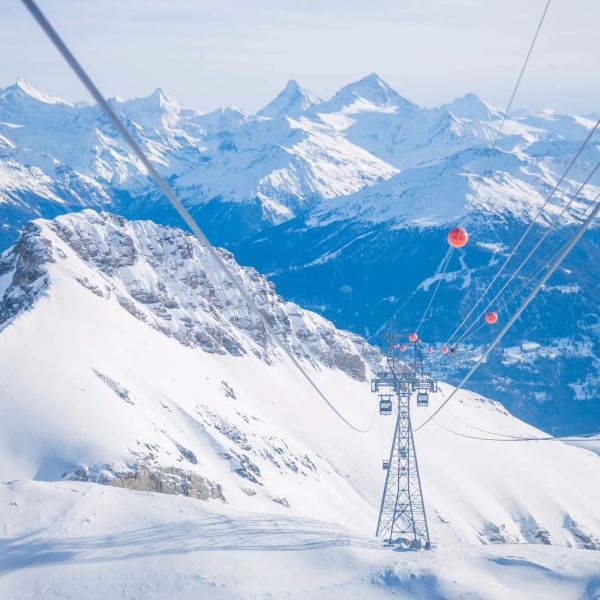
Crans-Montana 2027 World Championships President Resigns Ahead of Fraud Hearing
Less than four months out from the Crans-Montana 2027 World Championships, the man running the organising committee has stepped down. Claude-Alain Schmidhalter resigned as Swiss-Ski vice president and OC president after being indicted over a business dispute unrelated to skiing. He denies the allegations and faces court on October 27. Interim leaders are in place for the February 1-14 event.
9 Oct 2026
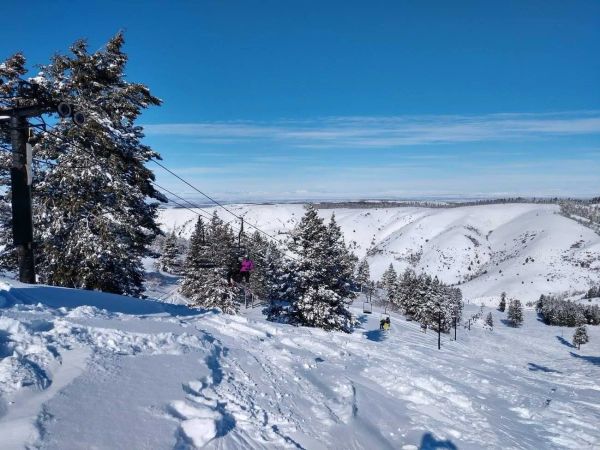
Kelly Canyon, Idaho, Adds Snowmaking, a Bigger Terrain Park and More Parking for 2026-27
Kelly Canyon had a rough 2025-26, and the Idaho resort has spent the summer making sure it doesn’t repeat. Snowmaking now reaches the top of Goldrush, the terrain park is doubling in size with a stereo system, lights and a snack shack, and the car park is getting bigger. Grooming is stepping up too. Target opening is December 4, conditions permitting.
9 Oct 2026
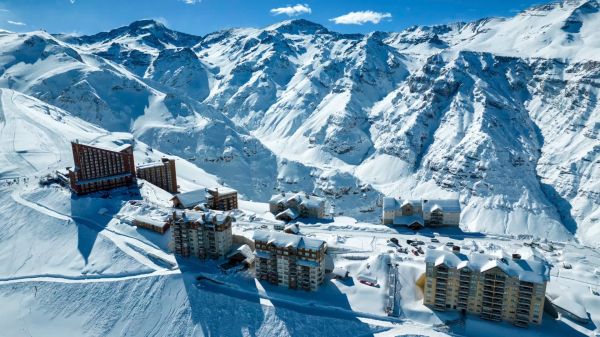
Valle Nevado Extends Season to November 8 After 108 cm in 48 Hours
Winter was meant to be winding down in Chile. Then Valle Nevado took 108 cm in 48 hours in early October, and the resort has pushed its closing date out to November 8 - its latest in 38 years of operation. That makes 143 days of skiing since opening day on June 19, with 690 cm banked for the season. Only part of the mountain is running while the storm settles, so check the mountain report before you plan a trip.
9 Oct 2026