
The Overview
Michael Fulton
Melbourne-based skier and snowboarder with 50+ resorts across 5 continents. Specialises in Australian resorts and international resort comparisons.
Minowa operates across 450 metres of vertical drop between 1,050 and 1,500 metres elevation with 12 kilometres of skiing across 11 marked runs. The resort receives an annual average of 14 metres of dry powder snow, with 80 per cent snowmaking coverage ensuring reliable conditions from early December through late March. The high base elevation makes Minowa one of the first Tohoku resorts to open each season, whilst the summit elevation keeps snow quality cold and dry throughout winter.
Terrain splits 30 per cent beginner, 50 per cent intermediate and 20 per cent advanced across two distinct base areas connected by tree skiing zones. The C lift services intermediate groomers with consistent pitch, whilst the A lift accesses steeper terrain and a sanctioned self-responsibility sidecountry zone dropping toward the former Yokumuki Onsen area. Beech and birch tree spacing between the two sectors offers natural powder stashes that reset after each storm.
The Hotel de Premiere Minowa provides ski-in ski-out access at one base, with rental facilities and restaurants in the basement level. A separate rest house serves the opposite base area with the C lift. Crowds remain light on weekdays, though weekends can see increased traffic from Tokyo and Fukushima locals, particularly early and late season when Minowa may be the only operating resort nearby.
Minowa sits within the Mount Bandai ski area of Fukushima Prefecture, part of a cluster including Grandeco, Nekoma and Listel Ski Fantasia within 20 kilometres. Night skiing runs Friday and Saturday evenings. The compact three-lift layout suits powder-focused intermediates and tree skiers willing to explore sidecountry, whilst beginners benefit from dedicated zones and top-to-bottom green options from both upper lifts.
450m
Vertical
11
Runs
64 acres
Skiable
14m
Annual snow
The Terrain
11 runs across 64 acres skiable
Minowa is a modest resort of just 26 hectares, high on the Adatara side of the Inawashiro area, with 11 runs and 450 vertical metres from a 1,050-metre base to 1,500 metres at the top. Intermediates make up half the terrain, with 30% beginner and 20% advanced, and nothing rated expert. The high base means cold air and a long dry season, which suits the resort's reputation for light powder. Two quad chairs and a double chair do all the work, including a hooded quad that runs out to the longest slopes, and the layout is simple enough that nobody gets lost.
A dedicated beginner quad sits above the hotel base, so learners can lap gentle terrain without crossing paths with faster skiers. The long C lift reaches the intermediate runs on the far side of the mountain, and the Angel double chair climbs to the summit for the steepest advanced pitches. Fast skiers will tire of it in a day. A ski-in hotel at one base keeps logistics easy, and Minowa feels quieter than the bigger neighbours Grandeco and Nekoma. It suits families, beginners and relaxed intermediates looking for a short trip with snow that holds well into March.
Terrain split
11
runs
11 runs across 4 grades
Beginner3 runs · 30%
Intermediate6 runs · 50%
Advanced2 runs · 20%
Expert0 runs · 0%
Time it right
When to visit Minowa
The 2025-26 season runs from 5 December 2025 through 29 March 2026, spanning 115 operating days. Minowa targets the earliest opening in the Tohoku region thanks to its 1,050-metre base elevation and extensive snowmaking across 80 per cent of groomed runs. March typically sees operations wind down as temperatures rise, though the high elevation extends viability compared to lower-altitude neighbours.
The resort averages 14 metres of annual snowfall, with December week three historically the snowiest period bringing 38 centimetres across 5.1 snowy days. Inland cold air and westerly exposure keep powder dry and light throughout the season. Base depths of 120 centimetres were recorded mid-February in recent seasons, confirming reliable midwinter coverage. The summit often develops small snow ghosts similar to Zao, indicating persistent rime ice formation.
January and February deliver optimal powder conditions with the coldest temperatures and most consistent snowfall. Early December suits keen skiers targeting first tracks before crowds arrive, though the Angel chair may remain closed until coverage builds. Late March offers softer snow and quieter slopes, ideal for families and cruisers willing to accept variable conditions.
Night skiing operates Friday and Saturday evenings on select runs, with illuminated slopes offering a different rhythm from daytime sessions. No major festivals or competitions anchor the calendar. Early and late season see the highest weekend crowds from Fukushima locals when Minowa may be the only nearby resort open, whilst midseason weekdays remain uncrowded.
Season 2025-2026
5 Dec 2025
Opens
29 Mar 2026
Closes
114
Days open
14 m
Annual snow
Getting there
Getting to Minowa, and where to stay
Minowa occupies the northwest flank of Mount Adatara in the Inawashiro area of Fukushima Prefecture, central Tohoku region on Honshu's main island. The base village sits at 1,050 metres in the national forest zone, surrounded by beech woodland with views toward Lake Inawashiro and Mount Bandai to the north. The resort lies within the broader Aizu volcanic plateau, an area hosting roughly 20 ski resorts across varied terrain.
Inawashiro town sits 13 kilometres southeast at lake level, serving as the main service centre with shops, restaurants and onsen hotels. The town borders Lake Inawashiro, Japan's third-largest lake, which freezes partially in winter. Aizu-Wakamatsu, a historic samurai city with castle ruins and sake breweries, lies 30 kilometres west. The Mount Bandai area has long attracted skiers from Tokyo and domestic visitors seeking quieter alternatives to Hokkaido.
Road access follows the Bandai Azuma Skyline route via the Inawashiro Bandai Kogen interchange on the Ban-etsu Expressway, roughly 30 minutes from the exit. Tokyo sits three hours southwest via the Tohoku Expressway through Koriyama Junction, with expressway tolls around 7,000 yen one way. National routes provide all-weather access even during snowstorms, with paved free parking directly at the rest house.
Fukushima Airport lies 60 kilometres southeast with limousine bus connections to Koriyama Station in 40 minutes. Tokyo's Narita and Haneda airports serve international arrivals, both connecting via Tohoku Shinkansen to Koriyama in 80 minutes, then transferring to the Ban-etsu West Line for Inawashiro Station in 40 minutes. Hotel de Premiere Minowa operates a free shuttle bus from JR Fukushima Station on the shinkansen network, whilst local buses run irregularly from Inawashiro Station to nearby resorts.
Where to stay
Search all stays →Hotels and lodges near Minowa, powered by Stay22.
Latest News
From the SnowStash desk
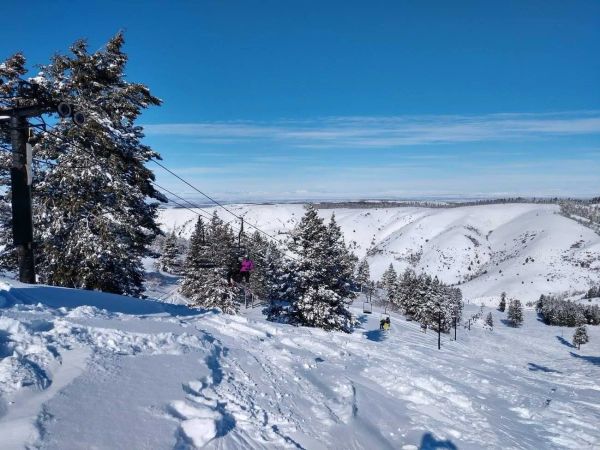
Kelly Canyon, Idaho, Adds Snowmaking, a Bigger Terrain Park and More Parking for 2026-27
Kelly Canyon had a rough 2025-26, and the Idaho resort has spent the summer making sure it doesn’t repeat. Snowmaking now reaches the top of Goldrush, the terrain park is doubling in size with a stereo system, lights and a snack shack, and the car park is getting bigger. Grooming is stepping up too. Target opening is December 4, conditions permitting.
9 Oct 2026
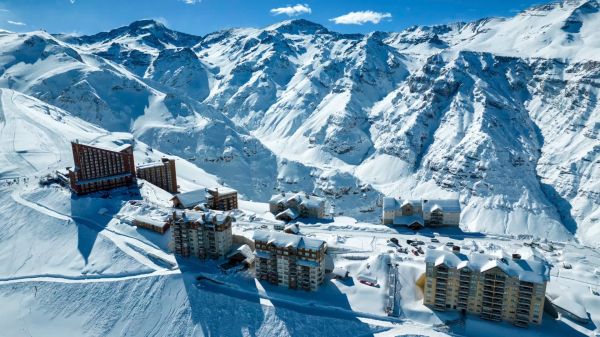
Valle Nevado Extends Season to November 8 After 108 cm in 48 Hours
Winter was meant to be winding down in Chile. Then Valle Nevado took 108 cm in 48 hours in early October, and the resort has pushed its closing date out to November 8 - its latest in 38 years of operation. That makes 143 days of skiing since opening day on June 19, with 690 cm banked for the season. Only part of the mountain is running while the storm settles, so check the mountain report before you plan a trip.
9 Oct 2026
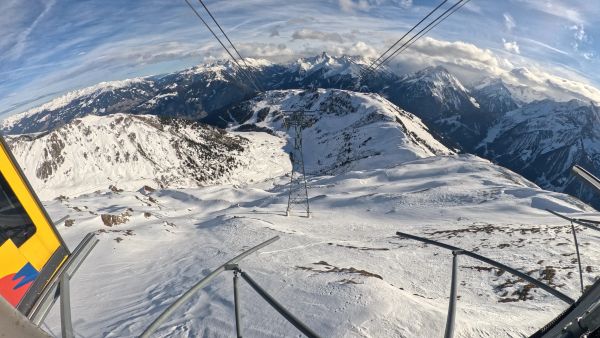
Alps Snow Forecast: Cold Front Brings Thursday Snow to the High Alps
The Alps look a lot more like winter today, for a day or so. A cold front is moving west to east, dropping up to 35 cm on high glaciers and peaks, with snow levels falling to around 1,500-1,800 m at times. Don’t plan a trip around it: mid-elevation snow will be thin and wet, every area is closed bar a limited Sölden glacier opening tomorrow, and warmer weather returns by Monday.
8 Oct 2026
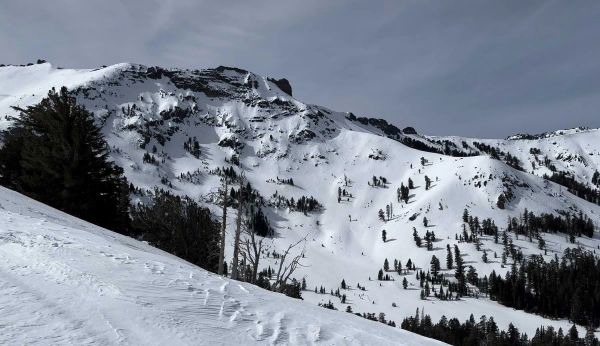
California Ski Resort Opening Dates 2026-27: Mammoth Leads, Tahoe Follows
Mammoth Mountain is first up in California, targeting Friday 13 November after a dusting of September snow. Heavenly and Northstar follow on 20 November, Palisades Tahoe on Wednesday 25 November and Sugar Bowl on 27 November, with Kirkwood on 4 December and June Mountain on 19 December. Plenty of smaller areas have no date yet. A super El Niño favours the Sierra, but a warmer storm track is the catch.
7 Oct 2026
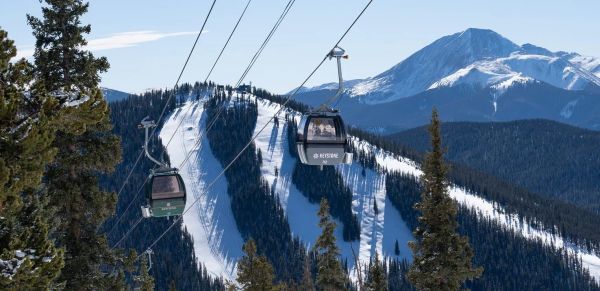
Colorado Ski Resort Opening Dates 2026-27: A-Basin and Keystone Race to Be First
Arapahoe Basin, Keystone and Winter Park are all chasing an October start, though none has a firm date yet. The first dated openers are Breckenridge and Copper on Friday 6 November, then Vail on 13 November, with most of the rest bunched around US Thanksgiving. Hesperus did not open at all last season. A super El Niño offers hope but no guarantee, and forecasters say the southern mountains have the better odds.
5 Oct 2026
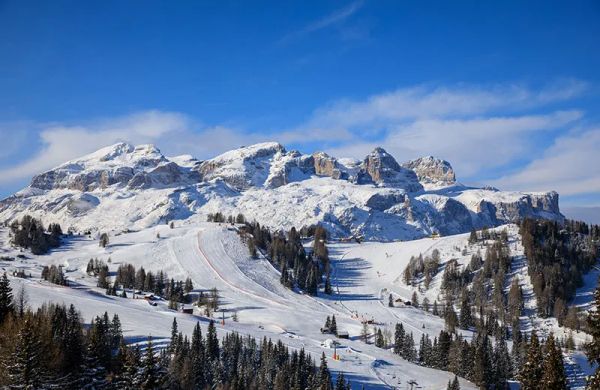
Dolomiti Superski 2026-27: Four New Gondolas, New Reservoirs and an €89 Peak Day Pass
Dolomiti Superski is spending around €100 million across its 12 areas before winter. Kronplatz gets a new 10-passenger gondola with a middle station, 3 Zinnen gets Helmissimo, and Val di Fassa swaps a chairlift for a gondola above Col Valvacin. New water-storage basins and upgraded snowmaking follow, and construction has started on the San Martino to Passo Rolle link. A peak adult day pass is €89.
4 Oct 2026
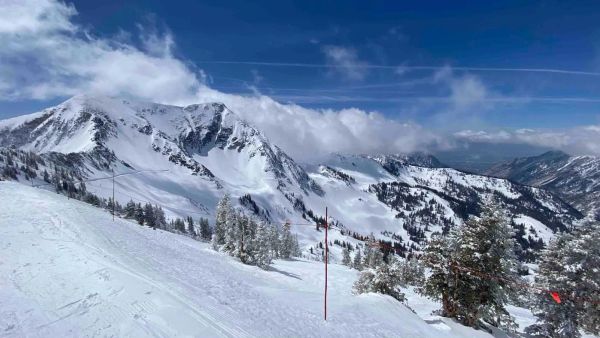
Utah Ski Resort Opening Dates 2026-27: Brian Head First, Eagle Point Out
Brian Head is targeting 6 November, though last year it aimed for 7 November and did not open until the 25th. Park City, Alta and Solitude are pencilled in for 20 November, Snowbird and Snowbasin for 27 November, and Deer Valley for 5 December. Eagle Point will stay closed after the Cottonwood Fire. A super El Niño is forecast, but the big snow is not expected until January.
4 Oct 2026
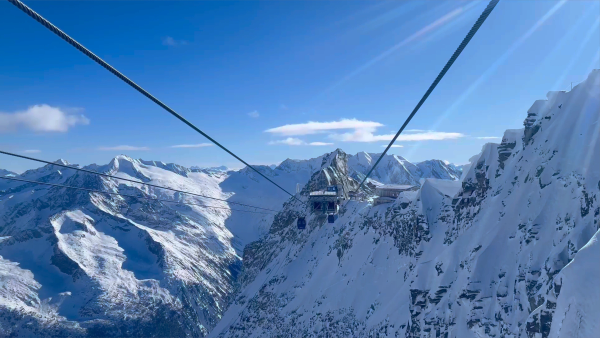
Hintertux Glacier Opens for 2026-27 With 12 Kilometres of Piste
Hintertux became Austria's second glacier to open for 2026-27 on Friday 2 October, after the Pitztal Glacier. Twelve kilometres of piste are running around the Olperer and Gefrorene Wand, served by one gondola and two drag lifts, with the Betterpark also open. Lifts officially run 8:15 am to 4:30 pm, but skiing stops at 2 pm for now.
4 Oct 2026
Minowa Snow Report
Snow Report
Awaiting live data
1500m
summit
+0cm
new snow · last 24 hours
-°C / -°C · - -
Snowfall
24 hours
0cm
48 hours
0cm
7 days
0cm
Base depth
-
Season total
-
Total lifts3
Live open status isn’t available right now.
5 Dec 2025 - 29 Mar 2026
Hour by Hour
Next 39 hours· Updated Oct 9, 2026 at 5:02 PM
Scroll for the full outlook · Open-Meteo
7-Day Outlook
1,500 mUpdated Oct 9, 2026 at 5:02 PMOpen-Meteo
Days 1–7
0.0cm
Days 8–14
0.0cm
Sat, Oct 10
Clear
Temp19° / 9°°C
Snow0.0cm
Wind8 km/h SE
Live snow from the resort feed; forecast from Open-Meteo, via Supabase.
Understanding the Minowa snow report
Planning a day at Minowa? Our snow report combines official mountain data with live weather so you know exactly what conditions look like right now, from the 1050m base to the 1500m summit.
Snow measurements
Base depth, summit depth, and recent snowfall are the core numbers to watch. At Minowa, summit conditions (1500m) can differ noticeably from the base, so we break both out separately rather than showing a single average.
Weather conditions
Current weather conditions affect snow quality. Cold temperatures with low wind typically preserve snow quality, while warm temperatures or rain can impact conditions negatively — something worth watching closely at Minowa's 1050m base elevation, where temperatures run milder than the summit.
Data sources
We pull Minowa's conditions from on-the-ground mountain reporting, then layer in forecast data so you get a fuller picture than either source alone. The mountain is served by 3 lifts, including 2 quad chairlifts.
When to check
The biggest swings usually happen right after a storm. Check Minowa's report in the morning for the freshest numbers, and again in the afternoon as conditions evolve.