
The Overview
Michael Fulton
Melbourne-based skier and snowboarder with 50+ resorts across 5 continents. Specialises in Australian resorts and international resort comparisons.
The largest ski resort in Tōhoku region spreads across 305 hectares on Mount Zao, with 25 runs spanning 781 to 1,661 metres elevation and 880 metres of vertical drop. An average annual snowfall of 12 metres blankets the mountain, supplemented by the unique Siberian winds that create the resort's famous juhyo snow monsters. The 9-kilometre longest run descends from the summit station through terrain that accommodates all abilities, whilst the Yokokura Wall delivers 38-degree pitches for advanced skiers.
Terrain allocation favours progression, with 40 per cent beginner runs, 40 per cent intermediate and 20 per cent advanced. The ski area divides into 14 interconnected zones across two distinct sides of the mountain, though navigation between sectors requires familiarity with the lift network. The Paradise area serves as a central convergence point, whilst the Uwanodai Slope near the base village offers night skiing from 1300 to 2100 hours. The Hanenkamm Course holds FIS authorisation and hosts competitions throughout winter, with A/B routes delivering expert-level challenge.
Zao Onsen village sits at 880 metres elevation, a hot spring town with 1,900 years of bathing history and sulfuric waters reaching 45 degrees Celsius. Eight public bathhouses operate throughout the resort, including the unmanned Kawarayu, where spring water gushes directly into pools from underground sources. The village atmosphere blends traditional ryokan hospitality with functional ski infrastructure, steam rising from street drains throughout the compact, walkable centre. Day tickets average 6,500 yen, with rental equipment and English private lessons available at the base.
Zao operates independently without major pass affiliations, drawing primarily domestic visitors and positioning itself as an authentic Tōhoku experience. The 2025-2026 season runs from 5 December through 29 March, with snow monster viewing peak occurring mid-February when formations reach maximum size. The resort suits intermediates seeking long cruising runs, families wanting hot spring culture alongside skiing, and photographers targeting the illuminated juhyo displays held on weekend evenings. Direct overnight buses from Tokyo Shinjuku operate in winter, taking seven hours.
880m
Vertical
25
Runs
741 acres
Skiable
12m
Annual snow
The Terrain
25 runs across 741 acres skiable
Zao Onsen is the biggest ski area in Tohoku at around 300 hectares, with 25 runs falling 880 vertical metres from the 1,661-metre summit to a base at 781 metres on Mount Zao. Grading is 40% beginner, 40% intermediate, 15% advanced and 5% expert, so most visitors will find their level without much trouble, while a smaller share of steep runs keep stronger skiers interested. The mountain is divided into several slopes served by a network of ropeways, gondolas and chairs, and the lift system is heavy on doubles, so travel between sectors is slow. Plan the day around one or two slopes.
Zao is best known for the juhyo, the rime-coated trees known as snow monsters, which form from late January to early March. The Juhyo-gen course lets skiers pass close to them, and few other Japanese resorts let you ski this close to them. Yokokura is the steeper section, with a wall pitched near 38 degrees, and the Omori Giant course has moguls. Night skiing runs on the Uwanodai slopes. Zao suits intermediates chasing a Japanese experience with plenty of variety, and it is a strong choice for those who also want a hot spring village.
Terrain split
25
runs
25 runs across 4 grades
Beginner10 runs · 40%
Intermediate10 runs · 40%
Advanced4 runs · 15%
Expert1 run · 5%
Time it right
When to visit Zao Onsen
The 2025-2026 season operates from 5 December 2025 through 29 March 2026, a 115-day window typical for Zao's elevation and snowfall reliability. Historical records show the resort occasionally opens late November and extends into early May depending on conditions, with the ski season traditionally spanning early December to early April. The base village at 880 metres receives consistent accumulation, whilst the 1,661-metre summit captures Siberian storm systems tracking across the Sea of Japan. Night skiing runs select lower zones from December through February, whilst illuminated snow monster viewing operates weekend evenings and holidays.
Annual snowfall averages 12 metres, placing Zao amongst Japan's most reliable Honshu destinations alongside Gassan, 76 kilometres northwest. The resort's westerly aspect receives moisture-laden systems that drop heavy precipitation, though this orientation can soften snow in afternoon sun during March. Cold temperatures and high elevation preserve snow quality at upper stations, where the juhyo formations require sustained freezing winds and heavy accumulation to develop. Snowmaking installations supplement natural coverage on lower runs, though the resort relies primarily on natural conditions given Yamagata Prefecture's exceptional winter precipitation.
January through February delivers optimal powder conditions, with the snow monsters fully developed by mid-February when formations reach peak size and spectacle. Late December sees initial juhyo formation, whilst March brings spring conditions as temperatures rise and the monsters begin melting. Weekday visits in mid-January offer uncrowded slopes and fresh snow, avoiding the Japanese holiday periods of New Year, mid-February and late March. The annual Zao Juhyo Festival runs late December through early March, featuring evening illuminations that transform the frozen forest into coloured displays visible from the summit café.
The resort hosts night skiing on Uwanodai and select base zones, operating 1300 to 2100 hours during peak season. The illuminated snow monster programme runs Fridays, Saturdays and Sundays from 27 December through 22 February, plus selected dates in late December and mid-February. Full moon Moonlight Walks provide guided snow monster access for non-skiers, whilst Nightcruiser snowmobile tours operate late January to early March. The Jukki Snow Park at Omori, Nakamori and Uenodai slopes offers family-friendly terrain until late February, separate from main ski traffic.
Season 2026 - 2027
5 Dec 2026
Opens
25 Apr 2027
Closes
141
Days open
12 m
Annual snow
Getting there
Getting to Zao Onsen, and where to stay
Zao Onsen occupies the eastern slopes of Mount Zao, an 1,841-metre stratovolcanic peak straddling the Yamagata and Miyagi prefecture border in northeast Tōhoku. The hot spring village sits at 880 metres elevation, 18 kilometres southeast of Yamagata City in a forested valley where sulfuric springs have flowed since 110 AD. The Okama crater lake crowns the mountain at 1,758 metres, accessible by the Zao Echo Line toll road from late April through October when snow clearance permits vehicle access. The resort lies 400 kilometres north of Tokyo, positioned within one of Japan's snowiest regions.
Yamagata City serves as the primary gateway, located 18 kilometres northwest with a population exceeding 250,000 and serving as Yamagata Prefecture's capital. Hourly Yamako buses connect Yamagata Station to Zao Onsen Bus Terminal in 40 minutes for 1,200 yen, departing from east exit bus stop number one. Sendai, Miyagi Prefecture's largest city, lies 78 kilometres northeast and provides alternative access via limited winter express buses. The historic onsen town contains over 50 restaurants and bars, numerous ryokan and hotels, and three unmanned public bathhouses charging 300 yen on the honour system.
The Tōhoku Expressway provides highway access from Tokyo, with the journey covering 400 kilometres in approximately five hours to Yamagata before the final 18-kilometre mountain road to the resort. Route 13 and prefectural roads climb through the valley, with the Zao Echo Line scenic route circling the mountain when open. Winter driving requires snow tyres and caution on steep approaches, though the access road receives regular snow clearing given the volume of domestic traffic. Rental cars from Yamagata Station suit visitors exploring multiple Tōhoku destinations or preferring independence from bus schedules.
Yamagata Airport sits 35 kilometres from the resort, receiving twice-daily JAL domestic flights from Tokyo Haneda, plus services from Osaka, Nagoya and Sapporo. Airport buses connect to Yamagata Station in 40 minutes, where passengers transfer to the Zao Onsen bus. Sendai Airport lies 88 kilometres distant with international connections, linked to Sendai Station via 25-minute rail service. Tokyo access requires the Yamagata Shinkansen Tsubasa from Tokyo Station, a 2.5-hour journey covering nearly 400 kilometres to Yamagata Station for approximately 11,500 yen. The JR Senzan Line provides an alternative 70-90 minute connection from Sendai.
Where to stay
Search all stays →Hotels and lodges near Zao Onsen, powered by Stay22.
Latest News
From the SnowStash desk

Utah Ski Resorts 2026-27: What’s New at Alta, Deer Valley, Powder Mountain and More
Utah is still building flat out. For 2026-27, Powder Mountain opens a steep new Skytrac chair into more than 1,000 acres of advanced terrain, Deer Valley adds 200 acres on Hail Peak, Sundance gets a new quad and Park City adds a gondola from its new parking structure. Snowmaking is expanding almost everywhere, Eagle Point stays closed after the Cottonwood Fire, and the 2034 Games are setting the pace. Here’s what’s new, resort by resort.
13 Oct 2026

Vermont Ski Resort Opening Dates 2026-27: Few Dates Set, Killington Waits on the Cold
Vermont's season is slow to take shape. Stratton is tentatively targeting 18 November and Sugarbush 21 November, while Pico has Friday 11 December on the calendar. Killington never sets a date and opens when the snowmaking allows, and Vail Resorts has yet to name days for Stowe, Okemo and Mount Snow. The forecasts disagree about snow, and the main El Niño worry for the Green Mountains is warmth.
9 Oct 2026
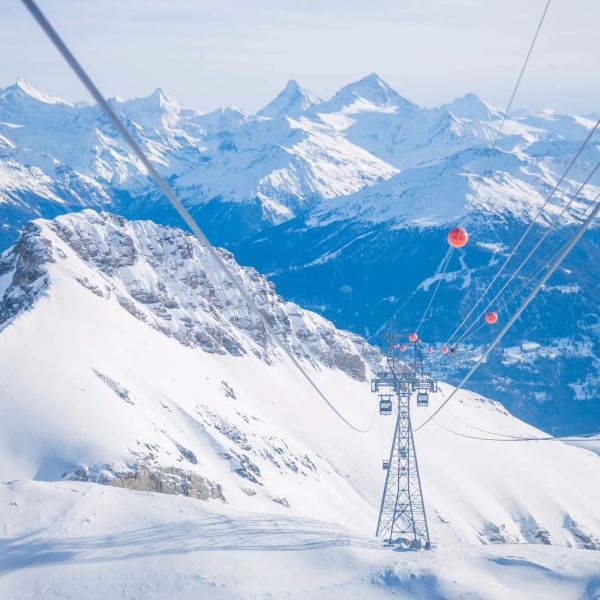
Crans-Montana 2027 World Championships President Resigns Ahead of Fraud Hearing
Less than four months out from the Crans-Montana 2027 World Championships, the man running the organising committee has stepped down. Claude-Alain Schmidhalter resigned as Swiss-Ski vice president and OC president after being indicted over a business dispute unrelated to skiing. He denies the allegations and faces court on October 27. Interim leaders are in place for the February 1-14 event.
9 Oct 2026
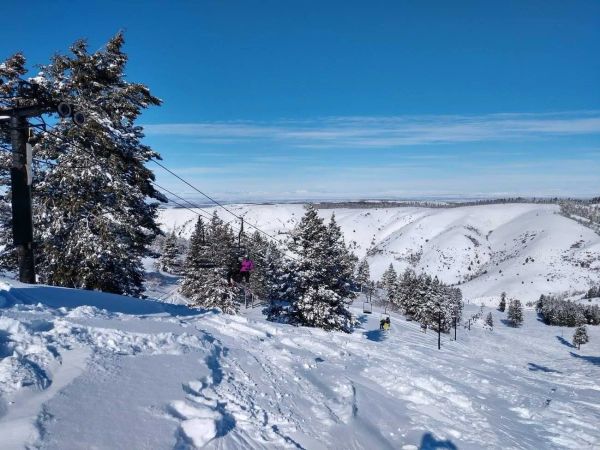
Kelly Canyon, Idaho, Adds Snowmaking, a Bigger Terrain Park and More Parking for 2026-27
Kelly Canyon had a rough 2025-26, and the Idaho resort has spent the summer making sure it doesn’t repeat. Snowmaking now reaches the top of Goldrush, the terrain park is doubling in size with a stereo system, lights and a snack shack, and the car park is getting bigger. Grooming is stepping up too. Target opening is December 4, conditions permitting.
9 Oct 2026
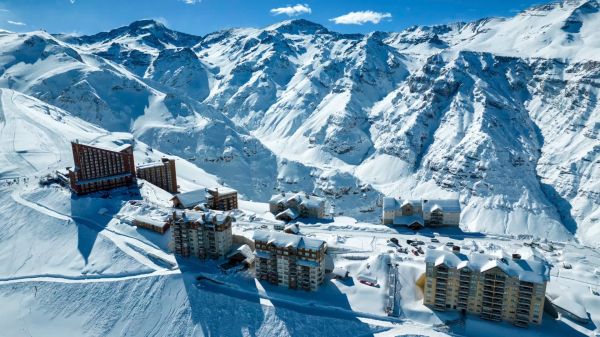
Valle Nevado Extends Season to November 8 After 108 cm in 48 Hours
Winter was meant to be winding down in Chile. Then Valle Nevado took 108 cm in 48 hours in early October, and the resort has pushed its closing date out to November 8 - its latest in 38 years of operation. That makes 143 days of skiing since opening day on June 19, with 690 cm banked for the season. Only part of the mountain is running while the storm settles, so check the mountain report before you plan a trip.
9 Oct 2026
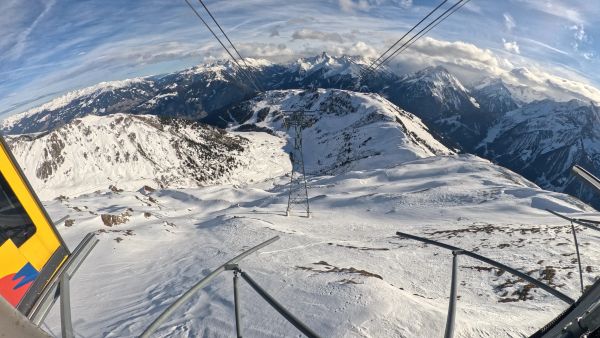
Alps Snow Forecast: Cold Front Brings Thursday Snow to the High Alps
The Alps look a lot more like winter today, for a day or so. A cold front is moving west to east, dropping up to 35 cm on high glaciers and peaks, with snow levels falling to around 1,500-1,800 m at times. Don’t plan a trip around it: mid-elevation snow will be thin and wet, every area is closed bar a limited Sölden glacier opening tomorrow, and warmer weather returns by Monday.
8 Oct 2026
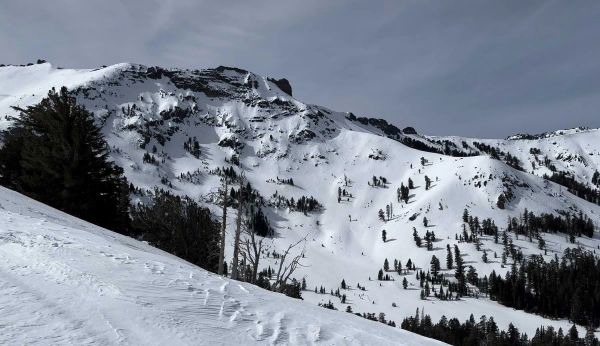
California Ski Resort Opening Dates 2026-27: Mammoth Leads, Tahoe Follows
Mammoth Mountain is first up in California, targeting Friday 13 November after a dusting of September snow. Heavenly and Northstar follow on 20 November, Palisades Tahoe on Wednesday 25 November and Sugar Bowl on 27 November, with Kirkwood on 4 December and June Mountain on 19 December. Plenty of smaller areas have no date yet. A super El Niño favours the Sierra, but a warmer storm track is the catch.
7 Oct 2026
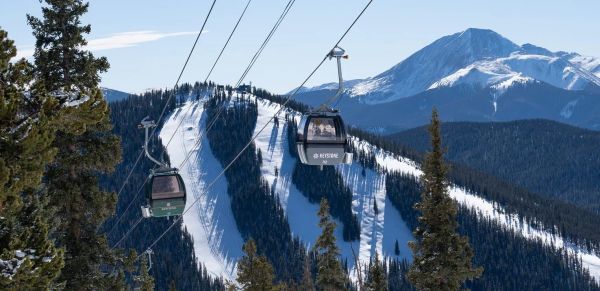
Colorado Ski Resort Opening Dates 2026-27: A-Basin and Keystone Race to Be First
Arapahoe Basin, Keystone and Winter Park are all chasing an October start, though none has a firm date yet. The first dated openers are Breckenridge and Copper on Friday 6 November, then Vail on 13 November, with most of the rest bunched around US Thanksgiving. Hesperus did not open at all last season. A super El Niño offers hope but no guarantee, and forecasters say the southern mountains have the better odds.
5 Oct 2026
Zao Onsen Lift System
Zao deploys 41 lifts across its 14 zones, comprising 4 gondolas, 5 quad chairlifts, 3 triple chairs, 27 double chairs and 2 single chairs. Three ropeways provide summit access, including the 100-person Zao Chuo Ropeway and the 50-person aerial tramway, whilst the Zao Sky Cable gondola serves mid-mountain terrain. The infrastructure dates to 1950, when the Uwanodai Slope received Japan's second-ever ski lift installation. Total uphill capacity accommodates the primarily domestic visitor base, though weekend periods see queues at key installations.
The Zao Ropeway Sanrokusen departs Zao Sanroku Station for Juhyo Kogen Station at 1,331 metres, a seven-minute journey over 1,787 metres of cable. Passengers transfer to the Sanchosen Funitel, an 18-person wind-stable gondola with dual haul ropes, which climbs 1,872 metres to Jizo Sancho Station at 1,661 metres. The Funitel system entered service in 2003, manufactured by Nippon Cable, and carries 1,200 persons hourly with minimal sway in high winds. The Omori Quattro and Kurohime No. 1 Quattro detachable quads serve the Omori zone, each moving 2,400 persons per hour.
Base-to-summit flow requires strategic lift selection, as the two sides of the mountain connect awkwardly through the Paradise sector. The Uwanodai zone provides direct village access, whilst the Ryuzan Slope and surrounding lifts accommodate beginner progression away from faster traffic. Advanced skiers access the Zangezaka Juhyogen Course via the Sanchosen, descending 10 kilometres through the snow monster forest to Omori base. The resort operates night skiing on lower slopes until 2100 hours, served by dedicated lighting installations.
Recent infrastructure maintains existing capacity rather than expansion, with the barrier-free Funitel offering wheelchair access and 360-degree visibility from seated positions. The resort's lift network prioritises access to the juhyo viewing areas, with non-skiers purchasing ropeway-only tickets for snow monster observation. The distributed layout and numerous double chairs create a dated feel compared to modern interconnected resorts, though queues remain manageable outside peak Japanese holiday periods. Summer ropeway operations continue for hiking access and crater lake viewing.
32lifts across 6 types
1
Aerial Tram
1
Gondola
4
Quad Chairs
2
Triple Chairs
22
Double Chairs
2
Single Chairs
Zao Onsen lift system
Zao Onsen is served by 32 lifts, listed here by type. Check which lifts are turning against the live conditions before you plan your first laps - early lifts and high-speed chairs get you to the best snow fastest.
More Zao Onsen intelligence: trail map, snow report, webcams, resort overview.