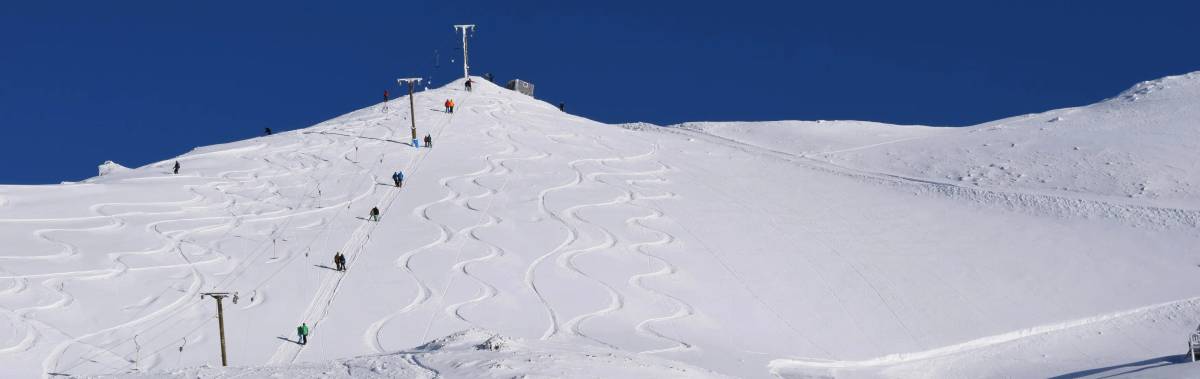
Mt Cheeseman
334m vertical, 15 runs, uncrowded club field skiing 90 minutes from Christchurch. T-bars, affordable passes, Craigieburn Range.

Season 2026
Opens
8 Aug 2026
Closes
20 Sept 2026
Days open
43
Annual snow
3m
The Overview
Michael Fulton
Melbourne-based skier and snowboarder with 50+ resorts across 5 continents. Specialises in Australian resorts and international resort comparisons.
Mt Cheeseman operates as a public club field at 1540 to 1874 metres elevation in the Craigieburn Range, delivering 334 metres of vertical drop across 15 named runs. The ski area encompasses 50 hectares of terrain split 15 per cent beginner, 40 per cent intermediate and 45 per cent advanced. Established in 1929, the field receives an average of 3 metres of snowfall annually and sits within an alpine basin beneath Mt Cockayne. The 2026 season runs from 17 July to 27 September, with operations concentrated Thursday through Sunday.
The Main T-bar accesses groomed intermediate terrain and wide-open slopes ideal for progression, whilst the Ridge T-bar serves steeper advanced terrain and provides backcountry access to Tarn Basin. A learners' rope tow operates directly beside the Day Lodge, creating a contained novice zone. The field sits in an east-facing bowl with varied north and south aspects that hold snow well after weather systems from either direction. Terrain park features including jumps and rails typically appear mid-season near the base area.
The atmosphere reflects traditional club field culture, with uncrowded slopes, ski-in ski-out accommodation at Snowline Lodge, and a volunteer-driven operational model. The Cockayne Café in the Day Lodge serves espresso coffee, homemade food and operates under licence. Gear unloading occurs 20 metres from the lifts, with car parking a short walk downhill. Children under 10 ski free, and Swiss-trained instructors offer lessons when staffing allows. The field operates with reduced services in 2026 - no hire equipment and limited food service.
Mt Cheeseman suits families seeking affordable skiing without commercial resort crowds, intermediates building confidence on groomed terrain, and advanced skiers accessing sidecountry zones. Daily lift passes cost NZ$79 for non-members, with season passes at NZ$900 and discounted multi-day packages available. Springfield, 64 kilometres east, provides the nearest township with services. The club celebrates its centenary in 2029, representing one of Canterbury's longest-operating community ski areas.
334m
Vertical
15
Runs
124 acres
Skiable
3m
Annual snow
The Terrain
15 runs across 124 acres skiable
Mt Cheeseman is a friendly club-run field on the south-eastern slopes of Mt Cockayne in the Craigieburn Range, covering about 50 hectares. Skiing falls 334 metres, from 1,874 to 1,540 metres, across 15 runs, and Sanity gives 15% beginner, 40% intermediate and 45% advanced. The terrain sits in a single open basin, with enough roll to keep it interesting. Three surface lifts, two T-bars and a learner rope tow, start close together beside the Day Lodge, which keeps navigation simple. An unsealed access road climbs from State Highway 73, and operations are concentrated on weekends and selected days.
The Main T-bar serves groomed intermediate terrain and wide slopes suited to progression, while the Ridge T-bar reaches steeper ground and the start of off-piste routes. Skiers who hike can reach Mt Cockayne's face and Tarn Basin, which is unpatrolled and needs avalanche awareness. A learner tow gives novices their own corner by the lodge. Facilities are modest, with a small cafe and lodge accommodation. Mt Cheeseman suits families, developing intermediates and advanced skiers wanting cheap, uncrowded laps, plus easy access to Canterbury backcountry. Check the club for current services before driving up.
Terrain split
15
runs
15 runs across 4 grades
Beginner2 runs · 15%
Intermediate6 runs · 40%
Advanced7 runs · 45%
Expert0 runs · 0%
Time it right
When to visit Mt Cheeseman
The 2026 season operates 17 July through 27 September, concentrated Thursday to Sunday each week to reduce overheads following 2025's snow-poor winter. Monday to Wednesday remain closed unless exceptional conditions warrant additional days. Typical seasons historically ran mid-July through late September, though recent climate variability has challenged consistency. The field closed entirely in August 2025 due to insufficient snow before reopening briefly in September after a late storm delivered 30 centimetres.
Mt Cheeseman receives an average of 3 metres of annual snowfall, with the heaviest accumulations typically arriving in August. Base elevation of 1540 metres and summit height of 1874 metres provide reasonable snow reliability for Canterbury's club fields. August historically delivers peak coverage, with base depths averaging 42 centimetres and summit depths reaching 112 centimetres in good years. Spring skiing extends into September when northerly aspects soften early, with the Sunny Face run providing consistent corn snow on warm afternoons.
Mid-winter weekends from late July through August offer the most consistent powder skiing, particularly following southwesterly fronts that deposit fresh snow across the Craigieburn Range. School holidays bring increased visitor numbers, though crowds remain modest compared to commercial fields. Early season conditions can be marginal, with full terrain access dependent on sufficient base building. Late September delivers spring conditions with freeze-thaw cycles and variable coverage, best suited to confident intermediates and above.
The 2026 season introduces a streamlined operational model with no ski hire, no standard instruction programmes, and limited food service at the Day Lodge. Season pass holders receive access to the Thursday-Sunday operating window. The field monitors weather conditions and may add operating days if significant snowfall arrives mid-week. Visitors should check the website and social media for real-time updates, as club fields adjust operations based on snow conditions and volunteer availability rather than fixed schedules.
Season 2026
8 Aug 2026
Opens
20 Sept 2026
Closes
43
Days open
3 m
Annual snow
Getting there
Getting to Mt Cheeseman, and where to stay
Mt Cheeseman sits in the Craigieburn Range on New Zealand's South Island, accessed via a 12-kilometre unsealed road climbing from State Highway 73. The ski field sits beneath Mt Cockayne at 1540 to 1874 metres elevation, surrounded by beech forest in lower zones and alpine tussock above the treeline. The Craigieburn Range runs northeast to southwest, with Porters ski field to the south, Broken River to the north, and Mt Olympus visible across the valley. The field operates 99 kilometres west of Christchurch in the Canterbury high country.
Castle Hill Village, a small settlement 1.5 kilometres east of the access road turnoff, provides the nearest accommodation in holiday homes. Springfield sits 64 kilometres from the field and 40 kilometres from Christchurch, offering the last fuel stop heading west. Arthur's Pass village lies 30 kilometres further west on SH73. The access road entrance sits just before the Broken River Bridge on the Great Alpine Highway, clearly signposted when travelling from Christchurch towards the West Coast.
State Highway 73 - officially the Great Alpine Highway - connects Christchurch to the West Coast via Arthur's Pass, with the Cheeseman turnoff appearing approximately 90 minutes' drive from the city centre. The 12-kilometre access road winds through native beech forest before emerging into alpine terrain at the base lodge. Chains must be carried during winter, and 4WD vehicles are recommended though 2WD with chains can manage in favourable conditions. The road climbs steadily with occasional steep sections, unsuitable for campervans or buses larger than 12-seat minivans.
Christchurch International Airport sits 92 kilometres southeast of the field, approximately 90 minutes' drive via SH73. No scheduled shuttle services operate to the mountain, though private operators including Smylies Tours and Black Diamond Safaris provide 4WD transport from Christchurch. The TranzAlpine train runs from Christchurch through Springfield and Arthur's Pass but requires separate road transport from Springfield to the field. Ride-sharing services including Snow Pool and Ski the Clubbies Facebook group connect skiers travelling from Christchurch and Canterbury towns.
Where to stay
Search all stays →Stays map loads when you scroll here
Hotels and lodges near Mt Cheeseman, powered by Stay22.
Latest News
From the SnowStash desk

Utah Snow Storm Builds Early-Season Base Ahead of November Openings
Rain down low, snow up high, and a snow report full of zeros that mostly means ‘not updated yet’. Utah’s first proper storm of 2026-27 is rolling through the Wasatch, Snowbird’s snow stake is closing in on 10 inches, and Brian Head is five days from opening day. Early November snow rarely looks like much, but it is the layer every November opening date is built on. Here is where it stands.
1 Nov 2026
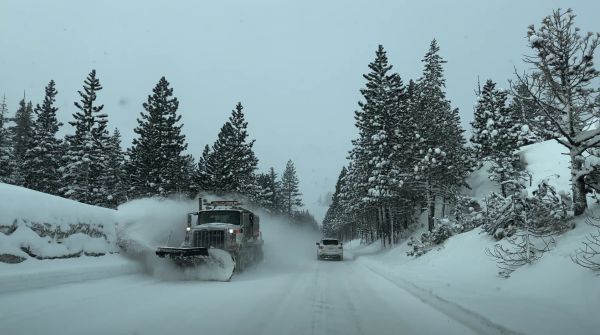
Sierra Nevada Halloween Storm: Dodge Ridge Forecast to Lead With 19 Inches
Halloween weekend brings a wet, windy storm to the Sierra Nevada. Our five-day forecast has Dodge Ridge on top with 19 in, followed by Bear Valley at 15 in and Mammoth Mountain at 12 in, with most of it landing on Saturday. A winter weather advisory covers the Tahoe Basin and Mono County until 7 AM Sunday, gusts could reach 47 mph and the freezing level swings between 4,900 and 8,700 ft, so some bases will see rain. A dry spell follows from Monday.
31 Oct 2026
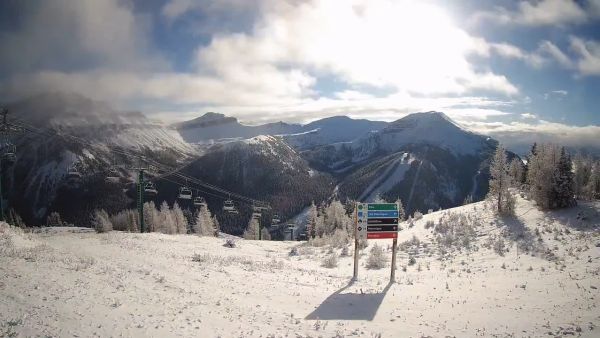
Lake Louise Opens Early on 1 November With Juniper Express and Easy Street
The Rockies get their first lift-served turns of the season early. Lake Louise opens Sunday 1 November, five days ahead of schedule, after a cold October and round-the-clock work from the snowmaking and mountain crews. Terrain is limited to Juniper Express Chair and Easy Street, with two small terrain parks and the beginner area for lessons. Opening-day tickets are over 60% off, with prices rising as more lifts open. First chair is at 9:30 am under the resort’s new lift hours.
31 Oct 2026
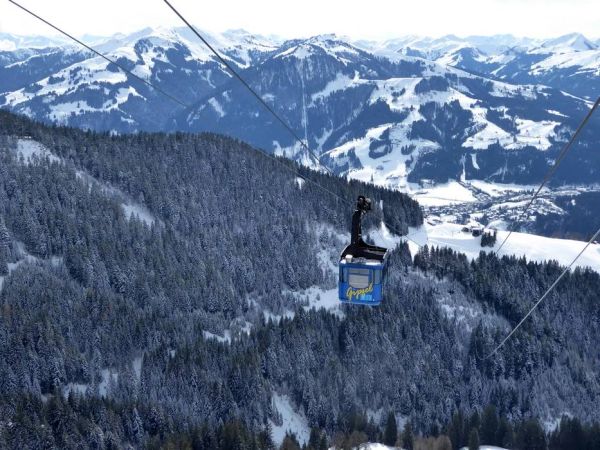
Kitzbüheler Horn Summit Cable Car to Be Replaced After 70 Years
A Tyrolean summit lift that has been carrying guests up the Kitzbüheler Horn since 1955 is on borrowed time. Its licence runs to 2045, but a new inspection rule has made refurbishment uneconomic, so Bergbahn AG Kitzbühel will spend around €15 million on a replacement on the same line. It should hold roughly 100 people and keep running in winds that would stop today’s lift. Building starts in autumn 2027, which makes this winter and next summer the last chances to ride the old one.
30 Oct 2026
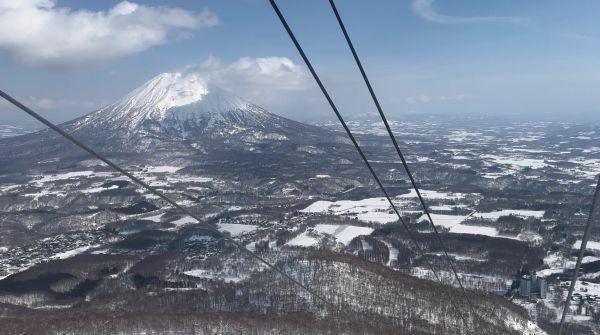
What’s New in Japan Skiing This Winter: Niseko Gondola, a Private Resort and a Bigger Ikon Pass
Niseko Village is replacing a lift from the early 1980s with an eight-person gondola, Tsugaike gets a six-person chairlift, Madarao joins the Ikon Pass and Togari opens Asia’s first private ski resort. Here’s what is actually new in Japan skiing for 2026/27, plus what is still a year or two away.
30 Oct 2026
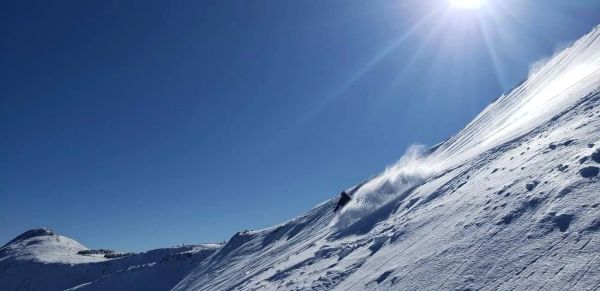
Wolf Creek Opens on Halloween Weekend as Colorado’s Early Season Gathers Pace
Colorado’s early-season dominoes keep falling. Arapahoe Basin opened on Wednesday, Keystone follows on Friday, and now Wolf Creek is joining in on Saturday 31 October, just in time for Halloween. A storm on 23 and 24 October left 20 inches of natural snow in the San Juans, and three lifts will turn from 9:00 am, covering about 30% of the mountain. Expect rocks, unmarked obstacles and open water, but also Local Appreciation lift tickets at $73 for adults.
30 Oct 2026
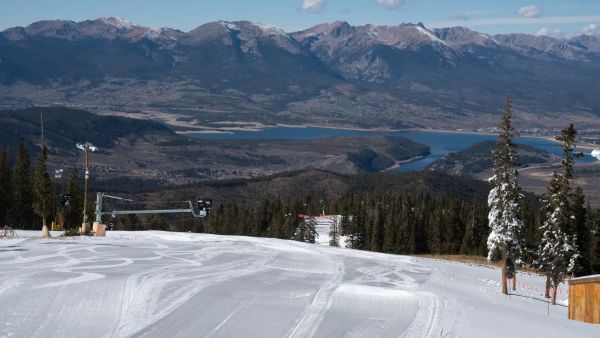
Keystone Resort Opens for 2026/27 With More Than Two Miles of Skiing
Keystone is next. After Arapahoe Basin claimed the first chairlift skiing of the season on Wednesday, Keystone opens on Friday 30 October at 9:00 am with more than two miles of snowmaking-built terrain on Schoolmarm and Silver Spoon, plus free donuts, coffee and a live DJ. Last year the order was reversed, when Keystone squeezed in a three-hour afternoon session to beat A-Basin by a day. Snowmaking has been running since 15 October.
29 Oct 2026
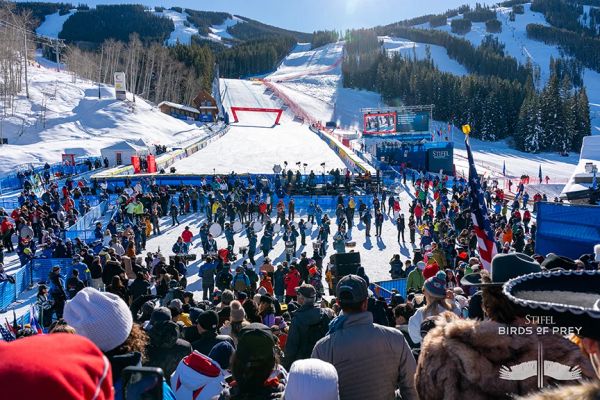
Beaver Creek Installs 16 Automated Snow Guns on Birds of Prey Ahead of Record World Cup
Beaver Creek is getting ready for the biggest Birds of Prey ever, and this time it is not leaving the snow to chance. Crews started making snow on 27 October with 16 newly installed automated guns on the lower third of the course, after last December’s warm spell forced a downhill off the schedule. Seven races across two weekends run from 3 to 13 December, the most the course has hosted since its 1997 debut, and the guns start themselves whenever the weather allows.
29 Oct 2026
Mt Cheeseman Snow Report
Snow Report
Awaiting live data
1874m
summit
+0cm
new snow · last 24 hours
-°C / -°C · - -
Snowfall
24 hours
0cm
48 hours
0cm
7 days
0cm
Base depth
-
Season total
-
Total lifts3
Live open status isn’t available right now.
8 Aug 2026 - 20 Sept 2026
Hour by Hour
Next 34 hours· Updated Nov 3, 2026 at 6:02 PM
Scroll for the full outlook · Open-Meteo
7-Day Outlook
1,807 mUpdated Nov 3, 2026 at 6:02 PMOpen-Meteo
Days 1–7
0.0cm
Days 8–14
0.0cm
Tue, Nov 3
Rain Showers
Temp10° / 3°°C
Snow0.0cm(100%)
Wind13 km/h NW
Live snow from the resort feed; forecast from Open-Meteo, via Supabase.
Understanding the Mt Cheeseman snow report
Mt Cheeseman snow conditions, updated regularly: current snowfall, snow depth, temperatures, and the outlook for this South Island resort.
Snow measurements
Base depth, summit depth, and recent snowfall are the core numbers to watch. At Mt Cheeseman, summit conditions (1874m) can differ noticeably from the base, so we break both out separately rather than showing a single average.
Weather conditions
Current weather conditions affect snow quality. Cold temperatures with low wind typically preserve snow quality, while warm temperatures or rain can impact conditions negatively — something worth watching closely at Mt Cheeseman's 1540m base elevation, where temperatures run milder than the summit.
Data sources
Mt Cheeseman snow data is collected through a combination of on-mountain reports and weather forecasting services, giving you both official resort updates and independent forecast data in one place. The mountain is served by 3 lifts in total.
When to check
Snow reports are typically updated early morning and late afternoon. For the most current conditions, check back regularly, especially if a winter storm is approaching.