TL;DR
A 25-year-old Italian hotel worker has been found dead after an avalanche near St. Moritz, sparking allegations of inadequate response from Swiss authorities and adding to already strained relations between the two countries following the Crans-Montana fire disaster.
Fatal Avalanche Highlights Growing Switzerland-Italy Diplomatic Strain
A 25-year-old Italian hotel worker has been found dead after being caught in a size 4 avalanche near St. Moritz, in an incident that's now escalating diplomatic tensions between Switzerland and Italy. Luciano Capasso, who worked at Badrutt's Palace Hotel, was reported missing on 19 February after failing to return from a solo mountain excursion the previous day. His body was recovered on Sunday afternoon in Val d'Arlas after a multi-day search operation.
The incident has become politically charged, with Capasso's family alleging inadequate response from Swiss authorities and questioning the seriousness of their investigation. This comes at a particularly sensitive time—just weeks after the Crans-Montana nightclub fire that killed 41 people, including many Italians, an event that's already put Swiss regulatory oversight under intense scrutiny from Italian authorities and public opinion.
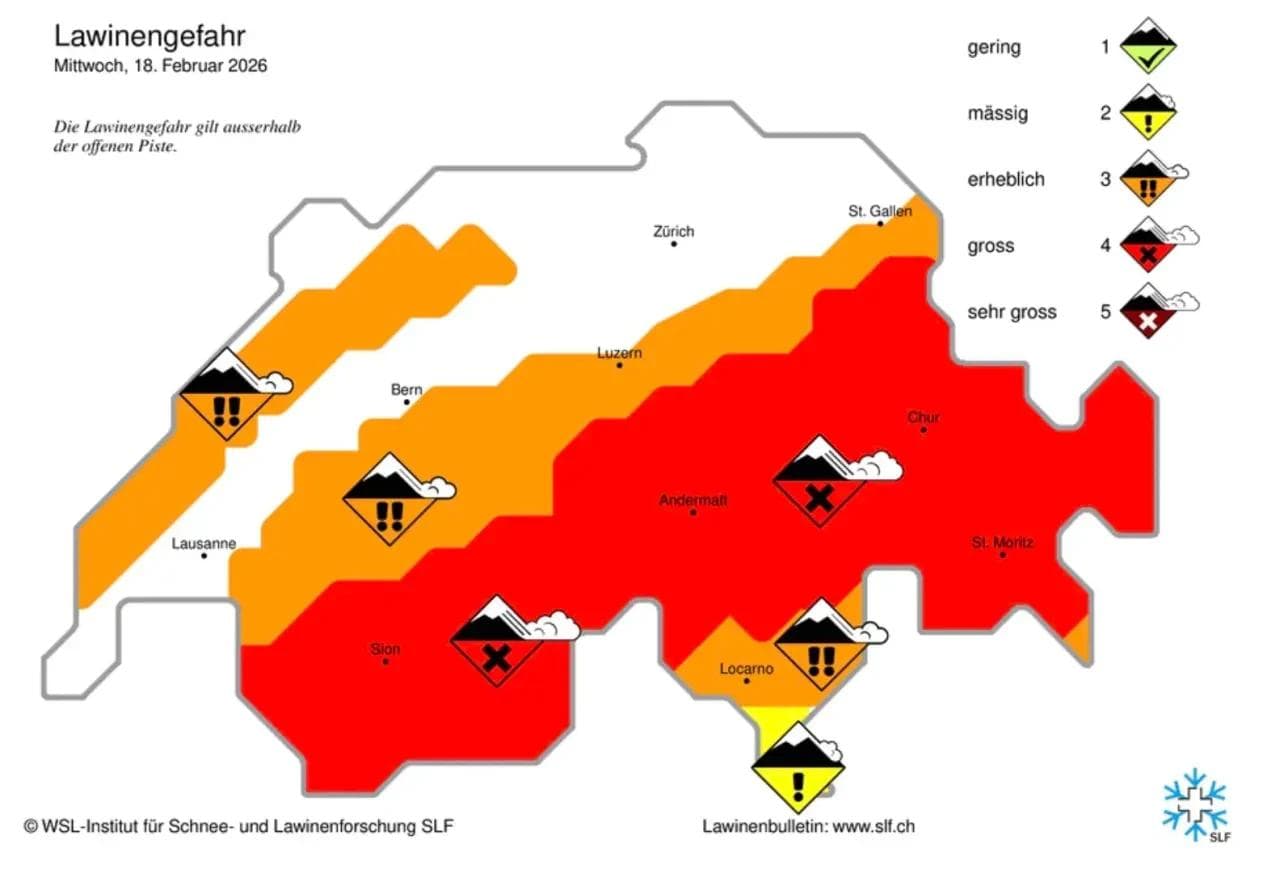
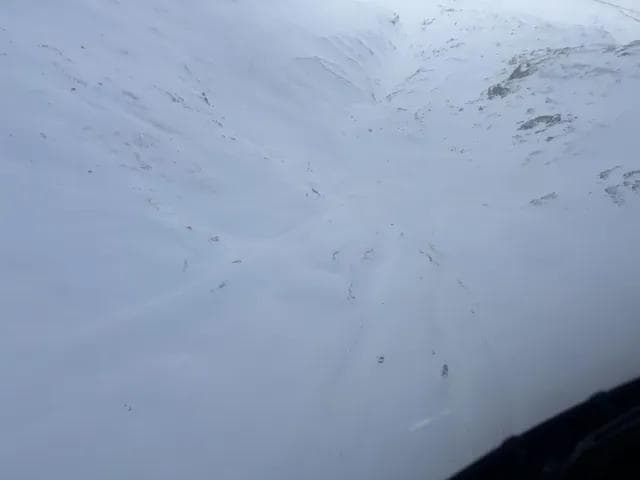
Size 4 avalanches on the European scale are classified as "large" and capable of destroying buildings, railway carriages, and extensive forest sections. According to Graubünden Cantonal Police, Capasso was caught in the avalanche on Wednesday at approximately 2,700 metres elevation. The region had been rated at avalanche danger level 4 of 5 ("high") following a storm system that deposited at least a metre of fresh, unsettled snow on an unstable base layer.
The family's response to their son's disappearance reveals the complexities—and potential dangers—of modern search operations in the social media age. Capasso's mother publicly offered a €10,000 reward for information and shared GPS coordinates, appealing directly to mountain guides, volunteer search teams, and drone operators for help. Whilst understandable from a desperate family's perspective, this approach represents a concerning trend that could endanger additional lives.Professional avalanche search operations are conducted by trained rescuers with specialist equipment—avalanche dogs, probes, transceivers, and helicopter support—for good reason. Uncoordinated civilian intervention in active avalanche terrain, particularly during elevated danger periods, exposes untrained individuals to serious risk. The family's public campaign, whilst emotionally compelling, could have incentivised people without proper training or equipment to enter dangerous terrain.The family has alleged that Swiss authorities dismissed their concerns, cited weather as an excuse for delayed intervention, and suggested Capasso was ill-prepared. His brother Emmanuel rejected these claims, noting that Luciano had previously summited Mont Blanc, was a former soldier, and was carrying military-grade GPS equipment. Swiss police maintain that a comprehensive multi-day search operation was conducted with specialist rescue teams and air support.The public prosecutor's office has opened an investigation, though the family disputes whether authorities are taking it seriously. This disagreement over response adequacy appears to reflect broader frustrations about how Swiss institutions engage with foreign workers and their families during crises.St. Moritz sits just an hour from the Italian border and employs significant numbers of Italian seasonal workers, drawn by salaries paid in Swiss Francs that are substantially higher than comparable positions in Italy. This creates a sizeable community of cross-border workers whose families often lack familiarity with Swiss institutional processes and communication styles, which can differ markedly from Italian bureaucratic culture.