TL;DR
Northern Vermont is having one of those winters that makes you question whether the last decade of underwhelming Northeast seasons was just a bad dream. Jay Peak is sitting at around 348 inches of snow before March, and Stowe has already surpassed its average full-season total. Here's what's driving it and why March could make this one genuinely memorable.
Jay Peak Is Approaching 350 Inches of Snow Before March Even Arrives
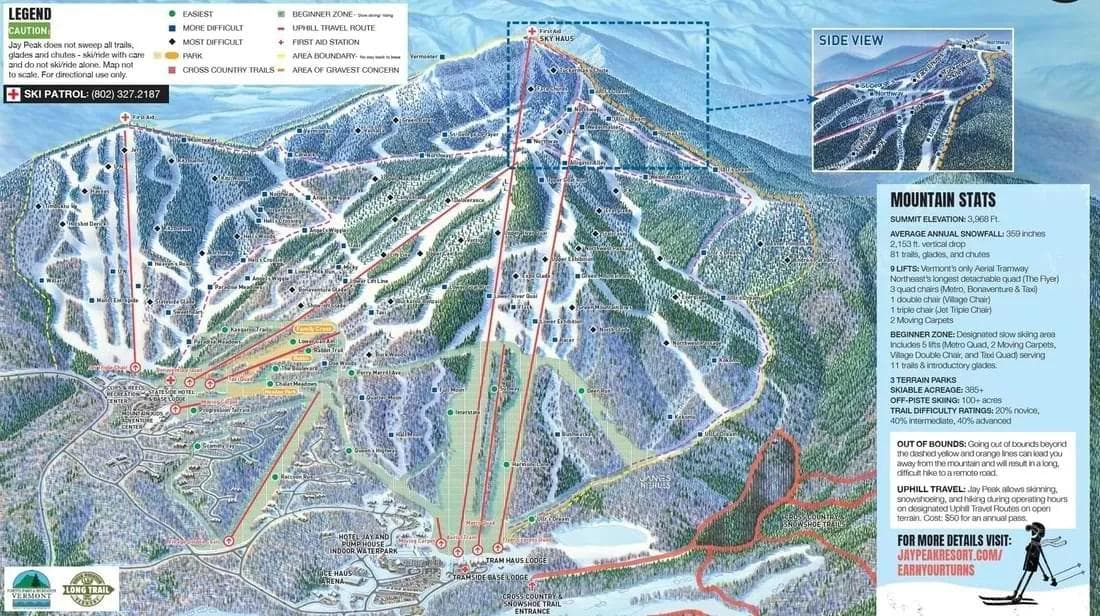
Northern Vermont is having the kind of winter that old-timers keep telling you used to be normal. As of 23 February 2026, Jay Peak is sitting at roughly 348 inches of snow for the season — that's against a full-season average of around 305 inches, and March hasn't even shown up yet. Stowe is also well ahead of pace, sitting at approximately 252 inches against its average of 224 for a full season.
To put that in plain terms: Stowe has already matched what it received across the entire 2024-25 season, and Jay Peak has already blown past what most recent winters finish with altogether.
How Does This Compare to Recent Seasons?
The Northeast has had a rough run of it over the past decade or so. Warm spells, rain events, and inconsistent storm tracks have made planning a Vermont ski trip feel like a bit of a gamble. This season has been a genuine exception.
Jay Peak could realistically finish above 400 inches when it's all done — a total that would place this season among the better ones on record for the region.
Why Has the Snow Been So Good This Year?
Big snowfall numbers alone don't guarantee a quality season. Anyone who's skied the Northeast knows that a solid dump can disappear within a week if a warm spell rolls through and rain does its damage. That hasn't been the story this winter.