TL;DR
A teenage alpine ski racer has died after being caught in an avalanche at Nakiska Ski Area while bootpacking with another athlete. The incident raises questions about terrain management and decision-making at a resort that serves as a major training venue for youth racing programs.
Teen Alpine Racer Dies After Nakiska Avalanche
A 15-year-old alpine ski racer from Calgary died on 28 February at Alberta Children's Hospital, one day after being buried by an avalanche at Nakiska Ski Area. The teenager was one of two Alberta Alpine Ski Association athletes caught in the slide while bootpacking up a slope on 27 February. The second athlete was able to self-extract.
Cochrane RCMP received the emergency call at 12:49 p.m. on Friday reporting two missing skiers. Multiple rescue resources deployed to the scene located the second skier unresponsive. Despite transport to hospital, the youth succumbed to his injuries early Saturday morning.
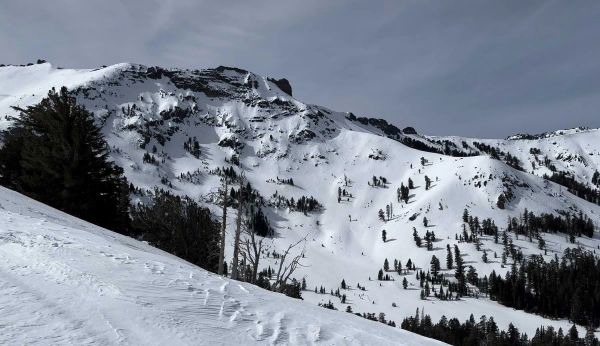
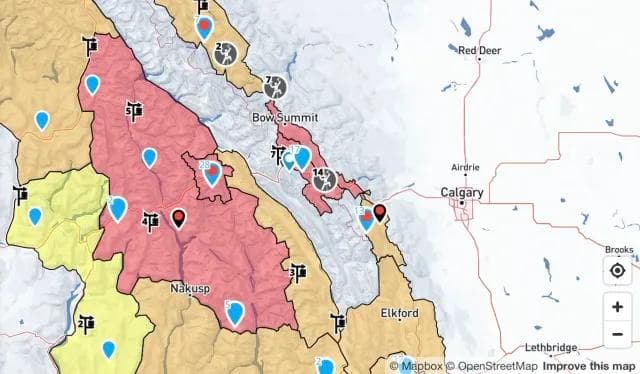
The incident occurred at 2,250 metres elevation in conditions rated Level 3 "considerable" avalanche danger—the middle rating on the five-point scale. Avalanche Canada had issued warnings the previous day about dangerous snowpack conditions across multiple forecast regions. The avalanche was classified as a wind slab—a common but particularly treacherous avalanche type that can be triggered by the weight of a skier or rider.
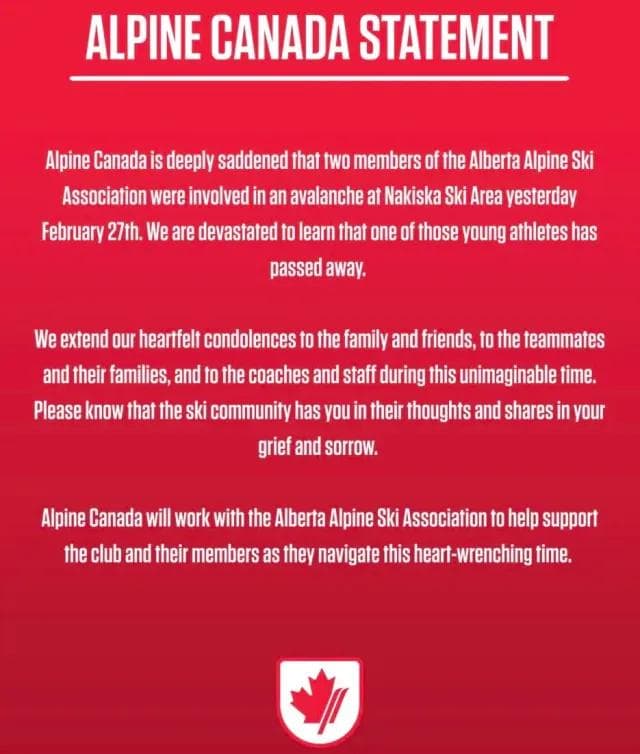
Nakiska, located 100 kilometres west of Calgary in Kananaskis Country, serves as a major training facility for alpine racing programs through the Nakiska Alpine Ski Association and five affiliated ski clubs. These programs serve athletes from age five upward, making this the second fatal incident involving youth athletes at a Canadian ski area this season.What remains unclear is why two teenage athletes were bootpacking in avalanche terrain during considerable danger ratings. The resort and ski association statements focused on grief and gratitude toward rescue teams but offered no explanation of the circumstances that led to the incident. Were the athletes training? Hiking independently? Under supervision? These questions matter, particularly at a venue that markets itself heavily toward youth racing programs.The Alberta Alpine Ski Association and Alpine Canada both issued public statements expressing condolences but provided no detail about the incident circumstances or any review of protocols. Neither organisation identified the athletes by name, citing only that the deceased was a Calgary resident.This death marks the fifth avalanche fatality in Canada this season, with four occurring in the past two weeks—a grim acceleration that suggests either deteriorating snowpack conditions or increasingly poor decision-making across the backcountry and sidecountry terrain.