SnowStash Logo
AustraliaCanadaEuropeJapanNew ZealandUnited StatesNews
Sign InSign Up Free

Contact Us

hello@snowstash.com

Download Our App

Download on the App Store

Company

About UsWork With UsPrivacy PolicyMobile App

© 2026 Snowstash. All rights reserved.

    Back to News
    Europe Records 146 Avalanche Deaths as Persistent Weak Layer Drives Dangerous Season

    Europe Records 146 Avalanche Deaths as Persistent Weak Layer Drives Dangerous Season

    Published Date: April 30, 2026

    Michael Fulton

    Michael Fulton

    Melbourne-based skier and snowboarder with 50+ resorts across 5 continents. Specialises in Australian resorts and international resort comparisons.

    50+ resorts visited15 years skiing

    Categories

    Europe
    Pyrenees
    Alps

    Europe's Avalanche Season Claims 146 Lives in Pattern of Persistent Instability

    The 2025-26 European ski season ended with 146 avalanche deaths across the Alps, Apennines, Pyrenees, and Scandinavian Mountains - more than double the 70 fatalities recorded the previous winter. The primary culprit wasn't extraordinary snowfall or massive storm cycles, but rather a persistent weak base layer that formed early in the season and refused to stabilise for months.

    Whilst some media outlets labelled this a record season, the statistical reality is more nuanced. The 20-year average for European avalanche deaths sits at 104.35, with a standard deviation of 35.64 - meaning seasonal variability between 69 and 140 deaths falls within normal statistical range. This season's toll exceeded that range only marginally. The winter of 2009-10 remains the actual outlier, with 194 deaths across Europe.

    The Structural Problem That Defined the Season

    What distinguished this season wasn't a single catastrophic event but a pattern avalanche forecasters recognise all too well. Thin, inconsistent snowfall across much of the Alps during late November and December created a deeply buried persistent weak layer - what German-speaking forecasters call "Altschneeproblem" (old snow problem). This fragile layer, typically composed of faceted snow crystals, can persist for months and proves notoriously difficult to stabilise.

    The danger remained relatively contained through early winter, with fatalities staying low through December. But beneath the surface, conditions were deteriorating. When significant fresh snow finally arrived after a prolonged dry period in mid-January, it loaded slopes rapidly whilst placing stress on that buried weak layer.
    Three Months of Elevated Danger

    The first major spike came in calendar week 3 of 2026 (12-18 January), with 18 deaths - the beginning of what would become the season's defining pattern. Fresh snowfall and strong winds repeatedly added new snow and wind-drifted slabs on top of the unstable base throughout late January and February. The snowpack never properly adjusted. Instead, each storm effectively reset the danger, creating what the SLF describes as an "avalanche window" - a period when conditions remain primed for large, destructive slides.

    February proved deadliest, recording 52 deaths across the month. Calendar week 8 (16-22 February) alone claimed 21 lives - the highest weekly toll of the season. The first week of February saw 15 deaths, with another 16 spread across the month's remaining weeks.

    This prolonged instability is characteristic of seasons dominated by persistent weak layers. Unlike storm snow instabilities that often stabilise within days, these deeper structural problems can linger for weeks or months. Even experienced backcountry users found themselves caught off guard, particularly when surface conditions appeared stable.

    The Spring Transition

    By early March, fatalities dropped sharply as the snowpack slowly adjusted and storm intensity decreased. The nature of avalanche risk shifted toward wet snow avalanches driven by warming temperatures and solar radiation. These are generally more predictable than deep slab avalanches, though still dangerous. Melt water saturating snow layers encountered the persistent weak base layer, triggering several size 3-4 avalanches as spring progressed.

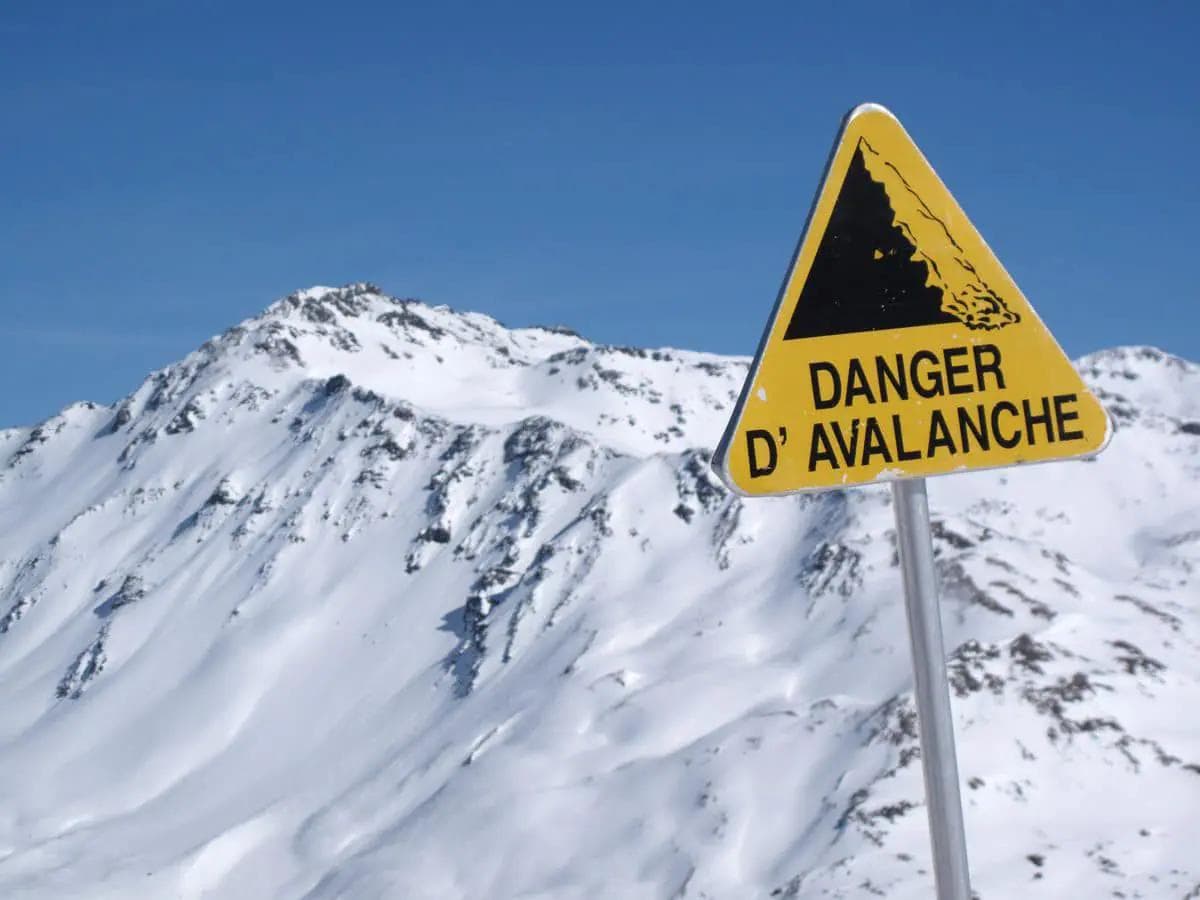
    Avalanche sign in the French Alps
    Avalanche sign in the French Alps

    What the Season Reveals About Avalanche Risk

    The 2025-26 season ranks as Europe's worst avalanche winter in the last decade, though not the worst in two decades. It underscores a critical reality: the most dangerous winters aren't necessarily the snowiest or stormiest. Sometimes the greatest risk builds quietly, layer by layer, long before major storms arrive.

    The persistent weak layer structure this season proved more sensitive and longer-lasting than many experienced backcountry users anticipated. Familiarity with terrain and conditions can create a false sense of security - a lesson reinforced throughout this winter. When structural instability exists deep in the snowpack, even moderate new snow loads can trigger large, destructive avalanches.

    For anyone planning backcountry travel in European mountains, this season serves as a reminder that early-season snowpack development matters as much as mid-winter storm cycles. A weak foundation established in November can dictate conditions through February and beyond, regardless of how much snow falls later. Understanding snowpack structure - not just surface conditions - remains essential for managing risk in avalanche terrain.

    Latest News

    Powder Mountain Private Side Announces $157 Million Development Phase

    Powder Mountain Private Side Announces $157 Million Development Phase

    Apr 30, 2026

    Australia's Newest Chairlift is Spinning as 2026 Ski Season Nears

    Australia's Newest Chairlift is Spinning as 2026 Ski Season Nears

    Apr 30, 2026

    Arapahoe Basin Closes May 3 After 194-Day Season in Difficult Snow Year

    Arapahoe Basin Closes May 3 After 194-Day Season in Difficult Snow Year

    Apr 25, 2026

    Breckenridge Reopens Peak 8 for One-Day Peaks and Beats Event

    Breckenridge Reopens Peak 8 for One-Day Peaks and Beats Event

    Apr 25, 2026

    Vail Resorts Reports 25% Drop in Rocky Mountain Skier Visits

    Vail Resorts Reports 25% Drop in Rocky Mountain Skier Visits

    Apr 24, 2026