SkiGastein, Austria - First Impressions of the Gastein Valley on a Low Snow Day
Published Date:
SkiGastein Sounds Impressive on Paper - But a Low Snow February Told a Different Story
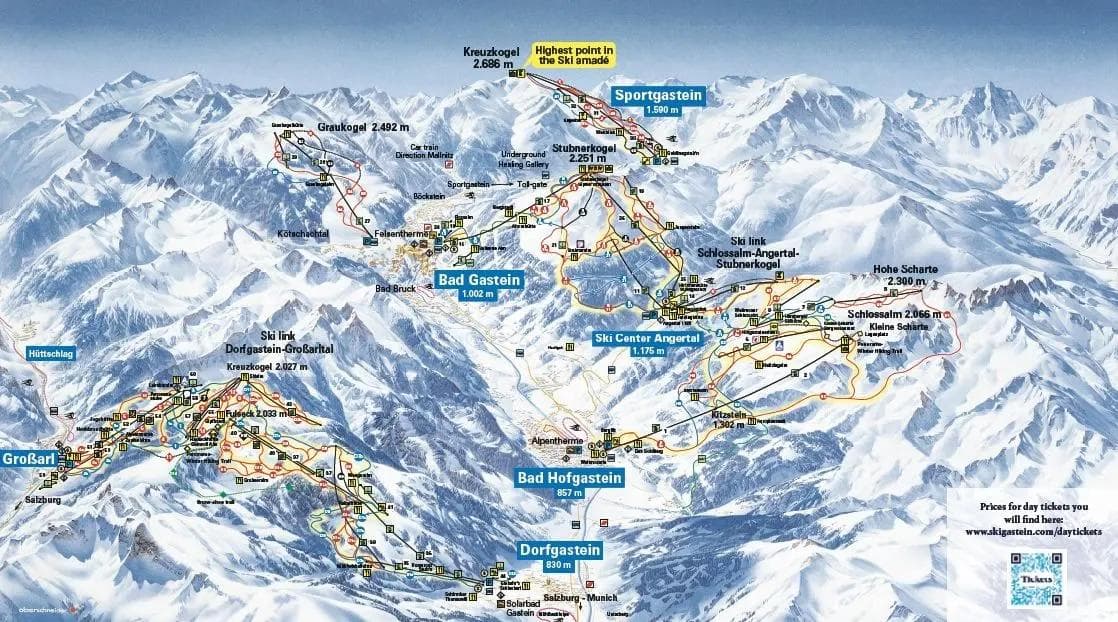
If you've been looking at Austrian ski resorts outside the usual Tyrol heavy-hitters, you've probably come across SkiGastein. Sitting in the Gastein Valley in Salzburgerland - about 90 kilometres south of Salzburg - it's part of the Ski Amadé network and covers multiple ski areas including Bad Gastein, Bad Hofgastein, Dorfgastein, and Sportgastein. The main Schlossalm-Angertal-Stubnerkogel area alone has 83km of pistes across 77 runs, with skiing between 860m and 2,300m elevation served by 25 lifts - a mix of seven gondolas, six chairlifts, and a handful of surface lifts and T-bars.
For context, that's comfortably bigger than anything we have in Australia. So when I arrived in the valley for my first ski day of an Austrian trip, expectations were reasonably high. What I actually got was... a bit more complicated than the brochure version.
Starting the Day Behind Schedule
I'll be honest - the day didn't get off to the best start. I drove to the resort, got to the base area, and then realised I'd left my helmet, goggles, and basically everything important back at the hotel. A 20-minute round trip later, I was finally ready to go. By then it was around midday, so I was already playing catch-up.
The conditions were overcast but at least the cloud was sitting high enough that visibility wasn't a complete write-off. Ski pass sorted, I headed up the Schlossalm side to start exploring.
This Resort Was Not What I Thought It Would Be
A Lot of Cat Tracks and Not Much Snow
Here's the thing about SkiGastein that I wasn't quite prepared for - there are a lot of cat tracks. Like, a lot. Getting between different sections of the resort involves long, flat traverses that eat into your actual skiing time. After about an hour, it felt like I'd spent most of the day shuffling along narrow paths rather than making turns.
The snow coverage was also noticeably thin for February. You could see grass and rock poking through in areas that should have been well covered by that point in the season. It looked like the bulk of the snowfall had been hitting the western Alps, and this part of Austria was missing out. Some of the marked advanced runs were clearly closed - one black run was nothing but exposed rock and grass.
The Lifts Have Character (Some More Than Others)
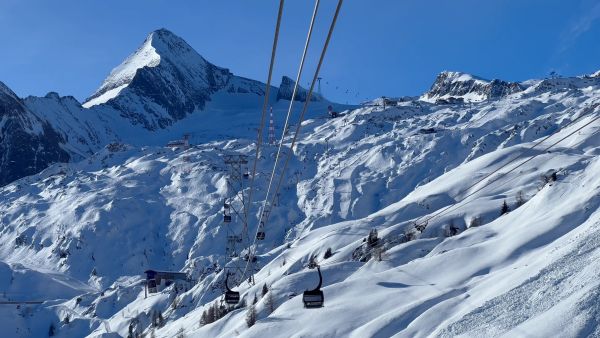
The main gondola infrastructure is modern enough - seven gondolas is a solid setup - but once you get into the further reaches of the resort, you hit some genuinely vintage lifts. I'm talking old-school double chairs that look like they were installed in 1984, and one of them had a sign confirming exactly that. If you've ridden the older chairlifts in Japan, you'll know the vibe. They're slow, they're wobbly, but there's a certain charm to them.
The resort's orange colour scheme throughout the signage and infrastructure is a nice touch, too. Small detail, but it gives the place a distinct identity.

The Longest Run in Salzburgerland
The highlight of the day was getting over to the Bad Hofgastein side and riding the vintage double chair up to the top. From there, you can ski what's billed as one of the longest runs in the region - the Hohe Scharte descent into Bad Hofgastein, covering around 10.5km with roughly 1,440m of vertical drop.
The snow up high was genuinely good - firm but skiable, and the top section had decent coverage. I ended up doing a couple of laps on the double chair because the skiing off the top was worth the slow ride back up. The run itself was a bit of everything - some nice steep pitches at the top, a solid middle section, and then the bottom turned into what I'd describe as the longest ice-skating rink in Salzburgerland. Hard-packed and slick by the afternoon, but the full descent is still a solid experience.
The Verdict on Day One
SkiGastein is clearly a resort that would shine on a good snow day with blue skies. The terrain split leans heavily toward intermediates - 60% of runs are graded red with 37% blue and just 3% black - so it's well suited to confident cruisers. The vertical is impressive, the lift infrastructure in the main areas is modern, and the fact that it connects into the broader Ski Amadé network gives you options for days.
But on a low-snow, overcast February day with a late start? It felt like a lot of cat track shuffling interspersed with pockets of decent skiing. The thin coverage meant a chunk of the terrain was either closed or not worth the risk. And if you're someone who gets frustrated by flat traverses between ski areas, you'll want to be prepared for that here.
I'd like to come back on a proper snow day. Sportgastein in particular - which sits higher at up to 2,650m and is known for its freeride terrain - looks like it'd be worth a dedicated day when there's fresh snow on the ground.
For now though, day one goes down as a solid introduction with a few caveats. Not bad. Not mind-blowing. Somewhere in between - which is probably the most honest thing I can say about it.