TL;DR
The Alberta resort has logged 389 inches of snow this season, 60% above its annual average, and is one decent storm away from breaking its period of record. Meanwhile, much of the western United States continues to struggle with below-average snowpack.
Banff Sunshine Village sits one storm away from breaking its snowfall record
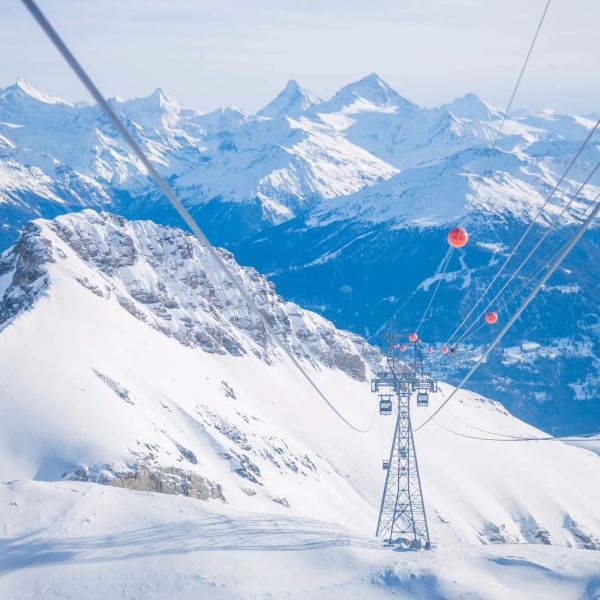
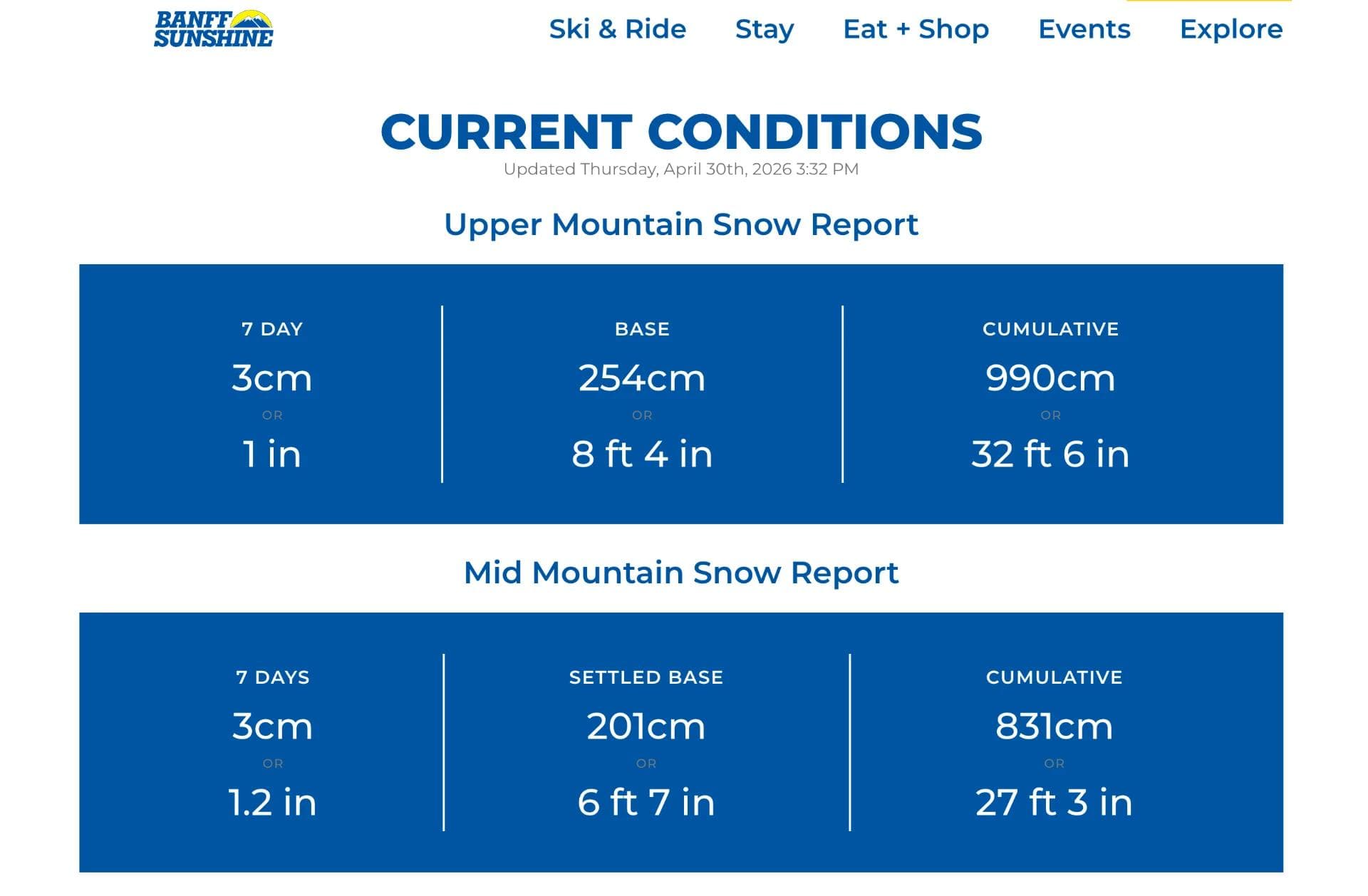
Banff Sunshine Village has received 389 inches of snow during the 2025-26 season, putting it within striking distance of the highest snowfall total in its period of record. The figure represents roughly 60% more snow than the resort's 242-inch annual average and has allowed operations to continue into late April whilst much of the western United States closes early due to poor conditions.
The numbers in context
The resort's Snow Water Equivalent (SWE) station is approaching a new high for its period of record - the timeframe over which data has been collected. At 389 inches (9.88 metres), the season has already eclipsed any snowfall total seen at the resort in over a decade.
For reference, that's approximately 32 feet of accumulated snowfall, though "taller than three snowcat groomers stacked on top of each other" probably isn't the most useful measurement you'll come across this season.
A season of geographic extremes
The Canadian Rockies have experienced a markedly different winter compared to their southern counterparts. Whilst Colorado and much of the western United States have dealt with below-average snowpack throughout the season, Banff Sunshine's location on the Continental Divide has delivered consistent storms since early season.December proved particularly productive, with the resort recording close to 100 inches during that month alone. The accumulation hasn't stopped - as of late April, the resort remains operational whilst most North American ski areas have already closed for the season.