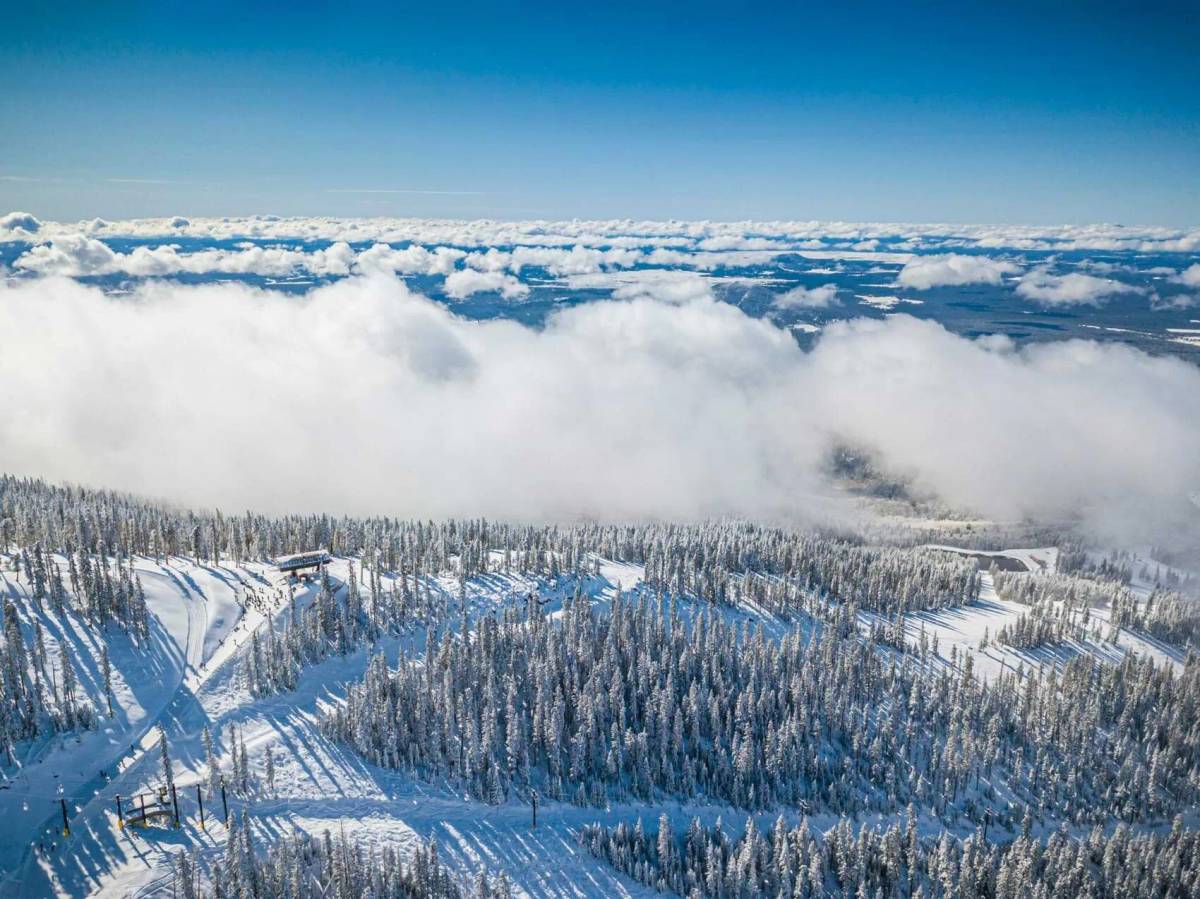
Arizona Snowbowl
55 runs, 2,300ft vertical, 777 acres on the San Francisco Peaks. 260in snowfall, 2 hours from Phoenix.

Season 2026 - 2027
Opens
20 Nov 2026
Closes
18 Apr 2027
Days open
149
Annual snow
260in
The Overview
Michael Fulton
Melbourne-based skier and snowboarder with 50+ resorts across 5 continents. Specialises in Australian resorts and international resort comparisons.
Arizona Snowbowl's summit reaches 11,499 feet, dropping 2,300 vertical feet to a base at 9,199 feet across 55 runs spread over 777 acres on the San Francisco Peaks near Flagstaff. Terrain splits 43 per cent intermediate, 22 per cent beginner, 22 per cent advanced and 13 per cent expert. Average annual snowfall reaches roughly 260 inches. The resort carries no major multi-resort pass affiliation.
Snowbowl sits on the western slope of Mount Humphreys, Arizona's highest peak, giving it one of the highest base elevations of any US resort outside the Rockies. Eight lifts, including a gondola, a six-pack chair, two quads and a triple, serve the 55-run network. The resort's unusually long operating season, often extending into May, reflects both its high elevation and heavy investment in snowmaking. The 2,300-foot vertical drop is substantial for a resort in the desert Southwest.
Arizona Snowbowl has operated since 1938, when it began as a two-person rope tow powered by a car engine. The San Francisco Peaks are held sacred by thirteen Native American tribes in the region, including the Navajo, Hopi, Apache, Hualapai and Yavapai. A 1979 Forest Service approval for expanded facilities, including new lifts and additional trails, prompted lawsuits from Hopi and Navajo groups seeking to halt development on religious grounds; the tribes have not succeeded in any of the legal challenges filed over the decades. Since December 2012, the resort has used reclaimed wastewater from the City of Flagstaff for snowmaking under a contract first signed in 2002, a practice that remains contested by Indigenous and environmental groups on both cultural and water-quality grounds.
With no major pass affiliation, Snowbowl uses dynamic pricing, with adult day tickets ranging from roughly 19 to over 300 US dollars depending on demand, alongside a flat-rate season pass at 899 dollars. Kids 12 and under ski free. The resort suits Phoenix and northern Arizona skiers seeking high-desert skiing without travelling to the Rockies, roughly two hours from Phoenix and 14 miles from Flagstaff. Its history and ongoing tension over its sacred-mountain location and reclaimed-water snowmaking remain part of the resort's identity for many visitors and observers alike.
2,300ft
Vertical
55
Runs
777 acres
Skiable
260in
Annual snow
The Terrain
55 runs across 777 acres skiable
Arizona Snowbowl sits on the San Francisco Peaks near Flagstaff, with 55 runs over about 777 acres (314 hectares). The base is at 9,200 feet (2,804 m) and the summit at 11,500 feet (3,505 m), a vertical of 2,300 feet (701 m) that is the largest in Arizona. Intermediates make up 43% of the terrain, with beginners and advanced skiers at 22% each and experts at 13%. A gondola, a six-pack, two quads, a triple, a double and two surface lifts serve the mountain, and about 260 inches of snow falls in a typical year.
Two lodges anchor the mountain: Agassiz and Hart Prairie. The Arizona Gondola, or Agassiz Express, climbs the main face toward the summit, while the Aspen quad, the Sunset triple and the Hart Prairie quad spread skiers across the lower and middle slopes. The Upper Bowl hike-to terrain delivers the steepest skiing, and the multiple terrain parks add jumps, rails and technical features. Snowbowl suits intermediates cruising groomers, advanced skiers heading for the bowl and beginners who want high-altitude skiing close to Flagstaff, though the mountain can get busy on powder weekends.
Terrain split
55
runs
55 runs across 4 grades
Beginner12 runs · 22%
Intermediate24 runs · 43%
Advanced12 runs · 22%
Expert7 runs · 13%
Time it right
When to visit Arizona Snowbowl
The 2025-26 season at Arizona Snowbowl ran from 7 November 2025 to 10 May 2026, an unusually long roughly twenty-six-week window for a Southwest resort. The mountain's high base elevation of 9,199 feet, close to Arizona's highest terrain, supports this extended season. Snowmaking, supplied by reclaimed wastewater since 2012, extends the season further at both ends. Season dates can shift based on early and late-season conditions.
Average annual snowfall of roughly 260 inches is high for the desert Southwest, a result of the San Francisco Peaks' elevation drawing moisture from passing storm systems. This natural snowfall, combined with reclaimed-water snowmaking, supports one of the longest operating seasons of any resort outside the traditional snowbelt regions. Base depth builds through midwinter and can persist into spring given the elevation. The reclaimed-water snowmaking programme remains contested by Indigenous and environmental groups, citing both cultural concerns and studies suggesting the water contains endocrine-disrupting compounds.
January and February typically offer the most reliable natural conditions, while snowmaking extends viable skiing well into spring given the exceptionally long season. Late-season visits in April and May are unusual for most US resorts but routine at Snowbowl given its elevation. Weekday visits are generally quieter than weekends, with the resort serving a large day-trip population from Phoenix as well as destination visitors. Family Friday afternoon discounted access reflects the resort's effort to spread demand across the week.
Snowbowl's season calendar operates within the ongoing context of its location on the San Francisco Peaks, sacred to thirteen regional tribes, and the continued use of reclaimed wastewater for snowmaking since 2012. Protests and legal challenges have recurred around season openings in past years, reflecting sustained opposition from some Indigenous and environmental groups. The resort's own programming otherwise centres on standard ski operations rather than major festivals. Its exceptionally long season remains its most distinctive seasonal feature nationally.
Season 2026 - 2027
20 Nov 2026
Opens
18 Apr 2027
Closes
149
Days open
260 in
Annual snow
The record
Historical snowfall at Arizona Snowbowl
Daily snow reports at Arizona Snowbowl go back to 2025, 3 winters on the books. Open the record to compare winters, lifts and piste.
22 in
Snowiest day
19 Nov 2025
0 in
This winter · 2026-27
so far
143 in
Typical winter
average of complete seasons
Winter totals
in
Past wintersThis winter
Getting there
Getting to Arizona Snowbowl, and where to stay
Arizona Snowbowl sits on the western slope of Mount Humphreys in the San Francisco Peaks, roughly 14 miles from Flagstaff, with a base elevation of 9,199 feet and a summit at 11,499 feet across a 2,300-foot vertical drop. This is within the Coconino National Forest in northern Arizona. The San Francisco Peaks are held sacred by thirteen Native American tribes in the region, including the Navajo, Hopi, Apache, Hualapai and Yavapai, a fact central to the mountain's identity and ongoing disputes over its development.
Flagstaff, Arizona, is the nearest city, a university and railroad town at roughly 7,000 feet elevation that serves as the resort's main service centre. The city sits along historic Route 66 and the modern Interstate 40 corridor. Flagstaff's own high elevation and forested setting distinguish it from the desert character of much of the rest of Arizona. Reclaimed wastewater from the City of Flagstaff has supplied the resort's snowmaking since 2012, linking the city and resort directly.
Highway 180 provides the main access route from Flagstaff to the ski area, climbing steadily into the San Francisco Peaks. The drive from Flagstaff takes roughly 30 minutes under normal conditions. Phoenix lies approximately two hours south by Interstate 17 and connecting roads, making Snowbowl a popular day-trip destination for the state's largest metropolitan area. Winter driving on Highway 180 can include snowpack given the elevation gain from Flagstaff to the resort.
Flagstaff Pulliam Airport offers limited regional commercial service, while Phoenix Sky Harbor International Airport, roughly two hours south, provides far more extensive flight options and is the more practical choice for most visitors. Most Snowbowl visitors drive up from Phoenix rather than flying into a smaller regional airport. No passenger rail connects directly to the resort, though Amtrak serves Flagstaff itself. A rental car from Phoenix or Flagstaff is the standard way to reach the resort.
Where to stay
Search all stays →Stays map loads when you scroll here
Hotels and lodges near Arizona Snowbowl, powered by Stay22.
Latest News
From the SnowStash desk
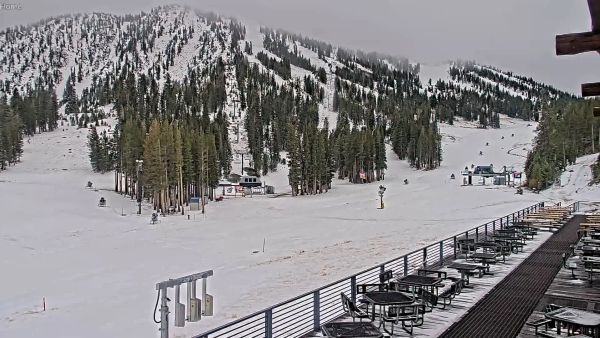
Mt Rose Aims to Open First in Tahoe on November 6
Mt Rose is going for the first-in-Tahoe title, with the Lakeview Express due to spin at 9 a.m. on Friday, November 6. One main lift, three runs and plenty of snowmaking, sitting on the highest base elevation in the region at 8,260 ft. Here is what is open, what is not (sorry, tubing fans), and how the early North American openings are stacking up.
4 Nov 2026
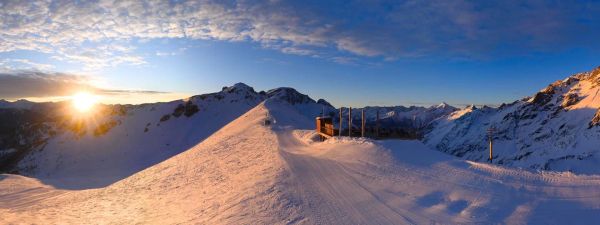
Europe Snow Forecast: Serre Chevalier Leads With 82 cm Over the Next 10 Days
Europe has had a quiet start to November, but our 10-day forecast has Serre Chevalier on 82 cm and Les 2 Alpes on 71 cm. Two pushes are lined up: a western Alps top-up from Friday, then a bigger, wider system on Thursday, November 12 and Friday, November 13 that reaches Italy and Switzerland. Full leaderboard inside.
4 Nov 2026
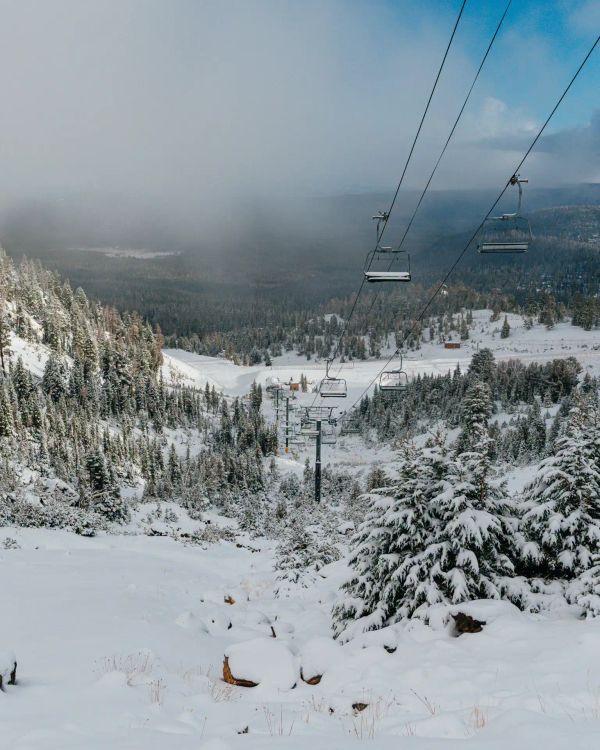
Mammoth Mountain Opens Early on November 5 With Up to 33 Inches of Snow in the Forecast
Mammoth just moved opening day forward to Thursday, November 5, eight days ahead of schedule. A snowy weekend and cold snowmaking nights did the work, and our forecast shows up to 33 inches more landing on November 13 and 14. Here is what opens, what the weather looks like and where Mammoth sits among the early Ikon Pass openers.
3 Nov 2026
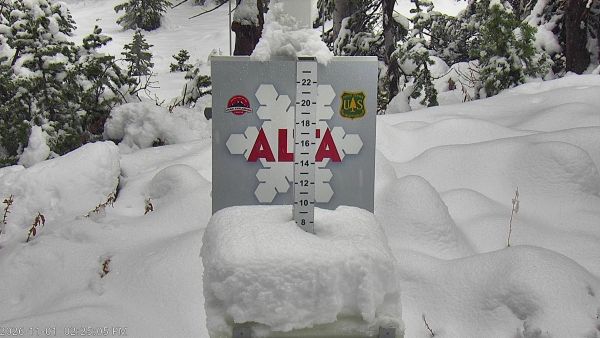
Utah Snow Storm Builds Early-Season Base Ahead of November Openings
Rain down low, snow up high, and a snow report full of zeros that mostly means ‘not updated yet’. Utah’s first proper storm of 2026-27 is rolling through the Wasatch, Snowbird’s snow stake is closing in on 10 inches, and Brian Head is five days from opening day. Early November snow rarely looks like much, but it is the layer every November opening date is built on. Here is where it stands.
1 Nov 2026
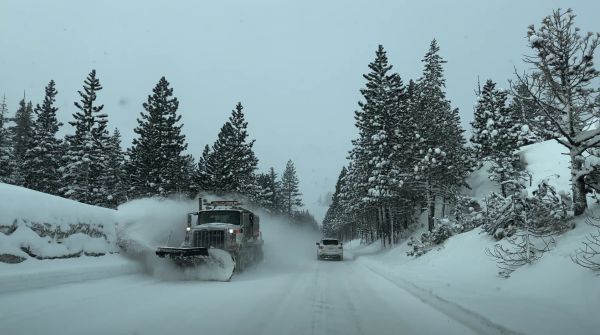
Sierra Nevada Halloween Storm: Dodge Ridge Forecast to Lead With 19 Inches
Halloween weekend brings a wet, windy storm to the Sierra Nevada. Our five-day forecast has Dodge Ridge on top with 19 in, followed by Bear Valley at 15 in and Mammoth Mountain at 12 in, with most of it landing on Saturday. A winter weather advisory covers the Tahoe Basin and Mono County until 7 AM Sunday, gusts could reach 47 mph and the freezing level swings between 4,900 and 8,700 ft, so some bases will see rain. A dry spell follows from Monday.
31 Oct 2026
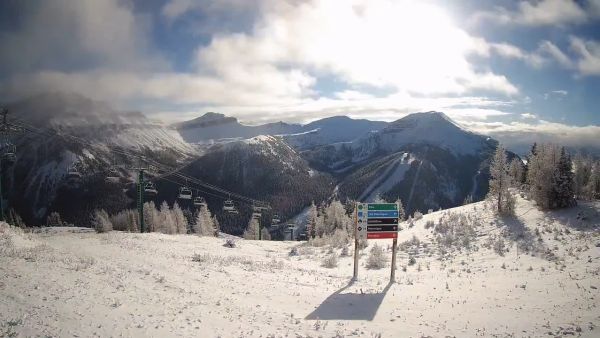
Lake Louise Opens Early on 1 November With Juniper Express and Easy Street
The Rockies get their first lift-served turns of the season early. Lake Louise opens Sunday 1 November, five days ahead of schedule, after a cold October and round-the-clock work from the snowmaking and mountain crews. Terrain is limited to Juniper Express Chair and Easy Street, with two small terrain parks and the beginner area for lessons. Opening-day tickets are over 60% off, with prices rising as more lifts open. First chair is at 9:30 am under the resort’s new lift hours.
31 Oct 2026
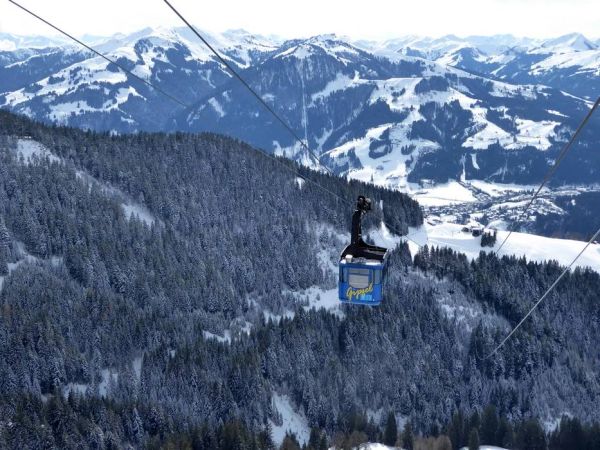
Kitzbüheler Horn Summit Cable Car to Be Replaced After 70 Years
A Tyrolean summit lift that has been carrying guests up the Kitzbüheler Horn since 1955 is on borrowed time. Its licence runs to 2045, but a new inspection rule has made refurbishment uneconomic, so Bergbahn AG Kitzbühel will spend around €15 million on a replacement on the same line. It should hold roughly 100 people and keep running in winds that would stop today’s lift. Building starts in autumn 2027, which makes this winter and next summer the last chances to ride the old one.
30 Oct 2026
What’s New in Japan Skiing This Winter: Niseko Gondola, a Private Resort and a Bigger Ikon Pass
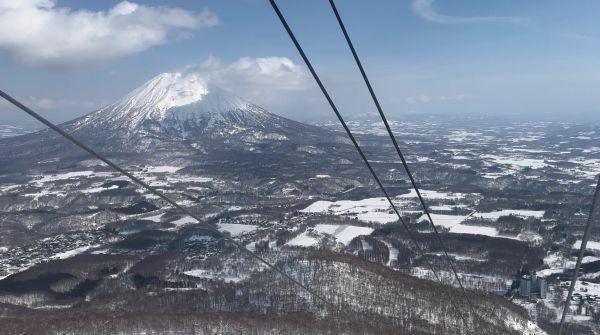
Niseko Village is replacing a lift from the early 1980s with an eight-person gondola, Tsugaike gets a six-person chairlift, Madarao joins the Ikon Pass and Togari opens Asia’s first private ski resort. Here’s what is actually new in Japan skiing for 2026/27, plus what is still a year or two away.
30 Oct 2026
Arizona Snowbowl Snow Report
Snow Report
Updated 6 Nov 2026
11,499ft
summit
+0in
new snow · last 24 hours
Clear26°F / 33°F · E 22mph
Snowfall
24 hours
0in
48 hours
0in
7 days
0in
Base depth
0in
Season total
0in
Typical winter 143in
Total lifts8
Live open status isn’t available right now.
20 Nov 2026 - 18 Apr 2027
Hour by Hour
Next 48 hours· Updated Nov 6, 2026 at 5:02 AM
Scroll for the full outlook · Open-Meteo
7-Day Outlook
11,040 ftUpdated Nov 6, 2026 at 5:02 AMOpen-Meteo
Days 1–7
0.0"
Days 8–14
6.2"
Fri, Nov 6
Slight Snow
Temp33° / 26°°F
Snow0.0"(8%)
Wind22 mph E
Live snow from the resort feed; forecast from Open-Meteo, via Supabase.
Understanding the Arizona Snowbowl snow report
Track current conditions at Arizona Snowbowl in Arizona. This report covers snowfall totals, base and summit depth, and the forecast across 55 runs.
Snow measurements
Our snow reports measure snowfall in centimeters over multiple time windows — last 24 hours, last 7 days, and the season total. Base depth reflects accumulation at the 2804m base area, while summit depth captures conditions 701m higher at 3505m, where snow typically stays colder and lingers longer. Imperial conversions are shown alongside for convenience.
Weather conditions
Wind and temperature swings matter as much as fresh snowfall. Cold, calm conditions hold snow quality well, while wind-loading or a warm-up can change things quickly — especially given the elevation spread between Arizona Snowbowl's base and summit.
Data sources
We pull Arizona Snowbowl's conditions from on-the-ground mountain reporting, then layer in forecast data so you get a fuller picture than either source alone. The mountain is served by 8 lifts, including 2 quad chairlifts and a 6-person chairlift.
When to check
The biggest swings usually happen right after a storm. Check Arizona Snowbowl's report in the morning for the freshest numbers, and again in the afternoon as conditions evolve.