
Mt Shasta Ski Park
635 acres, 38 trails, 275 inches annual snowfall. Independently owned Northern California resort below Mount Shasta volcano.
Season 2026 - 2027
Opens
19 Dec 2026
Closes
11 Mar 2027
Days open
82
Annual snow
17ft
The Overview
Michael Fulton
Melbourne-based skier and snowboarder with 50+ resorts across 5 continents. Specialises in Australian resorts and international resort comparisons.
Mt Shasta Ski Park operates 38 trails across 635 acres on the southern flanks of the 14,179-foot Mount Shasta volcano in Northern California. The resort spans 1,676 to 2,297 metres elevation with 621 metres of vertical drop. Annual snowfall averages 275 inches with snowmaking covering 44% of terrain. Terrain distribution is 20% beginner, 45% intermediate and 35% advanced with the longest run extending over 2 miles.
The ski area spreads across four volcanic buttes, each served by dedicated lifts. Marmot Ridge hosts beginner terrain and a small park, whilst Douglas Butte accesses advanced glades and steeper runs. Coyote Butte serves intermediate and advanced terrain plus a large terrain park. Grey Butte, added in December 2022, tops out at 7,536 feet and includes Richard's Way, the resort's first double-black run.
This family-owned operation delivers a community feel with uncrowded slopes and close-in free parking. The base lodge sits at 5,500 feet within Shasta-Trinity National Forest, providing views of the massive stratovolcano looming 6 miles to the north. Twilight skiing operates Thursday through Saturday on 14 trails accessed by two lifts extending operations until 8pm.
Mt Shasta Ski Park is an Indy Pass partner resort offering two free days to passholders. Season passes start at $299 with a 60-day guarantee, whilst daily tickets range from $59 to $69. The resort suits families, powder seekers and intermediates looking for affordable, accessible California skiing without destination resort crowds or prices.
2,037ft
Vertical
32
Runs
425 acres
Skiable
17ft
Annual snow
Indy
Pass
The Terrain
32 runs across 425 acres skiable
Mt Shasta Ski Park covers 425 acres (172 hectares) on the southern flanks of the Mount Shasta volcano, with 32 runs dropping about 2,040 ft (621 m) from a 7,540 ft (2,297 m) summit to a base near 5,500 ft (1,676 m). Intermediates dominate at 55%, with 25% advanced and 20% beginner, and no terrain rated expert. The mountain is spread across several volcanic buttes, each with its own chairlift, so skiers move between separate pods rather than sliding through one continuous face. That layout keeps the lower slopes uncrowded.
Marmot Ridge holds the longer beginner runs and a small park, Douglas Butte offers advanced glades and steeper lines, and Coyote Butte adds more glades plus the larger terrain park. Grey Butte, the highest pod, has intermediate to advanced runs with plenty of gladed pockets, including Richard's Way, the only double black on the mountain. Tree skiing is the real draw when storms arrive. Mt Shasta Ski Park suits families, intermediates and glade fans who want quiet slopes and big views of the volcano without the lift lines of Tahoe.
Terrain split
32
runs
32 runs across 4 grades
Beginner6 runs · 20%
Intermediate18 runs · 55%
Advanced8 runs · 25%
Expert0 runs · 0%
Time it right
When to visit Mt Shasta Ski Park
The 2025-26 season opened 19 December 2025 and closed 11 March 2026 after 55 operating days. Typical seasons run mid-December through early April depending on snowfall and temperatures. The resort guarantees 60 operational days to season passholders, offering rollover credits when falling short. This family-oriented area remains flexible with opening dates tied to natural snow and snowmaking window availability.
Annual snowfall averages 275 inches at the 5,500 to 7,536-foot elevation band. February historically receives the heaviest accumulation, contributing the bulk of seasonal totals. The entirely south-facing exposure creates spring-like conditions much of the season, with snow quality best immediately following storms. Snowmaking supplements 44% of terrain, ensuring base coverage across core runs when natural snow proves inconsistent.
January through February offers peak powder conditions and the most reliable base depths. March brings warmer temperatures but longer daylight for twilight operations. The 2025-26 season proved challenging, with warm spells and rain causing temporary closures in February and March before the final shutdown. Storm cycles deliver quality conditions, though lower elevation makes the resort vulnerable during lean winters compared to higher Tahoe areas.
Twilight skiing operates Thursday, Friday and Saturday from 3pm to 8pm on 14 trails. Night operations cover terrain off Marmot and Douglas lifts, adding hours for locals and visitors maximising slope time. The resort hosts seasonal events including terrain park competitions and family programmes. Adult day tickets range from $59 regular to $69 peak, with night skiing priced at $35 to $45.
Season 2026 - 2027
19 Dec 2026
Opens
11 Mar 2027
Closes
82
Days open
17 ft
Annual snow
Getting there
Getting to Mt Shasta Ski Park, and where to stay
Mt Shasta Ski Park sits in Siskiyou County on private land within the checkerboard ownership pattern of Shasta-Trinity National Forest. The base area lies 6 miles south of Mount Shasta's 14,179-foot summit and 10 miles east of Interstate 5 along State Route 89. The resort operates between the city of Mount Shasta and the town of McCloud, surrounded by volcanic buttes on the stratovolcano's lower southern flanks. Mount Shasta is the second-highest volcano in the Cascade Range behind Mount Rainier.
The city of Mount Shasta (population approximately 3,400) sits 20 minutes west with lodging, dining and services. McCloud lies 10 minutes east, whilst Dunsmuir is 25 minutes south. The area offers a mix of basic inns, hostels and three-star hotels. Sacramento sits 4 hours south, Eugene 4 hours north, and the San Francisco Bay Area approximately 4.5 hours southwest via Interstate 5.
From Interstate 5, take Exit 736 to State Route 89, drive 6 miles east, then turn left onto Ski Park Highway for the final 7 miles to the resort. Road access crosses national forest land via Forest Route 88. The drive from Redding takes 90 minutes covering 60 miles north on Interstate 5. Winter tyre chains are required during storms, with Caltrans providing road condition updates online.
Redding Municipal Airport (RDD) is the nearest commercial airport 83 miles south with 90-minute drive time. Rogue Valley International-Medford Airport (MFR) in Oregon lies 103 miles north requiring 110 minutes. Sacramento International Airport (SMF) sits 200 miles southwest with 4-hour drive time but offers more flight options. Major international gateways include San Francisco and Portland, both requiring 5 to 6-hour drives. No scheduled bus or rail service reaches the resort directly, though Amtrak serves Dunsmuir 25 miles south.
Where to stay
Search all stays →Hotels and lodges near Mt Shasta Ski Park, powered by Stay22.
Latest News
From the SnowStash desk

Vermont Ski Resort Opening Dates 2026-27: Few Dates Set, Killington Waits on the Cold
Vermont's season is slow to take shape. Stratton is tentatively targeting 18 November and Sugarbush 21 November, while Pico has Friday 11 December on the calendar. Killington never sets a date and opens when the snowmaking allows, and Vail Resorts has yet to name days for Stowe, Okemo and Mount Snow. The forecasts disagree about snow, and the main El Niño worry for the Green Mountains is warmth.
9 Oct 2026
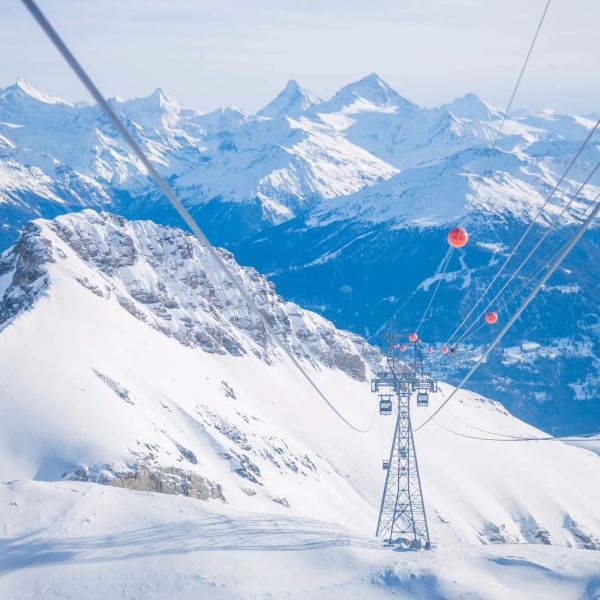
Crans-Montana 2027 World Championships President Resigns Ahead of Fraud Hearing
Less than four months out from the Crans-Montana 2027 World Championships, the man running the organising committee has stepped down. Claude-Alain Schmidhalter resigned as Swiss-Ski vice president and OC president after being indicted over a business dispute unrelated to skiing. He denies the allegations and faces court on October 27. Interim leaders are in place for the February 1-14 event.
9 Oct 2026
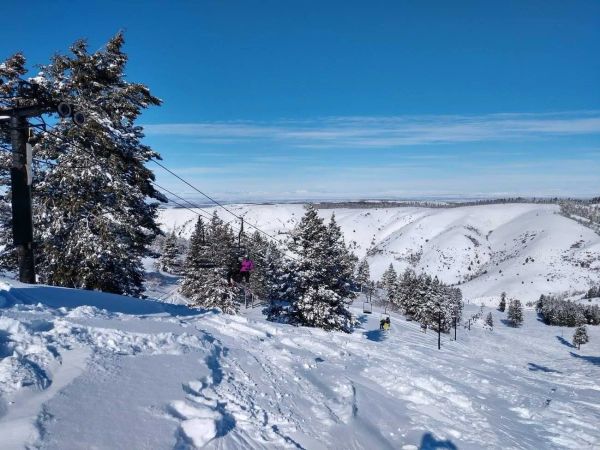
Kelly Canyon, Idaho, Adds Snowmaking, a Bigger Terrain Park and More Parking for 2026-27
Kelly Canyon had a rough 2025-26, and the Idaho resort has spent the summer making sure it doesn’t repeat. Snowmaking now reaches the top of Goldrush, the terrain park is doubling in size with a stereo system, lights and a snack shack, and the car park is getting bigger. Grooming is stepping up too. Target opening is December 4, conditions permitting.
9 Oct 2026
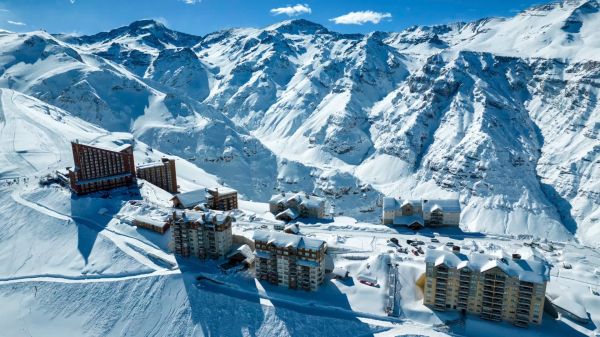
Valle Nevado Extends Season to November 8 After 108 cm in 48 Hours
Winter was meant to be winding down in Chile. Then Valle Nevado took 108 cm in 48 hours in early October, and the resort has pushed its closing date out to November 8 - its latest in 38 years of operation. That makes 143 days of skiing since opening day on June 19, with 690 cm banked for the season. Only part of the mountain is running while the storm settles, so check the mountain report before you plan a trip.
9 Oct 2026
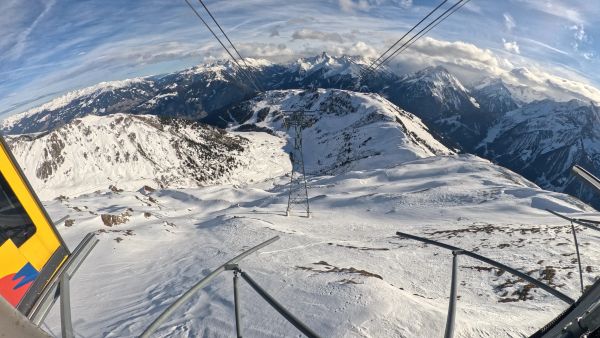
Alps Snow Forecast: Cold Front Brings Thursday Snow to the High Alps
The Alps look a lot more like winter today, for a day or so. A cold front is moving west to east, dropping up to 35 cm on high glaciers and peaks, with snow levels falling to around 1,500-1,800 m at times. Don’t plan a trip around it: mid-elevation snow will be thin and wet, every area is closed bar a limited Sölden glacier opening tomorrow, and warmer weather returns by Monday.
8 Oct 2026
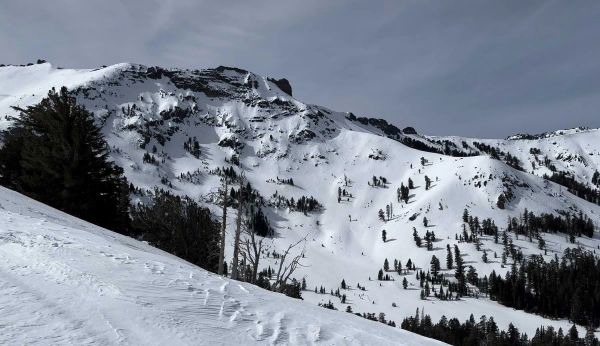
California Ski Resort Opening Dates 2026-27: Mammoth Leads, Tahoe Follows
Mammoth Mountain is first up in California, targeting Friday 13 November after a dusting of September snow. Heavenly and Northstar follow on 20 November, Palisades Tahoe on Wednesday 25 November and Sugar Bowl on 27 November, with Kirkwood on 4 December and June Mountain on 19 December. Plenty of smaller areas have no date yet. A super El Niño favours the Sierra, but a warmer storm track is the catch.
7 Oct 2026
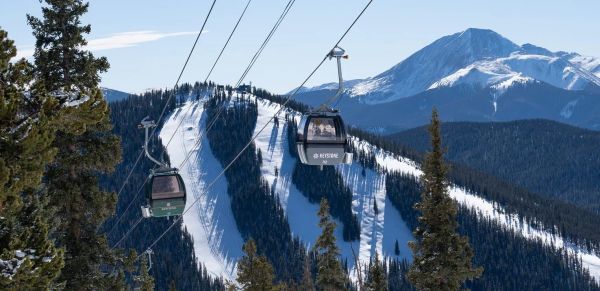
Colorado Ski Resort Opening Dates 2026-27: A-Basin and Keystone Race to Be First
Arapahoe Basin, Keystone and Winter Park are all chasing an October start, though none has a firm date yet. The first dated openers are Breckenridge and Copper on Friday 6 November, then Vail on 13 November, with most of the rest bunched around US Thanksgiving. Hesperus did not open at all last season. A super El Niño offers hope but no guarantee, and forecasters say the southern mountains have the better odds.
5 Oct 2026
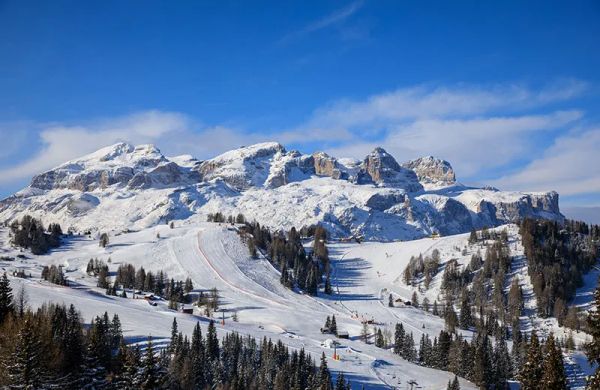
Dolomiti Superski 2026-27: Four New Gondolas, New Reservoirs and an €89 Peak Day Pass
Dolomiti Superski is spending around €100 million across its 12 areas before winter. Kronplatz gets a new 10-passenger gondola with a middle station, 3 Zinnen gets Helmissimo, and Val di Fassa swaps a chairlift for a gondola above Col Valvacin. New water-storage basins and upgraded snowmaking follow, and construction has started on the San Martino to Passo Rolle link. A peak adult day pass is €89.
4 Oct 2026
Mt Shasta Ski Park Lift System
Six lifts serve the mountain: one fixed-grip quad, three triple chairs and two surface lifts. The Grey Butte Quad, installed in 2022, is the longest lift with 14 towers and a 9.5-minute ride time. It rises from 6,400 feet to 7,500 feet, adding 211 acres of terrain and 620 feet to the previous summit elevation. The three triple chairs access Coyote Butte (6,880 feet), Douglas Butte (6,600 feet) and Marmot Ridge (6,150 feet).
The Grey Butte Quad represents the resort's most significant infrastructure investment since opening in 1985. This Doppelmayr installation opened six intermediate and advanced runs plus backcountry access. Two magic carpets serve the base area, one dedicated to the learning zone and another for tubing operations. Uphill capacity accommodates approximately 2,600 guests daily during peak periods.
The layout creates distinct pods requiring traverses between zones. Accessing Grey Butte from the main base requires a 10 to 20-minute traverse via the North Saddle access road, with a warming hut at the bottom terminal. The Douglas and Coyote lifts load near the main lodge, whilst Marmot loads from a separate area to the left of the base. This separation naturally distributes crowds across ability levels.
The original lifts date to 1985 and 1996, with Marmot and Douglas opening first, followed by Coyote. Free parking extends to within walking distance of all base lifts. No gondolas or high-speed detachable chairs operate at the resort, keeping the atmosphere relaxed and operations straightforward for this independently owned area.
6lifts across 3 types
1
Quad Chair
3
Triple Chairs
2
Surface Lifts
Mt Shasta Ski Park lift system
Mt Shasta Ski Park is served by 6 lifts, listed here by type. Check which lifts are turning against the live conditions before you plan your first laps - early lifts and high-speed chairs get you to the best snow fastest.
More Mt Shasta Ski Park intelligence: trail map, snow report, webcams, resort overview.