Northstar
Northstar: 3,170 acres, 100 trails, 20 lifts. 60% intermediate terrain in California's Martis Valley. Epic Pass included.

Current Conditions→
Season 2026 - 2027
Opens
28 Nov 2026
Closes
11 Apr 2027
Days open
134
Annual snow
350in
The Overview
Michael Fulton
Melbourne-based skier and snowboarder with 50+ resorts across 5 continents. Specialises in Australian resorts and international resort comparisons.
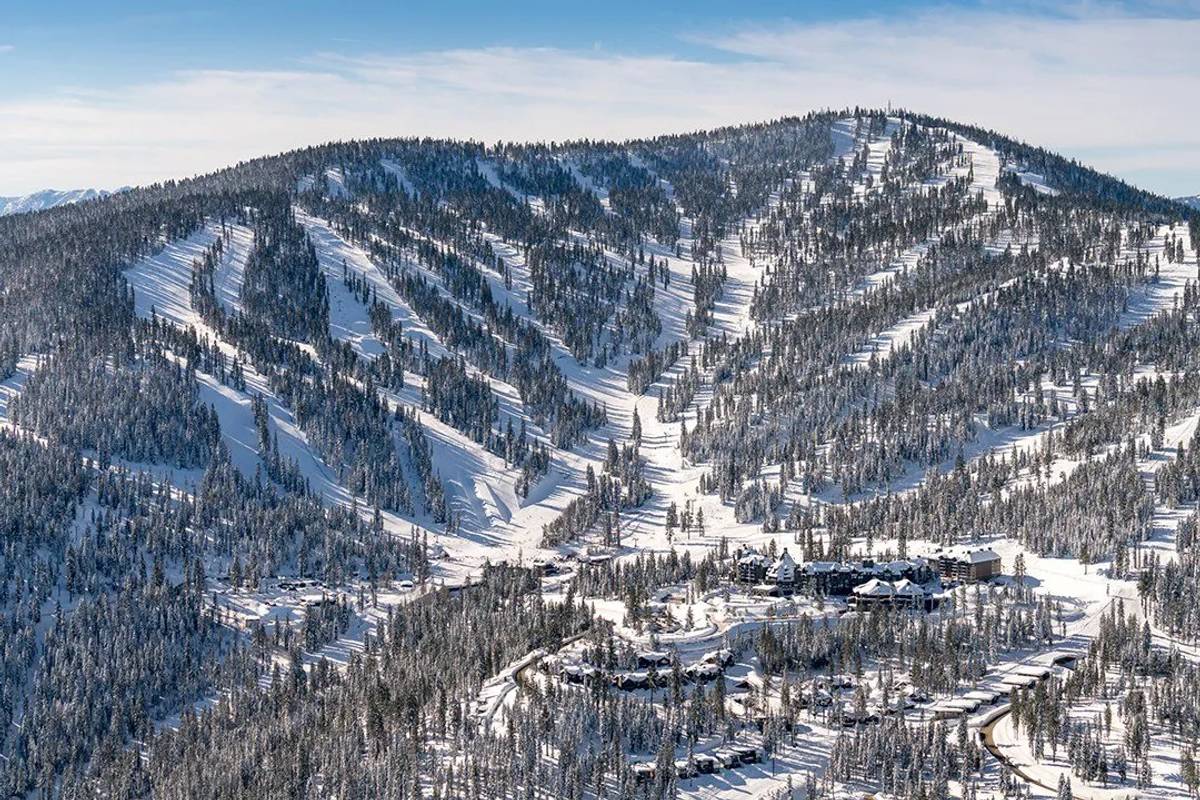
Northstar spans 3,170 acres across the extinct volcano of Mount Pluto in California's Martis Valley, with 100 trails dropping 695 vertical metres from a 2,624-metre summit to a 1,929-metre base. The resort averages 8.9 metres of annual snowfall and supplements this with one of North Lake Tahoe's largest snowmaking systems covering roughly 50 percent of the terrain. Owned by Vail Resorts since 2010, Northstar is included on the Epic Pass alongside nearby Heavenly and Kirkwood, providing access to over 40 resorts globally.
Terrain breaks down as 13 percent beginner, 60 percent intermediate, 20 percent advanced and 7 percent expert, making this a progression mountain suited to developing skiers and families. Logger's Loop stretches 1.4 miles as the resort's longest run, whilst the Backside terrain offers steeper pitches and tree skiing when conditions allow. Seven terrain parks span 55 acres, with features ranging from beginner boxes to a 420-foot superpipe, consistently ranking among North America's top park systems. Six gladed trails provide tree skiing options from the summit elevation.
The purpose-built village sits at the base with ski-in ski-out lodging, a 9,000-square-foot ice rink, 35 shops and restaurants, and pedestrian plazas with fire pits. A Ritz-Carlton occupies the mid-mountain position at 2,411 metres, accessible via the Highlands Gondola. Grooming happens 20 hours daily across the majority of trails, delivering the consistent corduroy that defines the Northstar experience. Crowds concentrate at weekends and holidays, with paid parking reservations now required at Village View lots during peak periods.
The 2025-26 season ran from 22 November 2025 to 5 April 2026, delivering 5.4 metres of total snowfall. Epic Pass holders receive unlimited access, whilst the Tahoe Local Pass provides unrestricted skiing at Northstar, Heavenly and Kirkwood with five bonus days at major Colorado resorts. Day tickets range from USD 99 to USD 169 depending on date and advance purchase. This is a resort for intermediates seeking reliable conditions, families wanting contained village convenience, and park riders committed to progression.
2,280ft
Vertical
100
Runs
3,170 acres
Skiable
350in
Annual snow
Epic
Pass
The Terrain
100 runs across 3,170 acres skiable
Northstar covers 3,170 acres (1,283 hectares) on the Martis Valley side of Lake Tahoe, with 100 runs falling 2,280 ft (695 m) from 8,610 ft (2,624 m) at the summit to 6,330 ft (1,929 m) at the base. Intermediates account for 60% of the terrain, advanced runs for 20%, beginners 13% and experts 7%, which makes this one of the most cruiser-friendly mountains in the Sierra. The resort is built around wide, groomed trails across Mount Pluto and neighbouring ridges, with high-speed lifts moving skiers quickly between sectors.
Logger's Loop is the long beginner-friendly way down, while the Backside offers mile-long advanced runs, glades and bumps, with Challenger and Sierra Grande off the top. Lookout Mountain adds steeper trees, and tree skiing is available at Comstock Glade and Sawmill Glade when snow cover is good. Terrain parks are a strong suit for riders progressing through features. Northstar suits families, intermediates and park riders who value smooth corduroy and easy navigation. Experts will find limited steeps, so they are better off paired with a day at a neighbouring resort.
Terrain split
100
runs
100 runs across 4 grades
Beginner13 runs · 13%
Intermediate60 runs · 60%
Advanced20 runs · 20%
Expert7 runs · 7%
Time it right
When to visit Northstar
The 2025-26 season operated from 22 November 2025 through 5 April 2026, a 134-day window typical for the resort's mid-elevation base. Opening dates fluctuate based on early-season temperatures and snowmaking windows, with Thanksgiving weekend the traditional target. Closing typically falls in early April, though spring skiing can extend into late April during heavy snow years. The resort's cross-country centre offers an additional 35 kilometres of Nordic trails when conditions permit.
Northstar receives an average of 8.9 metres of annual snowfall, measured near the Rendezvous chair at mid-mountain. The 2025-26 season delivered 5.4 metres total, below the long-term average but supported by extensive snowmaking across 1,500 acres. Base depths commonly reach 1.5 metres by mid-winter. The Martis Valley's position north of Lake Tahoe provides consistent storm cycles from December through March, with February and March historically the deepest months. Elevation advantage at the summit helps preserve snow quality into spring.
January and February offer the most reliable powder conditions and the deepest base, though holiday crowds from Christmas through New Year and Presidents' Day weekend bring the longest lift queues. March balances strong snow totals with improving weather and longer daylight, making it ideal for families. April transforms the resort into a spring carnival atmosphere, with softening snow by midday and events like the Pond Skim marking the season's end. Weekdays from mid-January through early March provide the quietest slopes.
The season calendar includes Women's Weekend in early March with clinics and community programming, guided evening snowshoe tours throughout winter, and nightly s'mores by the village fire pits. Music performances run Friday through Sunday in the village plaza. Spring It On festival closes the season with pond skimming, costume competitions and family activities. No night skiing operates at Northstar. The resort's tubing hill and terrain parks remain priorities throughout the operating calendar, with park features refreshed regularly to maintain progression lines.
Season 2026 - 2027
28 Nov 2026
Opens
11 Apr 2027
Closes
134
Days open
350 in
Annual snow
The record
Historical snowfall at Northstar
Daily snow reports at Northstar go back to 2025, 2 winters on the books. Open the record to compare winters, lifts and piste.
40 in
Snowiest day
18 Feb 2026
6.7 in
This winter · 2026-27
so far
253 in
Typical winter
average of complete seasons
Winter totals
in
Past wintersThis winter
Getting there
Getting to Northstar, and where to stay
Northstar occupies the Martis Valley on the northwest shore of Lake Tahoe in Placer County, California, positioned between the historic lumber town of Truckee 10 kilometres to the north and Kings Beach on the lake 10 kilometres south. The base village sits at 1,929 metres elevation on the flanks of Mount Pluto, an extinct volcano that last erupted two million years ago. Highway 267 provides the primary access route, connecting Interstate 80 at Truckee to the north shore of Lake Tahoe.
Truckee serves as the nearest full-service town, offering additional lodging, dining and mountain culture six miles north via Highway 267. Originally a timber operation owned by Douglas Lumber Company, the site opened as Northstar-at-Tahoe ski resort in December 1972 with five chairlifts designed by Austrian Luggi Foeger. Kings Beach and Tahoe City provide lakeside access within 15 minutes' drive. The village at Northstar functions as a self-contained base with ski-in ski-out accommodation reducing the need for daily driving.
Reno-Tahoe International Airport lies 64 kilometres east, a 40-minute drive in clear conditions via Interstate 80 west and Highway 267 south. Sacramento International Airport sits 177 kilometres west, approximately 1 hour 45 minutes via Interstate 80 east. San Francisco International Airport is 314 kilometres southwest, a 3.5-hour drive when Highway 80 remains clear over Donner Summit. The small Truckee-Tahoe Airport, 6.4 kilometres from the resort, accommodates private and charter aviation but offers no scheduled commercial service.
North Lake Tahoe Express operates shared shuttle services from Reno airport year-round, with advance booking recommended. Amtrak trains serve Truckee station with connections from Sacramento and the San Francisco Bay Area, followed by local shuttles or taxi transfers to Northstar. Greyhound buses also stop in Truckee. Winter driving requires chains or four-wheel drive when storms close Highway 80 over Donner Pass, a frequent occurrence from December through March. Traffic on Highway 267 builds significantly on Friday afternoons and Saturday mornings during peak season.
Where to stay
Search all stays →Stays map loads when you scroll here
Hotels and lodges near Northstar, powered by Stay22.
Good to know
Frequently asked
When is Northstar's ski season?
Northstar's 2026 - 2027 season typically runs from November 28 through April 11. That window is roughly 134 calendar days, though daily operations depend on snow cover, weather, and lift maintenance.
Resorts in California, Usa often announce firm dates closer to winter; check the live snow report before you travel if you are planning around opening weekend or spring closure.
How much skiable terrain does Northstar have?
Northstar lists about 3,170 acres skiable of marked terrain spread across 100 named runs (1,283 hectares alongside 3,170 acres skiable). That footprint is what most riders experience on a lift-served day. Side-country or hike-to terrain may sit outside these published numbers.
Use the trail map to see how the mountain is laid out and where the longest fall-line runs connect back to base.
What is the terrain like at Northstar?
Trail grading at Northstar breaks down roughly as 13% beginner, 60% intermediate, 20% advanced, 7% expert. The mix is balanced enough for mixed-ability groups, so learners can stay on marked green/blue (Green/Blue) terrain while stronger skiers peel off to steeper pitches.
Percentages describe the resort's published piste mix, not vertical feet. A mountain with modest "expert" stats can still feel demanding if the steep terrain is long or exposed. Read the trail map alongside these numbers when planning your route.
How many lifts does Northstar have?
Northstar operates 20 lifts across 6 lift types. The fleet includes 8 quad chairs, 5 surface lifts, 2 gondolas, 2 triple chairs, 2 t-bars, and 1 6-person chair.
Lift mix affects how quickly you can lap your favourite zones. Gondolas and trams move big crowds to mid-mountain, while shorter chairs and surface lifts often serve learning areas or local pods. Check the live snow report on ski days for real-time open/closed status.
What is the elevation and vertical drop at Northstar?
Base elevation at Northstar is about 6,329 ft (1,929 m), with the summit around 8,609 ft (2,624 m), giving roughly 2,280 ft (695 m) of vertical from base to top.
Higher start heights usually mean colder, drier snow holding longer into spring, but also thinner air and faster weather changes. Pack layers if you are riding from village level to summit lifts in one day.
How much snow does Northstar get each season?
Northstar averages about 350 inches (889 cm) of natural snowfall per season. That is a long-term climate figure. Any single winter can run well above or below it depending on storm track and temperature.
For trip planning, pair this baseline with the live snow report and webcams: fresh cycles show up in overnight totals and summit cameras long before season averages tell you much about today's surface.
Does Northstar accept the Epic?
Northstar is affiliated with the Epic. Pass holders should confirm current season benefits, blackout dates, and reservation rules on the pass issuer's site. Policies change year to year and can differ between international and domestic products.
If you are not on Epic, day tickets and multi-day bundles are still available; see the lift tickets page for published rates and purchase links.
Where can I buy Northstar lift tickets and how much do they cost?
Published single-day adult pricing on SnowStash currently spans US$92 to US$205, depending on date band and whether you are buying peak or regular windows. Multi-day products (season passes) usually lower the per-day cost if you are staying several days. Tickets can be bought online through the resort's official checkout (linked from our lift tickets page) or at on-mountain ticket windows, subject to availability.
Buying ahead of peak holidays and weekends generally saves money and guarantees access on sold-out days. Before you commit, scan the snow report and webcams so you are paying for conditions that match your expectations.
How can I check snow and mountain conditions at Northstar before I go?
SnowStash pulls together 5 live mountain webcams, a downloadable piste map, and the daily snow report for Northstar so you can plan from home. Webcams refresh on a short interval and are the fastest way to judge visibility, wind exposure, and whether storm snow is still falling.
The snow report adds structured totals, base depth where available, and lift/trail status when the resort publishes it. Use both together: cameras show what it looks like right now, and the report summarises numbers your group can compare day to day.
Does Northstar have a trail map?
Yes. The downloadable PDF/image map is better for offline planning, marking meeting points, and understanding the full mountain layout at a glance.
Both versions are on the trail map page for Northstar. If you are navigating with kids or meeting friends across separate lifts, screenshot or print the static map and keep the live map open on your phone for operational updates.
Where is Northstar located?
Northstar sits in California, Usa. That regional context matters for travel planning: airport transfers, snow tyres, and typical storm patterns all follow geography as much as resort marketing.
Browse nearby accommodation from the resort page if you are comparing village-base vs valley-base stays; where you sleep changes your first lift of the day more than most trail stats do.
Latest News
From the SnowStash desk
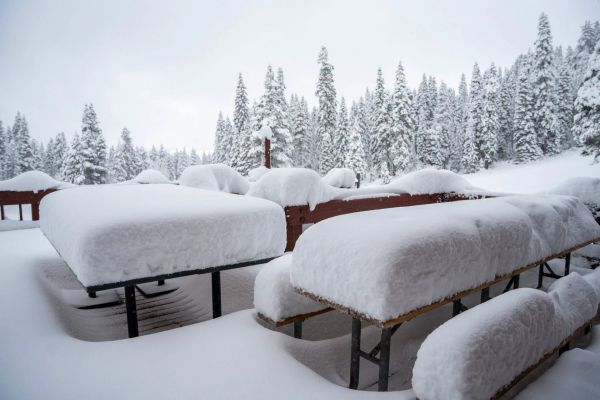
California Storm Cycle Delivers 86 Inches at Sugar Bowl and Pulls Openings Forward
A run of storms, including an atmospheric river, has buried the Sierra Nevada, with Sugar Bowl recording 86 inches (218 cm) between 14 and 20 November. Resorts across California and Nevada have pulled opening days forward after a dismal last winter. Here is what fell, who is open this weekend and what the forecast brings before Thanksgiving.
22 Nov 2026
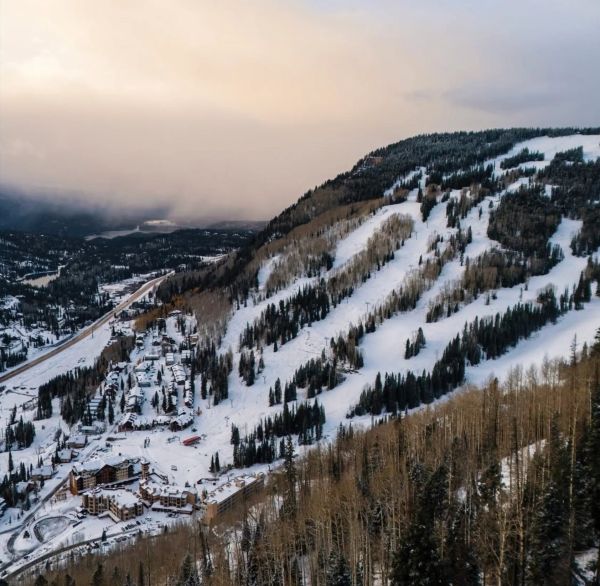
Purgatory Reveals Seven New Trails and a Colorado Couloir Chairlift Opening in December
Purgatory’s new trail map reads like a warning label. Seven new trails named after Dante’s Divine Comedy arrive with the Colorado Couloir chairlift in December, adding around 40 acres (16 ha) of steep pitches and gladed tree skiing. Five of them are black or double black. The resort opens for the season this Friday, 20 November.
19 Nov 2026
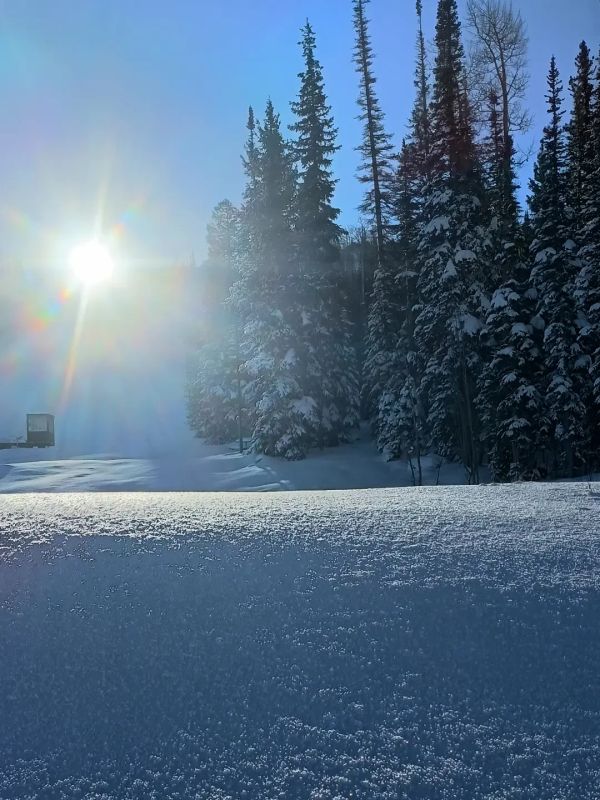
Brian Head Becomes First Utah Resort to Open for 2026-27, With Six Trails and a New Snowmaking Pipeline
Utah’s ski season has started, and it began in the south. Brian Head opened on Tuesday, 17 November, with six trails on the Navajo Express after 14 inches (36 cm) of storm snow and another half foot on opening day. It is the second year running the resort has beaten the rest of the state to first chair, and it has put nearly $1 million into a new snowmaking pipeline that can run 24 guns at once.
19 Nov 2026
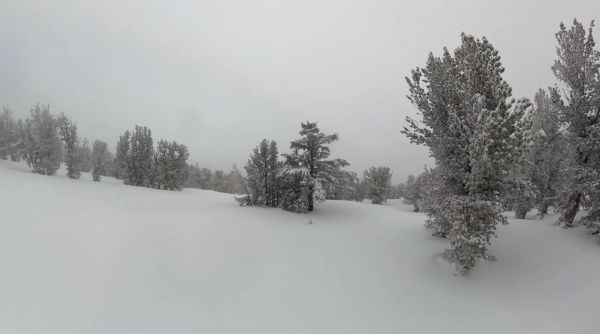
Heavenly and Northstar Open Friday as Lake Tahoe Snow Stacks Up, With Kirkwood Eyeing an Early Start
Tahoe has gone from dry to deep in a week. Heavenly and Northstar open this Friday, 20 November, with up to 24 inches (61 cm) already down at Kirkwood and 50+ inches (127 cm) in the 10-day forecast. Kirkwood normally waits until December, but this snow might change that. Heavenly is even talking about opening Stagecoach in Nevada early, which almost never happens this soon.
18 Nov 2026
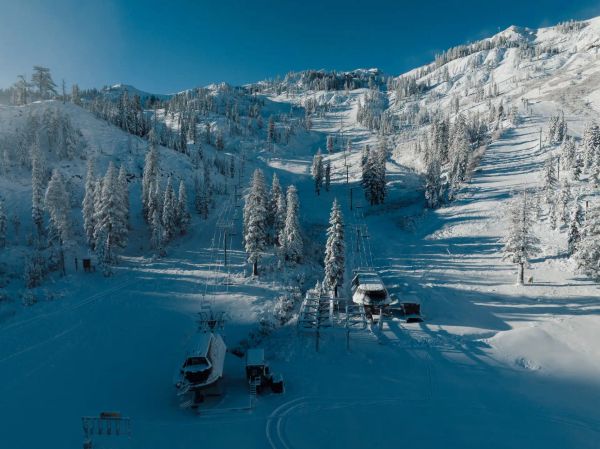
Palisades Tahoe Opens Saturday, Four Days Early, After 26 Inches of New Snow
Palisades Tahoe has pulled its opening forward by four days. Lifts spin this Saturday, 21 November, after 26 inches (66 cm) of new snow, with up to 50 more in the forecast. Opening terrain includes Treeline Cirque at Alpine and Gold Coast and Sunkid 1 at Palisades, though the resort says the weather could change the plan. Tickets are $99 through Tuesday.
18 Nov 2026
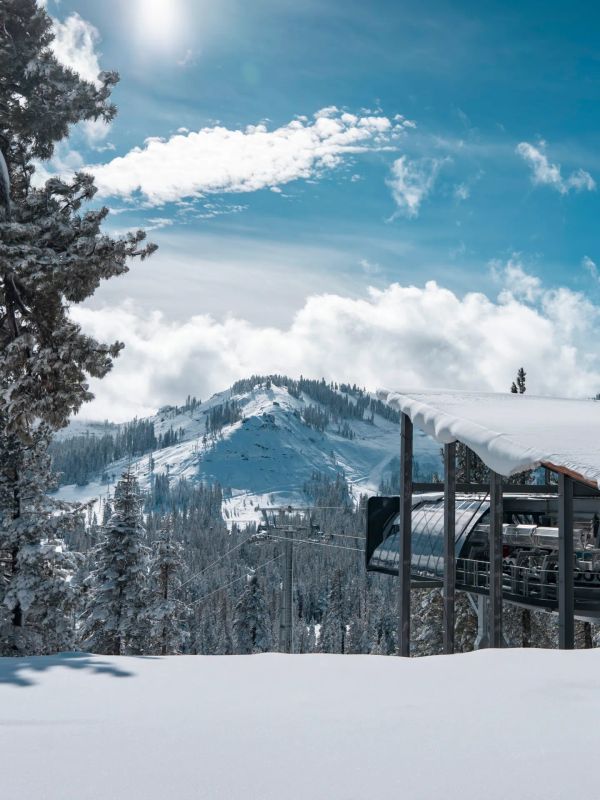
Sugar Bowl Gondola Slips to January 2027 as Opening Day Holds
Sugar Bowl still opens on 27 November, just without its new gondola. The eight-passenger Village Gondola is now targeting January 2027, with all eight towers up, the haul rope on and the first cabin hanging. Until it runs, everyone gets in through the Main Lodge, with curbside drop-off and parking lot shuttles. It replaces the first gondola in the western US, which dates from 1953.
16 Nov 2026
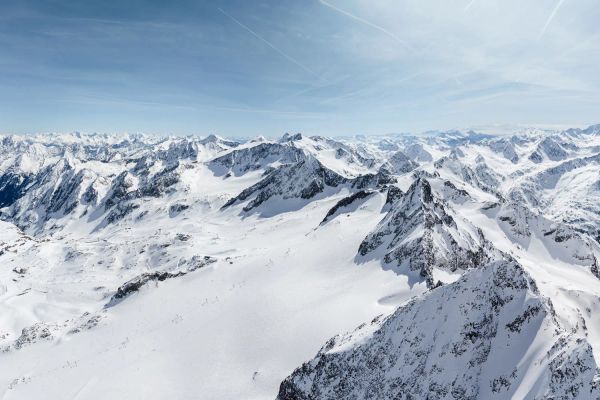
Stubai Glacier Avalanche Ends in Austria’s First Death of the Season
A 72-year-old American skier has died on Stubai Glacier after a small slab avalanche carried him over rocky ground and into a 20-metre crevasse. It is Austria’s first avalanche death of the 2026-27 season, and forecasters had flagged this exact setup two days earlier. Here is what happened near the Daunscharte, and what the snowpack was already telling anyone who was reading it.
15 Nov 2026
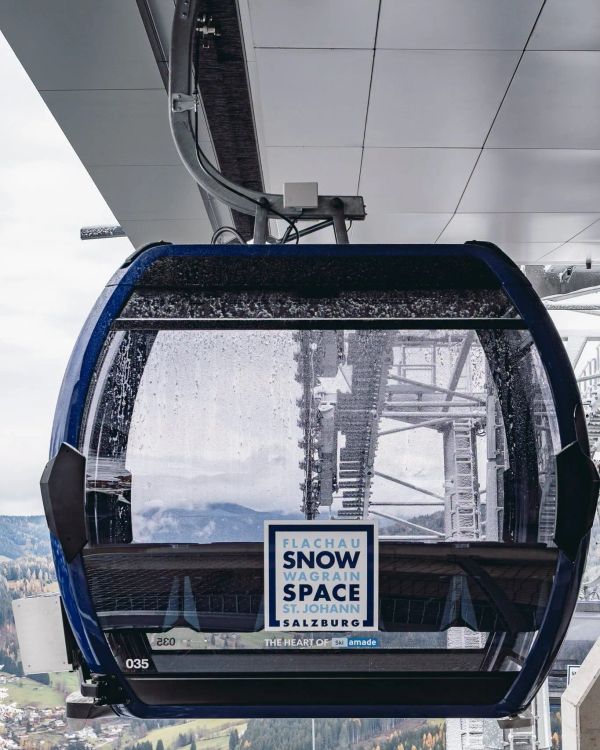
Wagrain’s New Grafenbergbahn Gondola Appears in First Photos
Wagrain’s new Grafenbergbahn is nearly here, and Snow Space Salzburg stamped “no AI” on the first photos, which says plenty about 2026. One 10-person gondola takes over from three old lifts, with 120 cabins moving up to 3,400 people an hour and a mid-station link into the G-Link. Dark blue cabins, fresh snow, no opening date yet.
14 Nov 2026