
Snow Summit
240 acres, 27 runs, 366m vertical in San Bernardino Mountains. Night skiing, Ikon Pass access, 2 hours from Los Angeles.
Season 2026 - 2027
Opens
5 Dec 2026
Closes
28 Mar 2027
Days open
113
Annual snow
12ft
The Overview
Michael Fulton
Melbourne-based skier and snowboarder with 50+ resorts across 5 continents. Specialises in Australian resorts and international resort comparisons.
Snow Summit operates across 240 acres with 27 marked runs and 366 metres of vertical drop, stretching from a base elevation of 2,133 metres to a summit at 2,499 metres in the San Bernardino Mountains. The resort averages 254 centimetres of annual snowfall, supplemented by an extensive snowmaking system featuring more than 560 hydrants and 330 snow guns covering all developed terrain. Established in 1952, Snow Summit holds the distinction of hosting the inaugural Winter X Games in 1997 and installing the West Coast's first permanent in-ground halfpipe in 1983. The resort includes access on the Ikon Pass with unlimited days and operates as one of three mountains within Big Bear Mountain Resort alongside sister properties Bear Mountain and Snow Valley.
The terrain breaks down to 19 per cent beginner, 48 per cent intermediate, 26 per cent advanced and 7 per cent expert across the 27 trails. Intermediate cruisers dominate the west side via Chairs 2 and 9, including the popular Miracle Mile and Summit Run top-to-bottom routes. Advanced skiers target The Bowl on the east side, where Chair 5 and Chair 6 access black diamond runs including Olympic, The Wall and Side Chute. Westridge serves as a 2.4-kilometre terrain park with progressive features spanning beginner to expert levels, whilst Chair 3 provides access to additional park runs including Ego Trip.
Snow Summit caters primarily to Los Angeles day-trippers and weekend visitors seeking accessible alpine terrain within a two-hour drive. The base area at 2,133 metres includes the Adventure Academy ski school, Ironwood Coffee, Oakfire Grill and a tubing park. Night sessions operate on select dates from 3pm to 8:30pm, illuminating 50 hectares of terrain including Upper Miracle Mile. Free shuttle service connects Snow Summit to Bear Mountain two miles away, allowing ticket holders to ski both mountains on a single pass.
The resort suits families, progression skiers and intermediates looking for reliable conditions and proximity to Southern California's urban centres. Big Bear Mountain Resort season passes start at $719 for unlimited access to all three mountains, whilst Ikon Pass holders receive unlimited days with no blackout dates. The 2025-26 season runs from 5 December to 25 March, with weekend crowds peaking during January and February holidays. Ontario International Airport sits 97 kilometres away with a 90-minute drive via Highway 330 and Highway 18.
1,201ft
Vertical
27
Runs
240 acres
Skiable
12ft
Annual snow
Ikon
Pass
The Terrain
27 runs across 240 acres skiable
Snow Summit covers 240 acres (97 hectares) in the San Bernardino Mountains above Big Bear Lake, with 27 runs and a vertical of 1,200 ft (366 m). The summit sits at 8,200 ft (2,499 m) and the base at about 7,000 ft (2,133 m). Intermediate runs make up 48% of the terrain, with 26% advanced, 19% beginner and 7% expert. It is a small footprint, but the trails are laid out well, with long cruising lines to the base and a spread of chairs that disperses skiers across the mountain.
Miracle Mile and Summit Run are the signature cruisers, and a handful of chairs feed them from the top. The Bowl on the east side holds the steepest pitches, including Olympic, The Wall and Side Chute. Westridge is a long terrain park with features that suit beginners through to experts. With a wide spread of groomed intermediate trails, Snow Summit works well for families, progressing skiers and park riders. Advanced skiers will find enough to enjoy for a day, though the terrain is limited in scale, so those chasing real steeps should look north to the Sierra.
Terrain split
27
runs
27 runs across 4 grades
Beginner5 runs · 19%
Intermediate13 runs · 48%
Advanced7 runs · 26%
Expert2 runs · 7%
Time it right
When to visit Snow Summit
The 2025-26 season opens 5 December 2025 and closes 25 March 2026, delivering approximately 16 weeks of operation. Snow Summit typically operates from early December through late March depending on conditions, with Bear Mountain extending the season into early April when snowpack allows. The resort maintains one of Southern California's longest seasons thanks to comprehensive snowmaking that can manufacture snow across all developed terrain. Daily operations run 8:30am to 4pm Monday through Friday, with weekend hours starting at 8am and night sessions extending access until 8:30pm on select dates.
Snow Summit receives an average of 254 centimetres of annual snowfall, concentrated primarily between December and March. February historically delivers the heaviest snowfall with 76 centimetres average, followed by January with 66 centimetres. The base elevation of 2,133 metres and summit at 2,499 metres provide consistent cold temperatures for snowmaking throughout the winter. The resort's multimillion-dollar system features more than 560 hydrants, 330 snow guns and 40 fans converting 22,710 litres of water to snow per minute, ensuring reliable coverage even during low-natural-snow years.
January and February offer peak powder conditions and the fullest terrain opening, though weekend crowds can be substantial with lift lines forming at main chairs. March delivers spring conditions with softer snow and longer daylight, plus reduced midweek crowds. December provides early-season access primarily on machine-made snow. Night sessions operate select Friday through Sunday dates from mid-December through mid-March, illuminating 50 hectares including terrain parks and intermediate cruisers. Advance online purchases save $20 to $30 compared with window rates.
The annual New Year's Eve Torchlight Parade on 31 December features over 200 skiers descending the mountain with lit torches, marking the resort's 61st edition of the tradition in 2025. Snow Summit hosts School Night Session programmes and birthday promotions offering free lift access on guests' actual birthdays. The resort closes for the season in late March, transitioning to summer mountain biking operations by late April or early May. Spring skiing remains viable through the final operating days, with groomed runs maintaining coverage whilst south-facing terrain softens in afternoon sun.
Season 2026 - 2027
5 Dec 2026
Opens
28 Mar 2027
Closes
113
Days open
12 ft
Annual snow
Getting there
Getting to Snow Summit, and where to stay
Snow Summit sits in the San Bernardino Mountains at 34.22°N latitude, directly adjacent to Big Bear Lake in San Bernardino County, Southern California. The base village at 2,133 metres elevation lies within the San Bernardino National Forest, surrounded by pine and cedar forest with views across the 11-kilometre-long reservoir. The resort occupies the southern slopes above the town of Big Bear Lake, positioned 156 kilometres northeast of downtown Los Angeles. Bear Mountain operates two miles west, whilst Snow Valley sits 16 kilometres away in Running Springs.
Big Bear Lake town centre sits three kilometres north of the resort, offering lodging, dining and retail services for approximately 5,200 permanent residents. The mountain community serves as Southern California's primary alpine destination, drawing day-trippers and weekend visitors from Los Angeles, Orange County and San Diego. Running Springs sits 13 kilometres west via Highway 18, whilst the city of San Bernardino lies 56 kilometres southwest in the valley below. The surrounding San Bernardino National Forest provides hiking trails and cross-country skiing accessed from the summit.
Highway 18 serves as the primary access route, climbing from San Bernardino via Highway 330 through steep switchbacks gaining 1,200 metres elevation. The drive from Los Angeles covers 156 kilometres and takes approximately two hours via Interstate 10 east to Highway 330 north, then Highway 18 east to Big Bear Lake. An alternate route follows Highway 38 through Redlands, adding 20 minutes but offering less congestion and fewer switchbacks. Weekend traffic can extend drive times by 30 to 60 minutes during peak winter periods. Tyre chains may be required during active snowfall.
Ontario International Airport sits 97 kilometres southwest with a 90-minute drive via Interstate 10 and Highway 330. Los Angeles International Airport lies 183 kilometres away with a two-hour drive under normal traffic conditions. Palm Springs International Airport sits 140 kilometres southeast, whilst John Wayne Airport in Santa Ana offers access 150 kilometres southwest. Mountain Transit operates bus service from San Bernardino to Big Bear Lake for $10, connecting to Metrolink commuter rail. No direct public transport serves the resort base, requiring taxi or rideshare for the final three kilometres from town. Free shuttle service operates between Snow Summit and Bear Mountain for passholders.
Where to stay
Search all stays →Hotels and lodges near Snow Summit, powered by Stay22.
Latest News
From the SnowStash desk

Utah Ski Resorts 2026-27: What’s New at Alta, Deer Valley, Powder Mountain and More
Utah is still building flat out. For 2026-27, Powder Mountain opens a steep new Skytrac chair into more than 1,000 acres of advanced terrain, Deer Valley adds 200 acres on Hail Peak, Sundance gets a new quad and Park City adds a gondola from its new parking structure. Snowmaking is expanding almost everywhere, Eagle Point stays closed after the Cottonwood Fire, and the 2034 Games are setting the pace. Here’s what’s new, resort by resort.
13 Oct 2026

Vermont Ski Resort Opening Dates 2026-27: Few Dates Set, Killington Waits on the Cold
Vermont's season is slow to take shape. Stratton is tentatively targeting 18 November and Sugarbush 21 November, while Pico has Friday 11 December on the calendar. Killington never sets a date and opens when the snowmaking allows, and Vail Resorts has yet to name days for Stowe, Okemo and Mount Snow. The forecasts disagree about snow, and the main El Niño worry for the Green Mountains is warmth.
9 Oct 2026
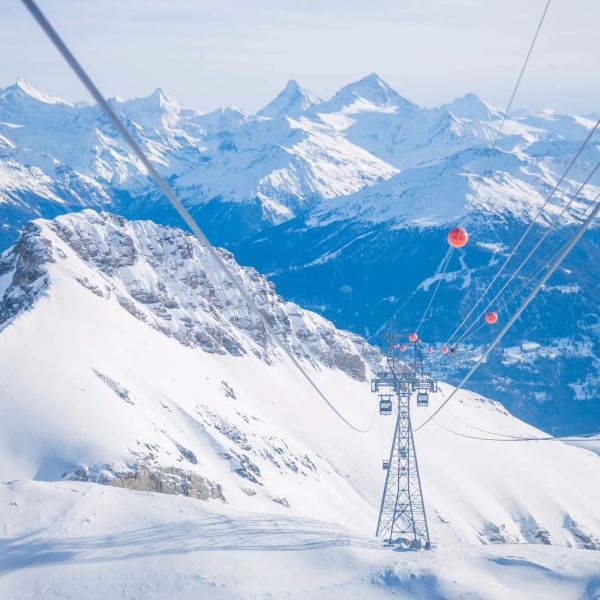
Crans-Montana 2027 World Championships President Resigns Ahead of Fraud Hearing
Less than four months out from the Crans-Montana 2027 World Championships, the man running the organising committee has stepped down. Claude-Alain Schmidhalter resigned as Swiss-Ski vice president and OC president after being indicted over a business dispute unrelated to skiing. He denies the allegations and faces court on October 27. Interim leaders are in place for the February 1-14 event.
9 Oct 2026
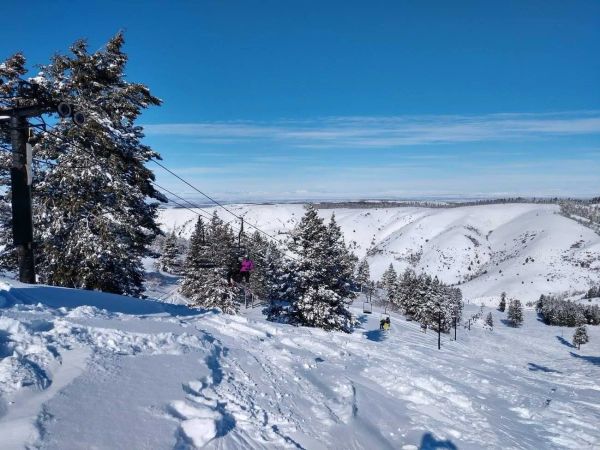
Kelly Canyon, Idaho, Adds Snowmaking, a Bigger Terrain Park and More Parking for 2026-27
Kelly Canyon had a rough 2025-26, and the Idaho resort has spent the summer making sure it doesn’t repeat. Snowmaking now reaches the top of Goldrush, the terrain park is doubling in size with a stereo system, lights and a snack shack, and the car park is getting bigger. Grooming is stepping up too. Target opening is December 4, conditions permitting.
9 Oct 2026
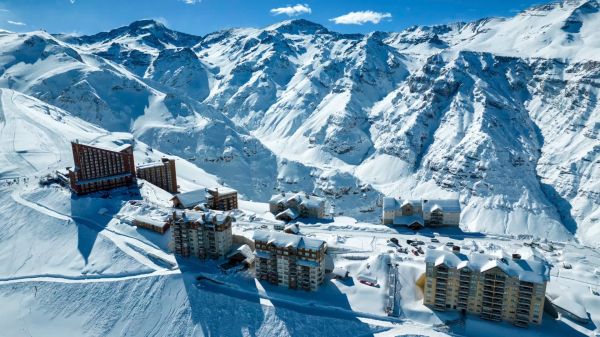
Valle Nevado Extends Season to November 8 After 108 cm in 48 Hours
Winter was meant to be winding down in Chile. Then Valle Nevado took 108 cm in 48 hours in early October, and the resort has pushed its closing date out to November 8 - its latest in 38 years of operation. That makes 143 days of skiing since opening day on June 19, with 690 cm banked for the season. Only part of the mountain is running while the storm settles, so check the mountain report before you plan a trip.
9 Oct 2026
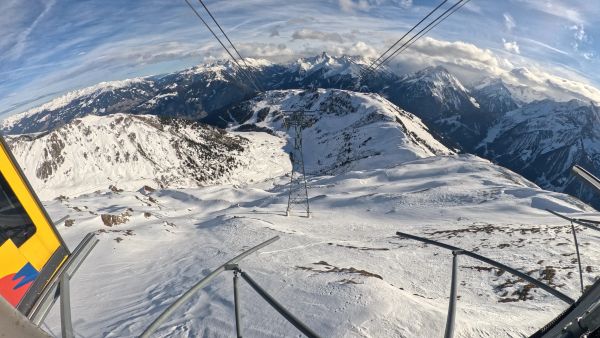
Alps Snow Forecast: Cold Front Brings Thursday Snow to the High Alps
The Alps look a lot more like winter today, for a day or so. A cold front is moving west to east, dropping up to 35 cm on high glaciers and peaks, with snow levels falling to around 1,500-1,800 m at times. Don’t plan a trip around it: mid-elevation snow will be thin and wet, every area is closed bar a limited Sölden glacier opening tomorrow, and warmer weather returns by Monday.
8 Oct 2026
California Ski Resort Opening Dates 2026-27: Mammoth Leads, Tahoe Follows
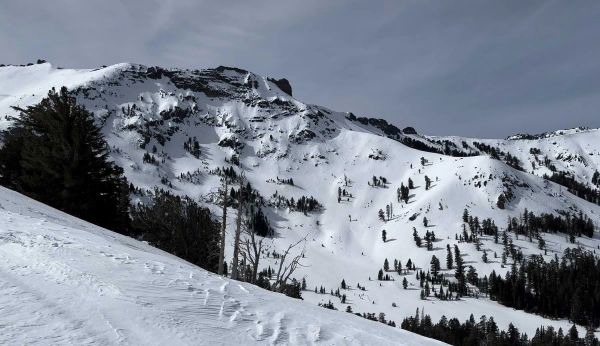
Mammoth Mountain is first up in California, targeting Friday 13 November after a dusting of September snow. Heavenly and Northstar follow on 20 November, Palisades Tahoe on Wednesday 25 November and Sugar Bowl on 27 November, with Kirkwood on 4 December and June Mountain on 19 December. Plenty of smaller areas have no date yet. A super El Niño favours the Sierra, but a warmer storm track is the catch.
7 Oct 2026
Colorado Ski Resort Opening Dates 2026-27: A-Basin and Keystone Race to Be First
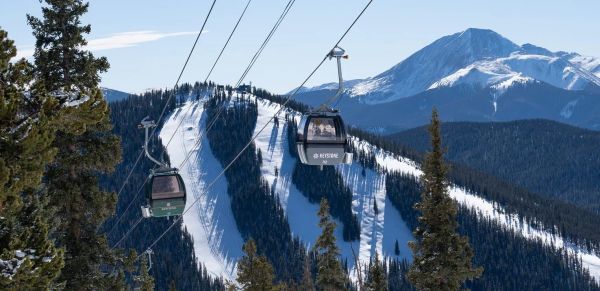
Arapahoe Basin, Keystone and Winter Park are all chasing an October start, though none has a firm date yet. The first dated openers are Breckenridge and Copper on Friday 6 November, then Vail on 13 November, with most of the rest bunched around US Thanksgiving. Hesperus did not open at all last season. A super El Niño offers hope but no guarantee, and forecasters say the southern mountains have the better odds.
5 Oct 2026
Snow Summit Lift System
Snow Summit operates 16 lifts comprising two quad chairs, four triple chairs, five double chairs and five surface lifts. The system provides uphill capacity to serve the 240-acre ski area, with lifts accessing terrain across both the east and west sides of the mountain. Chair 1 serves as the primary summit access, whilst Chairs 2 and 9 handle the bulk of intermediate traffic on the west side. The east side remains less crowded, with Chairs 5, 6, 7 and 10 spreading skiers across advanced and intermediate terrain.
Chair 1 delivers top-to-bottom access to Summit Run and Miracle Mile, the resort's signature cruising trails. Chair 2 serves Westridge and the main terrain parks, operating as one of the busiest lifts during peak periods. Chair 6 accesses The Bowl, home to the steepest runs including Olympic and The Wall with pitches reaching expert grades. Chair 5 provides lapping access to Side Chute, whilst Chair 9 serves 213 metres of vertical on the east side with predominantly intermediate terrain including Sundown.
The base area features multiple loading points with beginner-specific surface lifts clustered near the Adventure Academy. Mid-mountain, Chair 7 and Chair 10 provide secondary access to tree-lined intermediate runs including Timber Ridge and Seven-Down. The lift network allows continuous skiing without mandatory green runs, though Summit Run serves as the primary return route to the base. Chair 3 connects to additional terrain park features and intermediate trails on the far east side.
Big Bear Mountain Resort invested in snowmaking infrastructure capable of covering all 240 acres without natural snowfall, conditions permitting. The system draws water from Big Bear Lake and operates when ambient temperature and humidity allow. Whilst Snow Summit has not added new chairlifts recently, sister resort Bear Mountain installed a high-speed six-seat Midway Chair in December 2024, and a connection plan between the two mountains remains under U.S. Forest Service review. Chair 9 operates as an older fixed-grip lift with faster loading speeds that can challenge less experienced skiers at unload.
16lifts across 4 types
2
Quad Chairs
4
Triple Chairs
5
Double Chairs
5
Surface Lifts
Snow Summit lift system
Snow Summit is served by 16 lifts, listed here by type. Check which lifts are turning against the live conditions before you plan your first laps - early lifts and high-speed chairs get you to the best snow fastest.
More Snow Summit intelligence: trail map, snow report, webcams, resort overview.