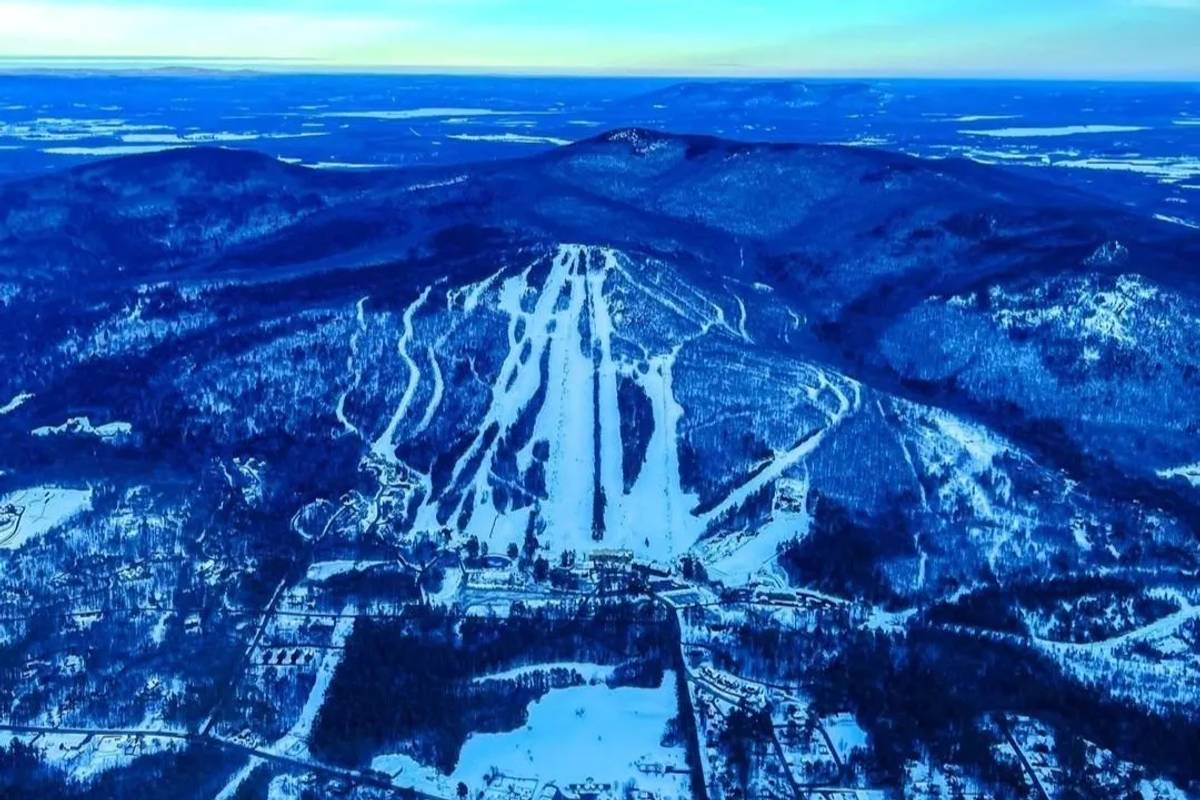
Cranmore Mountain
200 acres, 57 runs in North Conway. Historic Skimobile heritage, family-friendly White Mountains skiing.

Current Conditions→
Season 2026 - 2027
Opens
4 Dec 2026
Closes
3 Apr 2027
Days open
120
Annual snow
45in
The Overview
Michael Fulton
Melbourne-based skier and snowboarder with 50+ resorts across 5 continents. Specialises in Australian resorts and international resort comparisons.
Cranmore Mountain's summit reaches 2,000 feet, dropping roughly 1,200 vertical feet to a base at 600 feet across 57 runs spread over 200 acres in North Conway, New Hampshire. Terrain splits 44 per cent intermediate and 28 per cent each for beginner and advanced, with no expert-rated runs, and average annual snowfall of roughly 45 inches. Nine lifts, including two quad chairs and two triple chairs, serve the mountain alongside one double chair, three surface lifts and one t-bar.
Cranmore holds a storied place in American ski history, having pioneered one of the sport's most distinctive early lift technologies and helped establish North Conway as a genuine skiing destination. Its historic Skimobile Road, still bearing the name of the resort's famous vintage lift, remains a visible link to this heritage today.
Local businessman Harvey Gibson founded Cranmore, opening the resort for the 1937-38 season with a single rope tow after purchasing land parcels on the mountain's west side. For the 1938-39 season, Gibson introduced the Skimobile, a distinctive lift consisting of 60 small cars travelling on a wooden track, designed by area mechanic George Morton, which carried skiers from the base to roughly halfway up the mountain. In 1939, at Gibson's invitation, prominent Austrian skier Hannes Schneider moved to Cranmore after being briefly imprisoned in Austria for his anti-Nazi views, and Schneider's arrival spurred further expansion, including a second Skimobile stage to the summit and additional trails.
The Skimobile operated as a beloved, if unusual, piece of Cranmore's identity for decades before being fully abandoned by 1988, giving way to more conventional chairlift infrastructure. Adult daily tickets run from 79 to 109 US dollars, with a discounted beginner-terrain-only ticket also available.
1,401ft
Vertical
57
Runs
200 acres
Skiable
45in
Annual snow
The Terrain
57 runs across 200 acres skiable
Cranmore Mountain sits in the village of North Conway, New Hampshire, with 57 runs on 200 acres (81 hectares). The mountain rises from about 600 ft (183 m) to 2,000 ft (610 m), a vertical of 1,400 ft (427 m). Terrain is 28% beginner, 44% intermediate and 28% advanced, a balanced spread that suits mixed-ability groups. Snowfall averages around 45 inches a year, lower than most White Mountains neighbours. Runs are short to mid-length and close to town, which makes Cranmore an easy day for families and a handy warm-up before bigger mountains.
Skimiester is a winding blue trail that steepens toward the end, with Bandit and Lower Arlberg as easier options and Lower Hurricane carrying on to the base. The Darkside Terrain Park covers 17 acres and is served by two lifts, giving freestyle riders a proper zone of their own. The mountain also has a long history, with its famous Skimobile lift debuting in 1938. Advanced skiers get some steeper pitches but no big challenge, so Cranmore suits families, beginners finding their feet, park riders and anyone basing themselves in the Mount Washington Valley.
Terrain split
57
runs
57 runs across 4 grades
Beginner16 runs · 28%
Intermediate25 runs · 44%
Advanced16 runs · 28%
Expert0 runs · 0%
Time it right
When to visit Cranmore Mountain
The 2025-26 season at Cranmore Mountain ran from 6 December 2025 to 5 April 2026, a roughly seventeen-week season supported by average annual snowfall of around 45 inches. Extensive snowmaking supplements natural snowfall considerably, supporting consistent conditions throughout the season given the resort's comparatively modest natural totals.
Midwinter, from December through February, typically brings the most consistent conditions to Cranmore's intermediate-weighted terrain. Given the resort's location in North Conway, a considerable regional tourism hub, Cranmore draws strong visitation from visitors combining skiing with the area's well-known tax-free outlet shopping.
As an independently operated resort offering its own daily tickets alongside White Mountain Super Pass access, Cranmore's visitor base draws heavily from families and beginner-to-intermediate skiers given the resort's terrain profile and learning-focused amenities, including the Mountain Adventure Park. School holiday periods bring substantial family visitation given this accessible terrain mix.
Specific event programming beyond standard operations and the Mountain Adventure Park is not confirmed in available resort information. Cranmore's history, dating to Harvey Gibson's 1937 founding and the Austrian influence brought by Hannes Schneider in 1939, continues to inform its identity as one of North Conway's most historic ski destinations. The resort's family-friendly, accessible character remains central to its seasonal appeal.
Season 2026 - 2027
4 Dec 2026
Opens
3 Apr 2027
Closes
120
Days open
45 in
Annual snow
Getting there
Getting to Cranmore Mountain, and where to stay
Cranmore Mountain sits in North Conway, New Hampshire, in the heart of the Mount Washington Valley, with a base elevation of 600 feet and a summit at 2,000 feet across a roughly 1,200-foot vertical drop over 200 acres. This setting places the resort within one of New England's most popular tourism destinations.
North Conway itself offers extensive lodging, dining and the region's well-known tax-free outlet shopping, all within a short walk or drive of the resort. The broader Mount Washington Valley surrounds Cranmore with additional attractions and outdoor recreation options across the White Mountains region.
New Hampshire State Route 16 provides direct access to the resort through the centre of North Conway. Winter driving conditions on this route can include snow and ice, though the well-travelled state highway is regularly maintained given the area's status as a major regional tourism destination. There is no direct public transport service to the resort, though North Conway's walkable village centre reduces the need for driving once visitors arrive.
Specific nearest commercial airport details are not confirmed in available resort information, though Cranmore's North Conway location keeps it within a reasonable drive of the greater Boston metropolitan area's major airports for visitors travelling from further afield.
Where to stay
Search all stays →Stays map loads when you scroll here
Hotels and lodges near Cranmore Mountain, powered by Stay22.
Good to know
Frequently asked
When is Cranmore Mountain's ski season?
Cranmore Mountain's 2026 - 2027 season typically runs from December 4 through April 3. That window is roughly 120 calendar days, though daily operations depend on snow cover, weather, and lift maintenance.
Resorts in New Hampshire, Usa often announce firm dates closer to winter; check the live snow report before you travel if you are planning around opening weekend or spring closure.
How much skiable terrain does Cranmore Mountain have?
Cranmore Mountain lists about 200 acres skiable of marked terrain spread across 57 named runs (81 hectares alongside 200 acres skiable). That footprint is what most riders experience on a lift-served day. Side-country or hike-to terrain may sit outside these published numbers.
Use the trail map to see how the mountain is laid out and where the longest fall-line runs connect back to base.
What is the terrain like at Cranmore Mountain?
Trail grading at Cranmore Mountain breaks down roughly as 28% beginner, 44% intermediate, 28% advanced. The mix is balanced enough for mixed-ability groups, so learners can stay on marked green/blue (Green/Blue) terrain while stronger skiers peel off to steeper pitches.
Percentages describe the resort's published piste mix, not vertical feet. A mountain with modest "expert" stats can still feel demanding if the steep terrain is long or exposed. Read the trail map alongside these numbers when planning your route.
How many lifts does Cranmore Mountain have?
Cranmore Mountain operates 9 lifts across 5 lift types. The fleet includes 3 surface lifts, 2 quad chairs, 2 triple chairs, 1 double chair, and 1 t-bar.
Lift mix affects how quickly you can lap your favourite zones. Gondolas and trams move big crowds to mid-mountain, while shorter chairs and surface lifts often serve learning areas or local pods. Check the live snow report on ski days for real-time open/closed status.
What is the elevation and vertical drop at Cranmore Mountain?
Base elevation at Cranmore Mountain is about 600 ft (183 m), with the summit around 2,001 ft (610 m), giving roughly 1,401 ft (427 m) of vertical from base to top.
Higher start heights usually mean colder, drier snow holding longer into spring, but also thinner air and faster weather changes. Pack layers if you are riding from village level to summit lifts in one day.
How much snow does Cranmore Mountain get each season?
Cranmore Mountain averages about 45 inches (114 cm) of natural snowfall per season. That is a long-term climate figure. Any single winter can run well above or below it depending on storm track and temperature.
For trip planning, pair this baseline with the live snow report and webcams: fresh cycles show up in overnight totals and summit cameras long before season averages tell you much about today's surface.
Where can I buy Cranmore Mountain lift tickets and how much do they cost?
Published single-day adult pricing on SnowStash currently spans US$39 to US$109, depending on date band and whether you are buying peak or regular windows. Multi-day products (season passes) usually lower the per-day cost if you are staying several days. Tickets can be bought online through the resort's official checkout (linked from our lift tickets page) or at on-mountain ticket windows, subject to availability.
Buying ahead of peak holidays and weekends generally saves money and guarantees access on sold-out days. Before you commit, scan the snow report and webcams so you are paying for conditions that match your expectations.
How can I check snow and mountain conditions at Cranmore Mountain before I go?
SnowStash pulls together 4 live mountain webcams, a downloadable piste map, and the daily snow report for Cranmore Mountain so you can plan from home. Webcams refresh on a short interval and are the fastest way to judge visibility, wind exposure, and whether storm snow is still falling.
The snow report adds structured totals, base depth where available, and lift/trail status when the resort publishes it. Use both together: cameras show what it looks like right now, and the report summarises numbers your group can compare day to day.
Does Cranmore Mountain have a trail map?
Yes. The downloadable PDF/image map is better for offline planning, marking meeting points, and understanding the full mountain layout at a glance.
Both versions are on the trail map page for Cranmore Mountain. If you are navigating with kids or meeting friends across separate lifts, screenshot or print the static map and keep the live map open on your phone for operational updates.
Where is Cranmore Mountain located?
Cranmore Mountain sits in New Hampshire, Usa. That regional context matters for travel planning: airport transfers, snow tyres, and typical storm patterns all follow geography as much as resort marketing.
Browse nearby accommodation from the resort page if you are comparing village-base vs valley-base stays; where you sleep changes your first lift of the day more than most trail stats do.
Latest News
From the SnowStash desk
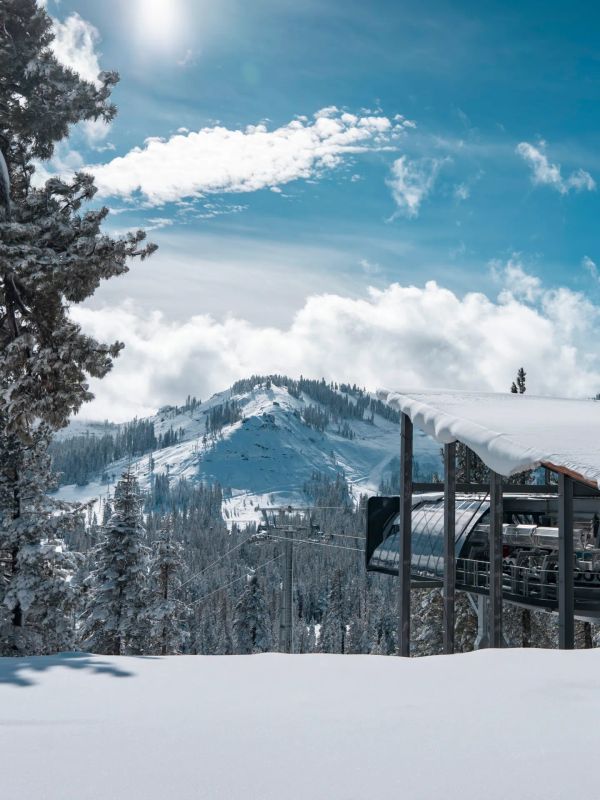
Sugar Bowl Gondola Slips to January 2027 as Opening Day Holds
Sugar Bowl still opens on 27 November, just without its new gondola. The eight-passenger Village Gondola is now targeting January 2027, with all eight towers up, the haul rope on and the first cabin hanging. Until it runs, everyone gets in through the Main Lodge, with curbside drop-off and parking lot shuttles. It replaces the first gondola in the western US, which dates from 1953.
16 Nov 2026
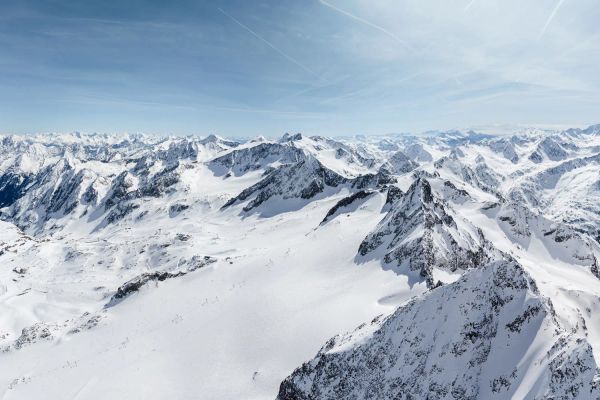
Stubai Glacier Avalanche Ends in Austria’s First Death of the Season
A 72-year-old American skier has died on Stubai Glacier after a small slab avalanche carried him over rocky ground and into a 20-metre crevasse. It is Austria’s first avalanche death of the 2026-27 season, and forecasters had flagged this exact setup two days earlier. Here is what happened near the Daunscharte, and what the snowpack was already telling anyone who was reading it.
15 Nov 2026
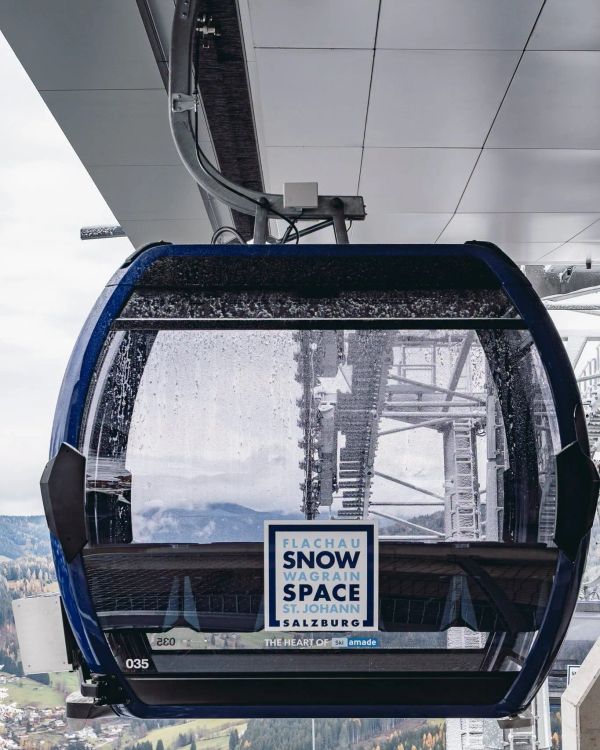
Wagrain’s New Grafenbergbahn Gondola Appears in First Photos
Wagrain’s new Grafenbergbahn is nearly here, and Snow Space Salzburg stamped “no AI” on the first photos, which says plenty about 2026. One 10-person gondola takes over from three old lifts, with 120 cabins moving up to 3,400 people an hour and a mid-station link into the G-Link. Dark blue cabins, fresh snow, no opening date yet.
14 Nov 2026
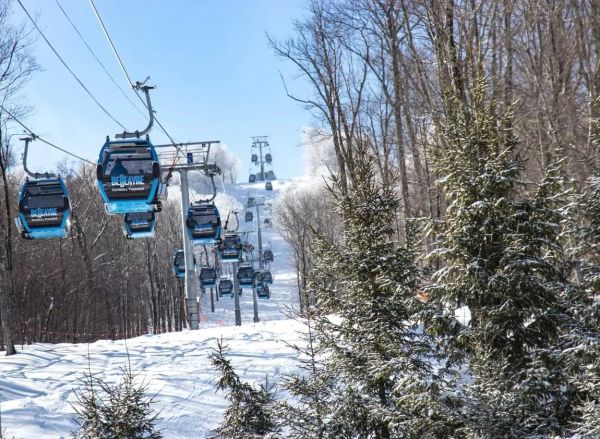
Indy Pass Adds 10 Alpine and 5 Nordic Partners for 2026-27
Indy Pass just got bigger. On 12 November it announced 10 new alpine resorts and 5 Nordic centres for 2026-27, including four in Norway and one in Austria. Three New York State mountains - Whiteface, Gore and Belleayre - also signed on to its Allied Program, with discounted tickets rather than included days. Waitlisted customers are being offered passes, and Learn to Turn news is due this week. Full list inside.
13 Nov 2026
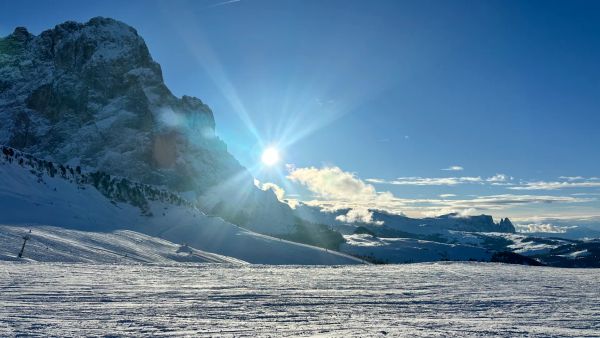
Val Gardena to Alpe di Siusi Lift Link Back in Play After Court Ruling
The Val Gardena-Alpe di Siusi lift link isn’t dead after all. A South Tyrol court has overturned Santa Cristina’s rejection of the new Monte Pana-Saltria link on procedural grounds, after the council skipped required public information sessions. Opponents want the missing sessions held and a fresh vote, and nothing has been approved. For now it’s still a bus between the two, but a plan first floated in 2017 is back in the conversation.
8 Nov 2026
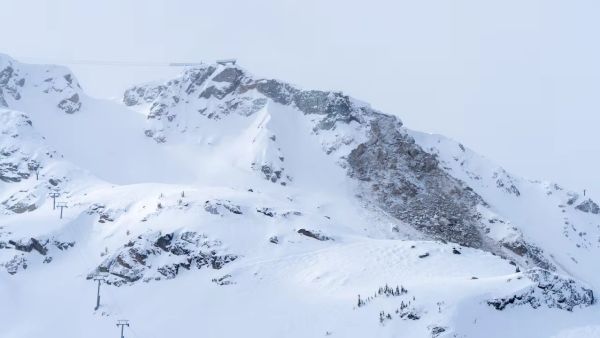
Whistler Blackcomb Rockslide Zone Stays Closed Through 2026-27 Season
A section of Whistler Peak terrain will stay closed all 2026-27 season, Vail Resorts has confirmed, with rockslide mitigation work continuing into summer 2027. Peak Express is still expected to run this winter, but locals are already arguing about what’s actually off limits, whether the Whistler Bowl is gone, and why the news landed after pass sales wound down. Here’s where things stand.
7 Nov 2026
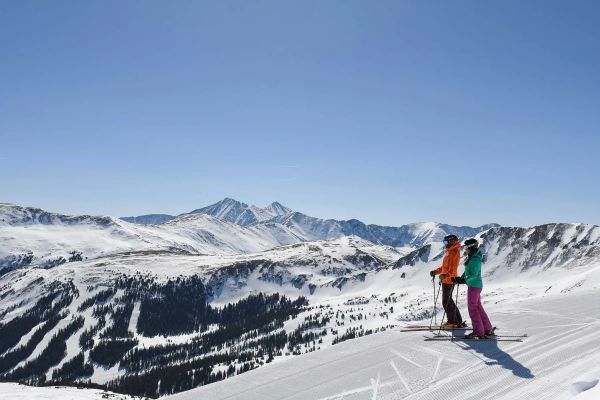
Loveland Ski Area Opens for 2026-27 and Marks 60 Years of Snowmaking
Loveland is open. The Colorado ski area started Chet’s Dream turning on Saturday 7 November to kick off 2026-27, with $60 adult lift tickets to mark 60 years of snowmaking. Expect three runs, nearly 1,000 vertical feet (about 300 metres) of top-to-bottom skiing, live music on the Basin Patio and no beginner terrain yet. Here’s what’s open, what it costs and when Loveland Valley follows.
7 Nov 2026
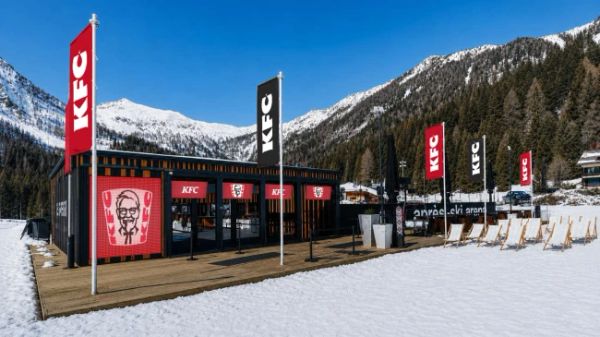
KFC Is Coming to the Slopes at Cortina and Madonna di Campiglio
Fried chicken is heading up the Dolomites. From 5 December KFC will run two restaurants on the slopes - one at 2,123 metres at Cortina, one at 1,700 metres at Madonna di Campiglio - and the polenta-and-canederli crowd has opinions. Local politicians, conservation groups and plenty of Facebook commenters are calling it a step too far, while others just want a cheaper lunch. Here’s what’s on the menu and what’s the fuss.
5 Nov 2026