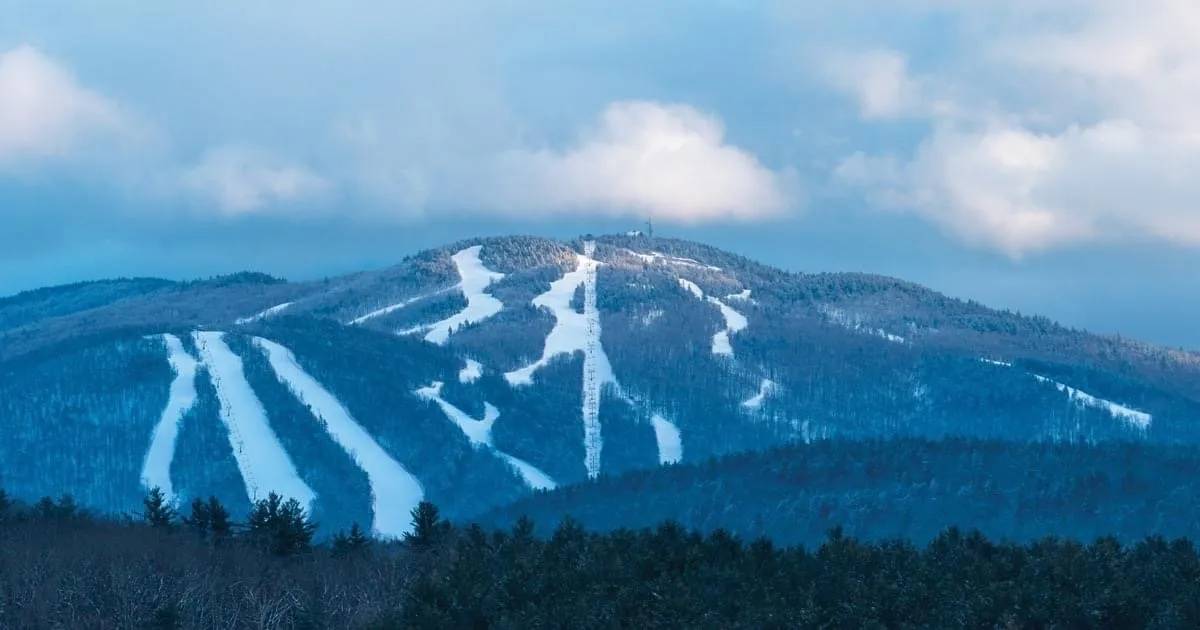
Mount Sunapee
232 acres, 66 runs near Newbury. Epic Pass access, Vermont-quality skiing close to Boston.

Season 2026 - 2027
Opens
4 Dec 2026
Closes
4 Apr 2027
Days open
121
Annual snow
99in
The Overview
Michael Fulton
Melbourne-based skier and snowboarder with 50+ resorts across 5 continents. Specialises in Australian resorts and international resort comparisons.
Mount Sunapee's summit reaches 2,743 feet, dropping roughly 1,509 vertical feet to a base at 1,234 feet across 66 runs spread over 232 acres near Newbury, New Hampshire. Terrain splits 46 per cent intermediate, 30 per cent beginner, 13 per cent expert and 11 per cent advanced, with average annual snowfall of roughly 99 inches. The resort carries Epic Pass affiliation. Five lifts, including three quad chairs and two triple chairs, serve the mountain alongside three surface lifts.
Mount Sunapee occupies a distinctive place among New Hampshire ski areas as a state park property operated under private lease, a structure that has shaped its development for decades. Its terrain and snowmaking quality have earned it a reputation for offering skiing that feels closer to Vermont's larger resorts despite its New Hampshire location.
Surveys for a tram on Mount Sunapee date to 1940, and in 1941 New Hampshire passed the Mount Sunapee Tramway Bill, envisioning a tram for both sightseeing and skiing. A chairlift to the present-day North Peak was built instead after the Second World War, and the 1948-49 season marks the official inauguration of the Mount Sunapee ski area, which then operated as a state-run resort alongside Cannon Mountain for the next 40 years.
On 1 July 1998, Tim and Diane Mueller, owners of Okemo Mountain Resort in Vermont, acquired the first lease ever granted by New Hampshire to operate Mount Sunapee, with the upfront lease payments funding a total upgrade of state-owned Cannon Mountain. Vail Resorts announced its acquisition of Mount Sunapee, alongside Okemo and Colorado's Crested Butte, in June 2018, purchasing the Muellers' Triple Peaks company for roughly 74 million US dollars in a deal that closed that September. Adult daily tickets run from 89 to 139 US dollars.
1,509ft
Vertical
66
Runs
232 acres
Skiable
99in
Annual snow
Epic
Pass
The Terrain
66 runs across 232 acres skiable
Mount Sunapee covers 232 acres (94 hectares) with 66 runs near Newbury, New Hampshire, inside a state park. It rises from about 1,230 ft (376 m) to 2,740 ft (836 m), a vertical of 1,510 ft (460 m). The split is 30% beginner, 46% intermediate, 11% advanced and 13% expert, an unusual shape with more expert than advanced terrain. Snowfall averages around 99 inches a year. The mountain is organised into five areas, each with a slightly different personality, from open cruisers to a separate learning zone.
The Main Face has intermediate cruisers, while Sunbowl, reached from the North Peak triple via Upper Cataract, adds lake views. North Peak holds most of the advanced terrain, and Spruce Peak is home to the terrain parks, including the Six O' Three Terrain Park. Lynx, Skyway, Goosebumps and Flying Goose are among the named runs, and South Peak is a separate beginner area. Sunapee suits families, intermediates and park riders, while experts looking for sustained steeps will find North Peak the best of a small supply.
Terrain split
66
runs
66 runs across 4 grades
Beginner20 runs · 30%
Intermediate30 runs · 46%
Advanced7 runs · 11%
Expert9 runs · 13%
Time it right
When to visit Mount Sunapee
The 2025-26 season at Mount Sunapee ran from 6 December 2025 to 5 April 2026, a roughly seventeen-week season supported by average annual snowfall of around 99 inches. Excellent snowmaking, a point of pride for the resort, supplements natural snowfall to maintain consistent, well-groomed conditions throughout the season.
Midwinter, from December through February, typically brings the most consistent conditions to Mount Sunapee's intermediate-and-beginner-weighted terrain. As an Epic Pass resort within the Vail Resorts network, Mount Sunapee draws substantial visitation from Epic Pass holders, supported by its roughly 90-minute drive from Boston, one of the more accessible major resorts for that metropolitan area.
The resort's reputation for Vermont-quality conditions within New Hampshire continues to draw visitors seeking a shorter drive without sacrificing terrain or grooming quality. School holiday periods bring substantial family visitation given the resort's varied terrain and family-friendly amenities. Weekend crowds draw heavily from the greater Boston region.
Specific event programming beyond standard operations is not confirmed in available resort information. Since Vail Resorts' 2018 acquisition, Mount Sunapee has continued operating under its distinctive state park lease structure, a model dating to the Mueller family's landmark 1998 agreement. The resort's blend of state park setting and private operation remains central to its identity each season.
Season 2026 - 2027
4 Dec 2026
Opens
4 Apr 2027
Closes
121
Days open
99 in
Annual snow
The record
Historical snowfall at Mount Sunapee
Daily snow reports at Mount Sunapee go back to 2025, 2 winters on the books. Open the record to compare winters, lifts and piste.
14 in
Snowiest day
26 Jan 2026
0 in
This winter · 2026-27
so far
69 in
Typical winter
average of complete seasons
Winter totals
in
Past wintersThis winter
Getting there
Getting to Mount Sunapee, and where to stay
Mount Sunapee sits within Mount Sunapee State Park near Newbury, New Hampshire, with a base elevation of 1,234 feet and a summit at 2,743 feet across a roughly 1,509-foot vertical drop over 232 acres. This setting places the resort within a well-established state park roughly 90 minutes from Boston.
Newbury and the broader Lake Sunapee region offer lodging, dining and additional lake-focused recreation within a short drive of the resort. The state park setting itself provides extensive additional outdoor recreation beyond the ski area's boundaries.
Interstate 89 provides convenient access to the resort from both the Boston metropolitan area and points further north in New Hampshire and Vermont. Winter driving conditions on the interstate can include snow and ice, though the well-travelled route is regularly maintained given its role as a major regional corridor. There is no direct public transport service to the mountain.
Manchester-Boston Regional Airport, within a reasonable drive, is among the nearer airports with commercial service, making Mount Sunapee a genuinely convenient option for visitors flying into the region. This combination of accessible highway and air access supports the resort's popularity with the greater Boston market.
Where to stay
Search all stays →Stays map loads when you scroll here
Hotels and lodges near Mount Sunapee, powered by Stay22.
Good to know
Frequently asked
When is Mount Sunapee's ski season?
Mount Sunapee's 2026 - 2027 season typically runs from December 4 through April 4. That window is roughly 121 calendar days, though daily operations depend on snow cover, weather, and lift maintenance.
Resorts in New Hampshire, Usa often announce firm dates closer to winter; check the live snow report before you travel if you are planning around opening weekend or spring closure.
How much skiable terrain does Mount Sunapee have?
Mount Sunapee lists about 232 acres skiable of marked terrain spread across 66 named runs (94 hectares alongside 232 acres skiable). That footprint is what most riders experience on a lift-served day. Side-country or hike-to terrain may sit outside these published numbers.
Use the trail map to see how the mountain is laid out and where the longest fall-line runs connect back to base.
What is the terrain like at Mount Sunapee?
Trail grading at Mount Sunapee breaks down roughly as 30% beginner, 46% intermediate, 11% advanced, 13% expert. With a strong beginner share, Mount Sunapee suits families and first-time visitors who want forgiving warm-up terrain before exploring further upslope.
Percentages describe the resort's published piste mix, not vertical feet. A mountain with modest "expert" stats can still feel demanding if the steep terrain is long or exposed. Read the trail map alongside these numbers when planning your route.
How many lifts does Mount Sunapee have?
Mount Sunapee operates 8 lifts across 3 lift types. The fleet includes 3 quad chairs, 3 surface lifts, and 2 triple chairs.
Lift mix affects how quickly you can lap your favourite zones. Gondolas and trams move big crowds to mid-mountain, while shorter chairs and surface lifts often serve learning areas or local pods. Check the live snow report on ski days for real-time open/closed status.
What is the elevation and vertical drop at Mount Sunapee?
Base elevation at Mount Sunapee is about 1,234 ft (376 m), with the summit around 2,743 ft (836 m), giving roughly 1,509 ft (460 m) of vertical from base to top.
Higher start heights usually mean colder, drier snow holding longer into spring, but also thinner air and faster weather changes. Pack layers if you are riding from village level to summit lifts in one day.
How much snow does Mount Sunapee get each season?
Mount Sunapee averages about 99 inches (251 cm) of natural snowfall per season. That is a long-term climate figure. Any single winter can run well above or below it depending on storm track and temperature.
For trip planning, pair this baseline with the live snow report and webcams: fresh cycles show up in overnight totals and summit cameras long before season averages tell you much about today's surface.
Does Mount Sunapee accept the Epic?
Mount Sunapee is affiliated with the Epic. Pass holders should confirm current season benefits, blackout dates, and reservation rules on the pass issuer's site. Policies change year to year and can differ between international and domestic products.
If you are not on Epic, day tickets and multi-day bundles are still available; see the lift tickets page for published rates and purchase links.
Where can I buy Mount Sunapee lift tickets and how much do they cost?
Published single-day adult pricing on SnowStash currently spans US$69 to US$139, depending on date band and whether you are buying peak or regular windows. Multi-day products (season passes) usually lower the per-day cost if you are staying several days. Tickets can be bought online through the resort's official checkout (linked from our lift tickets page) or at on-mountain ticket windows, subject to availability.
Buying ahead of peak holidays and weekends generally saves money and guarantees access on sold-out days. Before you commit, scan the snow report and webcams so you are paying for conditions that match your expectations.
How can I check snow and mountain conditions at Mount Sunapee before I go?
SnowStash pulls together 3 live mountain webcams, a downloadable piste map, and the daily snow report for Mount Sunapee so you can plan from home. Webcams refresh on a short interval and are the fastest way to judge visibility, wind exposure, and whether storm snow is still falling.
The snow report adds structured totals, base depth where available, and lift/trail status when the resort publishes it. Use both together: cameras show what it looks like right now, and the report summarises numbers your group can compare day to day.
Does Mount Sunapee have a trail map?
Yes. The downloadable PDF/image map is better for offline planning, marking meeting points, and understanding the full mountain layout at a glance.
Both versions are on the trail map page for Mount Sunapee. If you are navigating with kids or meeting friends across separate lifts, screenshot or print the static map and keep the live map open on your phone for operational updates.
Where is Mount Sunapee located?
Mount Sunapee sits in New Hampshire, Usa. That regional context matters for travel planning: airport transfers, snow tyres, and typical storm patterns all follow geography as much as resort marketing.
Browse nearby accommodation from the resort page if you are comparing village-base vs valley-base stays; where you sleep changes your first lift of the day more than most trail stats do.
Latest News
From the SnowStash desk
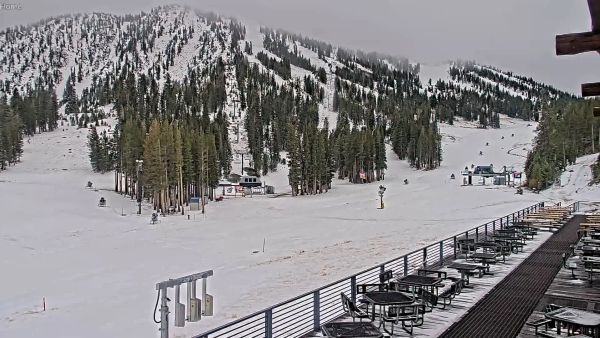
Mt Rose Aims to Open First in Tahoe on November 6
Mt Rose is going for the first-in-Tahoe title, with the Lakeview Express due to spin at 9 a.m. on Friday, November 6. One main lift, three runs and plenty of snowmaking, sitting on the highest base elevation in the region at 8,260 ft. Here is what is open, what is not (sorry, tubing fans), and how the early North American openings are stacking up.
4 Nov 2026
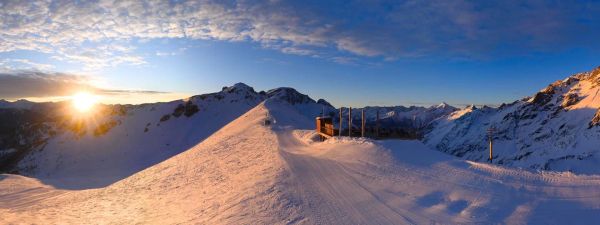
Europe Snow Forecast: Serre Chevalier Leads With 82 cm Over the Next 10 Days
Europe has had a quiet start to November, but our 10-day forecast has Serre Chevalier on 82 cm and Les 2 Alpes on 71 cm. Two pushes are lined up: a western Alps top-up from Friday, then a bigger, wider system on Thursday, November 12 and Friday, November 13 that reaches Italy and Switzerland. Full leaderboard inside.
4 Nov 2026
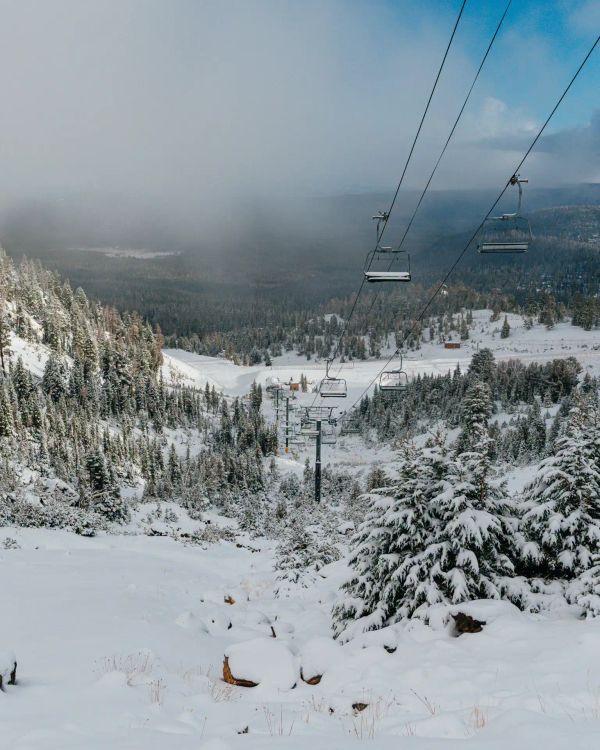
Mammoth Mountain Opens Early on November 5 With Up to 33 Inches of Snow in the Forecast
Mammoth just moved opening day forward to Thursday, November 5, eight days ahead of schedule. A snowy weekend and cold snowmaking nights did the work, and our forecast shows up to 33 inches more landing on November 13 and 14. Here is what opens, what the weather looks like and where Mammoth sits among the early Ikon Pass openers.
3 Nov 2026
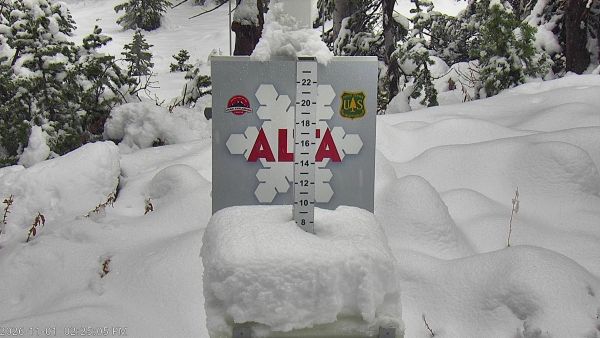
Utah Snow Storm Builds Early-Season Base Ahead of November Openings
Rain down low, snow up high, and a snow report full of zeros that mostly means ‘not updated yet’. Utah’s first proper storm of 2026-27 is rolling through the Wasatch, Snowbird’s snow stake is closing in on 10 inches, and Brian Head is five days from opening day. Early November snow rarely looks like much, but it is the layer every November opening date is built on. Here is where it stands.
1 Nov 2026
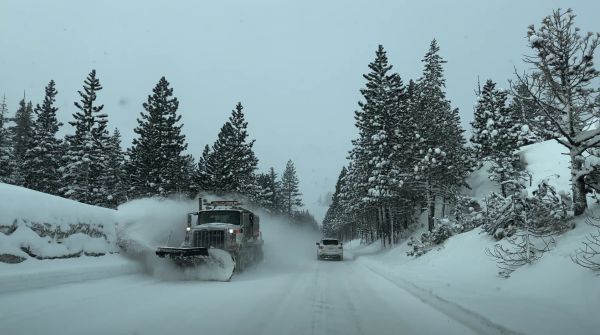
Sierra Nevada Halloween Storm: Dodge Ridge Forecast to Lead With 19 Inches
Halloween weekend brings a wet, windy storm to the Sierra Nevada. Our five-day forecast has Dodge Ridge on top with 19 in, followed by Bear Valley at 15 in and Mammoth Mountain at 12 in, with most of it landing on Saturday. A winter weather advisory covers the Tahoe Basin and Mono County until 7 AM Sunday, gusts could reach 47 mph and the freezing level swings between 4,900 and 8,700 ft, so some bases will see rain. A dry spell follows from Monday.
31 Oct 2026
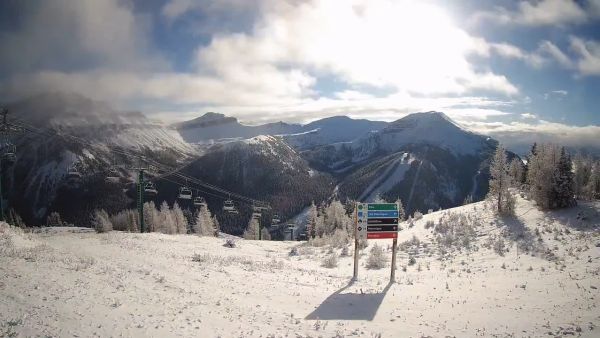
Lake Louise Opens Early on 1 November With Juniper Express and Easy Street
The Rockies get their first lift-served turns of the season early. Lake Louise opens Sunday 1 November, five days ahead of schedule, after a cold October and round-the-clock work from the snowmaking and mountain crews. Terrain is limited to Juniper Express Chair and Easy Street, with two small terrain parks and the beginner area for lessons. Opening-day tickets are over 60% off, with prices rising as more lifts open. First chair is at 9:30 am under the resort’s new lift hours.
31 Oct 2026
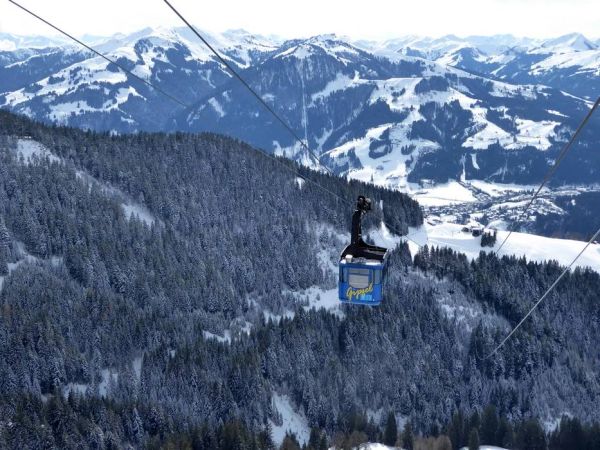
Kitzbüheler Horn Summit Cable Car to Be Replaced After 70 Years
A Tyrolean summit lift that has been carrying guests up the Kitzbüheler Horn since 1955 is on borrowed time. Its licence runs to 2045, but a new inspection rule has made refurbishment uneconomic, so Bergbahn AG Kitzbühel will spend around €15 million on a replacement on the same line. It should hold roughly 100 people and keep running in winds that would stop today’s lift. Building starts in autumn 2027, which makes this winter and next summer the last chances to ride the old one.
30 Oct 2026
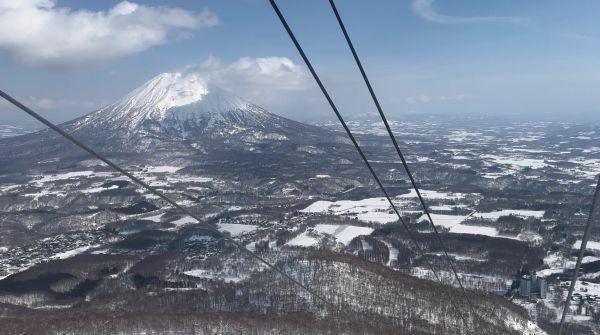
What’s New in Japan Skiing This Winter: Niseko Gondola, a Private Resort and a Bigger Ikon Pass
Niseko Village is replacing a lift from the early 1980s with an eight-person gondola, Tsugaike gets a six-person chairlift, Madarao joins the Ikon Pass and Togari opens Asia’s first private ski resort. Here’s what is actually new in Japan skiing for 2026/27, plus what is still a year or two away.
30 Oct 2026