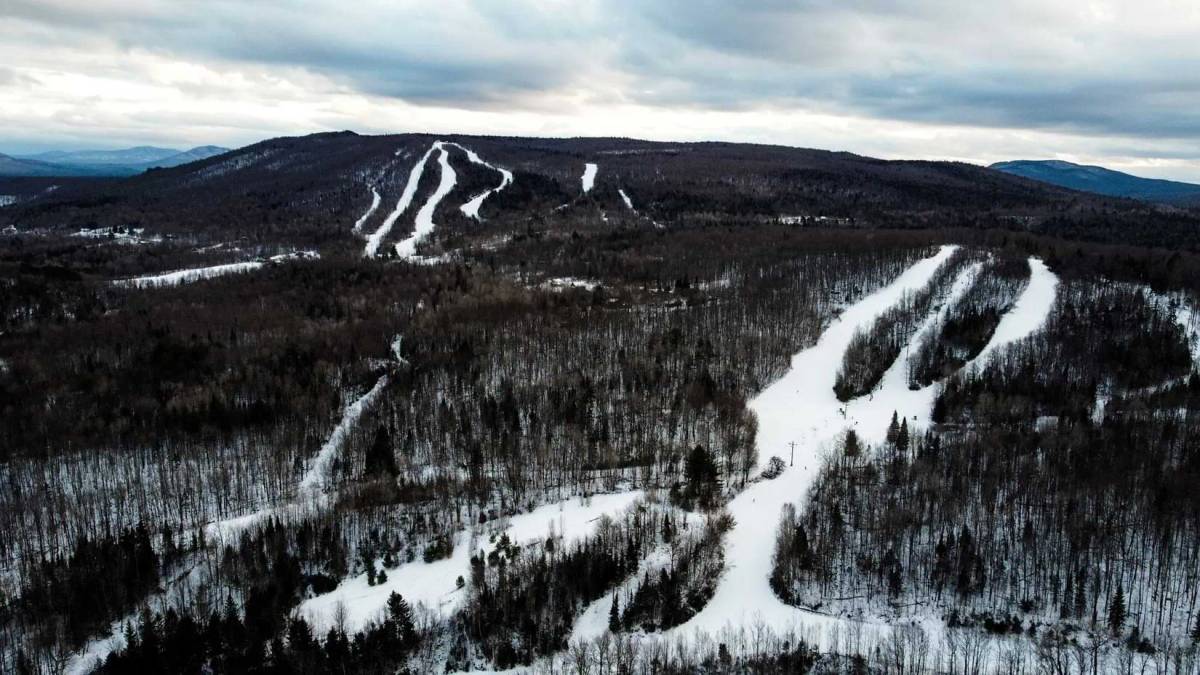
Titus
200 acres, 50 runs across three peaks near Malone. North Country family skiing, Indy Pass access.

Current Conditions→
Season 2026 - 2027
Opens
5 Dec 2026
Closes
28 Mar 2027
Days open
113
Annual snow
91in
The Overview
Michael Fulton
Melbourne-based skier and snowboarder with 50+ resorts across 5 continents. Specialises in Australian resorts and international resort comparisons.
Titus Mountain's summit reaches 2,024 feet, dropping 1,201 vertical feet to a base at 823 feet across 50 runs spread over 200 acres across three peaks near Malone in the northern Adirondacks, New York. Terrain splits 38 per cent intermediate, 34 per cent beginner, 22 per cent advanced and 6 per cent expert, with average annual snowfall of roughly 91 inches. The resort carries Indy Pass affiliation. Eight lifts, including six double chairs, serve the mountain alongside two triple chairs and two surface lifts.
Titus Mountain's genuinely unusual footprint across three separate peaks, close to the Canadian border in New York's far north, gives it a distinctly family-oriented, community-rooted character among the state's ski areas. Its extensive night-skiing programme and comparatively affordable pricing reflect a deliberate focus on accessibility for the surrounding rural North Country region.
The resort traces its origins to the late 1940s, when the John Johnson family in nearby Chasm Falls built a rope tow powered by the back wheel of a retired Buick sedan. The area, known as Moon Valley, opened to the public in 1960 and quickly became an important community recreation resource. In 1980, Paul Augustine purchased Moon Valley and renamed it Titus Mountain, growing the trail network to the mountain summits and introducing modern snowmaking, grooming and lift infrastructure over subsequent decades.
By 2011, Titus faced the prospect of being sold off for parts, with its Alpha lift and snowmaking guns destined for Pennsylvania, before the Monette family, local businesspeople with no prior ski area experience, purchased the resort and reversed its decline. Adult daily tickets run from 64 to 79 US dollars, with substantially discounted Friday pricing for military members.
1,201ft
Vertical
50
Runs
200 acres
Skiable
91in
Annual snow
Indy
Pass
The Terrain
50 runs across 200 acres skiable
Titus Mountain spreads 200 acres (81 hectares) over three peaks near Malone in the northern Adirondacks, close to the Canadian border. The 50 runs drop about 1,200 ft (366 m) from a 2,020 ft (617 m) summit to a base at 820 ft (251 m). Intermediates take the biggest share at 38%, followed by 34% beginner, 22% advanced and 6% expert. Six double chairs, two triples and two surface lifts serve the three peaks, so skiers spend a fair bit of the day riding slower chairs to move between them.
Ridge Run, Pine Run and Bridge Run are among the named trails, and Moon Valley recalls the area's earlier name. Recent additions include glades at each level, from green circle to double black diamond. Two terrain parks, one for novices and one advanced, sit under the lights. Titus bills itself as the only Adirondack ski area with night skiing, with lights on the lower mountain. It suits families and regional skiers looking for good value and long runs on a friendly mountain, though visitors chasing steep terrain should expect modest challenges.
Terrain split
50
runs
50 runs across 4 grades
Beginner17 runs · 34%
Intermediate19 runs · 38%
Advanced11 runs · 22%
Expert3 runs · 6%
Time it right
When to visit Titus
The 2025-26 season at Titus Mountain ran from 20 December 2025 to 22 March 2026, a roughly fourteen-week season supported by average annual snowfall of around 91 inches. Season dates can shift depending on early and late-season weather in this far-northern New York location.
Midwinter, from December through February, typically brings the most consistent conditions to the resort's beginner-and-intermediate-weighted terrain across its three peaks. As an Indy Pass resort, Titus draws some visiting skiers holding that multi-resort pass alongside its core North Country community visitor base, given the mountain's remote location near the Canadian border.
Extensive night skiing extends the useful ski day for the surrounding rural Malone community throughout the season, reflecting the resort's family-oriented, accessibility-focused pricing philosophy. School holiday periods bring increased family visitation given the substantial beginner and intermediate terrain spread across the mountain's three peaks.
Specific event programming beyond standard operations and night skiing is not confirmed in available resort information. Since the Monette family's 2011 purchase, which reversed the resort's decline after facing potential closure, Titus has continued serving the North Country region much as it has since its origins as Moon Valley in 1960. The resort's community-rooted, family-friendly character remains central to its seasonal identity.
Season 2026 - 2027
5 Dec 2026
Opens
28 Mar 2027
Closes
113
Days open
91 in
Annual snow
The record
Historical snowfall at Titus
Daily snow reports at Titus go back to 2025, 2 winters on the books. Open the record to compare winters, lifts and piste.
10 in
Snowiest day
26 Jan 2026
0 in
This winter · 2026-27
so far
52 in
Typical winter
average of complete seasons
Winter totals
in
Past wintersThis winter
Getting there
Getting to Titus, and where to stay
Titus Mountain sits roughly seven miles south of the village of Malone in Franklin County, New York, spread across three peaks with a base elevation of 823 feet and a summit at 2,024 feet across a 1,201-foot vertical drop over 200 acres. This far-northern Adirondack setting places the resort close to the Canadian border.
Malone, a small North Country village, provides local lodging, dining and services within a short drive of the resort. The broader North Country region offers extensive additional outdoor recreation, though the area's remote, rural character keeps visitor amenities more modest than in New York's larger ski destinations.
Local roads connect Malone directly to the resort, a short drive south of the village. Winter driving conditions in this far-northern region can include substantial snow and ice, and travellers should allow extra time given the area's rural character. There is no direct public transport service to the resort.
Specific nearest commercial airport details are not confirmed in available resort information, though the resort's remote North Country location near the Canadian border keeps its visitor base drawn primarily from the surrounding rural community and regional skiers rather than fly-in destination travellers.
Where to stay
Search all stays →Stays map loads when you scroll here
Hotels and lodges near Titus, powered by Stay22.
Latest News
From the SnowStash desk
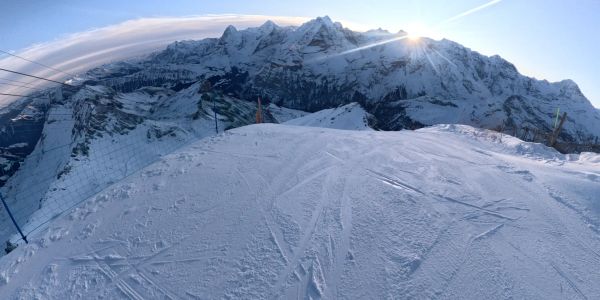
Swiss Avalanche Danger Hits Level 4 From Valais to Glarus
Level 4 of 5 avalanche danger is forecast for Monday 23 November from the Valais Alps to the Glarus Alps, and the SLF says to skip ski touring for now. Engelberg, Leukerbad and the Wildhorn are all on the list, while snow on the Bernina pass sent cars sliding off the road and shut it for two hours on Sunday. Early-season snow is welcome, but it is also what is loading the slopes. Here is where the danger sits and what to do about it.
23 Nov 2026
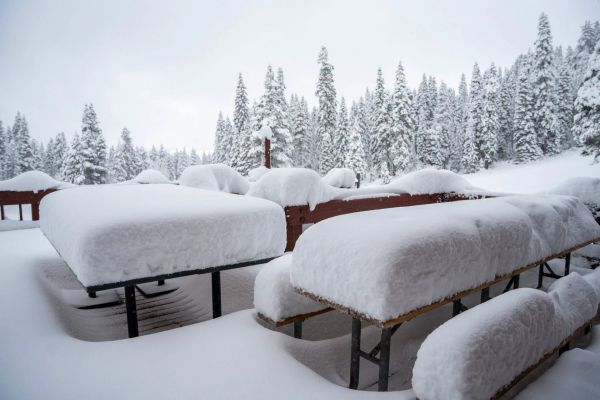
California Storm Cycle Delivers 86 Inches at Sugar Bowl and Pulls Openings Forward
A run of storms, including an atmospheric river, has buried the Sierra Nevada, with Sugar Bowl recording 86 inches (218 cm) between 14 and 20 November. Resorts across California and Nevada have pulled opening days forward after a dismal last winter. Here is what fell, who is open this weekend and what the forecast brings before Thanksgiving.
22 Nov 2026
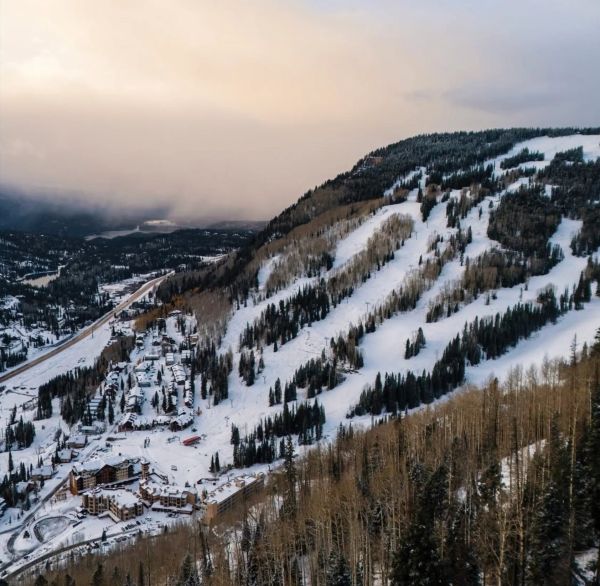
Purgatory Reveals Seven New Trails and a Colorado Couloir Chairlift Opening in December
Purgatory’s new trail map reads like a warning label. Seven new trails named after Dante’s Divine Comedy arrive with the Colorado Couloir chairlift in December, adding around 40 acres (16 ha) of steep pitches and gladed tree skiing. Five of them are black or double black. The resort opens for the season this Friday, 20 November.
19 Nov 2026
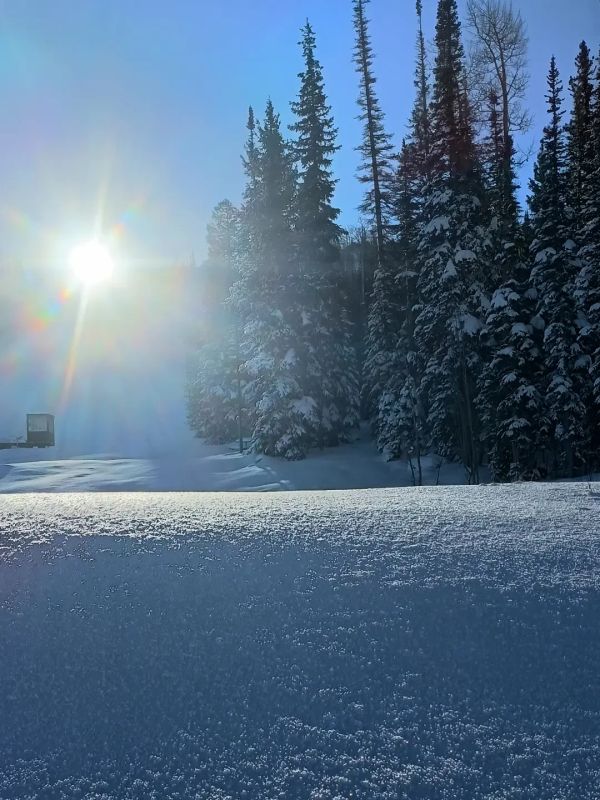
Brian Head Becomes First Utah Resort to Open for 2026-27, With Six Trails and a New Snowmaking Pipeline
Utah’s ski season has started, and it began in the south. Brian Head opened on Tuesday, 17 November, with six trails on the Navajo Express after 14 inches (36 cm) of storm snow and another half foot on opening day. It is the second year running the resort has beaten the rest of the state to first chair, and it has put nearly $1 million into a new snowmaking pipeline that can run 24 guns at once.
19 Nov 2026
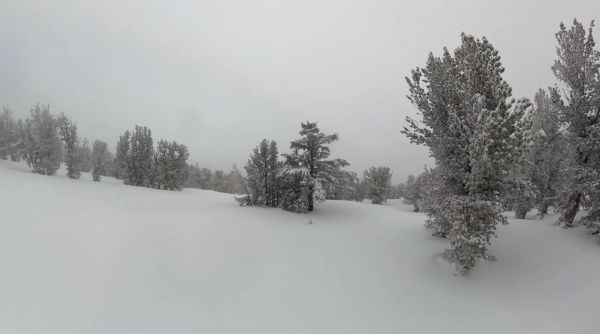
Heavenly and Northstar Open Friday as Lake Tahoe Snow Stacks Up, With Kirkwood Eyeing an Early Start
Tahoe has gone from dry to deep in a week. Heavenly and Northstar open this Friday, 20 November, with up to 24 inches (61 cm) already down at Kirkwood and 50+ inches (127 cm) in the 10-day forecast. Kirkwood normally waits until December, but this snow might change that. Heavenly is even talking about opening Stagecoach in Nevada early, which almost never happens this soon.
18 Nov 2026
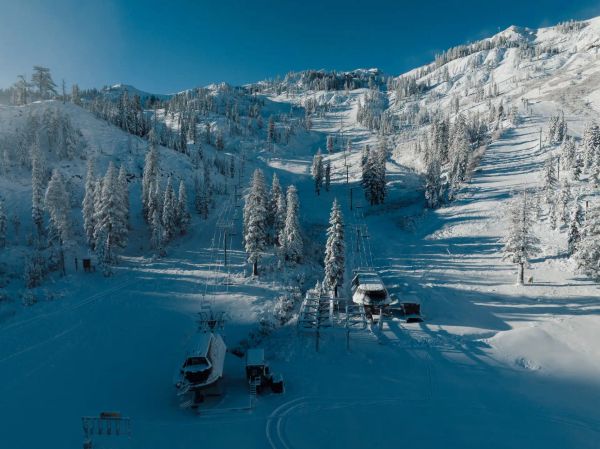
Palisades Tahoe Opens Saturday, Four Days Early, After 26 Inches of New Snow
Palisades Tahoe has pulled its opening forward by four days. Lifts spin this Saturday, 21 November, after 26 inches (66 cm) of new snow, with up to 50 more in the forecast. Opening terrain includes Treeline Cirque at Alpine and Gold Coast and Sunkid 1 at Palisades, though the resort says the weather could change the plan. Tickets are $99 through Tuesday.
18 Nov 2026
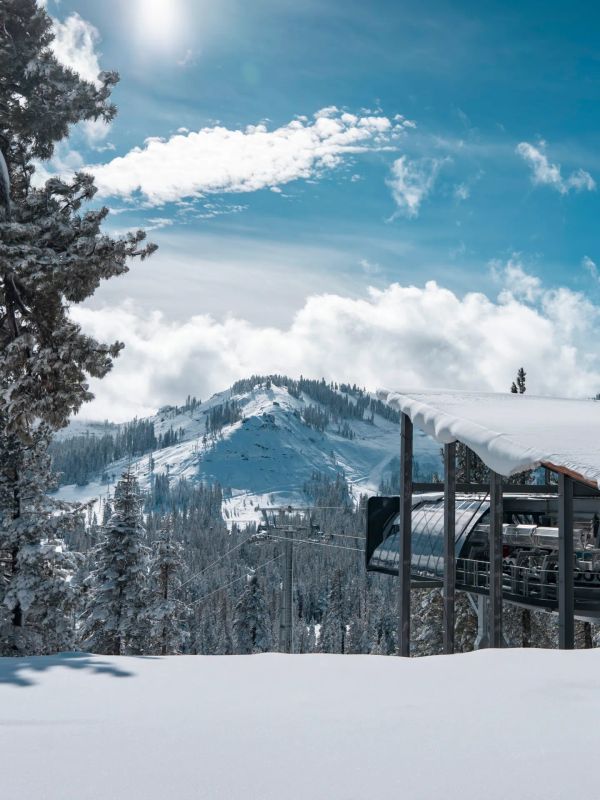
Sugar Bowl Gondola Slips to January 2027 as Opening Day Holds
Sugar Bowl still opens on 27 November, just without its new gondola. The eight-passenger Village Gondola is now targeting January 2027, with all eight towers up, the haul rope on and the first cabin hanging. Until it runs, everyone gets in through the Main Lodge, with curbside drop-off and parking lot shuttles. It replaces the first gondola in the western US, which dates from 1953.
16 Nov 2026
Stubai Glacier Avalanche Ends in Austria’s First Death of the Season
A 72-year-old American skier has died on Stubai Glacier after a small slab avalanche carried him over rocky ground and into a 20-metre crevasse. It is Austria’s first avalanche death of the 2026-27 season, and forecasters had flagged this exact setup two days earlier. Here is what happened near the Daunscharte, and what the snowpack was already telling anyone who was reading it.
15 Nov 2026
Titus Trail Map
Downloadable Titus trail map
Terrain split
50
runs
Beginner34%
Intermediate38%
Advanced22%
Expert6%
200 acres skiable81 hectares
Resort Stats
Elevation
Base823ft
Summit2,024ft
Annual snowfall
91in
Season
2026 - 2027
5 Dec 2026 - 28 Mar 2027
Trail coverage
50 runs
200 acres (81 ha)
About Titus's trail map
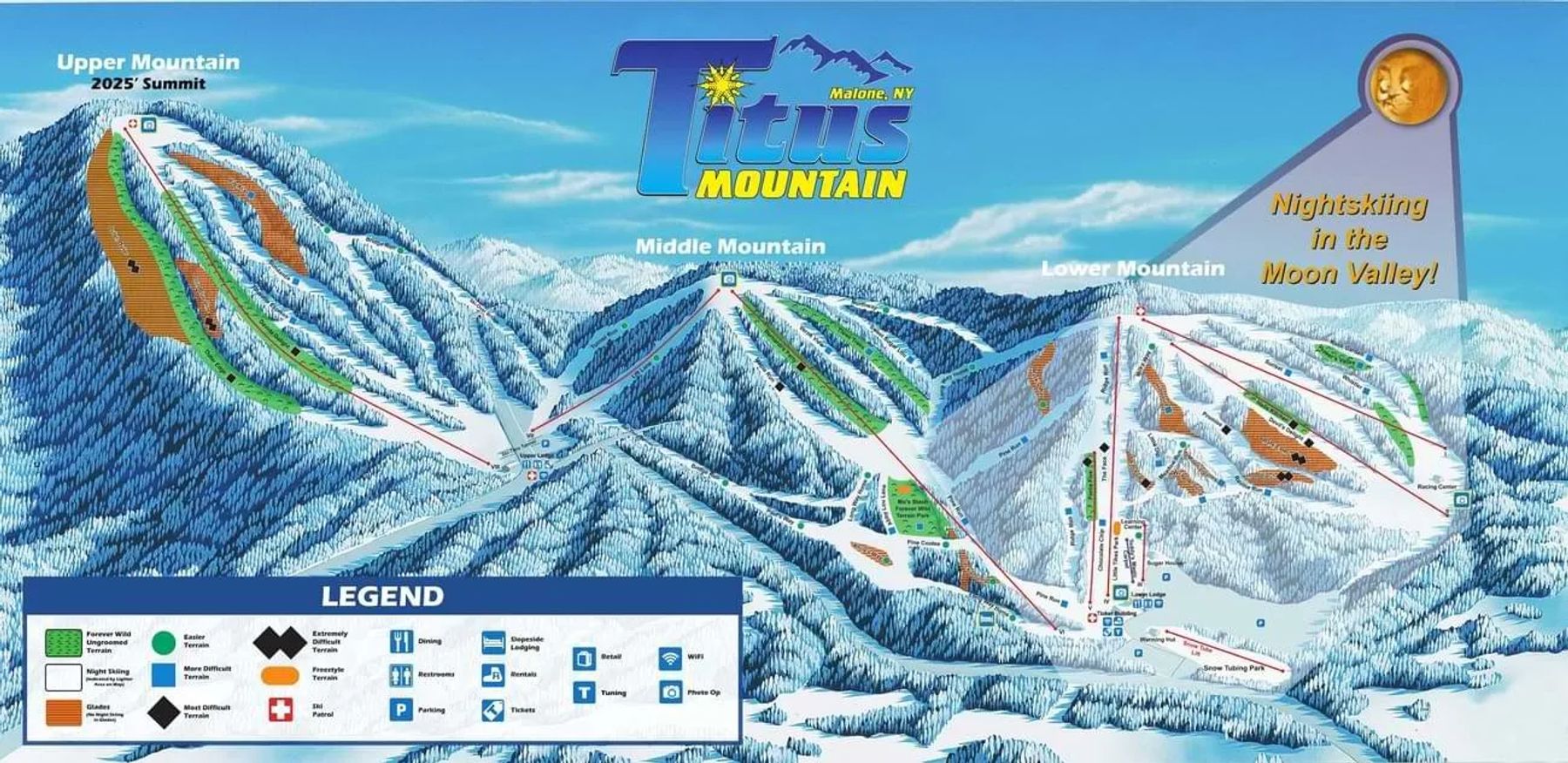
Explore Titus's full trail map with 50 runs across the mountain, colour-coded by difficulty and shown alongside the terrain split. Use it to plan a day that matches your ability, find lift-served pockets of your favourite grade, and see how the resort links together.
More Titus intelligence: snow report, lift system, webcams, resort overview.