
The Overview
Michael Fulton
Melbourne-based skier and snowboarder with 50+ resorts across 5 continents. Specialises in Australian resorts and international resort comparisons.
Beaver Mountain operates across 880 acres in northern Utah's Bear River Mountains with 48 runs spread between 2,204 metres base and 2,700 metres summit, delivering 496 metres vertical drop. The family-owned resort has logged 400 inches of annual snowfall since opening in 1939 and remains the oldest continuously-owned family ski area in the United States. The terrain divides 35 per cent beginner, 40 per cent intermediate and 25 per cent advanced without snowmaking equipment, relying entirely on natural accumulation across predominantly east-facing slopes. Beaver Mountain includes Indy Pass access with two days per season, plus reciprocal benefits through Ski Utah's multi-resort programmes.
The resort offers 48 marked runs with named trails including Harry's Dream, Marge's Triple terrain, Gentle Ben, Cotton Tail and The Stump distributed across fall-line terrain. Beginners access wide groomed runs through the Little Beaver zone whilst intermediates lap blues off the upper chairs and advanced riders find black diamonds on Beaver's Powder, Sour Grapes and North Fields. Two terrain parks cater to freestyle progression and tree skiing remains accessible throughout most zones. The compact layout concentrates all terrain within efficient reach of the six-lift system, eliminating long traverses between zones.
The day lodge houses the grill restaurant, rental shop and ski school with no slopeside accommodation beyond a rentable 30-person yurt for overnight groups. Daily operations run 9:00am to 4:00pm with occasional public night skiing on Little Beaver terrain from 5:00pm to 9:00pm. Weekday visits guarantee minimal crowds whilst weekends attract Cache Valley locals, Utah State University students and Bear Lake visitors. Parking operates first-come basis with early arrival essential during holidays. Cell service remains limited throughout the mountain, reinforcing the area's disconnected atmosphere.
Season passes range from $599 unlimited access to weekday-only and blackout options with military and student discounts available. Adult day tickets cost $48 regular and $58 peak periods whilst children under five ski free. The resort sits 43 kilometres from Logan via US-89 and less than five kilometres from the Idaho border, drawing skiers from southeastern Idaho alongside northern Utah. Beaver Mountain suits families seeking affordable, uncrowded skiing and intermediates wanting mileage without the resort-town scene.
1,627ft
Vertical
48
Runs
880 acres
Skiable
33ft
Annual snow
Indy
Pass
The Terrain
48 runs across 880 acres skiable
Beaver Mountain is a family-owned ski area in Logan Canyon in northern Utah, close to the Idaho border. It spreads across 880 acres (356 hectares) between a 7,230 ft (2,204 m) base and an 8,860 ft (2,700 m) summit, giving 1,630 ft (496 m) of vertical. The 48 runs split 35% beginner, 40% intermediate and 25% advanced, with no expert-rated terrain, so this is a hill for learners and intermediates chasing easy mileage. Natural snow does the work here, averaging roughly 400 inches a year, and the small lift system keeps things relaxed.
Little Beaver is the lift behind the occasional public night skiing, which runs from 5pm to 9pm on selected evenings. Named trails include Harry's Dream, Marge's, Cotton Tail, Gentle Ben, Beaver's Powder, Sour Grapes and North Fields, spread across a compact network of runs. Daily operations run from 9am to 4pm, and the mountain has stayed in the same family since it opened in 1939, which gives it a relaxed, old-school feel. Beaver Mountain suits families, budget-minded visitors and intermediates who want easy cruising rather than extreme steeps, with reliable natural snow keeping the whole hill fun through the winter.
Terrain split
48
runs
48 runs across 4 grades
Beginner17 runs · 35%
Intermediate19 runs · 40%
Advanced12 runs · 25%
Expert0 runs · 0%
Time it right
When to visit Beaver Mountain
Beaver Mountain opened 20 December 2025 and closes 29 March 2026 for the current season, typically operating early December through late March each year. The resort opens several weeks later than most Utah areas due to complete reliance on natural snowfall without snowmaking capability. East-facing slope orientation receives somewhat less accumulation than west-facing Wasatch resorts, though 400 inches annual average delivers reliable coverage. Base depths reached 157 centimetres mid-season 2025-26 with 234 centimetres total seasonal accumulation recorded.
Snowfall character consists of dry, fluffy powder benefiting from northern Utah weather patterns near the Idaho border, creating different conditions than Wasatch Front resorts 110 miles south. The 2,438-metre measurement elevation near the top of Beaver's Face lift provides accurate snow reporting for skiers planning trips. Natural accumulation allows powder stashes to linger days after storms in less-trafficked tree zones and north-facing aspects. Temperatures drop significantly compared to Logan Canyon's base, with recorded differences of 25 degrees Fahrenheit between town and mountain elevations during winter nights.
January and February deliver peak powder months with consistent storm cycles, whilst December conditions depend on early-season accumulation patterns. March transitions to spring skiing with longer daylight and warmer temperatures producing excellent corn snow conditions on sunny mornings. Weekday visits from January through mid-March offer the best combination of fresh snow and empty slopes, avoiding weekend crowds from Logan, Cache Valley and Bear Lake communities. The resort's northern exposure provides ideal morning sun whilst preserving powder in shaded zones throughout the day.
The season-ending Big Air contest features jumps and pond-skimming events popular with participants and spectators, traditionally scheduled for closing day. Night skiing operates primarily as private events with a few public nights throughout the season from 5:00pm to 9:00pm. The Snoopy Carnival runs each March with snow maze, ski race and family festivities celebrating the season. No major concert series or regular events calendar exists beyond these traditional programmes, maintaining the resort's low-key, family-focused atmosphere throughout the operating season.
Season 2026 - 2027
26 Dec 2026
Opens
28 Mar 2027
Closes
92
Days open
33 ft
Annual snow
Getting there
Getting to Beaver Mountain, and where to stay
Beaver Mountain sits near the summit of Logan Canyon at 2,204 metres base elevation in the Bear River Mountains of northern Utah, less than three miles south of the Idaho border. The ski area occupies east-facing slopes west of Bear Lake and approximately six miles west of the lake itself in the northeastern corner of the state. Cache Valley spreads below the mountain to the west with the Bear Lake region extending east into Idaho. Garden City, Utah serves as the closest town 15 miles east along US-89, whilst Logan anchors the region 27 miles west.
Logan, home to Utah State University and 50,000 valley residents, provides the primary lodging base with hotels, restaurants, gear shops and services supporting mountain visitors. The city sits 30 miles or 35 minutes from the resort under favourable conditions, functioning as the main hub for overnight accommodation. Garden City offers limited lodging near Bear Lake's turquoise shoreline 13 miles east of the mountain, convenient for visitors combining skiing with lake activities. Salt Lake City lies 110 miles south with no direct lodging immediately adjacent to the ski area beyond the reservable yurt.
US Highway 89, designated the Logan Canyon National Scenic Byway, provides the sole access route running through limestone cliffs alongside the Logan River from Logan city through to Garden City and the Idaho border. The resort turnoff sits just one mile from the highway, 43 kilometres northeast of Logan. Winter driving requires appropriate traction devices or tyres when UDOT implements mandatory Traction Law during heavy snowfall. Road conditions remain well-maintained throughout the season though the winding canyon drive climbs steadily from valley floor to high-elevation turnoff.
Salt Lake City International Airport sits 116 miles or approximately two hours drive south via Interstate 15 and US-89, serving as the primary air gateway for visitors. Ogden-Hinckley Airport operates 77 miles distant, roughly 90 minutes from the resort for regional connections. No commercial shuttle services run between airports and the mountain, requiring rental vehicles for independent access. The scenic byway route from Salt Lake continues north through Logan before ascending the canyon, passing Hardware Ranch and numerous pullouts showcasing the limestone formations defining the region's geography.
Where to stay
Search all stays →Hotels and lodges near Beaver Mountain, powered by Stay22.
Latest News
From the SnowStash desk

Zermatt Plans World Cup Downhill Return on the Gornergrat for 2028
Zermatt is having another crack at a World Cup downhill, and this time nobody has to cross a border. Around 13 million Swiss francs is going into rebuilding the Gornergrat piste, including a jump fed by a roughly 300-metre in-run across the roof of the Gornergrat Railway gallery, with the Matterhorn lined up behind it for the TV cameras. First men’s race is pencilled in for March 2028, pending FIS homologation.
14 Oct 2026

Mt. Rose Begins Snowmaking for the 2026-27 Season at Lake Tahoe
Lake Tahoe’s highest base elevation is paying off early: Mt. Rose has started making snow for 2026-27 after the first flurries and a cold snap. The Nevada resort is backing it with nearly US$2 million in upgrades, including a replacement snowmaking main line, a new PistenBully groomer and restraint bars on every lift. Opening day is yet to be confirmed, though Heavenly and Northstar are already eyeing 20 November.
13 Oct 2026

Utah Ski Resorts 2026-27: What’s New at Alta, Deer Valley, Powder Mountain and More
Utah is still building flat out. For 2026-27, Powder Mountain opens a steep new Skytrac chair into more than 1,000 acres of advanced terrain, Deer Valley adds 200 acres on Hail Peak, Sundance gets a new quad and Park City adds a gondola from its new parking structure. Snowmaking is expanding almost everywhere, Eagle Point stays closed after the Cottonwood Fire, and the 2034 Games are setting the pace. Here’s what’s new, resort by resort.
13 Oct 2026

Mt Hutt Invests NZ$12 Million in Base Area, Tripling Its Sun Deck
Mt Hutt is getting busier, and its base lodge is about to catch up. NZ$12 million goes into a heated sun deck roughly three times the current size (430 m² to 1,300 m²), plus a new toilet block, heated steps down to snow level, extra storage and a new food and beverage outlet. Building starts after the 2026 season, with everything due for winter 2027.
11 Oct 2026

Vermont Ski Resort Opening Dates 2026-27: Few Dates Set, Killington Waits on the Cold
Vermont's season is slow to take shape. Stratton is tentatively targeting 18 November and Sugarbush 21 November, while Pico has Friday 11 December on the calendar. Killington never sets a date and opens when the snowmaking allows, and Vail Resorts has yet to name days for Stowe, Okemo and Mount Snow. The forecasts disagree about snow, and the main El Niño worry for the Green Mountains is warmth.
9 Oct 2026
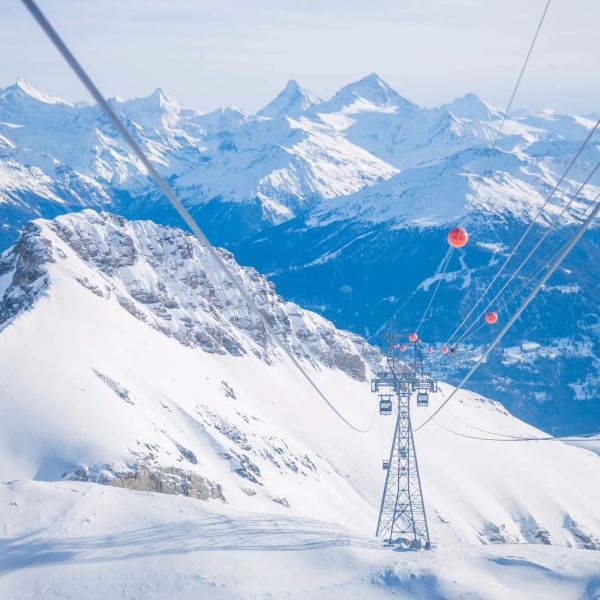
Crans-Montana 2027 World Championships President Resigns Ahead of Fraud Hearing
Less than four months out from the Crans-Montana 2027 World Championships, the man running the organising committee has stepped down. Claude-Alain Schmidhalter resigned as Swiss-Ski vice president and OC president after being indicted over a business dispute unrelated to skiing. He denies the allegations and faces court on October 27. Interim leaders are in place for the February 1-14 event.
9 Oct 2026
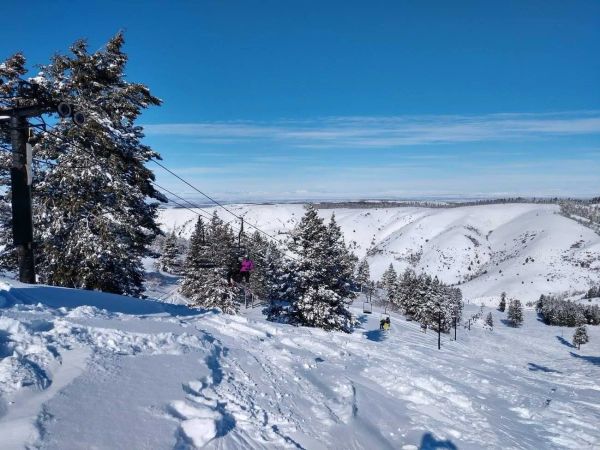
Kelly Canyon, Idaho, Adds Snowmaking, a Bigger Terrain Park and More Parking for 2026-27
Kelly Canyon had a rough 2025-26, and the Idaho resort has spent the summer making sure it doesn’t repeat. Snowmaking now reaches the top of Goldrush, the terrain park is doubling in size with a stereo system, lights and a snack shack, and the car park is getting bigger. Grooming is stepping up too. Target opening is December 4, conditions permitting.
9 Oct 2026
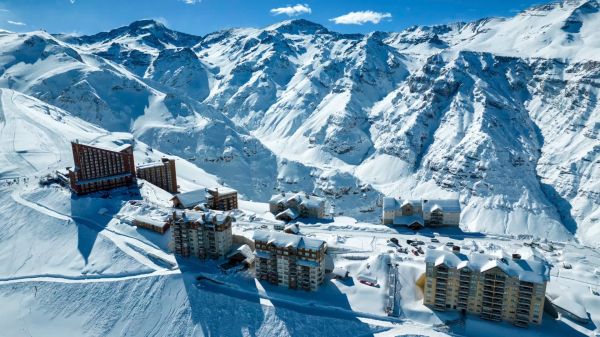
Valle Nevado Extends Season to November 8 After 108 cm in 48 Hours
Winter was meant to be winding down in Chile. Then Valle Nevado took 108 cm in 48 hours in early October, and the resort has pushed its closing date out to November 8 - its latest in 38 years of operation. That makes 143 days of skiing since opening day on June 19, with 690 cm banked for the season. Only part of the mountain is running while the storm settles, so check the mountain report before you plan a trip.
9 Oct 2026
Beaver Mountain Snow Report
Snow Report
Updated 13 Oct 2026
8,858ft
summit
+0in
new snow · last 24 hours
Partly Cloudy32°F / 42°F · W 9mph
Snowfall
24 hours
0in
48 hours
0in
7 days
0in
Base depth
0in
Season total
0in
Total lifts6
Live open status isn’t available right now.
26 Dec 2026 - 28 Mar 2027
Hour by Hour
Next 46 hours· Updated Oct 13, 2026 at 6:02 PM
Scroll for the full outlook · Open-Meteo
7-Day Outlook
8,858 ftUpdated Oct 13, 2026 at 6:02 PMOpen-Meteo
Days 1–7
0.0"
Days 8–14
5.7"
Tue, Oct 13
Drizzle
Temp42° / 32°°F
Snow0.0"(45%)
Wind9 mph W
Live snow from the resort feed; forecast from Open-Meteo, via Supabase.
Understanding the Beaver Mountain snow report
Beaver Mountain snow conditions, updated regularly: current snowfall, snow depth, temperatures, and the outlook for this Utah resort on the Indy.
Snow measurements
Base depth, summit depth, and recent snowfall are the core numbers to watch. At Beaver Mountain, summit conditions (2700m) can differ noticeably from the base, so we break both out separately rather than showing a single average.
Weather conditions
Current weather conditions affect snow quality. Cold temperatures with low wind typically preserve snow quality, while warm temperatures or rain can impact conditions negatively — something worth watching closely at Beaver Mountain's 2204m base elevation, where temperatures run milder than the summit.
Data sources
We pull Beaver Mountain's conditions from on-the-ground mountain reporting, then layer in forecast data so you get a fuller picture than either source alone. The mountain is served by 6 lifts in total.
When to check
Conditions can change overnight, so mornings and late afternoons are the best times to check back on Beaver Mountain.