
The Overview
Michael Fulton
Melbourne-based skier and snowboarder with 50+ resorts across 5 continents. Specialises in Australian resorts and international resort comparisons.
Eagle Point operates 650 acres of skiable terrain across 40 named runs, with a base elevation of 2,774 metres and summit at 3,231 metres, delivering 457 metres of vertical drop in Utah's Tushar Mountains. The resort averages 350 to 400 inches of annual snowfall depending on conditions, with a high base elevation that preserves snow quality throughout winter. Children aged 12 and under ski free, and the resort is included as a two-day partner on the Indy Pass with no blackout dates.
Terrain divides cleanly into two zones connected by a mid-mountain tunnel under Highway 153: the Skyline side hosts 20 per cent beginner and 35 per cent intermediate trails, whilst the Canyonside sector delivers 45 per cent advanced terrain with steep, north-facing powder-filled glades. Named runs include Big Horn and Belknap Bowl for beginners, whilst advanced skiers seek out Donner's Descent, Missing Linc and Miles' Meteor. The terrain park sits near the Monarch Triple Chair, and five backcountry access gates open to adjacent Fishlake National Forest terrain.
The independently owned resort maintains a deliberately uncrowded atmosphere with minimal lift queues and a local, family-oriented vibe. Two distinct base lodges serve the mountain: Skyline Lodge anchors beginner terrain with a cafeteria, rental shop and ski school, whilst the 1,115-square-metre Canyonside Lodge offers sit-down dining, a full bar and access to advanced runs. Most of the resort's 120 condos and cabins provide ski-in ski-out access, creating a compact village atmosphere without high-rise development.
Eagle Point operates a Friday-to-Monday schedule for most of the season, closing Tuesday through Thursday to allow midweek snowfall to accumulate untouched, resulting in the resort's signature Powder Fridays. The 2025-26 season runs daily from 20 December through 4 January, then reverts to weekend operations through mid-March. Adult daily tickets range from 89 to 109 US dollars, season passes start at 799 dollars, and the resort suits families, budget-conscious skiers and anyone seeking an alternative to crowded Wasatch Front destinations.
1,499ft
Vertical
40
Runs
650 acres
Skiable
29ft
Annual snow
Indy
Pass
The Terrain
40 runs across 650 acres skiable
Eagle Point is a small ski area in the Tushar Mountains of south-central Utah, reached by a 17-mile drive up Route 153 from the town of Beaver. Its 650 acres (263 hectares) and 40 runs sit between a 9,100 ft (2,774 m) base and a 10,600 ft (3,231 m) summit, a vertical of 1,500 ft (457 m). The mix is 20% beginner, 35% intermediate and 45% advanced, with no expert-rated runs, which makes it steeper than its size suggests. Five lifts, from quads and triples to doubles and surface lifts, serve the hill, and the mountain divides into two main zones, Skyline and Lookout.
Skyline carries the gentler terrain, with wide groomers and mellow trails such as Monarch and Aspen suiting beginners and intermediates. Lookout is the steeper side, where Upper Lookout is one of the advanced trails, while Big Horn gives intermediates a consistent pitch and scenic views. Two lodges anchor the bases: Canyonside Lodge has a restaurant, bar and general store, and Skyline Lodge holds rentals, the snowsports school and a cafeteria. Eagle Point suits families, budget skiers and anyone wanting a smaller alternative to the Wasatch Front, though the scale means a good day rather than a week of new terrain, and it pays to check operating dates before travelling.
Terrain split
40
runs
40 runs across 4 grades
Beginner8 runs · 20%
Intermediate14 runs · 35%
Advanced18 runs · 45%
Expert0 runs · 0%
Time it right
When to visit Eagle Point
The 2025-26 season opened on 20 December 2025 and was scheduled to close on 15 March 2026, though final dates vary based on conditions. Eagle Point operates daily during the Christmas and New Year period through 4 January, then shifts to Friday-Monday operations through late February, and Friday-Sunday operations for the final season weeks. This unique schedule allows powder to accumulate during closed weekdays, creating the resort's signature Powder Fridays when fresh tracks remain available well into the afternoon.
Annual snowfall averages vary by source, with the resort advertising 350-plus inches whilst independent trackers report 190 to 198 inches. The high base elevation of 2,774 metres and south-central Utah location deliver cold, dry snow quality even when accumulation totals lag behind northern Utah resorts. Snowmaking covers key runs on the Skyline side, allowing the beginner and intermediate terrain to open reliably by mid-December, whilst advanced runs off the Lookout Quad can require several weeks to fill in and typically reach full operation by mid-January.
January through February represents prime season for consistent snow conditions and cold temperatures, whilst March brings spring softening and longer daylight hours. The Friday-Monday operating schedule concentrates crowds into four-day windows, though the resort maintains a noticeably uncrowded feel compared to Wasatch destinations. The 2025-26 season saw below-average snowfall, receiving only 113 inches before closing early on 15 March due to warm weather and deteriorating conditions.
Weekend programming includes live music and DJ performances at Canyonside Lodge, and the resort hosts Powder Friday events when significant midweek storms deliver fresh snow. The resort does not offer night skiing, with final chair loading at 4:30 pm on Fridays and Mondays and 9:30 am openings on Saturdays, Sundays and designated Powder Fridays. Summer operations from June through September offer mountain biking, hiking, disc golf and special events including the Crusher in the Tushar bike race.
Season 2026 - 2027
18 Dec 2026
Opens
21 Mar 2027
Closes
93
Days open
29 ft
Annual snow
Getting there
Getting to Eagle Point, and where to stay
Eagle Point sits 18 miles east of Beaver, Utah, in the Tushar Mountains, the third-highest range in Utah, surrounded by Fishlake National Forest at a base elevation of 2,774 metres. The resort occupies a remote position in south-central Utah, equidistant from Las Vegas and Salt Lake City at approximately 3.5 hours' drive from each. Highway 153, known as the Beaver Canyon Scenic Byway, climbs 914 metres over 29 kilometres from downtown Beaver to the resort, winding through aspen and conifer forests.
The town of Beaver, population 3,000, serves as the primary supply point 30 minutes downhill, offering grocery stores, fuel stations, budget hotels and dining including The Creamery, known for locally sourced dairy products and ice cream. St George lies two hours southwest, Cedar City sits 87 kilometres south, and Brian Head Resort is located 74 kilometres away. The resort's isolated location delivers proximity to Zion National Park (2.5 hours to Springdale entrance), Bryce Canyon and other southern Utah attractions, making it a viable base for combining skiing with national park touring.
Interstate 15 provides the primary north-south corridor, with exit 109 or 112 at Beaver leading directly to Highway 153. From Salt Lake City, the drive follows I-15 south for 320 kilometres, then climbs Highway 153 for 29 kilometres. From Las Vegas, drivers take I-15 north through Mesquite and St George, totalling approximately four hours. Southern California and Phoenix visitors can reach the resort in six to eight hours via I-15.
Cedar City Regional Airport sits 87 kilometres southwest of Beaver, offering the nearest commercial flights with limited Delta service. Salt Lake City International Airport, 370 kilometres north, provides the primary air gateway with comprehensive domestic connections. St George Municipal Airport lies 157 kilometres south. St George Shuttle operates daily service from Las Vegas airport to Beaver, and Tucker High Adventure Tours runs 4x4 shuttles from Beaver to the resort for 15 to 20 US dollars, though most visitors require personal vehicles due to limited public transport options.
Where to stay
Search all stays →Hotels and lodges near Eagle Point, powered by Stay22.
Latest News
From the SnowStash desk

Vermont Ski Resort Opening Dates 2026-27: Few Dates Set, Killington Waits on the Cold
Vermont's season is slow to take shape. Stratton is tentatively targeting 18 November and Sugarbush 21 November, while Pico has Friday 11 December on the calendar. Killington never sets a date and opens when the snowmaking allows, and Vail Resorts has yet to name days for Stowe, Okemo and Mount Snow. The forecasts disagree about snow, and the main El Niño worry for the Green Mountains is warmth.
9 Oct 2026
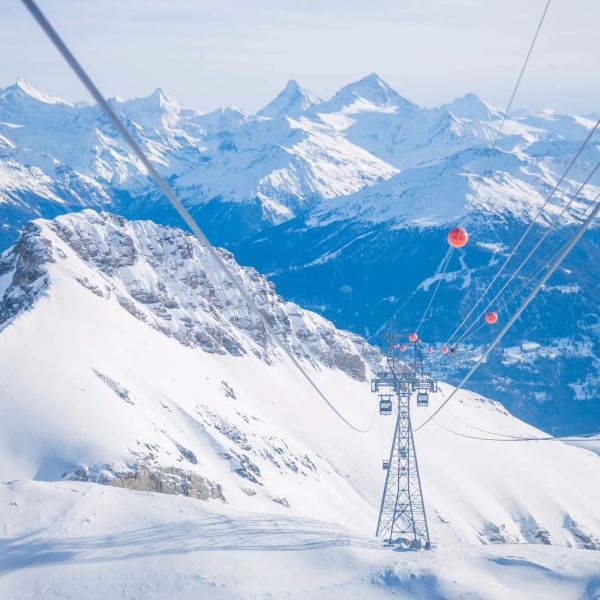
Crans-Montana 2027 World Championships President Resigns Ahead of Fraud Hearing
Less than four months out from the Crans-Montana 2027 World Championships, the man running the organising committee has stepped down. Claude-Alain Schmidhalter resigned as Swiss-Ski vice president and OC president after being indicted over a business dispute unrelated to skiing. He denies the allegations and faces court on October 27. Interim leaders are in place for the February 1-14 event.
9 Oct 2026

Kelly Canyon, Idaho, Adds Snowmaking, a Bigger Terrain Park and More Parking for 2026-27
Kelly Canyon had a rough 2025-26, and the Idaho resort has spent the summer making sure it doesn’t repeat. Snowmaking now reaches the top of Goldrush, the terrain park is doubling in size with a stereo system, lights and a snack shack, and the car park is getting bigger. Grooming is stepping up too. Target opening is December 4, conditions permitting.
9 Oct 2026
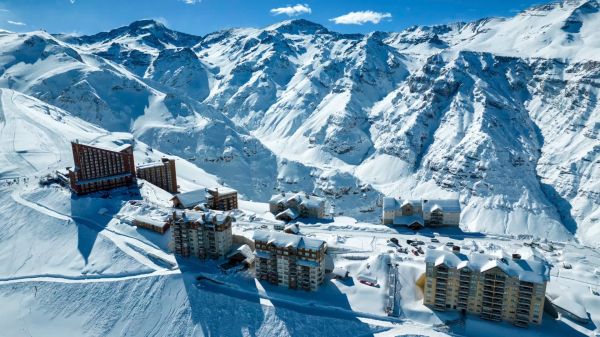
Valle Nevado Extends Season to November 8 After 108 cm in 48 Hours
Winter was meant to be winding down in Chile. Then Valle Nevado took 108 cm in 48 hours in early October, and the resort has pushed its closing date out to November 8 - its latest in 38 years of operation. That makes 143 days of skiing since opening day on June 19, with 690 cm banked for the season. Only part of the mountain is running while the storm settles, so check the mountain report before you plan a trip.
9 Oct 2026
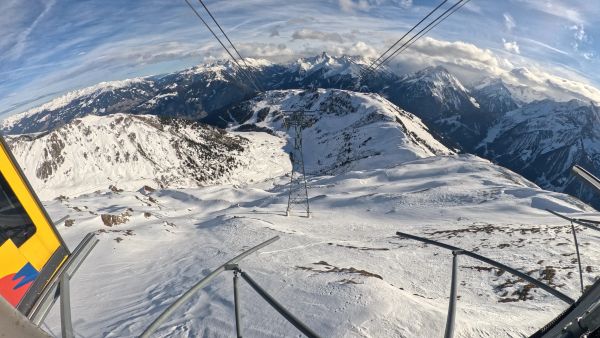
Alps Snow Forecast: Cold Front Brings Thursday Snow to the High Alps
The Alps look a lot more like winter today, for a day or so. A cold front is moving west to east, dropping up to 35 cm on high glaciers and peaks, with snow levels falling to around 1,500-1,800 m at times. Don’t plan a trip around it: mid-elevation snow will be thin and wet, every area is closed bar a limited Sölden glacier opening tomorrow, and warmer weather returns by Monday.
8 Oct 2026
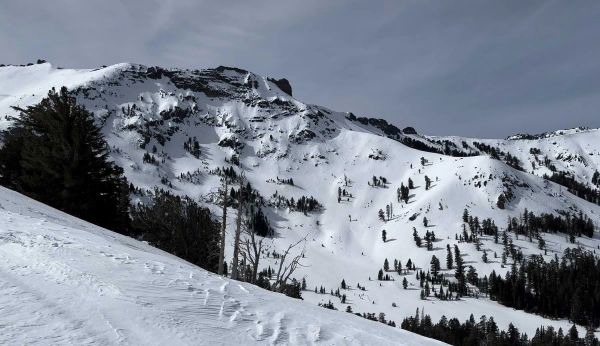
California Ski Resort Opening Dates 2026-27: Mammoth Leads, Tahoe Follows
Mammoth Mountain is first up in California, targeting Friday 13 November after a dusting of September snow. Heavenly and Northstar follow on 20 November, Palisades Tahoe on Wednesday 25 November and Sugar Bowl on 27 November, with Kirkwood on 4 December and June Mountain on 19 December. Plenty of smaller areas have no date yet. A super El Niño favours the Sierra, but a warmer storm track is the catch.
7 Oct 2026
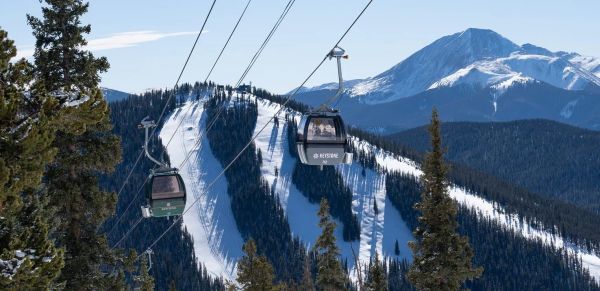
Colorado Ski Resort Opening Dates 2026-27: A-Basin and Keystone Race to Be First
Arapahoe Basin, Keystone and Winter Park are all chasing an October start, though none has a firm date yet. The first dated openers are Breckenridge and Copper on Friday 6 November, then Vail on 13 November, with most of the rest bunched around US Thanksgiving. Hesperus did not open at all last season. A super El Niño offers hope but no guarantee, and forecasters say the southern mountains have the better odds.
5 Oct 2026
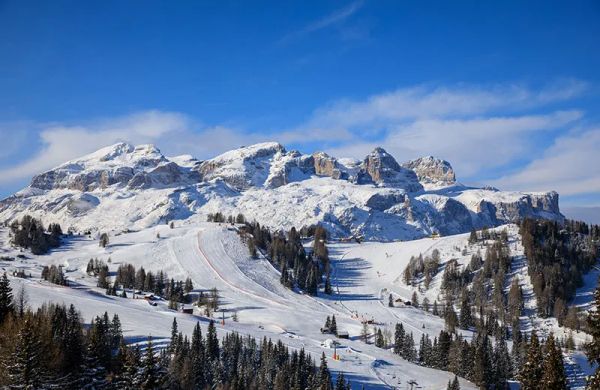
Dolomiti Superski 2026-27: Four New Gondolas, New Reservoirs and an €89 Peak Day Pass
Dolomiti Superski is spending around €100 million across its 12 areas before winter. Kronplatz gets a new 10-passenger gondola with a middle station, 3 Zinnen gets Helmissimo, and Val di Fassa swaps a chairlift for a gondola above Col Valvacin. New water-storage basins and upgraded snowmaking follow, and construction has started on the San Martino to Passo Rolle link. A peak adult day pass is €89.
4 Oct 2026