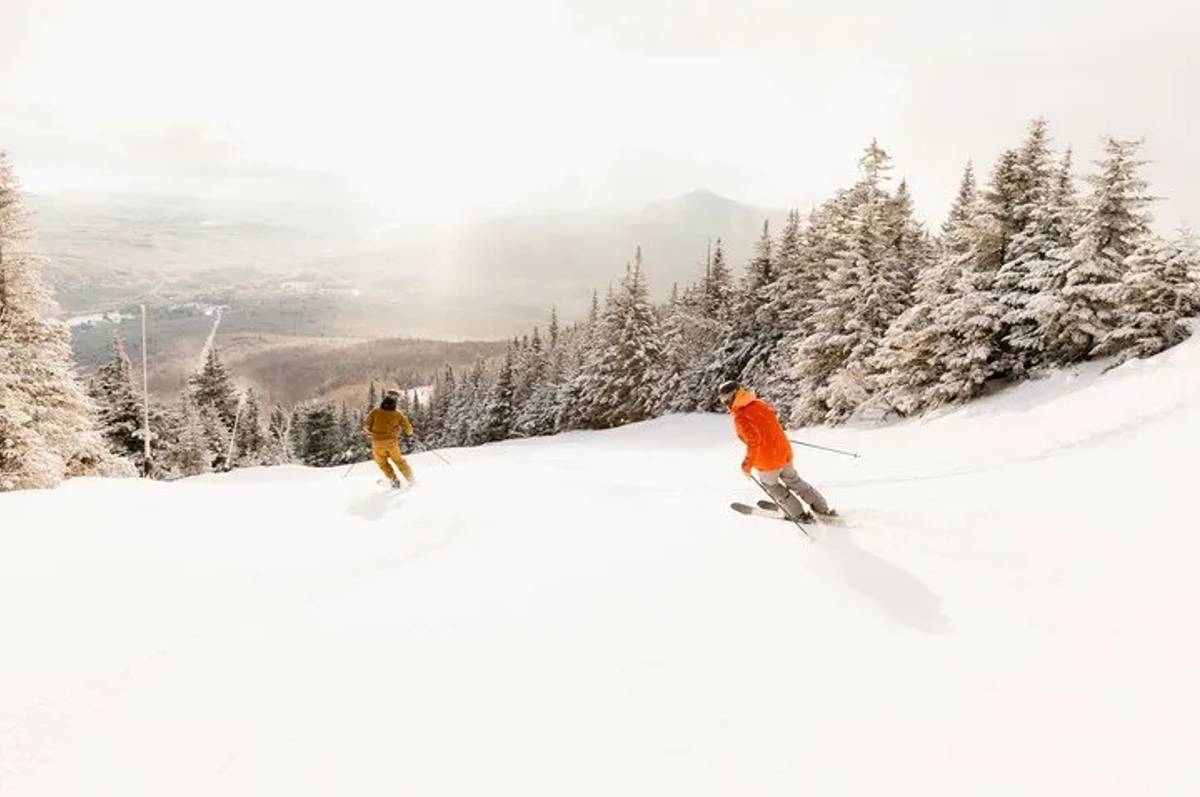
Stowe
485 acres, 116 runs on Mount Mansfield. Vermont's storied Ski Capital of the East, Epic Pass access.
Season 2026 - 2027
Opens
20 Nov 2026
Closes
25 Apr 2027
Days open
156
Annual snow
315in
The Overview
Michael Fulton
Melbourne-based skier and snowboarder with 50+ resorts across 5 continents. Specialises in Australian resorts and international resort comparisons.
Stowe's summit reaches 3,625 feet, dropping 2,360 vertical feet to a base at 1,266 feet across 116 runs spread over 485 acres on Mount Mansfield, Vermont's highest peak. Terrain splits 55 per cent intermediate, 16 per cent beginner, 15 per cent advanced and 14 per cent expert, with average annual snowfall of roughly 315 inches. The resort carries Epic Pass affiliation. Twelve lifts, including two gondolas and four quad chairs, serve the mountain alongside two double chairs, two triple chairs and two surface lifts.
Stowe has long carried the informal title 'Ski Capital of the East,' a reputation built over nine decades on Vermont's highest and most storied mountain. The resort's combination of legendary terrain, a charming New England village and considerable skiing heritage has made it one of the most recognised ski destinations in the eastern United States.
The Civilian Conservation Corps cut the first trails on Mount Mansfield in 1933, and the Stowe Ski Club, founded in 1932, saw Roland Palmedo, founder of the New York Amateur Ski Club and later founder of Mad River Glen, formulate early plans to develop the mountain. Stowe became the first ski area in Vermont to install a single chairlift, built by the American Steel & Wire Company in 1940, a landmark moment in the resort's development.
Insurance magnate Cornelius Vander Starr, founder of the American International Group, took ownership of the Mount Mansfield Company in 1949 and played a central role in consolidating the mountain's ski operations. AIG became the resort's primary owner in 1988, retaining control until selling the ski-related operations and facilities to Vail Resorts on 21 February 2017, while AIG and the Mount Mansfield Company kept the Stowe Mountain Lodge, Stowe Mountain Club, Stowe Country Club and other real estate holdings. Adult daily tickets run from 169 to 239 US dollars.
2,359ft
Vertical
116
Runs
485 acres
Skiable
315in
Annual snow
Epic
Pass
The Terrain
116 runs across 485 acres skiable
Stowe covers 116 runs on 485 acres (196 hectares) of Mount Mansfield, Vermont's highest peak, from a base at 1,270 ft (386 m) to a summit of 3,630 ft (1,105 m), a vertical of 2,360 ft (719 m). Blue square runs make up 55%, with 16% green circle, 15% black diamond and 14% expert, a notable share of hard terrain for the East. About 315 inches of snow falls in an average winter. Two gondolas, four quads, two triples, two doubles and two surface lifts move skiers around the mountain.
The Front Four of Goat, Starr, National and Liftline define the expert side. These double black trails are steep, narrow and twisty, with natural hazards and little grooming, and they can be reached from the Forerunner Quad or the Lookout Double. Away from them, long blue cruisers fill most of the mountain. Stowe suits confident intermediates and experts who want old-school East Coast challenge, while beginners have a smaller share of runs to work with and should plan for fewer gentle options. Mornings on the Front Four are best saved for when the snow is soft, because they firm up quickly.
Terrain split
116
runs
116 runs across 4 grades
Beginner19 runs · 16%
Intermediate64 runs · 55%
Advanced17 runs · 15%
Expert16 runs · 14%
Time it right
When to visit Stowe
The 2025-26 season at Stowe ran from 28 November 2025 to 26 April 2026, a roughly twenty-one-week season supported by average annual snowfall of around 315 inches, among the highest totals of any Vermont resort. This substantial snowfall reflects Mount Mansfield's status as Vermont's highest peak.
Midwinter, from December through February, typically brings the most consistent conditions to Stowe's varied terrain across the resort's full 2,360-foot vertical drop. As an Epic Pass resort within the Vail Resorts network, Stowe draws substantial visitation from Epic Pass holders alongside visitors specifically seeking its storied reputation and charming village atmosphere.
Stowe's status as the Ski Capital of the East continues to draw a genuinely national and international visitor base throughout the season, supported by the village's extensive lodging, dining and shopping infrastructure developed over decades. School holiday periods bring substantial visitation given the resort's varied terrain and considerable base area amenities.
Specific event programming beyond standard operations is not confirmed in available resort information. Since AIG's February 2017 sale of ski operations to Vail Resorts, Stowe has continued operating as part of the Epic Pass network, building on nine decades of history since alpine skiing first arrived on Mount Mansfield in the early 1930s. The resort's storied reputation remains central to its seasonal identity.
Season 2026 - 2027
20 Nov 2026
Opens
25 Apr 2027
Closes
156
Days open
315 in
Annual snow
The record
Historical snowfall at Stowe
Daily snow reports at Stowe go back to 2025, 2 winters on the books. Open the record to compare winters, lifts and piste.
10 in
Snowiest day
26 Jan 2026
0 in
This winter · 2026-27
so far
221 in
Typical winter
average of complete seasons
Winter totals
in
Past wintersThis winter
Getting there
Getting to Stowe, and where to stay
Stowe sits on Mount Mansfield, Vermont's highest peak, near the town of Stowe, with a base elevation of 1,266 feet and a summit at 3,625 feet across a 2,360-foot vertical drop over 485 acres. This setting places the resort at the centre of one of New England's most storied ski towns.
The village of Stowe offers extensive lodging, dining and shopping, with a genuinely charming New England character developed over nine decades as a premier ski destination. Burlington, Vermont's largest city, lies within a reasonable drive, providing additional visitor amenities and air access.
Vermont State Route 108 provides direct access to the resort from the village of Stowe. Winter driving conditions on this route can include snow and ice, though the well-travelled road is regularly maintained given the resort's status as one of the Northeast's premier ski destinations. There is no direct public transport service to the mountain, though the village offers local transit options.
Burlington International Airport, within a reasonable drive, is the nearest airport with substantial commercial service, making Stowe genuinely accessible for visitors flying into northern Vermont from across the country and internationally.
Where to stay
Search all stays →Hotels and lodges near Stowe, powered by Stay22.
Latest News
From the SnowStash desk
What’s New in Japan Skiing This Winter: Niseko Gondola, a Private Resort and a Bigger Ikon Pass
Niseko Village is replacing a lift from the early 1980s with an eight-person gondola, Tsugaike gets a six-person chairlift, Madarao joins the Ikon Pass and Togari opens Asia’s first private ski resort. Here’s what is actually new in Japan skiing for 2026/27, plus what is still a year or two away.
30 Oct 2026
Wolf Creek Opens on Halloween Weekend as Colorado’s Early Season Gathers Pace
Colorado’s early-season dominoes keep falling. Arapahoe Basin opened on Wednesday, Keystone follows on Friday, and now Wolf Creek is joining in on Saturday 31 October, just in time for Halloween. A storm on 23 and 24 October left 20 inches of natural snow in the San Juans, and three lifts will turn from 9:00 am, covering about 30% of the mountain. Expect rocks, unmarked obstacles and open water, but also Local Appreciation lift tickets at $73 for adults.
30 Oct 2026
Keystone Resort Opens for 2026/27 With More Than Two Miles of Skiing
Keystone is next. After Arapahoe Basin claimed the first chairlift skiing of the season on Wednesday, Keystone opens on Friday 30 October at 9:00 am with more than two miles of snowmaking-built terrain on Schoolmarm and Silver Spoon, plus free donuts, coffee and a live DJ. Last year the order was reversed, when Keystone squeezed in a three-hour afternoon session to beat A-Basin by a day. Snowmaking has been running since 15 October.
29 Oct 2026
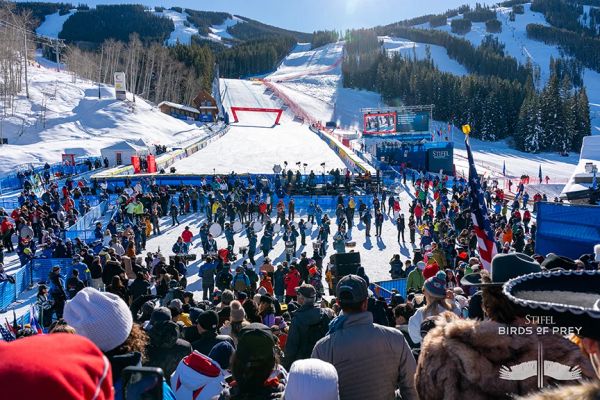
Beaver Creek Installs 16 Automated Snow Guns on Birds of Prey Ahead of Record World Cup
Beaver Creek is getting ready for the biggest Birds of Prey ever, and this time it is not leaving the snow to chance. Crews started making snow on 27 October with 16 newly installed automated guns on the lower third of the course, after last December’s warm spell forced a downhill off the schedule. Seven races across two weekends run from 3 to 13 December, the most the course has hosted since its 1997 debut, and the guns start themselves whenever the weather allows.
29 Oct 2026
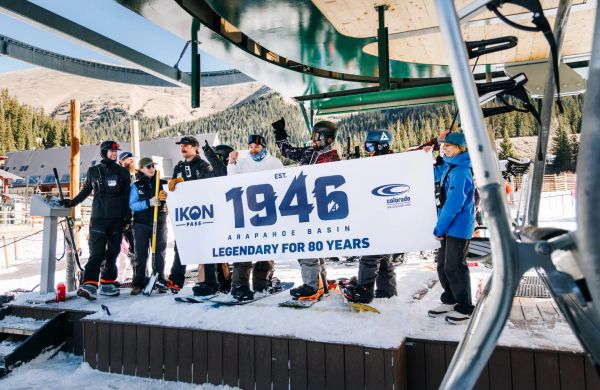
Arapahoe Basin Opens First for North America’s 2026/27 Ski Season
Winter has officially started in North America, and it is one blue run long. On Wednesday 28 October, Arapahoe Basin fired up the Black Mountain Express at around 10:30 am after a surprise announcement just hours earlier, becoming the first major North American resort open for 2026/27. Cold nights, a dusting of natural snow and a lot of snowmaking made it happen in the resort’s 80th winter. More terrain is promised as the snow guns keep running.
28 Oct 2026
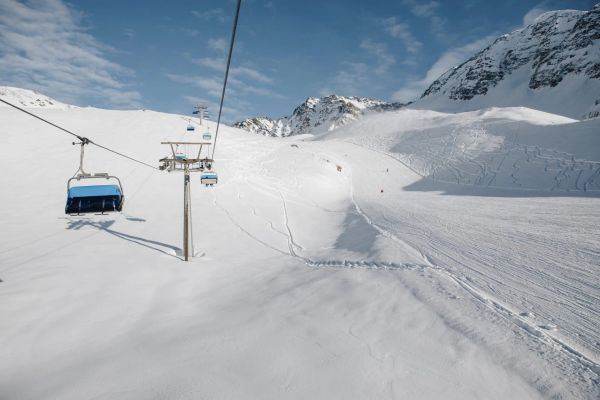
Sulden am Ortler Pushes Its Season Start Back a Week to 7 November
Sulden am Ortler has called off its 31 October opening. The South Tyrol ski area has pushed its 2026/27 start back to Saturday 7 November, citing current weather and snow conditions and saying it will use the extra week to get the slopes in the best possible shape. The season is still scheduled to run through 2 May 2027. Elsewhere in Europe, around a dozen areas are already open, led by Sölden’s 30 kilometres of groomed runs.
28 Oct 2026
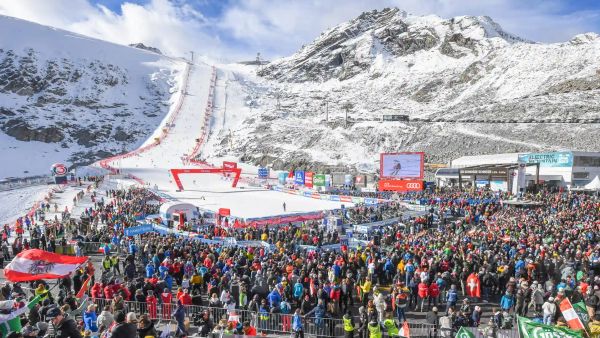
Pinheiro Braathen Wins Sölden Giant Slalom Opener by 0.48 Seconds
Two days at Sölden, two races decided by a hundredth somewhere on the podium, and one very quick Brazilian. Lucas Pinheiro Braathen led from the first run to win the men’s World Cup opener by 0.48 seconds, with Loïc Meillard second and Marco Odermatt third. River Radamus charged from 15th to fourth on a rutted course, and Britain’s Freddy Carrick-Smith banked his first World Cup points. Braathen still hasn’t lost a giant slalom since Olympic gold.
25 Oct 2026
Alps Snow Forecast: Up to 64 cm Headed for the High Glaciers as the Snow Line Drops
The Alps are about to swap mild, sunny October weather for something far more wintry. A cold front arrives Tuesday, and SnowStash forecasts have Monterosa Ski out in front with 64 cm over 14 days, ahead of Blatten Belalp (55 cm) and Verbier (43 cm). The snow line should fall below 2000 metres by Wednesday night, and glaciers across Switzerland, Italy and Austria are in line for the best of it. The wind will have a say too.
20 Oct 2026
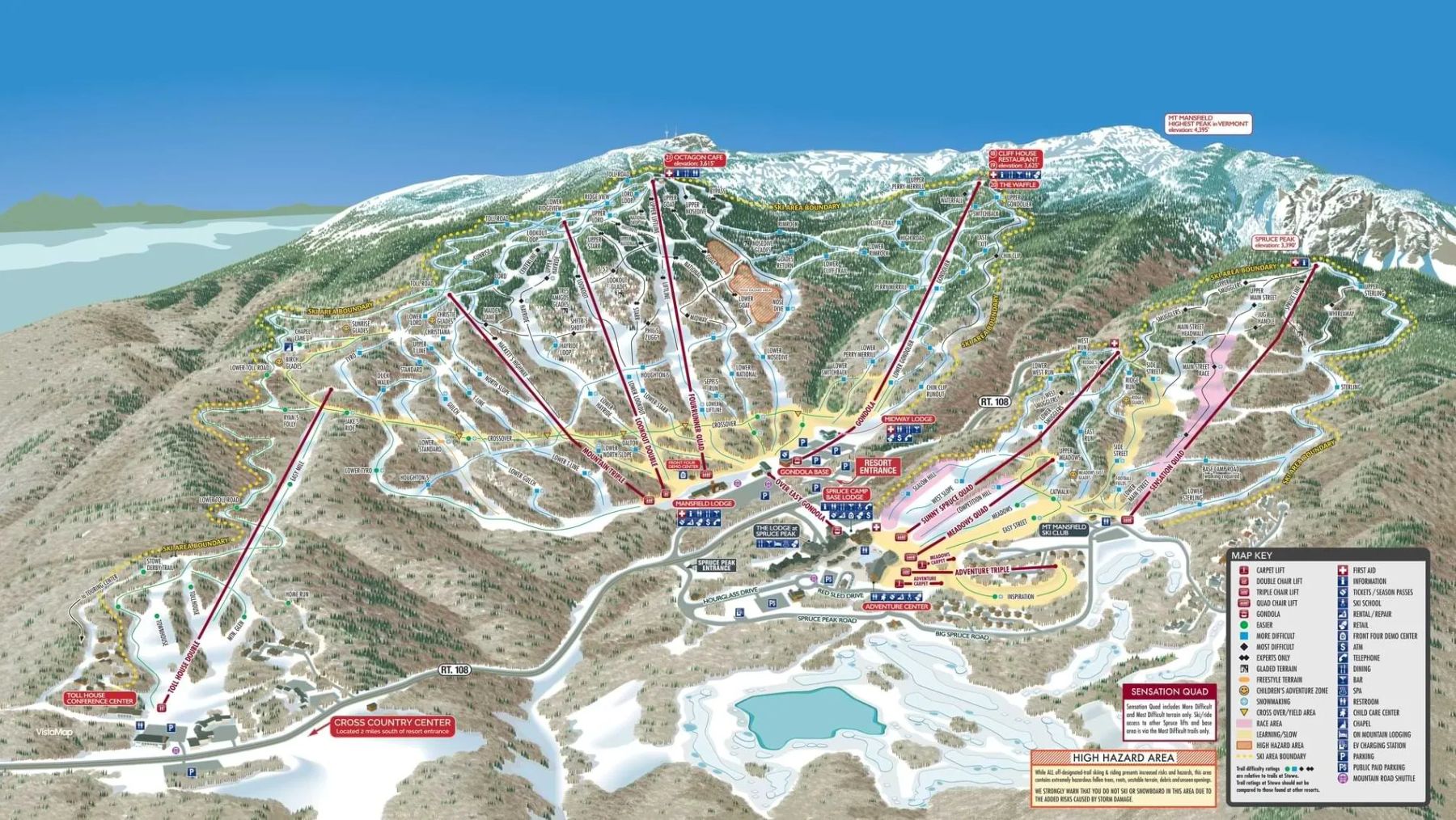
Stowe Trail Map
Downloadable Stowe trail map
Terrain split
116
runs
Beginner16%
Intermediate55%
Advanced15%
Expert14%
485 acres skiable196 hectares
Resort Stats
Elevation
Base1,266ft
Summit3,625ft
Annual snowfall
315in
Season
2026 - 2027
20 Nov 2026 - 25 Apr 2027
Trail coverage
116 runs
485 acres (196 ha)
About Stowe's trail map
Explore Stowe's full trail map with 116 runs across the mountain, colour-coded by difficulty and shown alongside the terrain split. Use it to plan a day that matches your ability, find lift-served pockets of your favourite grade, and see how the resort links together. Download the piste map (PDF) ↗
More Stowe intelligence: snow report, lift system, webcams, resort overview.