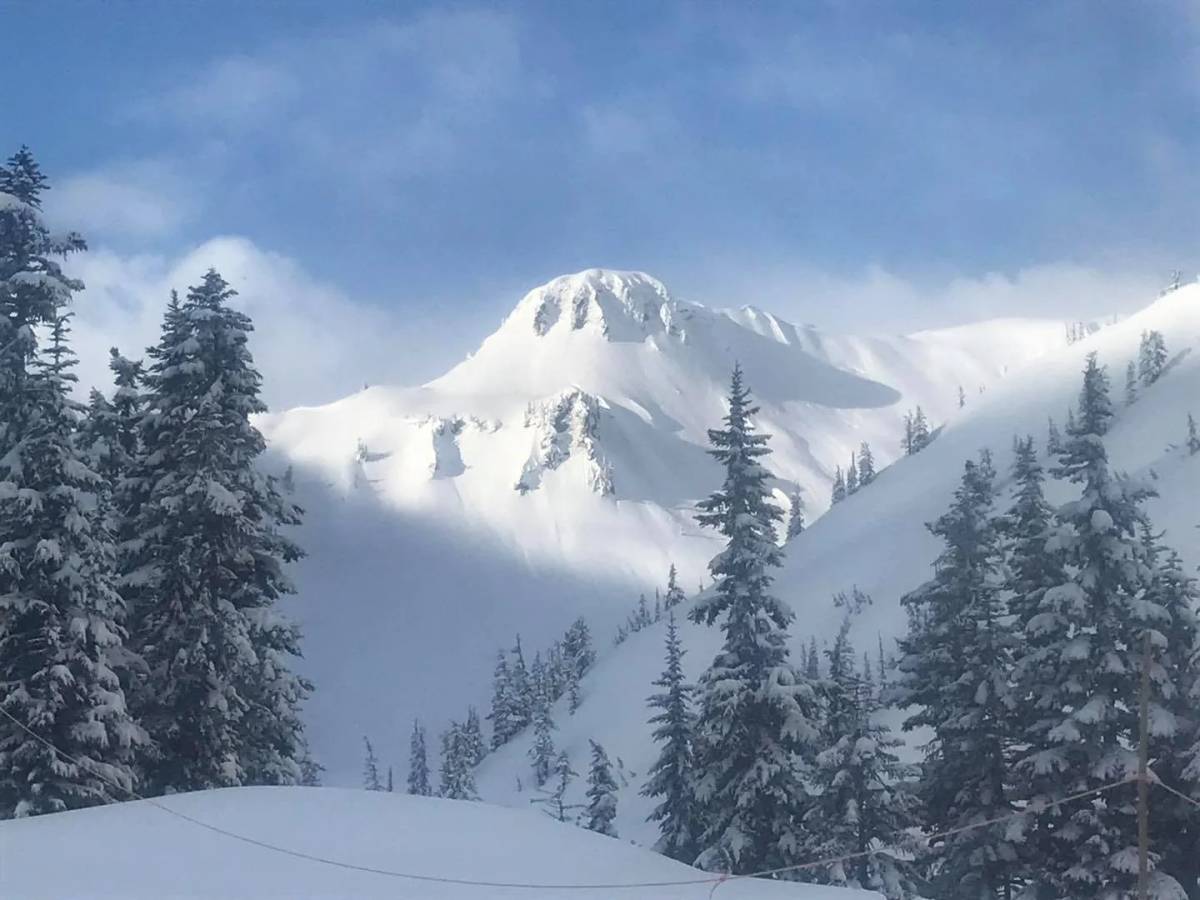
Mt Baker
1,000 acres, 38 runs near the Canadian border. World-record snowfall, legendary backcountry access.
Season 2026 - 2027
Opens
18 Dec 2026
Closes
18 Apr 2027
Days open
121
Annual snow
702in
The Overview
Michael Fulton
Melbourne-based skier and snowboarder with 50+ resorts across 5 continents. Specialises in Australian resorts and international resort comparisons.
Mt Baker's summit reaches 5,000 feet, dropping 1,500 vertical feet to a base at 3,500 feet across 38 runs spread over 1,000 acres in Whatcom County, Washington. Terrain splits 45 per cent intermediate, 24 per cent beginner, 16 per cent expert and 15 per cent advanced, with average annual snowfall of roughly 702 inches, among the highest totals of any ski area in the world. The resort operates independently without major multi-resort pass affiliation.
Mt Baker holds the world record for the most snowfall recorded at a ski area in a single season: 1,140 inches during the 1998-99 winter, verified by NOAA, breaking the previous record of 1,122.5 inches set at Paradise on Mount Rainier in 1971-72. This extraordinary snowfall, combined with extensive backcountry access, has made Mt Baker legendary among powder skiers despite its comparatively modest 1,000-acre footprint. The resort's remote setting near the Canadian border adds to its authentic, unpolished character.
Skiing on the mountain traces to 1921-1926, when the Mt Baker Highway was constructed to Heather Meadows, opening the area to winter recreation. Mount Baker Lodge opened in 1927, and the Mt Baker Ski Club was organised that same year, establishing the foundations of organised skiing on the mountain nearly a century ago.
The resort's location at the end of State Route 542, roughly ten miles south of the 49th parallel and the Canadian border, keeps it relatively remote even by Washington ski area standards. Adult daily tickets run from 69 to 89 US dollars, with a season pass from 899 dollars, reflecting a resort that has deliberately avoided major destination-resort development in favour of preserving its authentic, powder-focused identity.
1,499ft
Vertical
38
Runs
1,000 acres
Skiable
702in
Annual snow
The Terrain
38 runs across 1,000 acres skiable
Mt Baker packs 1,000 acres (405 hectares) of terrain into a compact, lift-served area near the Canadian border, with 38 runs between 3,500 ft (1,067 m) at the base and 5,000 ft (1,524 m) at the top. The vertical is 1,500 ft (457 m), and the mountain is famous for snowfall, averaging about 702 inches a winter. Intermediate runs make up 45% of the terrain, beginner 24%, expert 16% and advanced 15%. Eight quad chairs and two t-bars keep skiers moving through the snow that falls here.
Chair 8 is the longest lift, serving groomers such as Oh Zone and Daytona and opening access to the Hemispheres and Shuksan Arm backcountry. Gabl's, beneath Chair 5, and the Chute are the two double black diamond runs, with Chair 5 also reaching the Elbow backcountry. A midpoint station on Chair 1 gives quick laps on Austin, Pan Face, North Face and Chicken Ridge, and Panorama Dome sits at the top. Backcountry skills matter here, so it suits committed powder skiers more than casual visitors.
Terrain split
38
runs
38 runs across 4 grades
Beginner9 runs · 24%
Intermediate17 runs · 45%
Advanced6 runs · 15%
Expert6 runs · 16%
Time it right
When to visit Mt Baker
The 2025-26 season at Mt Baker ran from 28 November 2025 to 19 April 2026, a roughly twenty-one-week season supported by average annual snowfall of around 702 inches, among the highest totals of any ski area anywhere in the world. This extraordinary snowfall underpins the resort's legendary reputation among powder skiers and supports a long, reliable natural season without significant reliance on snowmaking.
Midwinter, from December through February, typically delivers the deepest and most frequent snowfall, with Mt Baker's 1998-99 world-record season of 1,140 inches standing as the benchmark against which extreme winters are still measured. The resort's remote location near the Canadian border keeps crowds lighter than more accessible Cascade resorts even during peak conditions, drawing dedicated powder skiers willing to make the drive.
As an independently operated resort without major pass affiliation, Mt Baker's visitor base skews heavily toward experienced Pacific Northwest skiers and backcountry enthusiasts rather than destination-pass traffic. School holiday periods bring some increase in visitation, though the resort's terrain and remote setting generally favour more experienced skiers over casual family outings.
Specific event programming beyond standard operations is not confirmed in available resort information. The resort's world-record snowfall history remains central to its identity and continues to draw powder skiers from across the country specifically hoping to experience conditions approaching those of the legendary 1998-99 season. Mt Baker's extensive backcountry access further distinguishes its seasonal character from more conventional Cascade resorts.
Season 2026 - 2027
18 Dec 2026
Opens
18 Apr 2027
Closes
121
Days open
702 in
Annual snow
The record
Historical snowfall at Mt Baker
Daily snow reports at Mt Baker go back to 2025, 3 winters on the books. Open the record to compare winters, lifts and piste.
20 in
Snowiest day
7 Jan 2026
22 in
This winter · 2026-27
so far
352 in
Typical winter
average of complete seasons
Winter totals
in
Past wintersThis winter
Getting there
Getting to Mt Baker, and where to stay
Mt Baker sits in Whatcom County in northwestern Washington, at the end of State Route 542, roughly ten miles south of the 49th parallel and the Canadian border, with a base elevation of 3,500 feet and a summit at 5,000 feet across a 1,500-foot vertical drop over 1,000 acres. This remote setting places the resort well north of Washington's other major ski areas.
The town of Glacier, Washington, offers the nearest lodging and services along the Mt Baker Highway, while Bellingham, a larger regional city, lies further west and provides more extensive amenities. The broader North Cascades landscape surrounding the resort offers additional recreation beyond skiing, with the area's proximity to the Canadian border adding an international dimension to the region's tourism.
State Route 542, the Mt Baker Highway, provides the sole route to the resort from Bellingham and the broader Puget Sound region. Winter driving conditions on this route can be severe given the area's extraordinary snowfall, and chains or traction tyres are frequently required during storms. There is no direct public transport service to the resort.
Bellingham International Airport is the nearest airport with commercial service, though most visitors fly into Seattle-Tacoma International Airport and make the roughly two-and-a-half-hour drive north. This distance from major air travel hubs reinforces Mt Baker's identity as a destination reached deliberately by committed powder skiers rather than a convenient day-trip resort.
Where to stay
Search all stays →Hotels and lodges near Mt Baker, powered by Stay22.
Latest News
From the SnowStash desk
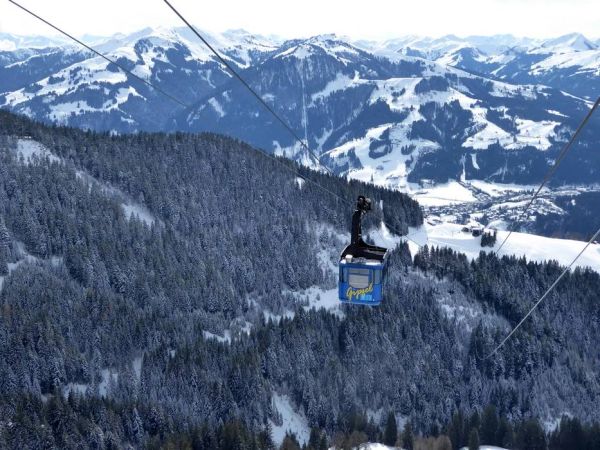
Kitzbüheler Horn Summit Cable Car to Be Replaced After 70 Years
A Tyrolean summit lift that has been carrying guests up the Kitzbüheler Horn since 1955 is on borrowed time. Its licence runs to 2045, but a new inspection rule has made refurbishment uneconomic, so Bergbahn AG Kitzbühel will spend around €15 million on a replacement on the same line. It should hold roughly 100 people and keep running in winds that would stop today’s lift. Building starts in autumn 2027, which makes this winter and next summer the last chances to ride the old one.
30 Oct 2026
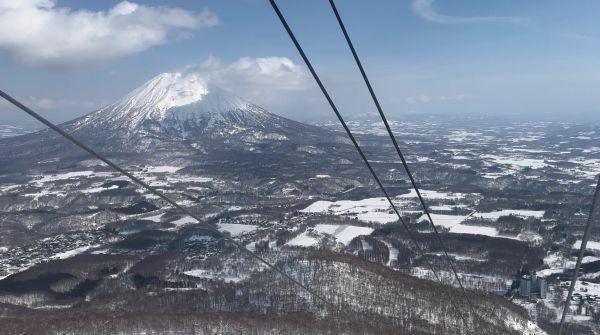
What’s New in Japan Skiing This Winter: Niseko Gondola, a Private Resort and a Bigger Ikon Pass
Niseko Village is replacing a lift from the early 1980s with an eight-person gondola, Tsugaike gets a six-person chairlift, Madarao joins the Ikon Pass and Togari opens Asia’s first private ski resort. Here’s what is actually new in Japan skiing for 2026/27, plus what is still a year or two away.
30 Oct 2026
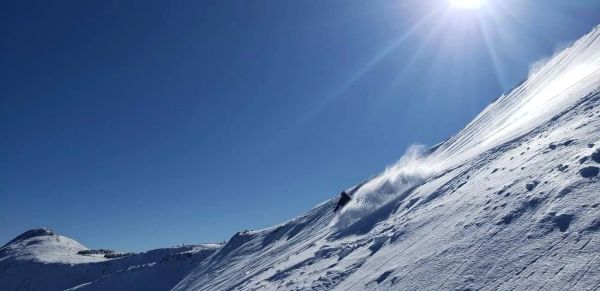
Wolf Creek Opens on Halloween Weekend as Colorado’s Early Season Gathers Pace
Colorado’s early-season dominoes keep falling. Arapahoe Basin opened on Wednesday, Keystone follows on Friday, and now Wolf Creek is joining in on Saturday 31 October, just in time for Halloween. A storm on 23 and 24 October left 20 inches of natural snow in the San Juans, and three lifts will turn from 9:00 am, covering about 30% of the mountain. Expect rocks, unmarked obstacles and open water, but also Local Appreciation lift tickets at $73 for adults.
30 Oct 2026
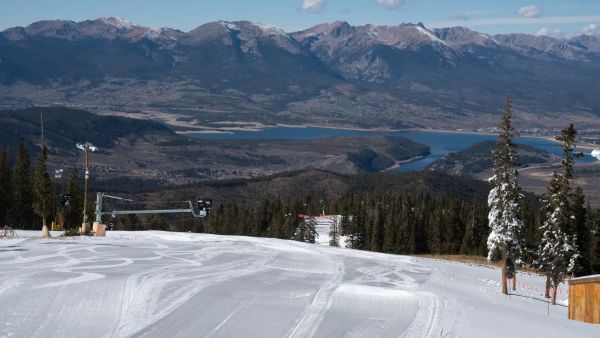
Keystone Resort Opens for 2026/27 With More Than Two Miles of Skiing
Keystone is next. After Arapahoe Basin claimed the first chairlift skiing of the season on Wednesday, Keystone opens on Friday 30 October at 9:00 am with more than two miles of snowmaking-built terrain on Schoolmarm and Silver Spoon, plus free donuts, coffee and a live DJ. Last year the order was reversed, when Keystone squeezed in a three-hour afternoon session to beat A-Basin by a day. Snowmaking has been running since 15 October.
29 Oct 2026
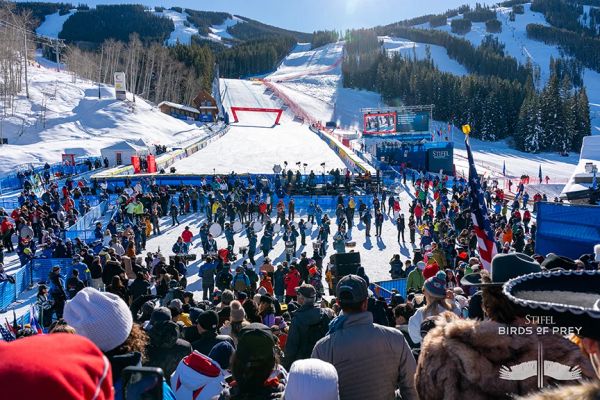
Beaver Creek Installs 16 Automated Snow Guns on Birds of Prey Ahead of Record World Cup
Beaver Creek is getting ready for the biggest Birds of Prey ever, and this time it is not leaving the snow to chance. Crews started making snow on 27 October with 16 newly installed automated guns on the lower third of the course, after last December’s warm spell forced a downhill off the schedule. Seven races across two weekends run from 3 to 13 December, the most the course has hosted since its 1997 debut, and the guns start themselves whenever the weather allows.
29 Oct 2026
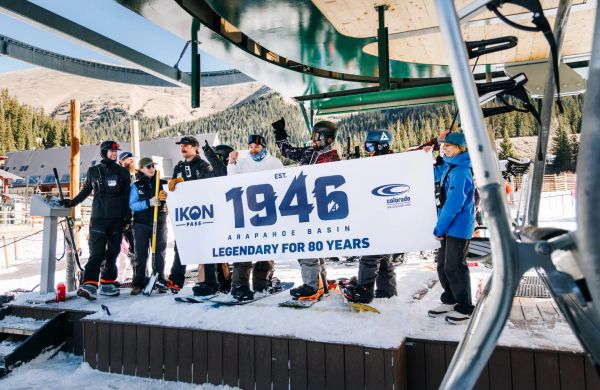
Arapahoe Basin Opens First for North America’s 2026/27 Ski Season
Winter has officially started in North America, and it is one blue run long. On Wednesday 28 October, Arapahoe Basin fired up the Black Mountain Express at around 10:30 am after a surprise announcement just hours earlier, becoming the first major North American resort open for 2026/27. Cold nights, a dusting of natural snow and a lot of snowmaking made it happen in the resort’s 80th winter. More terrain is promised as the snow guns keep running.
28 Oct 2026
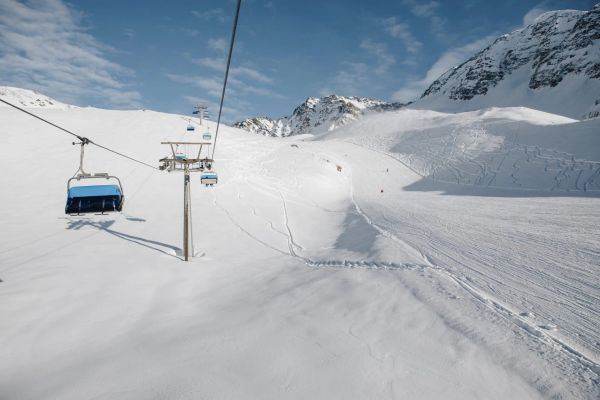
Sulden am Ortler Pushes Its Season Start Back a Week to 7 November
Sulden am Ortler has called off its 31 October opening. The South Tyrol ski area has pushed its 2026/27 start back to Saturday 7 November, citing current weather and snow conditions and saying it will use the extra week to get the slopes in the best possible shape. The season is still scheduled to run through 2 May 2027. Elsewhere in Europe, around a dozen areas are already open, led by Sölden’s 30 kilometres of groomed runs.
28 Oct 2026
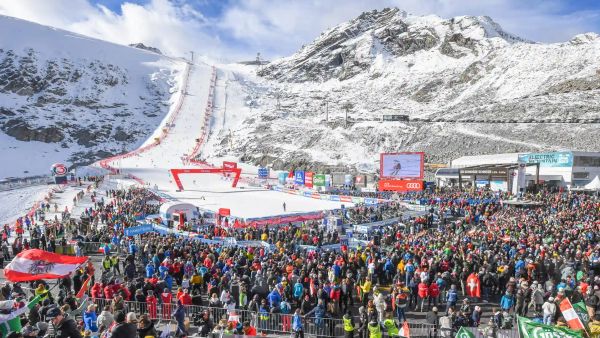
Pinheiro Braathen Wins Sölden Giant Slalom Opener by 0.48 Seconds
Two days at Sölden, two races decided by a hundredth somewhere on the podium, and one very quick Brazilian. Lucas Pinheiro Braathen led from the first run to win the men’s World Cup opener by 0.48 seconds, with Loïc Meillard second and Marco Odermatt third. River Radamus charged from 15th to fourth on a rutted course, and Britain’s Freddy Carrick-Smith banked his first World Cup points. Braathen still hasn’t lost a giant slalom since Olympic gold.
25 Oct 2026
Mt Baker Snow Report
Snow Report
Updated 30 Oct 2026
5,000ft
summit
+11in
new snow · last 24 hours
Clear24°F / 38°F · S 13mph
Snowfall
24 hours
11in
48 hours
22in
7 days
22in
Base depth
12in
Season total
22in
Typical winter 352in
Total lifts10
Live open status isn’t available right now.
18 Dec 2026 - 18 Apr 2027
Hour by Hour
Next 46 hours· Updated Oct 30, 2026 at 6:02 AM
Scroll for the full outlook · Open-Meteo
7-Day Outlook
4,701 ftUpdated Oct 30, 2026 at 6:02 AMOpen-Meteo
Days 1–7
1.9"
Days 8–14
18"
Fri, Oct 30
Heavy Snow
Temp38° / 24°°F
Snow1.9"(66%)
Wind13 mph S
Live snow from the resort feed; forecast from Open-Meteo, via Supabase.
Understanding the Mt Baker snow report
Get the latest Mt Baker snow report — real-time snowfall, snow depth, and mountain weather for this Washington resort, spanning 1067m to 1524m in elevation.
Snow measurements
Base depth, summit depth, and recent snowfall are the core numbers to watch. At Mt Baker, summit conditions (1524m) can differ noticeably from the base, so we break both out separately rather than showing a single average.
Weather conditions
Wind and temperature swings matter as much as fresh snowfall. Cold, calm conditions hold snow quality well, while wind-loading or a warm-up can change things quickly — especially given the elevation spread between Mt Baker's base and summit.
Data sources
Mt Baker snow data is collected through a combination of on-mountain reports and weather forecasting services, giving you both official resort updates and independent forecast data in one place. The mountain is served by 10 lifts, including 8 quad chairlifts.
When to check
Conditions can change overnight, so mornings and late afternoons are the best times to check back on Mt Baker.