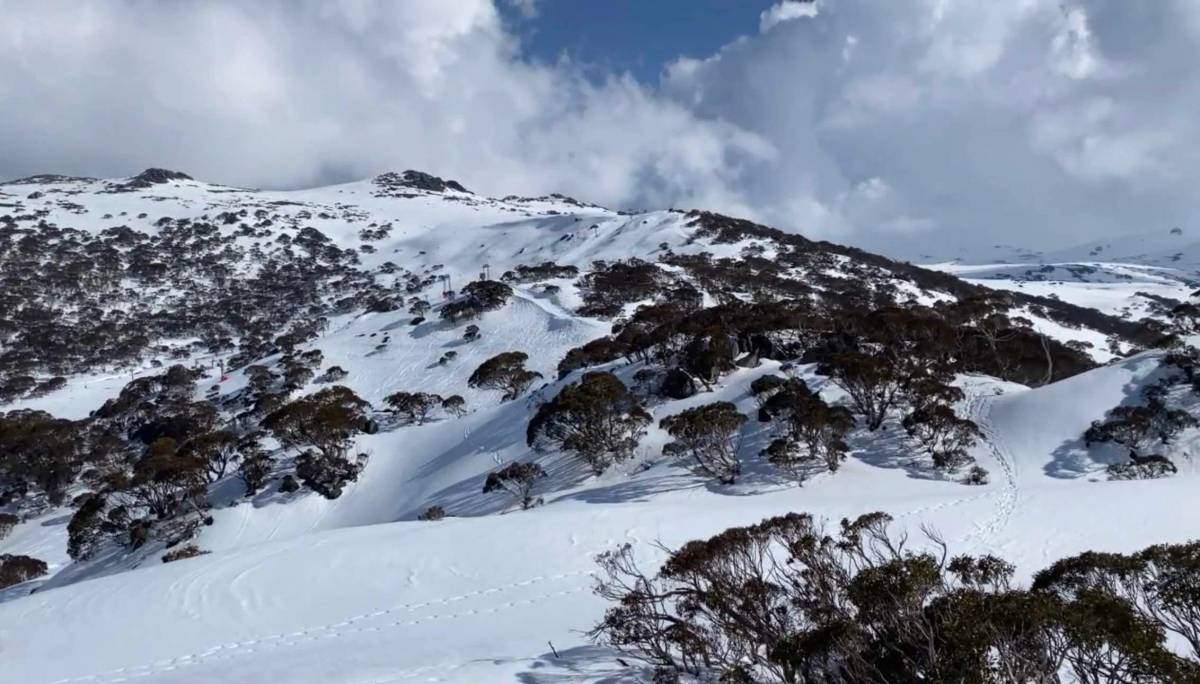
Charlotte Pass
Australia's oldest and highest ski resort at 1,765m — snowbound in winter, car-free, and 8km from Perisher in Kosciuszko National Park.

Season 2026
Opens
21 June 2026
Closes
6 Sept 2026
Days open
77
Annual snow
2.5m
The Overview
Michael Fulton
Melbourne-based skier and snowboarder with 50+ resorts across 5 continents. Specialises in Australian resorts and international resort comparisons.
Charlotte Pass holds two distinctions no other Australian ski resort can claim: it is both the oldest and the highest, with a village base elevation of 1,765m and a history stretching back to the original Kosciuszko Chalet, built in 1930. The resort is the only ski area in Australia to be completely snowbound in winter — there is no road access between June and October, and all visitors arrive by oversnow transport from Perisher. That enforced remoteness defines the experience: no cars, no crowds, no lift queues, and direct access to the Main Range of Kosciuszko National Park within walking distance of Australia's highest peak, Mt Kosciuszko at 2,228m.
The ski area covers 124 acres across 24 runs between 1,765m and 1,964m, with a terrain mix that weights toward advanced and beginner skiers — 38% advanced and 33% beginner — served by five lifts. The compact bowl layout means the entire village is ski-in ski-out, and the low skier numbers relative to the terrain give Charlotte Pass a character genuinely unlike any other Australian resort. It is also the coldest location in Australia, recording a low of −23°C, with winter temperatures regularly dropping below −10°C.
199m
Vertical
24
Runs
124 acres
Skiable
2.5m
Annual snow
The Terrain
24 runs across 124 acres skiable
Charlotte Pass is a small resort of around 50 hectares on the main range in Kosciuszko National Park, with a base at 1,765 metres and a summit at 1,964 metres, a vertical of 199 metres. In winter there is no road access, so guests arrive by Skitube and an oversnow transfer, which keeps the village car-free and quiet. Its 24 runs divide almost evenly across the grades: 33% beginner, 29% intermediate and 38% advanced, with no expert category. That unusual balance gives a small mountain with more bite at the top end than its footprint suggests.
A triple chair and a handful of T-bars and surface lifts cover the slopes, which are largely open. Guthrie's Chutes are steep, hike-access lines that hold snow longer, giving advanced skiers the most serious terrain, while the lower and wider runs suit newer skiers. Because the mountain is compact, the village sits close to the snow with ski-in, ski-out convenience. Charlotte Pass suits families who like a self-contained base, advanced skiers who enjoy short, steep lines and visitors wanting a small, remote resort rather than a large lift network. Those chasing variety should look at bigger neighbours.
Terrain split
24
runs
24 runs across 4 grades
Beginner8 runs · 33%
Intermediate7 runs · 29%
Advanced9 runs · 38%
Expert0 runs · 0%
Time it right
When to visit Charlotte Pass
The 2026 season at Charlotte Pass runs from 21 June to 13 September, a tighter window than Perisher or Thredbo reflecting the resort's compact size rather than any limitation in snow. At 1,765m base elevation, Charlotte Pass receives more consistent natural snowfall than any other resort in Australia — the higher altitude converts precipitation that falls as rain at lower resorts into snow, and the average annual accumulation of 2.5 metres holds well into September. The resort sits above the rain shadow that affects parts of the Snowy Mountains, and the Main Range elevation means late-season coverage is typically reliable.
The DayTripper package — which bundles oversnow transport, a lift pass and lunch — is the standard entry point for first-time visitors coming across from Perisher for the day. Overnight guests staying at the Kosciuszko Chalet Hotel or the resort's independent lodges access the slopes directly from their accommodation, with the village's ski-in ski-out layout meaning the mountain is literally outside the front door.
Season 2026
21 June 2026
Opens
6 Sept 2026
Closes
77
Days open
2.5 m
Annual snow
The record
Historical snowfall at Charlotte Pass
Daily snow reports at Charlotte Pass go back to 2025, 2 winters on the books. Open the record to compare winters, lifts and piste.
30 cm
Snowiest day
26 June 2025
472 cm
This winter · 2026
so far
559 cm
Typical winter
average of complete seasons
Winter totals
cm
Past wintersThis winter
Getting there
Getting to Charlotte Pass, and where to stay
Charlotte Pass sits at the end of Kosciuszko Road in the heart of Kosciuszko National Park, 8km south-west of Perisher Valley and approximately 45 minutes from Jindabyne by road and oversnow transport combined. In winter, the road beyond Perisher closes and access is exclusively via the Charlotte Pass oversnow transport fleet, which departs from the main Perisher centre. Visitors reaching Perisher by car or Skitube from Bullocks Flat can connect directly to the Charlotte Pass shuttle.
In summer, the resort is accessible by a sealed road — a 35-minute drive from Jindabyne — and serves as the trailhead for the 18.6km return walk to the summit of Mt Kosciuszko. Canberra is approximately 3.5 hours by road, Sydney around six hours. The resort's position on the Main Range places it closer to Australia's highest alpine terrain than any other lift-served ski area in the country.
Where to stay
Search all stays →Stays map loads when you scroll here
Hotels and lodges near Charlotte Pass, powered by Stay22.
Latest News
From the SnowStash desk

Mt Rose Aims to Open First in Tahoe on November 6
Mt Rose is going for the first-in-Tahoe title, with the Lakeview Express due to spin at 9 a.m. on Friday, November 6. One main lift, three runs and plenty of snowmaking, sitting on the highest base elevation in the region at 8,260 ft. Here is what is open, what is not (sorry, tubing fans), and how the early North American openings are stacking up.
4 Nov 2026

Europe Snow Forecast: Serre Chevalier Leads With 82 cm Over the Next 10 Days
Europe has had a quiet start to November, but our 10-day forecast has Serre Chevalier on 82 cm and Les 2 Alpes on 71 cm. Two pushes are lined up: a western Alps top-up from Friday, then a bigger, wider system on Thursday, November 12 and Friday, November 13 that reaches Italy and Switzerland. Full leaderboard inside.
4 Nov 2026

Mammoth Mountain Opens Early on November 5 With Up to 33 Inches of Snow in the Forecast
Mammoth just moved opening day forward to Thursday, November 5, eight days ahead of schedule. A snowy weekend and cold snowmaking nights did the work, and our forecast shows up to 33 inches more landing on November 13 and 14. Here is what opens, what the weather looks like and where Mammoth sits among the early Ikon Pass openers.
3 Nov 2026

Utah Snow Storm Builds Early-Season Base Ahead of November Openings
Rain down low, snow up high, and a snow report full of zeros that mostly means ‘not updated yet’. Utah’s first proper storm of 2026-27 is rolling through the Wasatch, Snowbird’s snow stake is closing in on 10 inches, and Brian Head is five days from opening day. Early November snow rarely looks like much, but it is the layer every November opening date is built on. Here is where it stands.
1 Nov 2026
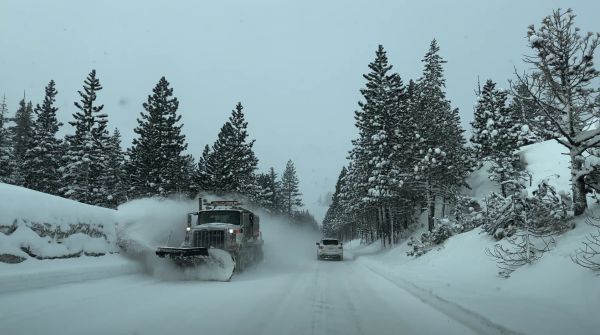
Sierra Nevada Halloween Storm: Dodge Ridge Forecast to Lead With 19 Inches
Halloween weekend brings a wet, windy storm to the Sierra Nevada. Our five-day forecast has Dodge Ridge on top with 19 in, followed by Bear Valley at 15 in and Mammoth Mountain at 12 in, with most of it landing on Saturday. A winter weather advisory covers the Tahoe Basin and Mono County until 7 AM Sunday, gusts could reach 47 mph and the freezing level swings between 4,900 and 8,700 ft, so some bases will see rain. A dry spell follows from Monday.
31 Oct 2026
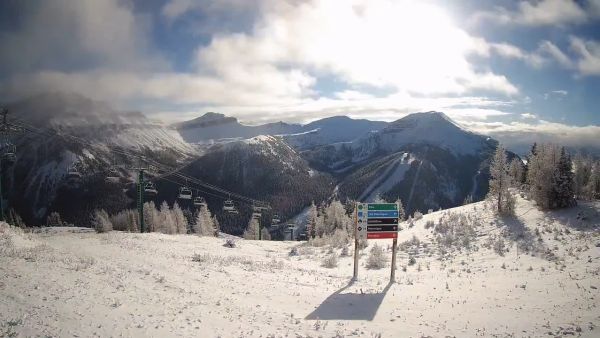
Lake Louise Opens Early on 1 November With Juniper Express and Easy Street
The Rockies get their first lift-served turns of the season early. Lake Louise opens Sunday 1 November, five days ahead of schedule, after a cold October and round-the-clock work from the snowmaking and mountain crews. Terrain is limited to Juniper Express Chair and Easy Street, with two small terrain parks and the beginner area for lessons. Opening-day tickets are over 60% off, with prices rising as more lifts open. First chair is at 9:30 am under the resort’s new lift hours.
31 Oct 2026
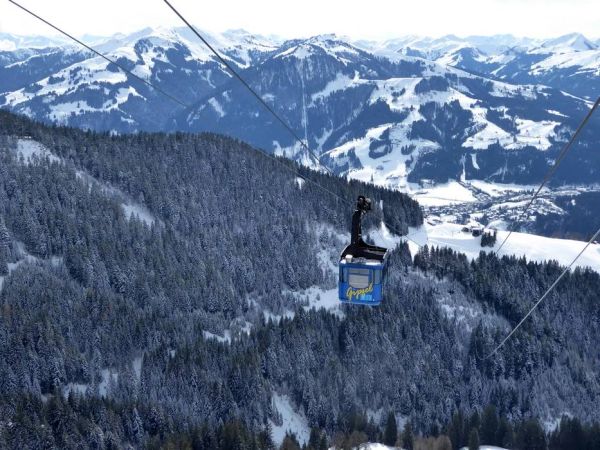
Kitzbüheler Horn Summit Cable Car to Be Replaced After 70 Years
A Tyrolean summit lift that has been carrying guests up the Kitzbüheler Horn since 1955 is on borrowed time. Its licence runs to 2045, but a new inspection rule has made refurbishment uneconomic, so Bergbahn AG Kitzbühel will spend around €15 million on a replacement on the same line. It should hold roughly 100 people and keep running in winds that would stop today’s lift. Building starts in autumn 2027, which makes this winter and next summer the last chances to ride the old one.
30 Oct 2026
What’s New in Japan Skiing This Winter: Niseko Gondola, a Private Resort and a Bigger Ikon Pass
Niseko Village is replacing a lift from the early 1980s with an eight-person gondola, Tsugaike gets a six-person chairlift, Madarao joins the Ikon Pass and Togari opens Asia’s first private ski resort. Here’s what is actually new in Japan skiing for 2026/27, plus what is still a year or two away.
30 Oct 2026
Charlotte Pass Trail Map
Downloadable Charlotte Pass trail map
Terrain split
24
runs
Beginner33%
Intermediate29%
Advanced38%
Expert0%
124 acres skiable50 hectares
Resort Stats
Elevation
Base1765m
Summit1964m
Annual snowfall
2.5m
Season
2026
21 June 2026 - 6 Sept 2026
Trail coverage
24 runs
124 acres (50 ha)
About Charlotte Pass's trail map
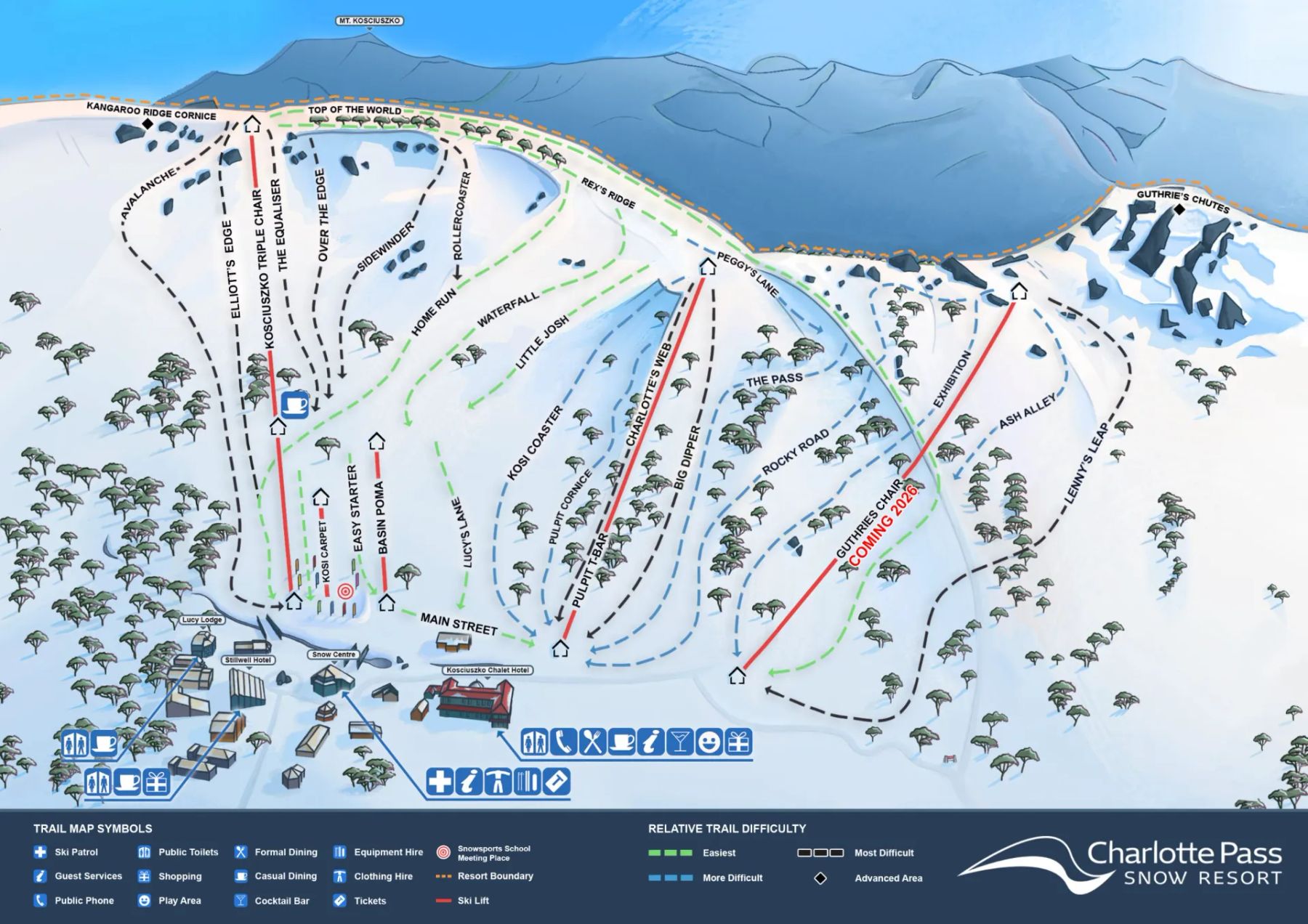
Explore Charlotte Pass's full trail map with 24 runs across the mountain, colour-coded by difficulty and shown alongside the terrain split. Use it to plan a day that matches your ability, find lift-served pockets of your favourite grade, and see how the resort links together. Download the piste map (PDF) ↗
More Charlotte Pass intelligence: snow report, lift system, webcams, resort overview.