
Perisher
Australia's largest ski resort with 4 linked areas, 113 runs and 1,245 hectares in the Snowy Mountains. Open June to October.
Season 2026
Opens
6 June 2026
Closes
25 Sept 2026
Days open
111
Annual snow
3m
The Overview
Michael Fulton
Melbourne-based skier and snowboarder with 50+ resorts across 5 continents. Specialises in Australian resorts and international resort comparisons.
Perisher is Australia's largest ski resort and the largest in the Southern Hemisphere, spanning 1,245 hectares across four interconnected ski areas within Kosciuszko National Park in the NSW Snowy Mountains. The combined resort links Perisher Valley, Smiggin Holes, Blue Cow and Guthega across seven peaks, serving 113 runs on terrain that rises from 1,699m to a summit of 2,054m atop Mt Perisher. The terrain breakdown skews firmly toward intermediates — 60% of runs are graded blue — though the resort's sheer scale means beginners, advanced skiers and freestylers each have dedicated zones across the mountain.
Access is via Australia's only underground rack railway, the Skitube Alpine Railway, a Swiss-designed train that departs Bullocks Flat on the Alpine Way and travels through a 6.3km tunnel — reaching 550m below the surface at its deepest point — to Perisher Valley, with a further connection to Blue Cow. Opened in 1987, the Skitube remains the defining feature of Perisher's access infrastructure and the most practical option for visitors wanting to avoid chains on the mountain road. Perisher is part of the Vail Resorts Epic Pass network, connecting the resort with Mt Hotham, Falls Creek and a global portfolio of ski destinations.
355m
Vertical
113
Runs
3,076 acres
Skiable
3m
Annual snow
Epic Pass
Pass
The Terrain
113 runs across 3,076 acres skiable
Perisher is the largest ski resort in the southern hemisphere, with about 1,245 hectares across four connected villages in Kosciuszko National Park: Perisher Valley, Blue Cow, Smiggin Holes and Guthega. It has 113 runs between 1,699 and 2,054 metres, a vertical of 355 metres, and a lift network of 45 lifts. The split is 22% beginner, 60% intermediate, 17% advanced and 1% expert, so this is firmly cruising country. The terrain is rolling and open, and covering it takes time, because the four areas are linked by a mix of lifts and traverses.
Smiggin Holes is the first-timer area, with gentle slopes and carpet-style lifts. Blue Cow, reached by Skitube, has long blue runs plus black runs such as Kamikaze and Show Boat. Guthega has quieter slopes served by the Freedom Chair, and Front Valley holds a large terrain park. Perisher Valley, also called Mount Perisher, offers the widest mix. Perisher suits families, groups of mixed ability and intermediates who want variety, with plenty of open, rolling pistes to explore over several days. Experts will find limited steeper terrain, so it works better as a groomed-run destination than a challenge.
Terrain split
113
runs
113 runs across 4 grades
Beginner25 runs · 22%
Intermediate68 runs · 60%
Advanced19 runs · 17%
Expert1 run · 1%
Time it right
When to visit Perisher
The 2026 season at Perisher runs from 6 June to 5 October, a four-month window that represents one of the longest seasons of any Australian ski resort. Average annual snowfall reaches 2.6 metres, and the resort's position above 1,699m ensures reliable natural snow coverage across the season's core months of July and August. Snowmaking infrastructure covers 4.4 square kilometres of terrain with 240 snow guns, providing early-season and shoulder-period coverage when natural falls are lighter.
The Queen's Birthday long weekend in June has historically marked the official season opener for the Snowy Mountains, with the Snowy Mountains of Music Festival running at Perisher Valley across that weekend each year. The back end of the season in September draws a more local crowd and is well regarded for quieter lifts and softening spring snow. Night skiing operates on selected evenings throughout the season, with the floodlit terrain park accessible under lights.
Season 2026
6 June 2026
Opens
25 Sept 2026
Closes
111
Days open
3 m
Annual snow
Getting there
Getting to Perisher, and where to stay
Perisher sits within Kosciuszko National Park in the Snowy Mountains of southern New South Wales, approximately 30 minutes from the resort town of Jindabyne and 20 minutes from the Skitube's Bullocks Flat terminal at the Alpine Way. Canberra is the nearest major city, around two and a half hours by road via the Snowy Mountains Highway through Cooma and Jindabyne. Sydney is approximately five to six hours by car, while Melbourne is roughly seven hours. All vehicles entering Kosciuszko Road in winter conditions are required to carry snow chains.
Jindabyne is the primary accommodation and services base for Perisher visitors, offering a full range of accommodation, restaurants, ski hire and lift ticket outlets at lower cost than on-mountain lodging. On-snow accommodation is concentrated in Perisher Valley and is predominantly lodge and chalet style, with ski-in, ski-out access from most properties. The Skitube terminal at Bullocks Flat provides parking for up to 3,500 cars and 250 coaches, with ski hire, a ticket office and a snow school also operating from the terminal building.
Where to stay
Search all stays →Hotels and lodges near Perisher, powered by Stay22.
Latest News
From the SnowStash desk
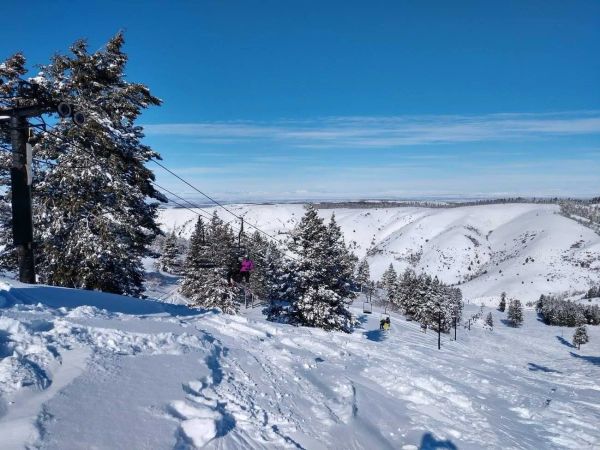
Kelly Canyon, Idaho, Adds Snowmaking, a Bigger Terrain Park and More Parking for 2026-27
Kelly Canyon had a rough 2025-26, and the Idaho resort has spent the summer making sure it doesn’t repeat. Snowmaking now reaches the top of Goldrush, the terrain park is doubling in size with a stereo system, lights and a snack shack, and the car park is getting bigger. Grooming is stepping up too. Target opening is December 4, conditions permitting.
9 Oct 2026
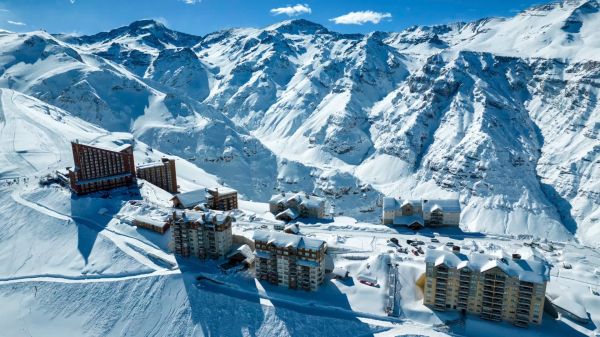
Valle Nevado Extends Season to November 8 After 108 cm in 48 Hours
Winter was meant to be winding down in Chile. Then Valle Nevado took 108 cm in 48 hours in early October, and the resort has pushed its closing date out to November 8 - its latest in 38 years of operation. That makes 143 days of skiing since opening day on June 19, with 690 cm banked for the season. Only part of the mountain is running while the storm settles, so check the mountain report before you plan a trip.
9 Oct 2026
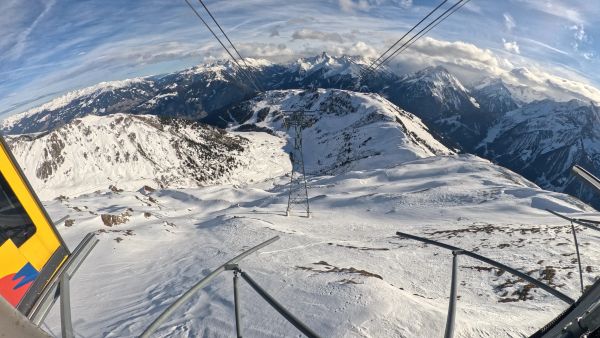
Alps Snow Forecast: Cold Front Brings Thursday Snow to the High Alps
The Alps look a lot more like winter today, for a day or so. A cold front is moving west to east, dropping up to 35 cm on high glaciers and peaks, with snow levels falling to around 1,500-1,800 m at times. Don’t plan a trip around it: mid-elevation snow will be thin and wet, every area is closed bar a limited Sölden glacier opening tomorrow, and warmer weather returns by Monday.
8 Oct 2026
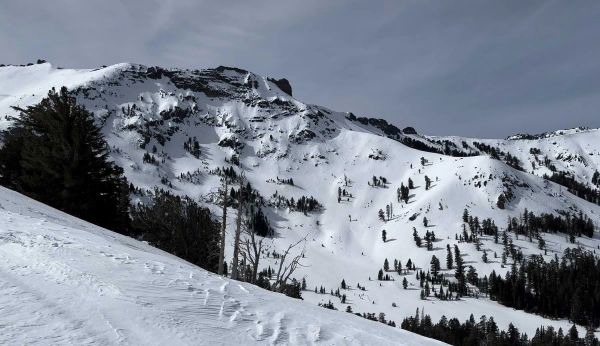
California Ski Resort Opening Dates 2026-27: Mammoth Leads, Tahoe Follows
Mammoth Mountain is first up in California, targeting Friday 13 November after a dusting of September snow. Heavenly and Northstar follow on 20 November, Palisades Tahoe on Wednesday 25 November and Sugar Bowl on 27 November, with Kirkwood on 4 December and June Mountain on 19 December. Plenty of smaller areas have no date yet. A super El Niño favours the Sierra, but a warmer storm track is the catch.
7 Oct 2026
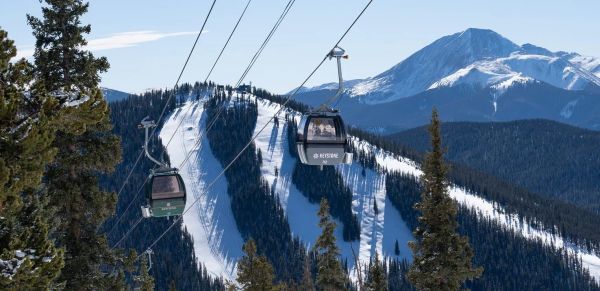
Colorado Ski Resort Opening Dates 2026-27: A-Basin and Keystone Race to Be First
Arapahoe Basin, Keystone and Winter Park are all chasing an October start, though none has a firm date yet. The first dated openers are Breckenridge and Copper on Friday 6 November, then Vail on 13 November, with most of the rest bunched around US Thanksgiving. Hesperus did not open at all last season. A super El Niño offers hope but no guarantee, and forecasters say the southern mountains have the better odds.
5 Oct 2026
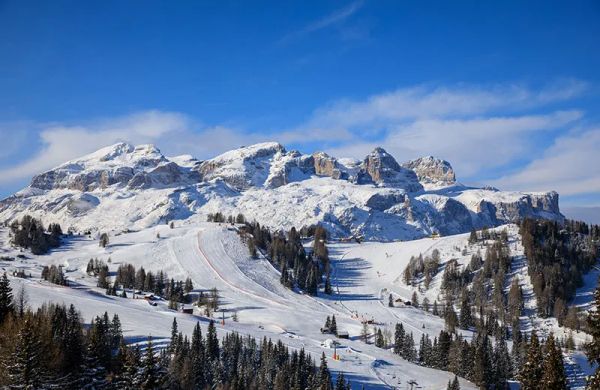
Dolomiti Superski 2026-27: Four New Gondolas, New Reservoirs and an €89 Peak Day Pass
Dolomiti Superski is spending around €100 million across its 12 areas before winter. Kronplatz gets a new 10-passenger gondola with a middle station, 3 Zinnen gets Helmissimo, and Val di Fassa swaps a chairlift for a gondola above Col Valvacin. New water-storage basins and upgraded snowmaking follow, and construction has started on the San Martino to Passo Rolle link. A peak adult day pass is €89.
4 Oct 2026
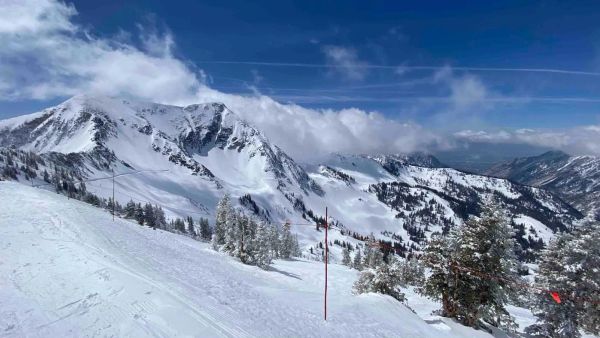
Utah Ski Resort Opening Dates 2026-27: Brian Head First, Eagle Point Out
Brian Head is targeting 6 November, though last year it aimed for 7 November and did not open until the 25th. Park City, Alta and Solitude are pencilled in for 20 November, Snowbird and Snowbasin for 27 November, and Deer Valley for 5 December. Eagle Point will stay closed after the Cottonwood Fire. A super El Niño is forecast, but the big snow is not expected until January.
4 Oct 2026
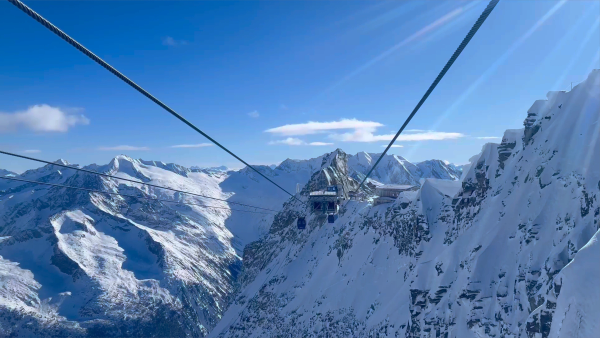
Hintertux Glacier Opens for 2026-27 With 12 Kilometres of Piste
Hintertux became Austria's second glacier to open for 2026-27 on Friday 2 October, after the Pitztal Glacier. Twelve kilometres of piste are running around the Olperer and Gefrorene Wand, served by one gondola and two drag lifts, with the Betterpark also open. Lifts officially run 8:15 am to 4:30 pm, but skiing stops at 2 pm for now.
4 Oct 2026
Perisher Lift System
Forty-seven lifts serve Perisher's 1,245 hectares across four ski areas, the largest lift fleet in Australia. The network includes one eight-person chairlift, eight quad chairlifts, two triple chairlifts, four double chairlifts and 25 T-bars, supplemented by five surface lifts across the learner zones. The eight-person Village 8 Express is the resort's flagship lift, servicing Front Valley — the main hub of Perisher Valley — and capable of moving large volumes of skiers through the busiest section of the mountain. The Summit Quad at Blue Cow reaches the highest lifted point in Australia at 2,042m.
The Skitube train functions as the resort's principal lift link, connecting the Bullocks Flat car park directly to the underground Perisher Valley station and then on to Blue Cow in a further seven minutes. Beyond the main areas, Guthega sits apart from the primary resort hub and is served by its own cluster of lifts, offering consistently uncrowded terrain for those prepared to make the traverse. Five terrain parks operate across the resort, including a floodlit park for night skiing sessions.
45lifts across 6 types
1
8-Person Chair
8
Quad Chairs
2
Triple Chairs
4
Double Chairs
25
T-Bars
5
Surface Lifts
Perisher lift system
Perisher is served by 45 lifts, listed here by type. Check which lifts are turning against the live conditions before you plan your first laps - early lifts and high-speed chairs get you to the best snow fastest.
More Perisher intelligence: trail map, snow report, webcams, resort overview.