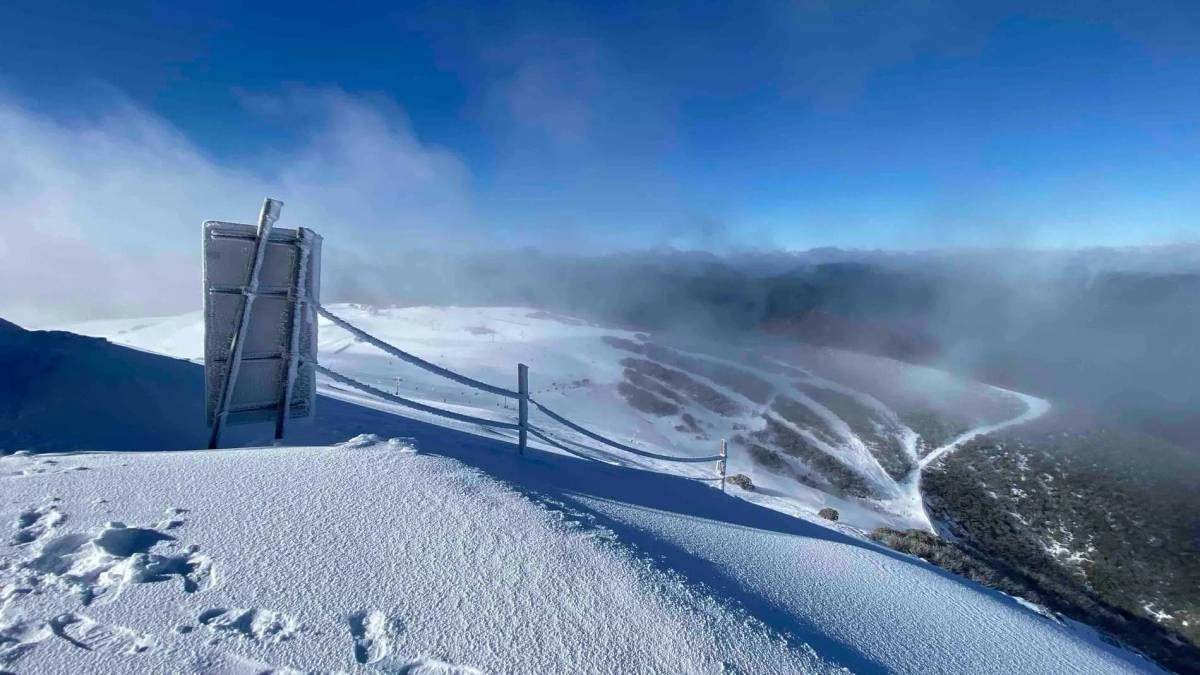
Mt Buller
300 hectares of terrain and Victoria's biggest lift network, three hours from Melbourne. Ikon Pass access, open June to October.

Season 2026
Opens
6 June 2026
Closes
6 Sept 2026
Days open
92
Annual snow
2m
The Overview
Michael Fulton
Melbourne-based skier and snowboarder with 50+ resorts across 5 continents. Specialises in Australian resorts and international resort comparisons.
Mt Buller is Victoria's most popular ski resort and the most accessible major alpine resort in Australia, sitting approximately 235km north-east of Melbourne and reachable in around three hours — closer to an international airport than any other large resort in the country. The mountain covers 300 hectares of skiable terrain across 76 runs between 1,375m and 1,805m, split across two distinct aspects: a south-facing shady side and a north-facing sunny side that together provide varied conditions throughout the day. Skiing has taken place on the mountain since 1924, making it one of the longest continuously operating ski areas in Australia.
The terrain breakdown is 45% intermediate, 35% advanced and 20% beginner — well suited to a resort that draws heavily from Melbourne's day-trip and weekend market. At the advanced end, runs including The Chamois and Federation offer genuine challenges, while three terrain parks cater to different freestyle levels. The alpine village sits at the heart of the mountain with ski-in ski-out accommodation, more than 30 dining and bar options, and the Olympic Winter Institute of Australia — the national high-performance snow sports training centre — located on the mountain.
430m
Vertical
76
Runs
741 acres
Skiable
2m
Annual snow
Ikon / Mountain Collective
Pass
The Terrain
76 runs across 741 acres skiable
Mt Buller is the largest ski area in Victoria, covering about 300 hectares with 76 runs between 1,375 and 1,805 metres, a vertical of 430 metres. Its profile is 20% beginner, 45% intermediate and 35% advanced, with no expert-rated terrain. That advanced share is higher than many resorts of this size, and it gives the mountain a sporty character. Fourteen chairlifts of various types serve the slopes, supported by T-bars and surface lifts, so the whole mountain is easy to cover. The village sits high on the ridge, with runs descending on several sides, and the terrain feels varied from top to bottom.
Bourke Street is the main green thoroughfare from the summit area back towards the village, served by the Bourke Street Express six-seat chair. Chamois and Federation are the best-known advanced runs, steep and often bumped, while the Cresta Run provides more of the same for strong skiers. Boggy Creek and the lower slopes suit newer skiers and families. Intermediates fill the middle of the mountain with long, groomed cruising. Mt Buller suits confident intermediates and advanced skiers who want a sustained, technical day, and families can still find a gentle area to learn. Experts will want something steeper, but few will feel short-changed.
Terrain split
76
runs
76 runs across 4 grades
Beginner15 runs · 20%
Intermediate34 runs · 45%
Advanced27 runs · 35%
Expert0 runs · 0%
Time it right
When to visit Mt Buller
The 2026 season at Mt Buller runs from 6 June to 4 October, a four-month window that aligns with the Victorian alpine season calendar. Average annual snowfall reaches 2 metres, and the resort's snowmaking system covers approximately 78 hectares — around 26% of the total skiable area — providing early-season and low-snow-year insurance across the key corridors including Bourke Street and Burnt Hut Spur. The snowmaking system is capable of operating in above-zero daytime temperatures, extending its effective window compared to systems at higher-altitude resorts.
Mt Buller sits on the south-western edge of the Victorian Alps, which makes it more exposed to cold airmasses moving up from the Southern Ocean than resorts further north-east. This positioning contributes to some of the lowest recorded maximum temperatures in regional Victoria — a useful buffer during warm spells that affect other resorts. The Ikon Pass and Mountain Collective both include Mt Buller, connecting the resort with Thredbo, Mammoth, Niseko, Coronet Peak and a broader global network.
Season 2026
6 June 2026
Opens
6 Sept 2026
Closes
92
Days open
2 m
Annual snow
The record
Historical snowfall at Mt Buller
Daily snow reports at Mt Buller go back to 2025, 2 winters on the books. Open the record to compare winters, lifts and piste.
23 cm
Snowiest day
25 June 2025
96 cm
This winter · 2026
so far
194 cm
Typical winter
average of complete seasons
Winter totals
cm
Past wintersThis winter
Getting there
Getting to Mt Buller, and where to stay
Mt Buller is located in Victoria's Alpine National Park, 47km east of the town of Mansfield and approximately 235km north-east of Melbourne via the Maroondah Highway and Mount Buller Road. The 16km sealed access road from Mirimbah climbs steadily to the village with an average gradient of 6.2%, and all vehicles are required to carry and fit wheel chains when directed. A resort entry fee applies to all vehicles, which includes parking. The drive from Melbourne's Tullamarine Airport takes around three hours under normal conditions.
Coach transfers from Melbourne operate throughout the season via V/Line services connecting with Mansfield Mount Buller Buslines, and various private transfer operators run direct services from the city. Mansfield, 47km below the resort, provides a range of accommodation and services as an alternative base for visitors seeking lower-cost options. Adjacent Mt Stirling — managed by the same resort authority — offers cross-country skiing and snowshoeing accessed from the same road, with no resort entry fee required for those visiting Mt Stirling on foot.
Where to stay
Search all stays →Stays map loads when you scroll here
Hotels and lodges near Mt Buller, powered by Stay22.
Latest News
From the SnowStash desk

Mt Rose Aims to Open First in Tahoe on November 6
Mt Rose is going for the first-in-Tahoe title, with the Lakeview Express due to spin at 9 a.m. on Friday, November 6. One main lift, three runs and plenty of snowmaking, sitting on the highest base elevation in the region at 8,260 ft. Here is what is open, what is not (sorry, tubing fans), and how the early North American openings are stacking up.
4 Nov 2026

Europe Snow Forecast: Serre Chevalier Leads With 82 cm Over the Next 10 Days
Europe has had a quiet start to November, but our 10-day forecast has Serre Chevalier on 82 cm and Les 2 Alpes on 71 cm. Two pushes are lined up: a western Alps top-up from Friday, then a bigger, wider system on Thursday, November 12 and Friday, November 13 that reaches Italy and Switzerland. Full leaderboard inside.
4 Nov 2026

Mammoth Mountain Opens Early on November 5 With Up to 33 Inches of Snow in the Forecast
Mammoth just moved opening day forward to Thursday, November 5, eight days ahead of schedule. A snowy weekend and cold snowmaking nights did the work, and our forecast shows up to 33 inches more landing on November 13 and 14. Here is what opens, what the weather looks like and where Mammoth sits among the early Ikon Pass openers.
3 Nov 2026

Utah Snow Storm Builds Early-Season Base Ahead of November Openings
Rain down low, snow up high, and a snow report full of zeros that mostly means ‘not updated yet’. Utah’s first proper storm of 2026-27 is rolling through the Wasatch, Snowbird’s snow stake is closing in on 10 inches, and Brian Head is five days from opening day. Early November snow rarely looks like much, but it is the layer every November opening date is built on. Here is where it stands.
1 Nov 2026
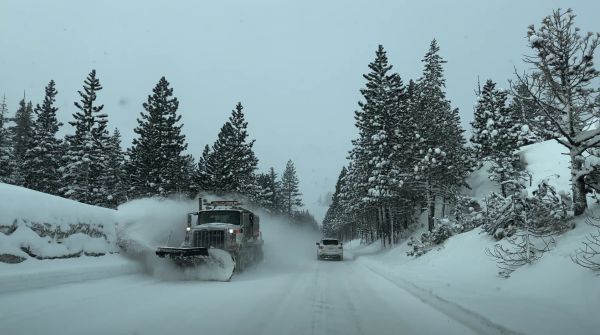
Sierra Nevada Halloween Storm: Dodge Ridge Forecast to Lead With 19 Inches
Halloween weekend brings a wet, windy storm to the Sierra Nevada. Our five-day forecast has Dodge Ridge on top with 19 in, followed by Bear Valley at 15 in and Mammoth Mountain at 12 in, with most of it landing on Saturday. A winter weather advisory covers the Tahoe Basin and Mono County until 7 AM Sunday, gusts could reach 47 mph and the freezing level swings between 4,900 and 8,700 ft, so some bases will see rain. A dry spell follows from Monday.
31 Oct 2026
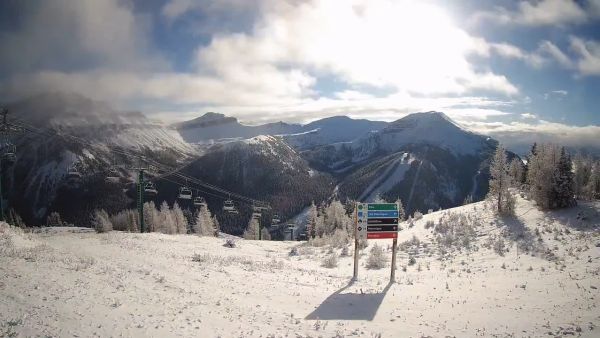
Lake Louise Opens Early on 1 November With Juniper Express and Easy Street
The Rockies get their first lift-served turns of the season early. Lake Louise opens Sunday 1 November, five days ahead of schedule, after a cold October and round-the-clock work from the snowmaking and mountain crews. Terrain is limited to Juniper Express Chair and Easy Street, with two small terrain parks and the beginner area for lessons. Opening-day tickets are over 60% off, with prices rising as more lifts open. First chair is at 9:30 am under the resort’s new lift hours.
31 Oct 2026
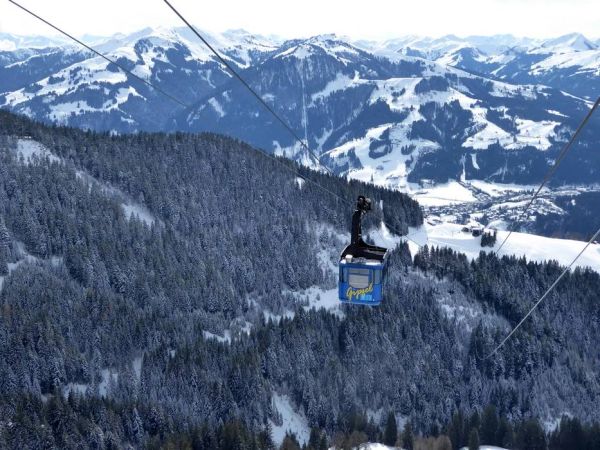
Kitzbüheler Horn Summit Cable Car to Be Replaced After 70 Years
A Tyrolean summit lift that has been carrying guests up the Kitzbüheler Horn since 1955 is on borrowed time. Its licence runs to 2045, but a new inspection rule has made refurbishment uneconomic, so Bergbahn AG Kitzbühel will spend around €15 million on a replacement on the same line. It should hold roughly 100 people and keep running in winds that would stop today’s lift. Building starts in autumn 2027, which makes this winter and next summer the last chances to ride the old one.
30 Oct 2026
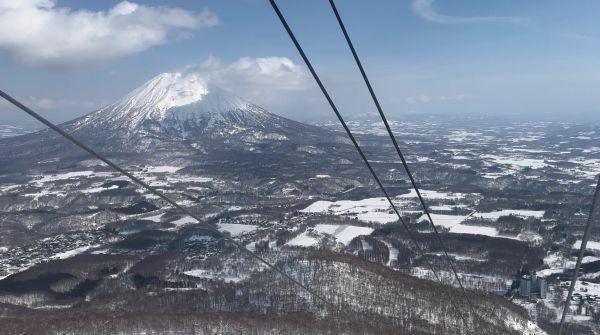
What’s New in Japan Skiing This Winter: Niseko Gondola, a Private Resort and a Bigger Ikon Pass
Niseko Village is replacing a lift from the early 1980s with an eight-person gondola, Tsugaike gets a six-person chairlift, Madarao joins the Ikon Pass and Togari opens Asia’s first private ski resort. Here’s what is actually new in Japan skiing for 2026/27, plus what is still a year or two away.
30 Oct 2026
Mt Buller Lift Tickets
Mt Buller lift tickets & passes
The 2026 season at Mt Buller closed on Sept 6, 2026. Check back for next season's opening date and ticket pricing.
Day passes start from A$73, with peak rates up to A$209.
Ikon / Mountain Collective9 pass options
Single-day passes
Adult 19–64
Mt Buller Adult Lift Pass (19-64)
A$121up to A$209 peak
Full day access to all 19 lifts and 76 runs at Mt Buller, Victoria's largest alpine resort. Dynamic pricing - book early to save up to A$30 on peak dates at Melbourne's closest major ski resort.
Buy passChild 5–18
Mt Buller Kids Lift Pass (5-18)
A$73up to A$161 peak
Great value kids lift pass for ages 5-18 with full access to all Mt Buller lifts, beginner terrain and ski school zones. Significant savings over adult pricing at Victoria's most popular ski resort.
Buy passChild 0–4
Mt Buller Child Free Pass (Under 5)
Free
Complimentary lift access at Mt Buller for children under 5. Free skiing for the youngest mountain riders at Victoria's largest ski resort, just three hours from Melbourne.
Buy passSenior 65–69
Mt Buller Senior Lift Pass (65-69)
A$91up to A$179 peak
Senior lift pass for ages 65-69 at Mt Buller with A$30 off adult pricing. Full access to all lifts and 300 hectares of terrain across Victoria's most accessible alpine resort.
Buy passSenior 70–100
Mt Buller Over 70 Free Pass
Free
Complimentary lift access for skiers aged 70+ at Mt Buller - the resort's gift to its most experienced mountain riders. Free skiing all season across Victoria's largest lift network.
Buy passMulti-day passes
Adult 19–64
Mt Buller 3-Day Adult Pass
A$486up to A$534 peak
3 consecutive days at Mt Buller with significant per-day savings over single-day tickets. Dynamic pricing applies - maximum savings during value periods at Victoria's largest ski resort.
Buy passAdult 19–64
Mt Buller 5-Day Adult Pass
A$648up to A$720 peak
5 consecutive days at Mt Buller with significant per-day savings. Best value for extended stays at Melbourne's closest major alpine resort with 300 hectares of skiable terrain.
Buy passSeason passes
Adult 19–64
Mt Buller Season Membership
A$1,649
Unlimited Mt Buller access all 2026 season with exclusive member benefits, discounts across the village and Take a Mate vouchers. Ikon Pass and Mountain Collective holders receive included days.
Buy passChild 5–18
Mt Buller Kids Season Pass (5-18)
A$999
Unlimited Mt Buller access all 2026 season for kids aged 5-18 with exclusive member benefits and Take a Mate vouchers. Great value for families making multiple trips from Melbourne.
Buy passLift tickets FAQ
How much does a Mt Buller day pass cost?
Mt Buller day passes range from A$73 to A$209 depending on the date and advance booking.
Can I buy Mt Buller lift tickets online?
Yes, you can purchase tickets directly from the resort website or at the resort ticket office.
Are there discounts for multi-day passes?
Yes, multi-day packages typically offer significant savings compared to individual day passes. The per-day cost decreases with longer stays.
What is included with a Mt Buller lift ticket?
Full access to all lifts and trails at Mt Buller, including mountain safety and patrol services.
What is the difference between Mt Buller lift tickets and ski passes?
"Lift tickets" and "ski passes" refer to the same thing at Mt Buller - your access to the mountain's lifts and trails for your chosen duration.
When should I buy Mt Buller lift tickets for the best price?
Purchase tickets at least 7 days in advance for the best rates, and consider weekday visits for further savings over weekend rates.
Does Mt Buller offer group discounts on lift tickets?
Group discounts are typically available for parties of 10 or more. Contact Mt Buller directly for group booking information and rates.
How can I check current conditions before buying tickets?
Before purchasing, check the live snow report and mountain webcams to see current weather, snow conditions, and lift operations at Mt Buller.
More Mt Buller intelligence: snow report, webcams, resort overview.