
The Overview
Michael Fulton
Melbourne-based skier and snowboarder with 50+ resorts across 5 continents. Specialises in Australian resorts and international resort comparisons.
Mt Norquay's summit reaches 2,183 metres, dropping 503 vertical metres to a base at 1,680 metres across 60 runs spread over roughly 77 hectares within Banff National Park, Alberta. Terrain splits 38 per cent beginner, 37 per cent advanced, 25 per cent intermediate and no dedicated expert terrain, with average annual snowfall of roughly 4.4 metres. The resort carries Ikon and Mountain Collective affiliation. Five lifts, including three quad chairs and one double chair, serve the mountain alongside one surface lift.
Mt Norquay holds the distinction of being Banff's closest ski resort, sitting just minutes from the townsite, and remains the only resort in Banff National Park offering night skiing. This combination of proximity and evening access has built Norquay's reputation as a genuine locals' mountain, distinct from the more destination-focused resorts nearby.
The mountain was named in 1904 after John Norquay, premier of Manitoba from 1878 to 1887. Winter sport pioneer Gus Johnson chose a slope roughly 1,000 feet above Banff for a ski camp, and the first runs were cut in 1926. Following Johnson's death, the Banff Ski Club, led by Cliff White and Cyril Paris, built the first ski cabin at Norquay in 1928, with rope tows installed in 1942 and Canada's second chairlift added in 1948.
A group of Alberta-based investors, including former Olympic alpine racer Ken Read, owned the resort from 2006 to 2018, when the Waterous family acquired it, operating today as Norquay Mystic Ridge Ltd, a subsidiary of Liricon Capital Ltd. Adult daily tickets run from 119 to 134 Canadian dollars.
503m
Vertical
60
Runs
190 acres
Skiable
4m
Annual snow
Ikon / Mountain Collective
Pass
The Terrain
60 runs across 190 acres skiable
Mt Norquay is a small, steep mountain above the town of Banff, with 60 runs on roughly 77 hectares. The vertical is 503 metres, from 1,680 metres at the base to the 2,183-metre summit. Grading is 38% beginner, 25% intermediate and 37% advanced, with no expert-rated runs, so the split is skewed toward the ends of the range. That is a different shape from most Rockies resorts, and it rewards skiers who know which chair they are riding. About 4.4 metres of snow arrives each year, and the mountain is quick to ski between laps.
The North American double chair is the one to know, serving the steepest and most mogulled pitches including Lone Pine and Gun Run, while Memorial Bowl offers a longer continuous fall line. Mystic Express carries intermediates up to long scenic cruisers such as Spirit and Mystic, and the Cascade chair keeps beginners on gentle, forgiving slopes. Norquay is ideal for learners, locals chasing quick laps and advanced skiers who want a short, sharp workout. It is not the place for big-mountain cruising, since the terrain is limited, and strong intermediates may run out of new runs fast.
Terrain split
60
runs
60 runs across 4 grades
Beginner23 runs · 38%
Intermediate15 runs · 25%
Advanced22 runs · 37%
Expert0 runs · 0%
Time it right
When to visit Mt Norquay
The 2025-26 season at Mt Norquay ran from 8 November 2025 to 20 April 2026, a roughly twenty-four-week season supported by average annual snowfall of around 4.4 metres. Season dates can shift depending on early and late-season weather in Banff National Park.
Midwinter, from December through February, typically brings the most consistent conditions to Norquay's mixed terrain. As an Ikon and Mountain Collective resort, Norquay draws pass-holding visitors alongside a strong contingent of Banff locals and residents given its considerable proximity to town.
Norquay's night-skiing programme, the only such operation within Banff National Park, continues to draw strong evening visitation from residents and visitors alike throughout the season. School holiday periods bring family visitation given the resort's approachable, beginner-weighted terrain.
Specific event programming beyond standard operations and night skiing is not confirmed in available resort information. Since the Waterous family's 2018 acquisition, Norquay has continued building on nearly a century of history since the mountain's first runs were cut in 1926. The resort's proximity to Banff and unique night-skiing access remain central to its enduring local appeal.
Season 2026 - 2027
14 Nov 2026
Opens
18 Apr 2027
Closes
155
Days open
4 m
Annual snow
Getting there
Getting to Mt Norquay, and where to stay
Mt Norquay sits within Banff National Park, Alberta, with a base elevation of 1,680 metres and a summit at 2,183 metres across a 503-metre vertical drop over roughly 77 hectares. This setting places Norquay closer to the town of Banff than any other resort in the park.
The town of Banff itself, a genuine national park townsite with extensive lodging and dining, sits just minutes from Norquay's base, making the resort a genuinely convenient option for both residents and visitors staying in town.
Mt Norquay Road provides direct access to the resort from Banff, one of the shortest approach drives of any major Rockies ski area. Winter driving conditions on this short route can include snow and ice, though the well-maintained road reflects the resort's considerable local visitation.
Calgary International Airport, roughly a 90-minute drive away, is the primary gateway for visitors flying into the region, with Norquay's proximity to Banff making it a genuinely convenient option for visitors staying in town without a vehicle.
Where to stay
Search all stays →Hotels and lodges near Mt Norquay, powered by Stay22.
Latest News
From the SnowStash desk

Vermont Ski Resort Opening Dates 2026-27: Few Dates Set, Killington Waits on the Cold
Vermont's season is slow to take shape. Stratton is tentatively targeting 18 November and Sugarbush 21 November, while Pico has Friday 11 December on the calendar. Killington never sets a date and opens when the snowmaking allows, and Vail Resorts has yet to name days for Stowe, Okemo and Mount Snow. The forecasts disagree about snow, and the main El Niño worry for the Green Mountains is warmth.
9 Oct 2026

Crans-Montana 2027 World Championships President Resigns Ahead of Fraud Hearing
Less than four months out from the Crans-Montana 2027 World Championships, the man running the organising committee has stepped down. Claude-Alain Schmidhalter resigned as Swiss-Ski vice president and OC president after being indicted over a business dispute unrelated to skiing. He denies the allegations and faces court on October 27. Interim leaders are in place for the February 1-14 event.
9 Oct 2026
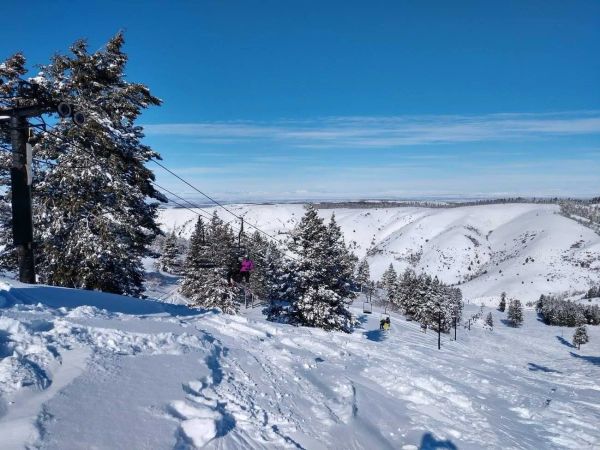
Kelly Canyon, Idaho, Adds Snowmaking, a Bigger Terrain Park and More Parking for 2026-27
Kelly Canyon had a rough 2025-26, and the Idaho resort has spent the summer making sure it doesn’t repeat. Snowmaking now reaches the top of Goldrush, the terrain park is doubling in size with a stereo system, lights and a snack shack, and the car park is getting bigger. Grooming is stepping up too. Target opening is December 4, conditions permitting.
9 Oct 2026
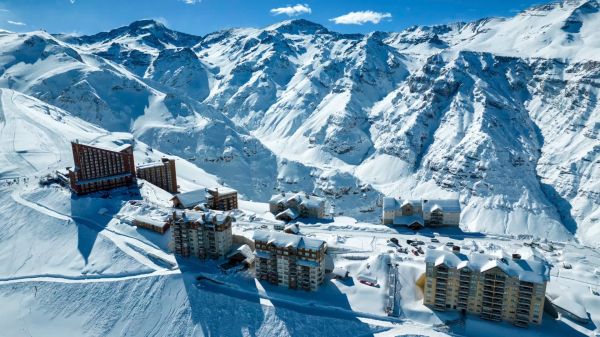
Valle Nevado Extends Season to November 8 After 108 cm in 48 Hours
Winter was meant to be winding down in Chile. Then Valle Nevado took 108 cm in 48 hours in early October, and the resort has pushed its closing date out to November 8 - its latest in 38 years of operation. That makes 143 days of skiing since opening day on June 19, with 690 cm banked for the season. Only part of the mountain is running while the storm settles, so check the mountain report before you plan a trip.
9 Oct 2026
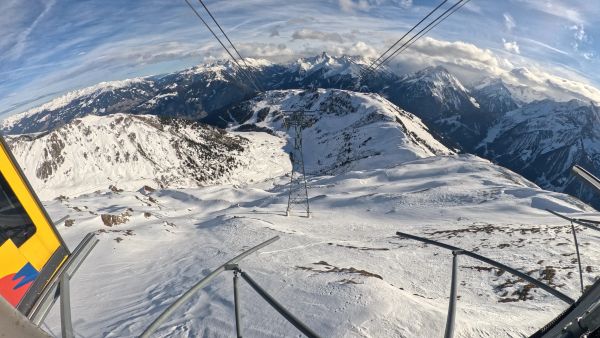
Alps Snow Forecast: Cold Front Brings Thursday Snow to the High Alps
The Alps look a lot more like winter today, for a day or so. A cold front is moving west to east, dropping up to 35 cm on high glaciers and peaks, with snow levels falling to around 1,500-1,800 m at times. Don’t plan a trip around it: mid-elevation snow will be thin and wet, every area is closed bar a limited Sölden glacier opening tomorrow, and warmer weather returns by Monday.
8 Oct 2026
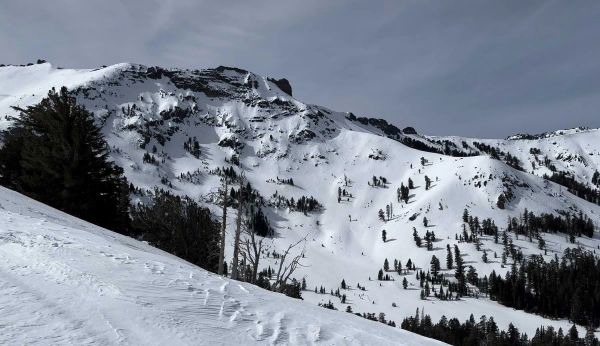
California Ski Resort Opening Dates 2026-27: Mammoth Leads, Tahoe Follows
Mammoth Mountain is first up in California, targeting Friday 13 November after a dusting of September snow. Heavenly and Northstar follow on 20 November, Palisades Tahoe on Wednesday 25 November and Sugar Bowl on 27 November, with Kirkwood on 4 December and June Mountain on 19 December. Plenty of smaller areas have no date yet. A super El Niño favours the Sierra, but a warmer storm track is the catch.
7 Oct 2026
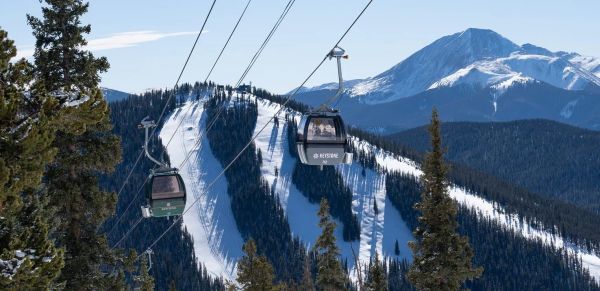
Colorado Ski Resort Opening Dates 2026-27: A-Basin and Keystone Race to Be First
Arapahoe Basin, Keystone and Winter Park are all chasing an October start, though none has a firm date yet. The first dated openers are Breckenridge and Copper on Friday 6 November, then Vail on 13 November, with most of the rest bunched around US Thanksgiving. Hesperus did not open at all last season. A super El Niño offers hope but no guarantee, and forecasters say the southern mountains have the better odds.
5 Oct 2026
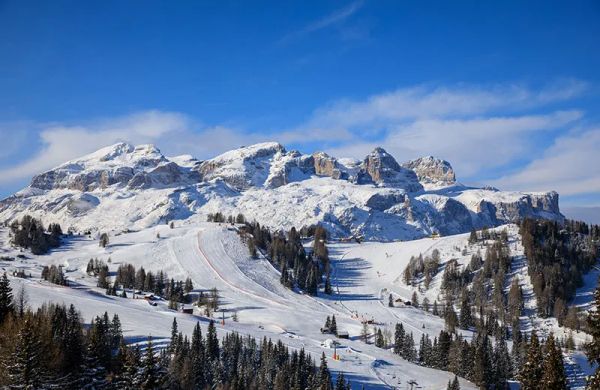
Dolomiti Superski 2026-27: Four New Gondolas, New Reservoirs and an €89 Peak Day Pass
Dolomiti Superski is spending around €100 million across its 12 areas before winter. Kronplatz gets a new 10-passenger gondola with a middle station, 3 Zinnen gets Helmissimo, and Val di Fassa swaps a chairlift for a gondola above Col Valvacin. New water-storage basins and upgraded snowmaking follow, and construction has started on the San Martino to Passo Rolle link. A peak adult day pass is €89.
4 Oct 2026
Mt Norquay Snow Report
Snow Report
Updated 9 Oct 2026
2183m
summit
+0cm
new snow · last 24 hours
Clear-1°C / 5°C · W 35km/h
Snowfall
24 hours
0cm
48 hours
0cm
7 days
0cm
Base depth
0cm
Season total
0cm
Total lifts5
Live open status isn’t available right now.
14 Nov 2026 - 18 Apr 2027
Hour by Hour
Next 37 hours· Updated Oct 9, 2026 at 6:32 AM
Scroll for the full outlook · Open-Meteo
7-Day Outlook
2,183 mUpdated Oct 9, 2026 at 6:32 AMOpen-Meteo
Days 1–7
3.1cm
Days 8–14
0.2cm
Fri, Oct 9
Snow
Temp5° / -1°°C
Snow1.4cm(47%)
Wind35 km/h W
Live snow from the resort feed; forecast from Open-Meteo, via Supabase.
Understanding the Mt Norquay snow report
See what's happening on the mountain at Mt Norquay right now — snowfall, snow depth, and weather data to help you plan your day in Alberta.
Snow measurements
Snow depth at Mt Norquay is tracked at both the base and summit, since the two elevations often see different totals — roughly a 503m difference here. We report fresh snowfall over the last 24 hours and 7 days alongside the running season total, in both metric and imperial units.
Weather conditions
Snow quality tracks closely with temperature and wind. We surface both alongside the snowfall data so you can judge whether conditions at Mt Norquay are holding up or starting to soften.
Data sources
Mt Norquay snow data is collected through a combination of on-mountain reports and weather forecasting services, giving you both official resort updates and independent forecast data in one place. The mountain is served by 5 lifts, including 3 quad chairlifts.
When to check
The biggest swings usually happen right after a storm. Check Mt Norquay's report in the morning for the freshest numbers, and again in the afternoon as conditions evolve.