
Silverstar
1,328 hectares, 132 runs across four faces near Vernon. Colourful village, ski-in ski-out, Okanagan snow.
Season 2026 - 2027
Opens
27 Nov 2026
Closes
4 Apr 2027
Days open
128
Annual snow
7m
The Overview
Michael Fulton
Melbourne-based skier and snowboarder with 50+ resorts across 5 continents. Specialises in Australian resorts and international resort comparisons.
SilverStar's summit reaches 1,888 metres, dropping 731 vertical metres to a base at 1,157 metres across 132 runs spread over roughly 1,328 hectares near Vernon, British Columbia. Terrain splits 40 per cent intermediate, 35 per cent advanced, 15 per cent beginner and 10 per cent expert, with average annual snowfall of roughly 7.0 metres. Nine lifts, including four quad chairs and one six-person chair, serve the mountain alongside one gondola, two surface lifts and one t-bar.
SilverStar holds a distinctive place among Okanagan resorts for its brightly painted, Victorian-themed village and terrain spread across four separate mountain faces. Its considerable ski-in and ski-out village, combined with reliably light, dry Okanagan snow, has built SilverStar's reputation as one of the region's more visually distinctive family destinations.
Locals had skied the mountain since the early 1930s, and Silver Star Sports was formally started in 1956 or 1957 by Russ Postill, Mike Lattey, Bill Attridge and several other local enthusiasts, who brought in a trailer and a small portable rope tow near Sovereign Lake. The resort formally launched as SilverStar Mountain Resort in 1958, and a group led by Norm Crerar and Charlie Locke purchased Silver Star Sports in 1981, forming Silver Star Mountain Resorts Ltd.
Australian businessman Desmond Schumann, who already owned nearby Big White since 1985, purchased the majority of SilverStar's assets in 2001. Following his death, his daughter Jane Cann received full ownership in 2012, while son Peter Schumann took ownership of Big White. Powdr Corporation acquired SilverStar in December 2019, and the resort has more recently become part of Pacific Group Resorts' portfolio. Adult daily tickets run from 109 to 129 Canadian dollars.
731m
Vertical
132
Runs
3,281 acres
Skiable
7m
Annual snow
The Terrain
132 runs across 3,281 acres skiable
SilverStar offers 132 runs across roughly 1,328 hectares near Vernon, with a 731-metre vertical drop from the 1,888-metre summit. The grading is balanced with a lean toward the middle: 40% intermediate, 35% advanced, 15% beginner and 10% expert. The terrain is split across four distinct faces rather than one big bowl, which lets skiers chase the sun or avoid the wind through the day. Light, dry Okanagan snow, around 7 metres a season, suits the groomers and gladed runs well, and the four-face layout means crowds spread out rather than queueing on one slope.
Vance Creek, the front face above the village, is mostly beginner and intermediate corduroy, while Attridge is a smaller, quieter area with gladed blues and blacks that often sit empty. Silver Woods adds mellow, treed intermediate runs, and Putnam Creek on the back is the advanced zone, with black and double-black pitches. The Comet six-pack and the gondola move people out of the village quickly. SilverStar suits families and mixed-ability groups who want variety, with advanced skiers able to peel off to Putnam Creek for steeper runs while the rest of the group stays on the front.
Terrain split
132
runs
132 runs across 4 grades
Beginner20 runs · 15%
Intermediate53 runs · 40%
Advanced46 runs · 35%
Expert13 runs · 10%
Time it right
When to visit Silverstar
The 2025-26 season at SilverStar ran from 22 November 2025 to 5 April 2026, a roughly nineteen-week season supported by average annual snowfall of around 7.0 metres. This season followed the resort's transition into Pacific Group Resorts' portfolio, its most recent ownership change after decades under Schumann family control.
Midwinter, from December through February, typically brings the most consistent, light and dry conditions to SilverStar's varied terrain across four mountain faces. The resort's brightly coloured village continues to draw considerable family visitation from across the Okanagan and Western Canada.
SilverStar's ski-in and ski-out village and varied terrain continue to support strong visitation throughout the season, particularly during school holiday periods. The resort's considerable scale across four faces helps distribute crowds relative to its popularity.
Specific event programming beyond standard operations is not confirmed in available resort information. Following its transition to Pacific Group Resorts, SilverStar continues building on nearly seven decades of history since Silver Star Sports' founding in the mid-1950s. The resort's distinctive village character and four-face terrain remain central to its enduring popularity in the Okanagan.
Season 2026 - 2027
27 Nov 2026
Opens
4 Apr 2027
Closes
128
Days open
7 m
Annual snow
Getting there
Getting to Silverstar, and where to stay
SilverStar sits near Vernon, British Columbia, in the Monashee Mountains, with a base elevation of 1,157 metres and a summit at 1,888 metres across a 731-metre vertical drop over roughly 1,328 hectares spread across four mountain faces. This setting places the resort within the North Okanagan, a comparatively short drive from Vernon.
Vernon, a mid-sized Okanagan city, offers extensive lodging, dining and services within a manageable drive, while SilverStar's own brightly painted village provides considerable ski-in and ski-out accommodation directly at the base.
SilverStar Road provides direct access to the resort from Vernon. Winter driving conditions on this route can include snow and ice, though the well-travelled road is regularly maintained given the resort's status as a major Okanagan destination.
Kelowna International Airport, roughly a one-hour drive away, is the primary gateway for visitors flying into the region, with SilverStar's considerable proximity to a well-served regional airport supporting substantial visitation from across Western Canada.
Where to stay
Search all stays →Hotels and lodges near Silverstar, powered by Stay22.
Latest News
From the SnowStash desk
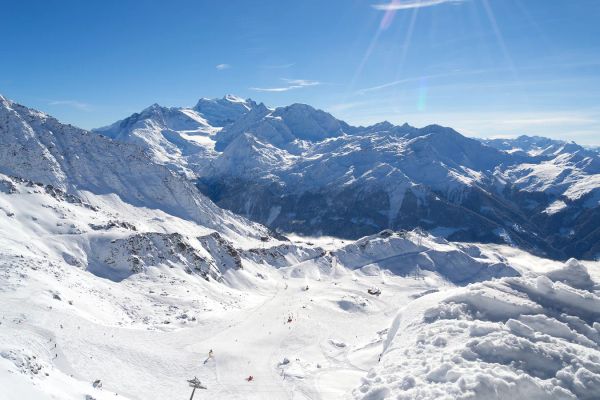
Alps Snow Forecast: Up to 64 cm Headed for the High Glaciers as the Snow Line Drops
The Alps are about to swap mild, sunny October weather for something far more wintry. A cold front arrives Tuesday, and SnowStash forecasts have Monterosa Ski out in front with 64 cm over 14 days, ahead of Blatten Belalp (55 cm) and Verbier (43 cm). The snow line should fall below 2000 metres by Wednesday night, and glaciers across Switzerland, Italy and Austria are in line for the best of it. The wind will have a say too.
20 Oct 2026
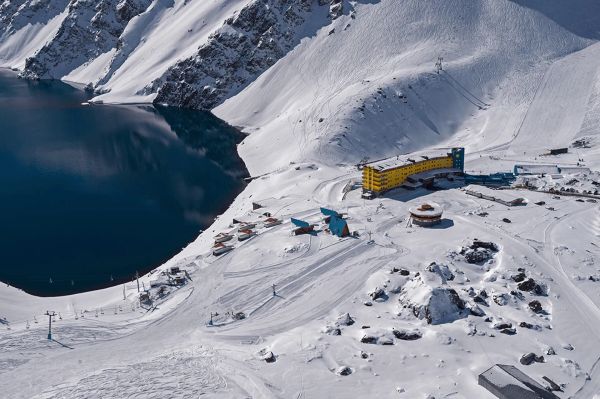
Four Dead After Avalanche Near Ski Portillo in Chile
A large avalanche struck near Laguna del Inca adjacent to Ski Portillo on Saturday afternoon, killing four people and injuring four others. The group were day visitors mountaineering in the backcountry after reportedly being warned about elevated avalanche risk by resort staff.
18 Oct 2026
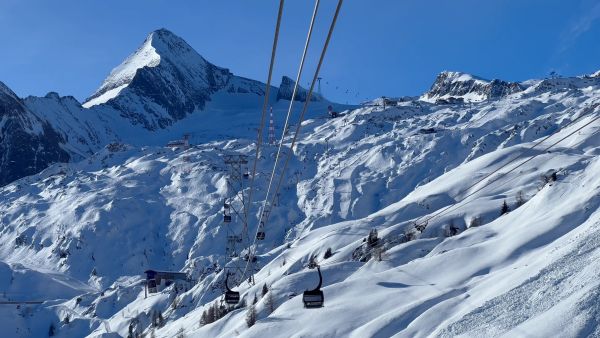
Europe Ski Resorts Open Now: What Is Skiable in Mid-October 2026
Europe’s ski season is open, technically. After a record-warm summer, glaciers in Austria, Switzerland and Italy are running a few pistes apiece, Sölden, Stubai and Kitzsteinhorn started late, Titlis has pushed back to 24 October, and Zermatt reopens a few lifts on 14 October after more than two months shut. Finland’s Levi and Ruka are skiing on stored snow. Here is what is open, and what you actually get at each.
14 Oct 2026
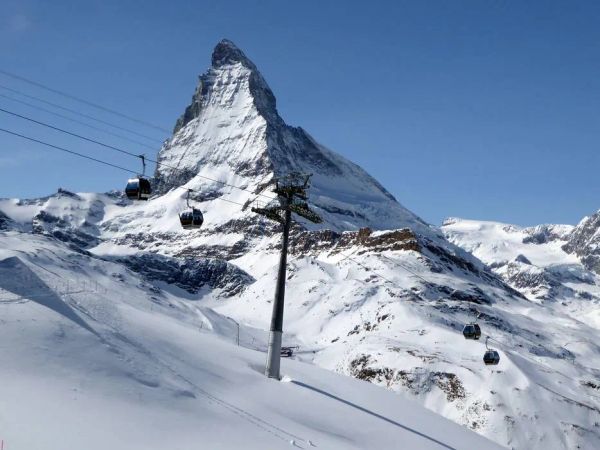
Zermatt Plans World Cup Downhill Return on the Gornergrat for 2028
Zermatt is having another crack at a World Cup downhill, and this time nobody has to cross a border. Around 13 million Swiss francs is going into rebuilding the Gornergrat piste, including a jump fed by a roughly 300-metre in-run across the roof of the Gornergrat Railway gallery, with the Matterhorn lined up behind it for the TV cameras. First men’s race is pencilled in for March 2028, pending FIS homologation.
14 Oct 2026
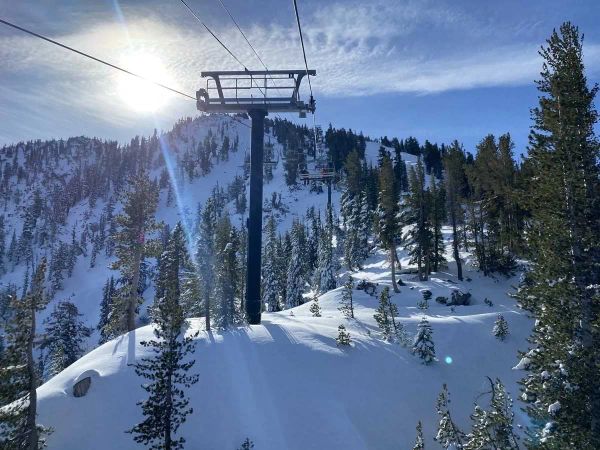
Mt. Rose Begins Snowmaking for the 2026-27 Season at Lake Tahoe
Lake Tahoe’s highest base elevation is paying off early: Mt. Rose has started making snow for 2026-27 after the first flurries and a cold snap. The Nevada resort is backing it with nearly US$2 million in upgrades, including a replacement snowmaking main line, a new PistenBully groomer and restraint bars on every lift. Opening day is yet to be confirmed, though Heavenly and Northstar are already eyeing 20 November.
13 Oct 2026
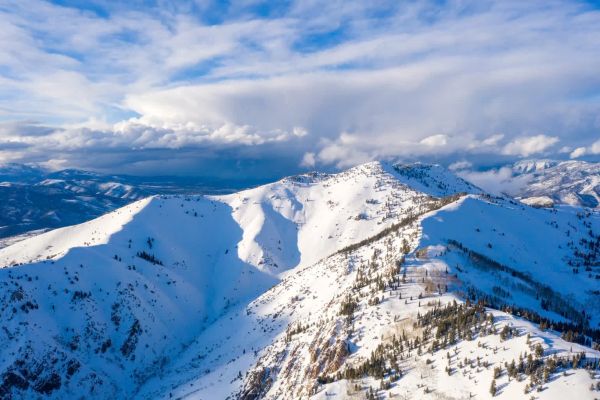
Utah Ski Resorts 2026-27: What’s New at Alta, Deer Valley, Powder Mountain and More
Utah is still building flat out. For 2026-27, Powder Mountain opens a steep new Skytrac chair into more than 1,000 acres of advanced terrain, Deer Valley adds 200 acres on Hail Peak, Sundance gets a new quad and Park City adds a gondola from its new parking structure. Snowmaking is expanding almost everywhere, Eagle Point stays closed after the Cottonwood Fire, and the 2034 Games are setting the pace. Here’s what’s new, resort by resort.
13 Oct 2026
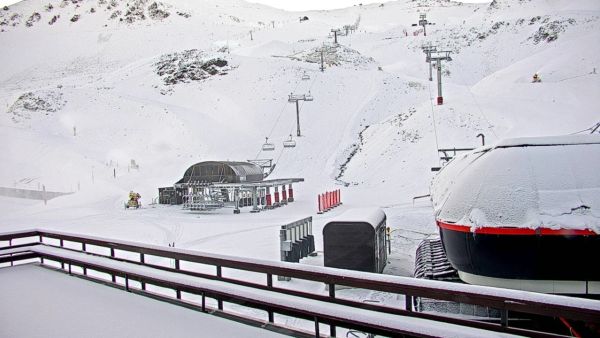
Mt Hutt Invests NZ$12 Million in Base Area, Tripling Its Sun Deck
Mt Hutt is getting busier, and its base lodge is about to catch up. NZ$12 million goes into a heated sun deck roughly three times the current size (430 m² to 1,300 m²), plus a new toilet block, heated steps down to snow level, extra storage and a new food and beverage outlet. Building starts after the 2026 season, with everything due for winter 2027.
11 Oct 2026

Vermont Ski Resort Opening Dates 2026-27: Few Dates Set, Killington Waits on the Cold
Vermont's season is slow to take shape. Stratton is tentatively targeting 18 November and Sugarbush 21 November, while Pico has Friday 11 December on the calendar. Killington never sets a date and opens when the snowmaking allows, and Vail Resorts has yet to name days for Stowe, Okemo and Mount Snow. The forecasts disagree about snow, and the main El Niño worry for the Green Mountains is warmth.
9 Oct 2026
Silverstar Webcams
9 live angles across the mountain. Tap any camera to go full-screen.
About Silverstar's live webcams
Check live conditions across Silverstar with 9 real-time webcams showing snow, weather, and lift operations, updated every 10 minutes. Check high-elevation cams for powder visibility and base-area cams for crowd levels before you head up.
Camera guide
- Summit1887m
- Experience commanding panoramic views from the peak of SilverStar Mountain Resort through this live summit webcam positioned at 1887 meters elevation. This SilverStar webcam captures sweeping vistas across all four mountain faces and the colorful Victorian village below, providing essential visibility updates across the resort's 3,281 acres of varied terrain. Perfect for assessing current conditions, this SilverStar live cam helps you plan your approach to the Monashee Mountains' legendary champagne powder just minutes from Vernon, BC.
- Silverstar Pow 1800m
- Track precise snowfall accumulation at SilverStar ski resort through this essential snow stake webcam positioned at 1800 meters elevation. This specialized SilverStar live snow cam provides real-time measurements of fresh powder depths, updated every 10 minutes throughout the day. Critical for powder hunters planning their visit to BC's Okanagan Valley, this SilverStar web cam delivers the accurate snow data needed to time your arrival for optimal skiing conditions across the resort's diverse mountain faces.
- Summit Comet Lift1887m
- Capture breathtaking alpine perspectives from the highest point at SilverStar Mountain Resort through this summit webcam at the top of the Comet Lift at 1887 meters. This commanding SilverStar live cam provides panoramic views across the entire ski area and surrounding Monashee peaks. Updated every 10 minutes, this SilverStar web cam delivers essential visibility and weather updates from the resort's peak elevation, helping skiers plan their descent through 3,281 acres of varied BC terrain.
- Attridge1819m
- Monitor the thrilling Attridge Face through this strategic SilverStar webcam positioned at 1819 meters, capturing the short, steep terrain directly above the colorful village. This SilverStar live cam shows real-time snow coverage and skier activity on one of the resort's most popular quick-access runs. Updated every 10 minutes, this live snow cam helps intermediate and advanced skiers assess conditions on this exciting descent that delivers guests straight into the heart of SilverStar's ski-in/ski-out village atmosphere.
- Putnam Creek1155m
- Discover SilverStar's legendary backside terrain through this crucial webcam at the Putnam Creek base area at 1155 meters elevation. This SilverStar live cam reveals current conditions at the central hub accessing the resort's most challenging advanced and expert runs. Updated every 10 minutes, this SilverStar web cam provides essential intelligence for serious skiers planning to explore the Monashee powder bowls and tree skiing that make this BC destination a favorite among experienced riders.
- Silver Woods1619m
- Experience family-friendly terrain at its finest through this SilverStar webcam positioned at the Silverwoods Express summit at 1619 meters elevation. This strategic SilverStar live cam showcases the resort's exceptional beginner and intermediate runs that flow through pristine BC forests. Updated every 10 minutes, this live snow cam helps families and developing skiers assess snow quality and visibility across some of the Okanagan's most accessible and enjoyable skiing terrain.
- Comets Run1592m
- Monitor perfect learning conditions through this SilverStar webcam overlooking the Comet Trail at 1592 meters elevation. This SilverStar live cam focuses on one of the resort's most popular beginner runs, ideal for first-time skiers building confidence. Updated every 10 minutes, this SilverStar web cam helps families and ski instructors assess snow quality and slope traffic on this gentle terrain that exemplifies SilverStar's reputation as an exceptional family-friendly destination in BC's Okanagan Valley.
- Tube Town1606m
- Witness family winter fun in action through this SilverStar webcam focused on Tube Town in the heart of the colorful village at 1606 meters. This SilverStar live cam captures British Columbia's premier tubing experience, where guests of all ages enjoy thrilling descents without skis. Updated every 10 minutes, this live snow cam shows current activity levels and snow conditions at this beloved attraction, perfect for families seeking variety beyond traditional skiing at SilverStar Mountain Resort.
- Village1605m
- Experience the vibrant heart of SilverStar's colorful Victorian village through this central webcam positioned at 1605 meters elevation. This SilverStar live cam captures the bustling pedestrian village atmosphere, ski-in/ski-out access points, and daily mountain activity. Updated every 10 minutes, this SilverStar webcam provides essential views of the resort's unique architectural character and operational pulse, helping visitors gauge arrival timing and village conditions at BC's most distinctive alpine destination near Vernon.
Silverstar snow cams FAQ
How often do Silverstar snow cams update?
All Silverstar snow cams and webcams update every 10 minutes with fresh images showing current mountain conditions. This frequent update schedule ensures you have access to near real-time conditions for planning your ski day at Silverstar.
Which Silverstar webcam shows the best powder conditions?
The high-elevation Summit webcam at 1,887m provides the clearest view of powder conditions and snowfall. These Silverstar webcams capture fresh snow accumulation and visibility better than base area cameras.
Can I see Silverstar lift queues on the webcams?
Yes. Multiple Silverstar snow cams specifically show lift queue areas and chairlift operations, helping you time your arrival and avoid peak queue periods.
When is the best time to check Silverstar snow cams?
Check Silverstar webcams early morning (7-8am) for overnight snowfall assessment, and mid-afternoon for current crowd levels and weather. The live cams are most useful after storm events to assess fresh powder.
How can I check current conditions before buying Silverstar lift tickets?
Use our Silverstar webcams alongside the live snow report to assess conditions before purchasing lift tickets. The webcams show real-time visibility, snow quality, and operational status.
Do Silverstar webcams work on mobile devices?
Yes. All Silverstar snow cams and webcams are optimized for mobile viewing, so you can check live conditions from anywhere using your phone or tablet.
More Silverstar intelligence: snow report, lift tickets, trail map, resort overview.